
How to Get Rid of Bed Bugs in Your Home: A Complete Treatment Guide
Bed bugs are among the most stressful household pests in the United States, and for good reason: they feed on human blood at night, hide in seams and cracks by day, hitchhike easily on luggage and furniture, and resist many over-the-counter products. If you are searching for how to get rid of bed bugs in your home, you are not dealing with a dirt-related pest. Clean homes get bed bugs. Hotels, apartments, offices, and single-family houses all can—because introduction is about transport and hiding places, not housekeeping stereotypes.
This guide is written from a practical treatment perspective—the same framework a Pest Control Company company uses when evaluating a bed bug problem. You will learn how bed bugs typically enter living spaces, what light DIY steps can slow early activity, which treatment methods actually reach eggs and harborages, what often goes wrong with foggers and partial do-it-yourself programs, and when it is smarter to bring in a licensed technician. You will also see what a Pest Control Company bed bug service looks like from inspection through multi-visit follow-up, how to choose a good provider, and how to reduce re-introduction risk after the infestation is gone.
Use this page as a decision guide. If you found a single insect after travel and have no bites or other signs yet, careful isolation and inspection may help. If you have repeated bites in rows or clusters, blood spots on sheets, dark fecal spots on mattress seams, shed skins, or live bugs in furniture, treat this guide as your bridge to Pest Control Company help—and to platforms like Pest Direct that connect homeowners with local pest control companies ready to inspect and quote the job.
How Bed Bugs May Have Gotten Into Your Home
Bed bugs rarely fly into a house—they do not fly at all—and they do not spring from ordinary household dirt. They arrive primarily by hitchhiking. Common introduction pathways include luggage and clothing after hotel or Airbnb stays, used furniture and mattresses, secondhand electronics and nightstands, shared laundry carts, college dorm moves, visiting guests’ bags, and workplace or theater seating. In multi-family housing, bed bugs also walk between units through wall voids, electrical outlets, and hallways when infestations are heavy next door.
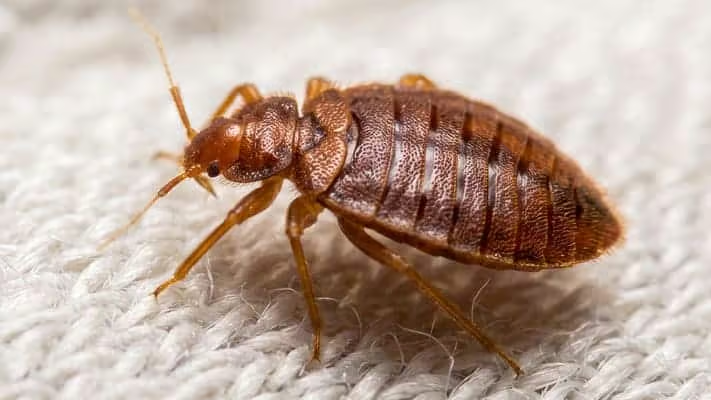
Once introduced, bed bugs seek harborage near where people sleep or rest for long periods. Classic sites include mattress seams, box springs, bed frames, headboards, nightstands, upholstered chairs, couch seams, baseboards near beds, curtain folds, and cracks behind wall hangings. They can spread to other rooms as populations grow or when people start sleeping on couches to escape bites. Adults are roughly apple-seed sized, reddish-brown, and flatten into tight cracks; after feeding they appear fuller and darker.
Bed bugs feed mainly at night, taking a blood meal in minutes and then returning to harborage. Not everyone reacts to bites the same way—some people develop itchy welts in lines or clusters, while others show little reaction—so bite patterns alone are imperfect proof. Better evidence includes live insects, cast skins, dark fecal spotting, and eggs in seams. Because eggs and hidden nymphs are easy to miss, infestations are often more advanced than the first bug you catch on a sheet.
Understanding how bed bugs got in is not about blame. It is about risk mapping: recent travel, used furniture, multi-unit adjacency, and which rooms are used for sleeping. That map guides inspection priority and whether neighbors or building management must be part of a lasting solution.
How to Treat a Bed Bug Problem in Your Home
Effective bed bug treatment is not about buying the strongest-smelling fogger at the store. The goal is to find every significant harborage, kill all life stages including eggs when possible, and prevent re-introduction while products and heat do their work. Pest Control Companies think in systems: confirm identification, inspect beyond the bed, prepare the space thoroughly, apply heat and/or targeted insecticides, use encasements and vacuuming as support tools, and return for follow-up because eggs may hatch after the first visit.
A single hitchhiker on a suitcase is a different job than established populations in multiple bedrooms and living-room sofas. Match the intensity of treatment to the intensity of the problem. Below is how limited DIY steps fit early on, the main treatment methods used in residential work, and the failure modes that turn a small introduction into a months-long ordeal.
Treating Light Bed Bug Problems Yourself
If you have only recently found one or two insects after travel and have no widespread signs, start with isolation and heat-based laundry rather than spraying every surface. Bag clothing and soft items in sealed plastic. Wash and dry on high heat when fabric allows—the dryer is often more reliable than the wash cycle for killing bed bugs and eggs. Isolate luggage in a garage or sealed bag until it can be thoroughly inspected and cleaned. Do not bring hotel luggage onto the bed while unpacking after future trips.
Carefully inspect mattress seams, box springs, and furniture with a flashlight. Vacuum seams and edges thoroughly, then dispose of vacuum contents in a sealed bag outside. Consider quality mattress and box-spring encasements designed for bed bugs to trap remaining insects and simplify inspection. Reduce clutter around the bed so fewer hiding places exist. Interceptors under bed legs can help monitor and reduce climbing access when beds are pulled from walls and bedding does not touch the floor.
Be honest about limits. DIY sprays and total-release foggers frequently fail against eggs and deep harborages and can scatter bugs into new rooms. If you see fecal spots on multiple furniture pieces, repeated bites across the household, or live bugs after a week of careful work, escalate to Pest Control Company service. Early introductions are the only stage where homeowner effort alone sometimes succeeds—and even then, thoroughness matters more than product count.
What Can Go Wrong If Bed Bug Problems Are Handled Poorly
The most frequent DIY failure is the fogger. Total-release aerosols do not penetrate deep harborages well, can push bed bugs into adjacent rooms and units, and leave eggs intact. Another failure mode is treating only the mattress while ignoring box springs, frames, nightstands, and living-room furniture where people have started sleeping.
Throwing out every possession is sometimes unnecessary and can spread bugs if infested items are moved through hallways without bagging. Incomplete laundry protocols reintroduce survivors. In apartments, treating one unit while neighbors remain infested leads to re-invasion. Misidentification—confusing carpet beetles or fleas with bed bugs—wastes money on the wrong program.
Delays have quality-of-life costs: sleeplessness, anxiety, skin irritation from bites and scratching, and social stress. Over-application of consumer pesticides creates exposure risk without guaranteed control. The longer an infestation establishes across multiple rooms, the more expensive and disruptive elimination becomes—and the more critical Pest Control Company multi-visit strategy becomes.
Treatment methods
The approaches a technician chooses between for bed bugs, and what each one is good at.
- Inspection and infestation mapping
- Technicians inspect beds, upholstered furniture, baseboards, outlets, and adjacent rooms. They confirm bed bugs versus other insects and map intensity by room. Canine detection is used by some companies as a supplement. A detailed map determines whether treatment is one bedroom, whole unit, or multi-unit coordination. Skipping thorough inspection is a leading reason treatments fail in “the other couch.”
- Heat treatment
- Whole-room or whole-structure heat raises temperatures to levels lethal to bed bugs and eggs when equipment and monitoring are done correctly. Heat can penetrate furniture that chemicals struggle to reach. Success depends on preparation, airflow, and holding target temperatures long enough. Some jobs combine heat with residual products in selected areas. Not every structure is a candidate for the same heat protocol.
- Targeted insecticide applications
- Pest Control Companies apply products labeled for bed bugs to seams, cracks, voids, and furniture components—not as random room fogging. Dusts, liquids, and aerosols each have roles in different harborages. Resistance to certain chemistries is a real issue, so product selection and placement skill matter. DIY overuse of the wrong products can worsen dispersal without ending the infestation.
- Steam, vacuuming, and mechanical removal
- Steam can kill bed bugs on contact in seams and fabric when used slowly at proper temperature. Vacuuming removes insects and reduces populations before chemical or heat steps. These tools support but rarely replace a full program when eggs and deep cracks remain. Improper steam technique can also drive moisture into materials if misused.
- Encasements, interceptors, and prep protocols
- Mattress encasements, bed isolation, laundry protocols, and clutter reduction improve every treatment method. Preparation is half the job: bagging items, laundering, emptying nightstands, and giving technicians access to furniture. Poor prep is a common reason even Pest Control Company products underperform on the first visit.
- Integrated follow-up visits
- Eggs can hatch after an initial knockdown, and missed harborages appear as residual bites. Pest Control Company programs usually include one or more follow-ups. Monitoring with interceptors and re-inspection of hot spots verify success. A single visit with no follow-up plan is a red flag for difficult infestations.
When You Should Call a Pest Control Company for Bed Bugs
Call a Pest Control Company when you have confirmed bed bugs beyond a single possible hitchhiker, when bites continue after careful laundry and isolation, or when you find fecal spots, shed skins, or live bugs in furniture. Multiple rooms involved, multi-family housing, or household members with severe bite reactions all justify faster Pest Control Company scheduling. If you are preparing to move, address bed bugs before relocating so you do not take them to a new address.
You should also call for help if DIY products have already failed, if anyone in the home cannot tolerate intensive prep alone, or if you simply need confirmation of what insect you found. Pest Control Companies are the norm for established bed bug jobs, not an extreme last step. A prompt inspection can define scope before bugs spread from one bedroom to the whole unit.
If you live in an apartment or condo, notify management according to your lease and local rules. Building-wide or adjacent-unit issues may require coordinated treatment. A trained technician can confirm identification, explain prep lists, and recommend heat, chemical, or combination plans sized to your space.
Why a Pest Control Company Is Often Better Than DIY Alone for Bed Bugs
Pest Control Companies bring three advantages homeowners rarely match: inspection thoroughness, access to effective heat and commercial products, and a follow-up process timed to the bed bug life cycle. They know resistance patterns, where eggs hide, and how furniture construction creates untreated islands in amateur jobs. They also design prep lists that make treatments succeed instead of leaving half the population in clutter piles.
Retail products can support early interception—encasements, interceptors, careful laundering—but they seldom eliminate established infestations alone. Foggers actively undermine control. Pros integrate mechanical removal, targeted chemistry, and sometimes whole-room heat with verification visits. That system approach is what ends infestations that have survived months of store-bought sprays.
There is also a time and mental-health calculation. Sleep loss and constant vigilance are exhausting. A structured service plan converts chaos into a schedule: inspect, prep, treat, follow up, and clear. For many households, that reliability is the real product. Pest Control Company service is not about shame; bed bugs hitchhike into well-kept homes. It is about matching tools to a cryptic blood-feeding pest that evolved to live in human sleeping environments.
What the Pest Control Company Treatment Process Looks Like for Bed Bugs
While companies vary—some emphasize heat, others chemistry, many combine both—high-quality residential bed bug control follows a predictable arc. Understanding the process helps you evaluate quotes and avoid one-visit mystery sprays with no prep list and no follow-up. Here is the typical sequence from first call to confirmed clearance.
Inspection and identification
A technician confirms bed bugs, estimates infestation level, and maps rooms and furniture involved. They discuss travel, used furniture, and multi-unit risk. You should leave the inspection with a clear scope and written prep expectations.
Preparation guidance
Prep usually includes laundering and bagging, reducing clutter, emptying drawers near beds, and providing access to furniture. Over-prep mistakes (like discarding items improperly) are corrected by good companies. Clear prep instructions are a sign of a careful provider.
Initial treatment
Technicians apply heat and/or targeted products to harborages, may use steam and vacuuming, and install or recommend encasements and interceptors. Good techs explain what results to expect over the next days as remaining eggs and survivors are addressed.
Follow-up and adjustment
Because eggs hatch after the first visit, follow-up is standard. The technician re-inspects hot spots, retreats as needed, and checks interceptors. This is where many DIY attempts fail—there is no second and third verification.
Clearance, prevention coaching, and maintenance awareness
After activity stops, you receive guidance on travel habits, used furniture inspection, and early warning signs. In multi-unit buildings, ongoing vigilance and management communication matter. The end state is confident sleep, not only a temporary quiet week.
How to Find a Good Pest Control Company for Bed Bug Control
A good bed bug provider is licensed where required, carries insurance, and can explain their method—heat, chemical, or hybrid—without guaranteeing magic from a single fogger-style visit. Ask how inspection works, whether follow-up visits are included, what prep you must do, and how they handle apartments versus single-family homes. Be cautious of ultra-cheap “spray and go” quotes that never discuss eggs, furniture, or re-inspection.
Check recent reviews for mentions of communication, prep clarity, and whether bed bugs actually stopped—not only whether the tech was polite. Ask about pet and child safety practices, re-entry times, and warranty or re-treatment policies if activity continues. For multi-unit housing, ask about experience coordinating with property managers.
This is also where Pest Direct fits the homeowner journey. After you understand the problem from a guide like this, the next step is not more failed aerosols—it is connecting with local pest control companies that handle real bed bug eliminations. Pest Direct helps you move from reading about the problem to getting help: find Pest Control Companies in your area, compare options, and request service without guessing which random search result is legitimate. Use educational guides to know what “good” looks like, then use the platform to hire it.
When you request service, share details that speed diagnosis: rooms involved, how long bites or sightings have lasted, photos of insects or mattress spotting, recent travel or used furniture, and whether you have already sprayed. Better intake information produces better quotes and more accurate prep lists.
How to Keep Bed Bugs From Coming Back
Prevention focuses on introduction control. After travel, inspect luggage before bringing it into bedrooms; unpack in a garage or bathtub when practical and launder clothes promptly. Use luggage racks in hotels rather than placing bags on beds. Consider protective covers on mattresses if you travel frequently. Inspect secondhand furniture thoroughly—or avoid used mattresses and upholstered pieces unless you are confident they are clean.
In multi-family buildings, report suspected activity early and reduce clutter that creates extra harborage. Pull beds slightly from walls, keep bedding from tenting to the floor, and use interceptors if you want ongoing monitoring. Vacuum regularly around sleep areas. Educate household members so a single hitchhiker is caught before it becomes a colony.
Think of prevention as reducing hitchhiking success and early establishment. You cannot control every hotel or neighboring unit, but you can control inspection habits, laundry discipline, and how quickly you respond to the first signs. Pair that vigilance with Pest Control Company help at the first confirmed infestation and you avoid the long, exhausting multi-room wars that start with a ignored few bites.
Bed Bugs treatment: common questions
What is the fastest way to get rid of bed bugs in the house?
For a possible single introduction, isolate items, use high-heat drying for clothing, and inspect sleeping areas thoroughly. For established infestations, Pest Control Company heat and/or multi-visit targeted treatment is usually the fastest reliable path. Foggers are not a shortcut—they often make spread worse.
Why do bed bugs keep coming back after I spray?
Many consumer sprays miss eggs and deep harborages, and some products repel bugs into new rooms. Resistance to certain chemicals also reduces DIY success. Thorough inspection, proper prep, and Pest Control Company methods timed with follow-up address the full life cycle.
Do bed bugs mean my house is dirty?
No. Bed bugs infest clean and dirty homes alike. They are hitchhikers attracted to people as hosts, not to garbage. Clutter can make treatment harder by adding hiding places, but sanitation alone does not cause or cure bed bugs.
How long does Pest Control Company bed bug treatment take to work?
Some heat jobs show rapid knockdown, but full elimination often requires follow-up over several weeks as eggs hatch and residual activity is checked. Your technician should set expectations based on infestation size and method.
Should I throw away my mattress?
Not always. Many mattresses can be treated and protected with quality encasements rather than discarded. Throwing items out without bagging can spread bed bugs through buildings. Ask your provider before disposing of expensive furniture.
How can I tell bed bug bites from other bites?
Bed bug bites often appear as itchy red welts in lines or clusters on exposed skin, but reactions vary widely. Confirmation should rely on finding insects, fecal spots, or shed skins—not bites alone. When unsure, schedule an inspection.
Can I stay in my home during treatment?
It depends on the method. Some chemical jobs allow same-day re-entry after drying; heat treatments and certain applications have specific vacancy rules. Follow your company’s written instructions for people and pets.
Can Pest Direct help me find bed bug control near me?
Yes. Once you understand your bed bug problem, Pest Direct connects you with local pest control companies that handle residential bed bug service. Compare providers and request help without starting from zero.
Hand the bed bugs problem to someone licensed
Compare local pest control companies that treat bed bugs, see what they charge, and get an estimate.