Bed Bugs
Bed bugs are small, blood-feeding insects that hide near sleeping areas and spread easily through luggage, furniture, and shared walls.
How Did I Get Bed Bugs??
Bed bugs almost never appear because a home is dirty. They hitchhike on luggage, clothing, backpacks, used furniture, mattresses, and other belongings that have been in an infested hotel, apartment, or vehicle. In multi-family housing, they can also travel through wall voids, electrical outlets, and shared utility lines between adjoining units.
Once introduced, bed bugs settle near where people sleep or rest for long periods. They feed on human blood at night, then retreat into mattress seams, box springs, headboards, baseboards, and nearby furniture cracks during the day. A few bugs brought home from travel can produce a self-sustaining population within weeks if conditions allow.
Because bed bugs hide so well and avoid light, many people only discover them after bites appear or after inspecting bedding more carefully. Clean homes, new construction, and well-kept apartments are all vulnerable—introduction risk is about exposure and movement of belongings, not sanitation alone.
How to identify bed bugs
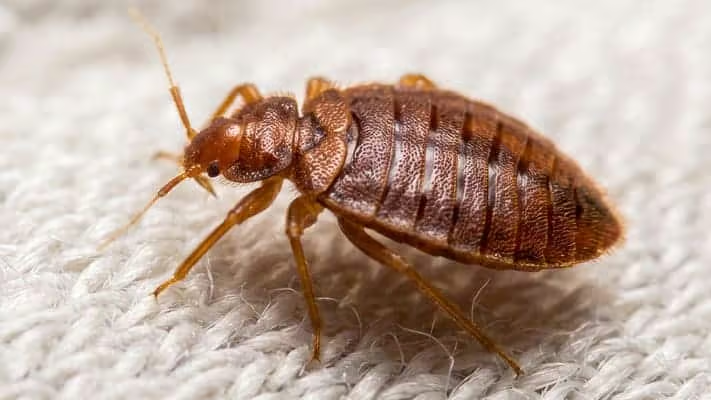
Adult bed bugs are reddish-brown, oval, flat, wingless insects about the size of an apple seed that swell and darken after feeding.
Known species and subtypes
Signs of a Bed Bug Infestation
Look for small rust-colored bloodstains on sheets, dark fecal spots along mattress seams and box-spring edges, and tiny pale shed skins. Adult bed bugs are reddish-brown, oval, flat, and about the size of an apple seed; after feeding they swell and darken. You may also notice a sweet, musty odor when numbers are high.
Bite patterns often show up as itchy red marks in lines or clusters on exposed skin after sleeping, though not everyone reacts the same way and bites alone are not proof. Inspect headboards, bed frames, nightstands, upholstered chairs, and the stitching of mattresses and cushions. In heavier infestations, bugs may spread to living-room furniture and baseboards.
If you find live bugs, fecal spotting, or shed skins, treat the situation as a confirmed problem and avoid moving furniture room to room. Early-stage infestations are far easier and less expensive to eliminate than ones that have spread through multiple rooms or units.
Where Do Bed Bugs Hide?
Bed bugs hide within a few feet of sleeping areas whenever possible. Primary spots include mattress seams, under tags, box springs, bed frames, headboards, and the joints of wooden or metal furniture. They also use cracks in baseboards, behind picture frames, inside nightstand drawers, and in electrical outlet covers near the bed.
As populations grow, activity expands to living-room sofas, recliners, carpet edges, luggage, closets, and wall voids. In apartments, bugs may occupy shared walls and reappear after incomplete treatment next door. Because they are flat, they can fit into extremely thin gaps that ordinary cleaning never reaches.
A Pest Control Company inspection systematically checks sleep zones first, then secondary furniture and perimeter cracks. Knowing that bed bugs do not live primarily in the middle of open floors or on clean countertops helps focus effort where it matters—tight harborage near people.
Bedroom
commonA sleeping area where pests such as bed bugs and dust mites can establish themselves close to occupants.
Mattress
commonBedding where bed bugs and dust mites commonly hide close to sleeping occupants.
Furniture
commonUpholstered and wooden furnishings that can harbor fabric pests, wood-boring insects, or bed bugs.
Living Room
occasionalA shared living space with upholstered furniture and carpeting that can harbor fabric and carpet pests.
Why Are Bed Bugs Bad for My Home?
Bed bugs cause sleepless nights, stressful bite reactions, and a constant sense that your home is no longer a refuge. While they are not known as major disease vectors in typical household settings, their bites can lead to intense itching, secondary skin infections from scratching, and significant anxiety or embarrassment for occupants.
Infestations also spread easily through daily life. Guests, laundry, shared walls, and moved furniture can carry bugs to other rooms or properties. Treatment often requires multiple visits, temporary disruption of sleeping arrangements, and careful preparation of the home. Left alone, populations grow and expand far beyond the original bed.
Ignoring bed bugs almost always makes the problem harder and more expensive. Partial DIY treatments can scatter bugs into harder-to-reach voids without eliminating eggs. Full elimination usually needs a coordinated Pest Control Company plan rather than a single can of spray.
| Concern | Severity | What it means |
|---|---|---|
| BitesPrimary | high | Direct physical harm to people from pest bites, which can cause pain, irritation, or infection. |
| Rapid Reproduction | moderate | Pests that reproduce quickly, allowing small infestations to grow into large ones in a short time. |
| Nuisance | moderate | General unwanted presence of pests that disrupts everyday life without a specific health or property impact. |
| Allergy Trigger | low | Pest droppings, shed skins, or saliva that can trigger allergic reactions in sensitive individuals. |
What bed bugs put at risk, and how urgent each one is.
How Do I Get Rid of Bed Bugs?
Effective bed bug control starts with a thorough inspection and a multi-method plan. Pest Control Companies commonly combine targeted insecticide applications, steam or heat, vacuuming, mattress encasements, and follow-up visits timed to catch newly hatched nymphs. Eggs can survive the first treatment wave, so one visit is rarely enough.
Homeowners help by reducing clutter near beds, laundering bedding and clothing on high heat, encasing mattresses and box springs, and avoiding the urge to move infested items through the house. Do not discard furniture without careful bagging and disposal guidance—dumping can spread bugs and may not remove the source if walls and baseboards remain infested.
Over-the-counter foggers and random sprays often fail against modern bed bug populations and can worsen distribution. If you have confirmed activity, Pest Control Company treatment is usually the most reliable path to full elimination, especially in multi-room or multi-unit situations.
Methods, what a professional visit looks like, and what goes wrong when bed bugs are treated the wrong way.
When Should I Call a Pest Control Company for Bed Bugs?
Call a Pest Control Company as soon as you confirm live bed bugs, fecal spots, or shed skins—or if bites and bedding stains strongly suggest an infestation after travel or a used-furniture purchase. You should also call if DIY products have not stopped activity, if more than one room is involved, or if you live in an apartment where neighboring units may share the problem.
Bed bugs are highly resistant to many consumer products and require careful application into seams, cracks, and furniture voids. Pest Control Companies have inspection tools, treatment options, and follow-up schedules designed around the bed bug life cycle. Early Pest Control Company help almost always costs less than treating a fully spread infestation later.
Ask for a preparation checklist, expected number of visits, and guidance on mattress encasements and laundry. Clear communication about what you should and should not do before service makes treatment more effective and shortens the path back to normal sleep.
Bed Bugs: common questions
Do bed bugs mean my house is dirty?
No. Bed bugs are hitchhikers attracted to people and hiding places near beds, not to dirt or clutter alone. Clean homes get bed bugs after travel, used furniture, or transfer from neighboring units. Sanitation helps treatment, but it does not cause or prevent introduction by itself.
Can bed bugs live in a clean mattress?
Yes. Bed bugs hide in seams, tags, and folds of clean mattresses and box springs just as readily as soiled ones. They care about proximity to a sleeping host and tight harborage. Protective encasements make inspection and control much easier after treatment begins.
How long does it take to get rid of bed bugs?
Most Pest Control Company programs need multiple visits over several weeks because eggs hatch after the first treatment. Light, localized infestations may resolve faster; multi-room or multi-unit cases take longer. Follow-up inspections confirm when activity has truly stopped.
Will washing my sheets kill bed bugs?
Hot washing and high-heat drying can kill bed bugs and eggs on linens and clothing, which is an important preparation step. Washing alone will not eliminate bugs hiding in frames, baseboards, or furniture. Combine laundry with Pest Control Company treatment of harborages for lasting results.
Can bed bugs spread through walls?
In multi-family housing, bed bugs can move through wall voids, outlets, and shared structural gaps into adjoining units. That is why isolated DIY treatment sometimes fails when neighbors remain infested. Coordinated inspection of connected units is often necessary.
Are bed bug bites dangerous?
Bed bug bites are usually more of a comfort and sleep problem than a serious disease risk, but itching can lead to secondary infection from scratching. Some people develop strong allergic reactions or significant anxiety. Confirm the source of bites and treat the infestation rather than only treating symptoms.
Get bed bugs help near you
Search local, licensed pest control companies by ZIP code.
Looking for a specific service? Browse bed bug treatment companies.