
Pest identification guide
Find the pest you are dealing with, learn the signs to look for, and get connected to a local pest control company.
Most common
Start here if you can recognise it by sight.
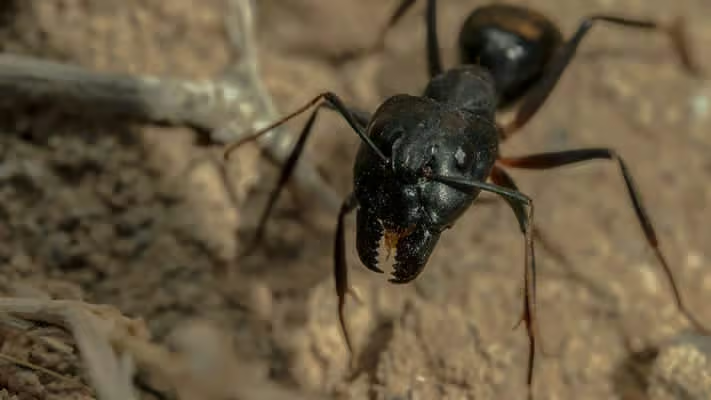
Ants
Ants are social insects that commonly enter homes in search of food, moisture, and shelter.
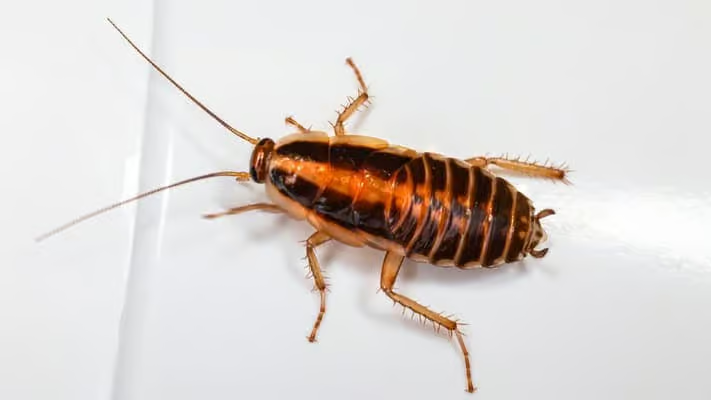
Cockroaches
Cockroaches are resilient, fast-moving insects that invade homes seeking food, warmth, and moisture, and are strongly linked to allergens and disease.
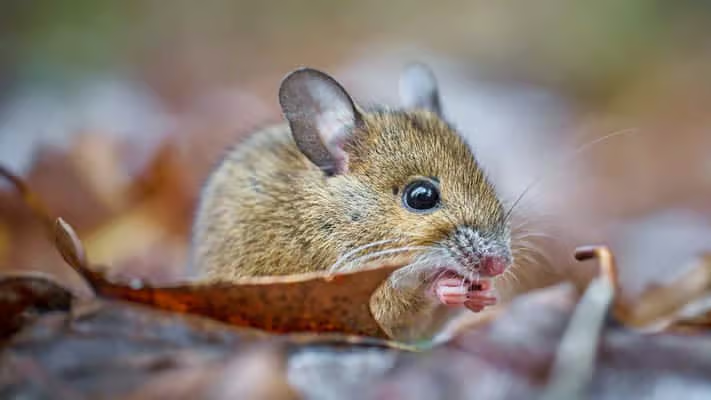
Mice
Mice are small rodents that squeeze through tiny gaps to nest indoors, contaminating food and gnawing on wiring and structural materials.
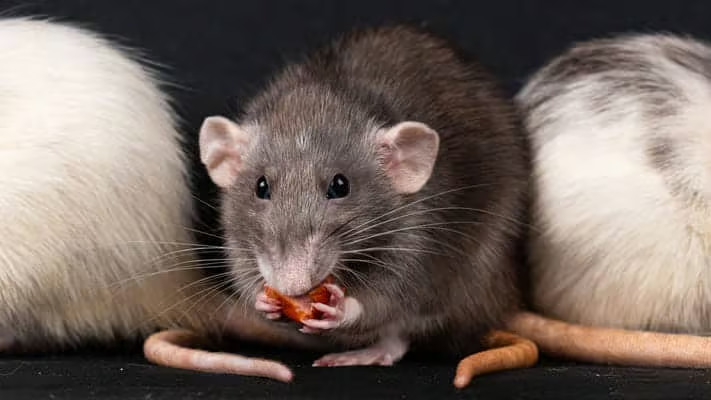
Rats
Rats are large rodents that gnaw through structures and wiring while spreading disease through droppings, urine, and contact.
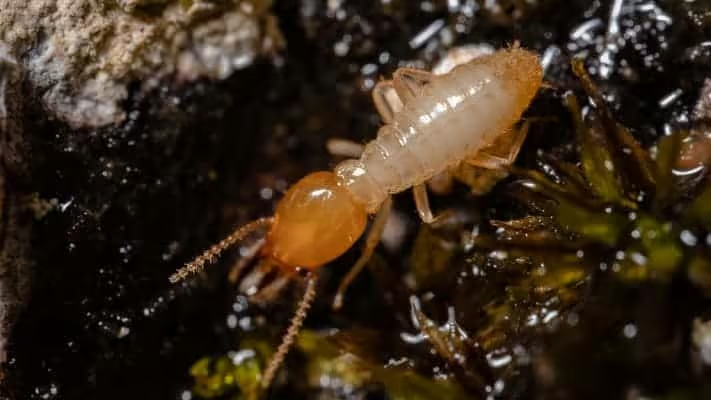
Termites
Termites are wood-destroying insects that feed silently within structures, causing costly damage that often goes unnoticed until it is severe.
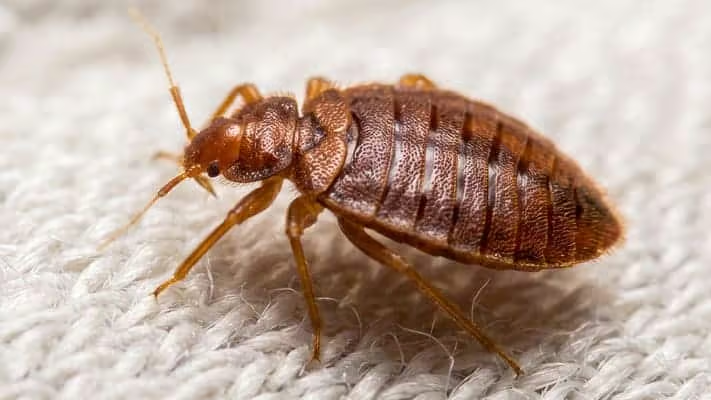
Bed Bugs
Bed bugs are small, blood-feeding insects that hide near sleeping areas and spread easily through luggage, furniture, and shared walls.
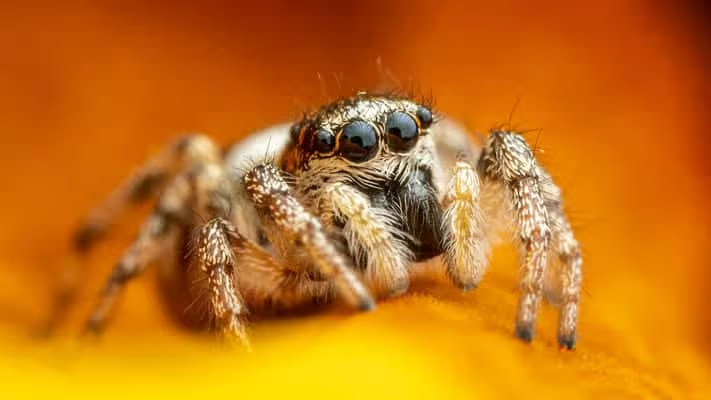
Spiders
Spiders are predatory arachnids that enter homes hunting other insects, and while most are harmless, a few species are medically significant.
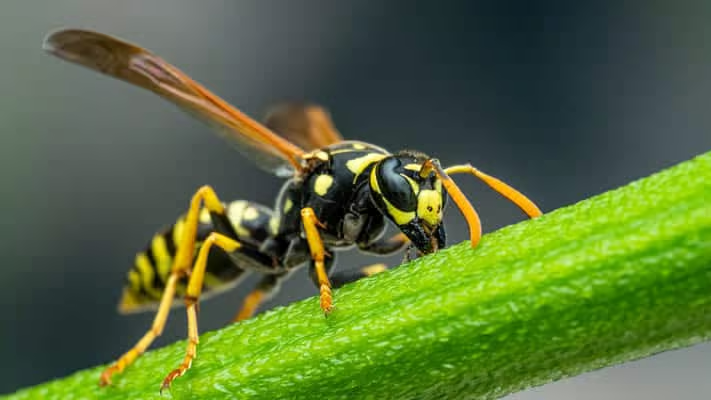
Wasps
Wasps are stinging insects that build paper or mud nests around structures and can become aggressive when a nest is disturbed.
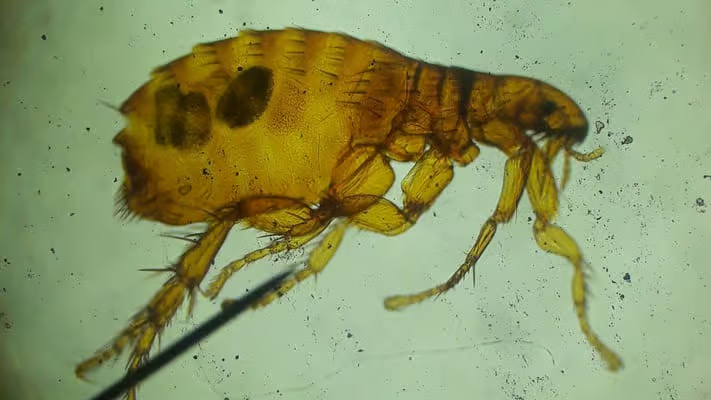
Fleas
Fleas are tiny, jumping, blood-feeding insects that infest pets and homes and can persist long after the source animal is treated.
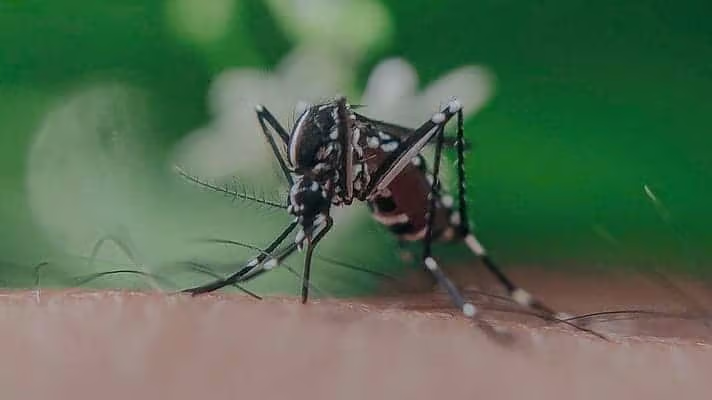
Mosquitoes
Mosquitoes are flying insects that breed in standing water and are a leading vector for disease transmission worldwide.
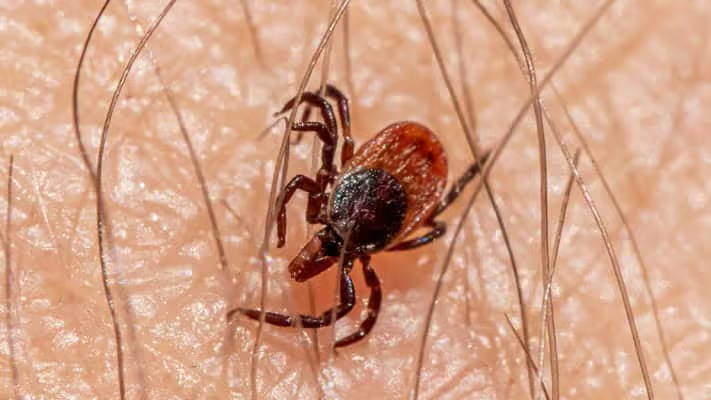
Ticks
Ticks are blood-feeding arachnids found in grass and wooded areas that can transmit serious diseases through their bite.
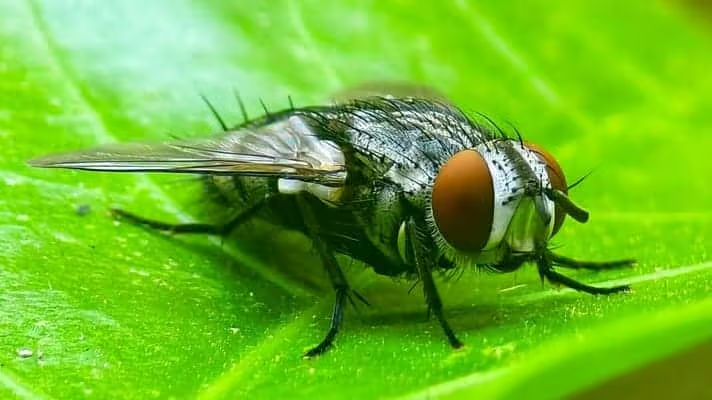
Flies
Flies are fast-breeding insects that spread bacteria as they move between waste, decaying matter, and food surfaces.
Every pest
39 total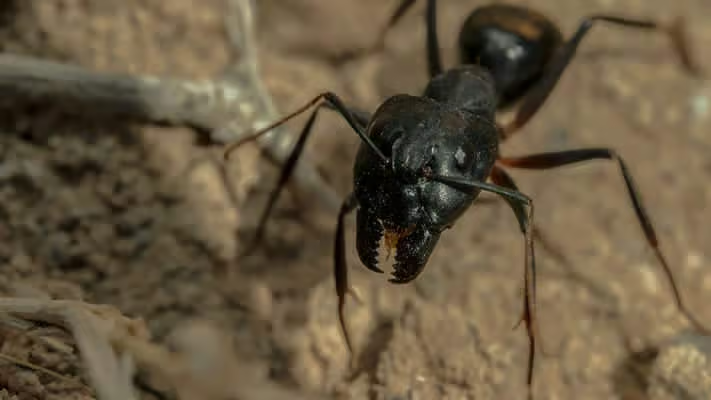
Ants
Ants are social insects that commonly enter homes in search of food, moisture, and shelter.
Bats
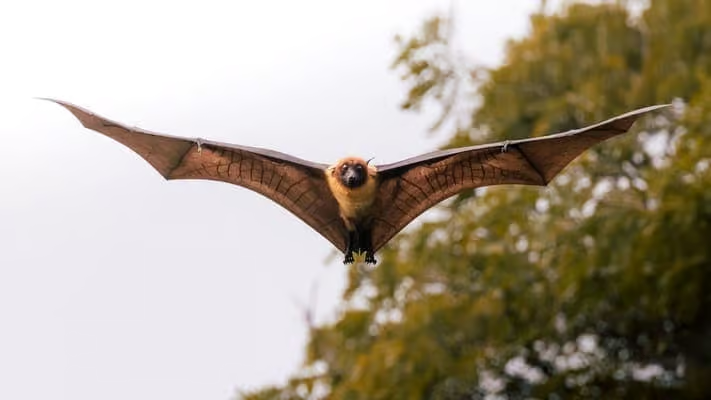
Bats are flying mammals that roost in attics, eaves, and wall voids, leaving behind guano that poses a real respiratory health risk.
Bed Bugs
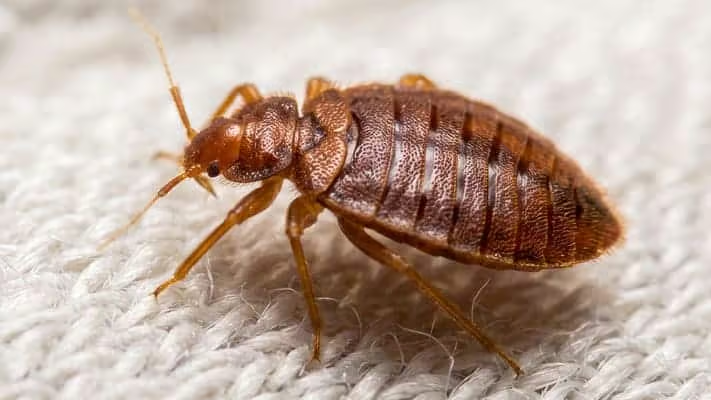
Bed bugs are small, blood-feeding insects that hide near sleeping areas and spread easily through luggage, furniture, and shared walls.
Bees
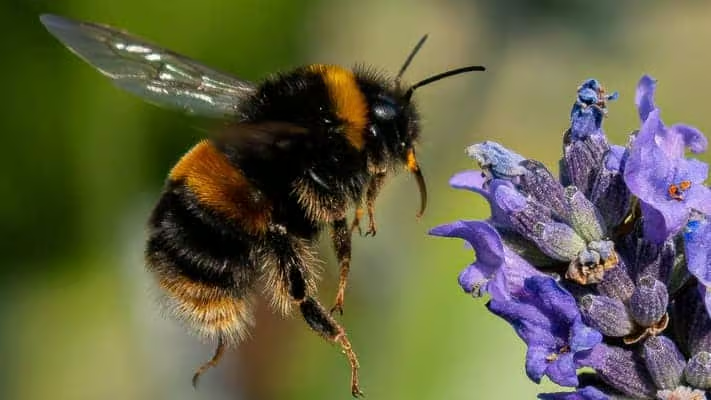
Bees are pollinating insects that occasionally nest in structures and can sting when their colony is threatened.
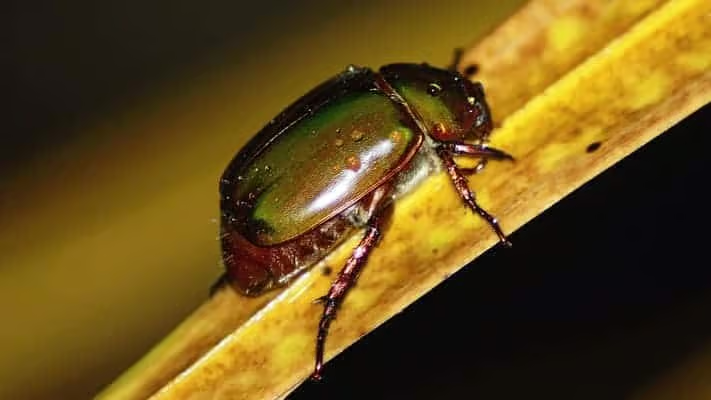
Beetles
Beetles are a large, varied group of insects, and the species that invade homes range from harmless nuisance pests to fabric and pantry destroyers.
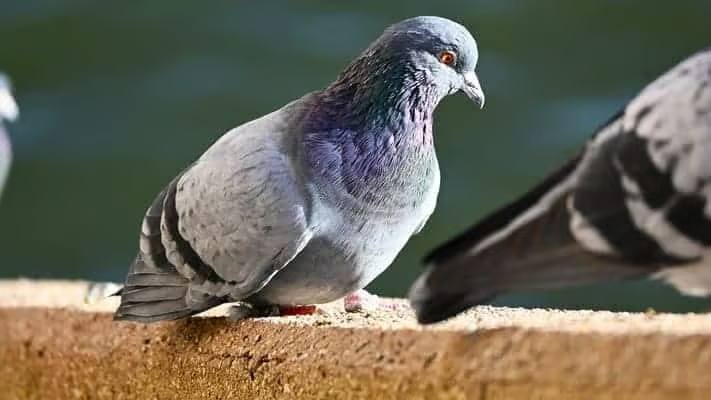
Birds
Nuisance birds such as pigeons, sparrows, and starlings roost and nest on structures, creating sanitation, safety, and property concerns.
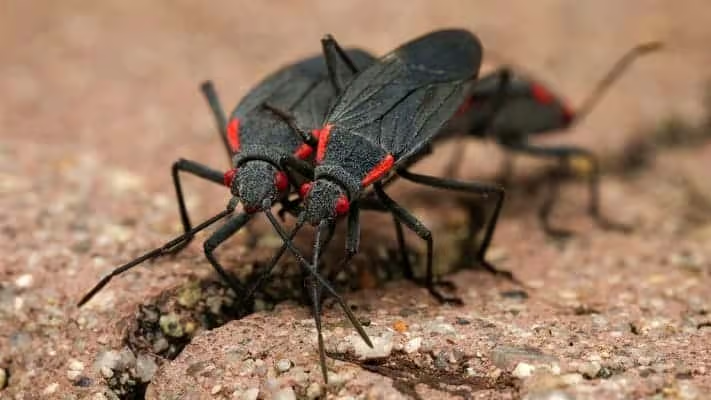
Boxelder Bugs
Boxelder bugs are seed-feeding insects that gather in large numbers on sunny walls and often invade homes seeking winter shelter.
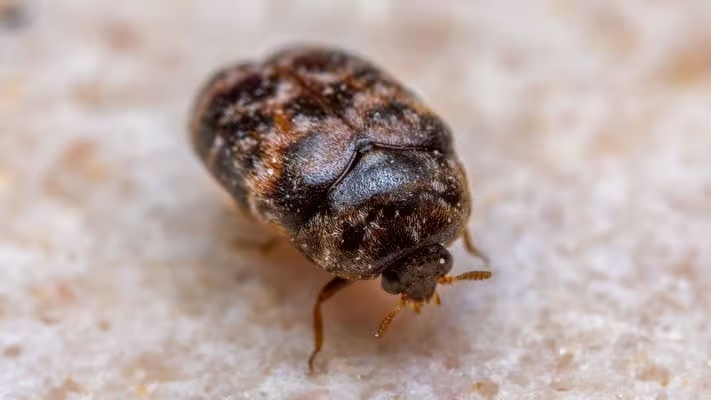
Carpet Beetles
Carpet beetles are small insects whose larvae feed on natural fibers, damaging carpets, clothing, and stored fabrics.
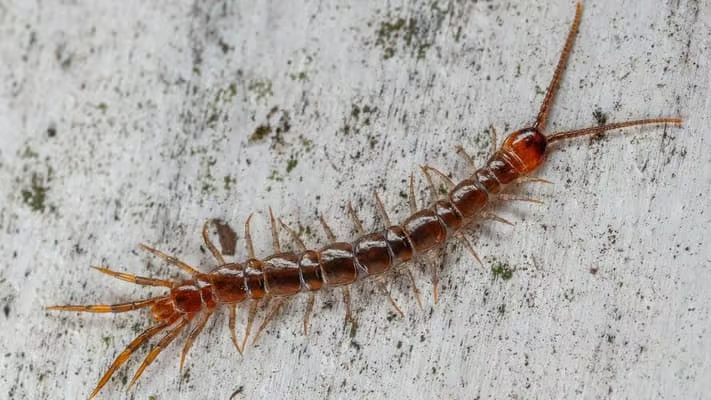
Centipedes
Centipedes are fast-moving, many-legged predators that enter homes hunting other insects and prefer damp, dark conditions.
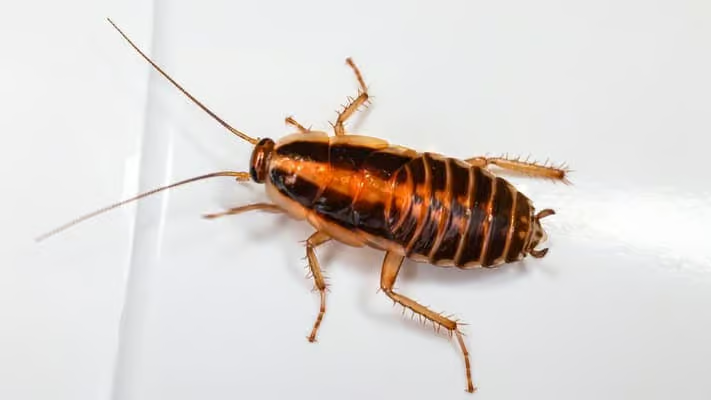
Cockroaches
Cockroaches are resilient, fast-moving insects that invade homes seeking food, warmth, and moisture, and are strongly linked to allergens and disease.
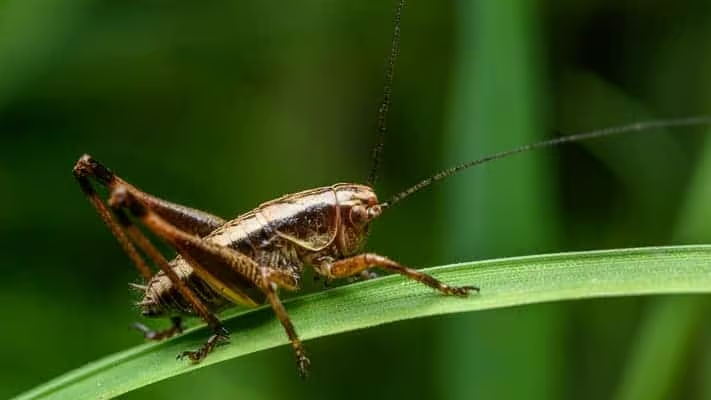
Crickets
Crickets are jumping insects known for their chirping song that occasionally invade homes and can damage fabrics in large numbers.
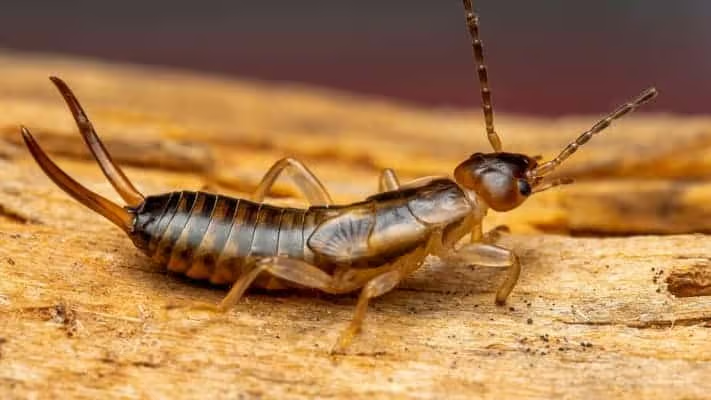
Earwigs
Earwigs are nocturnal insects known for the pincer-like appendages on their abdomen and a preference for damp, dark hiding spots.
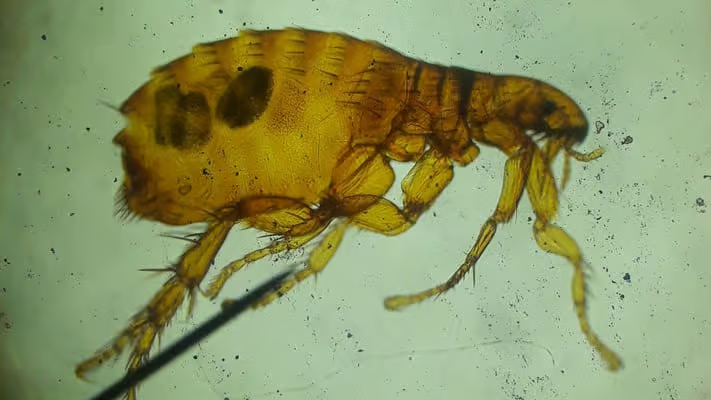
Fleas
Fleas are tiny, jumping, blood-feeding insects that infest pets and homes and can persist long after the source animal is treated.
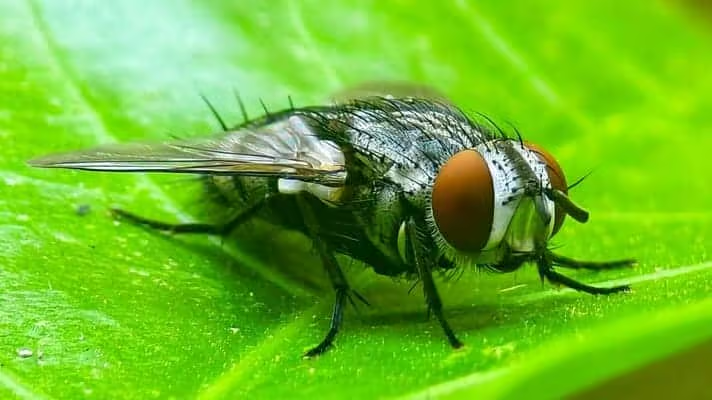
Flies
Flies are fast-breeding insects that spread bacteria as they move between waste, decaying matter, and food surfaces.
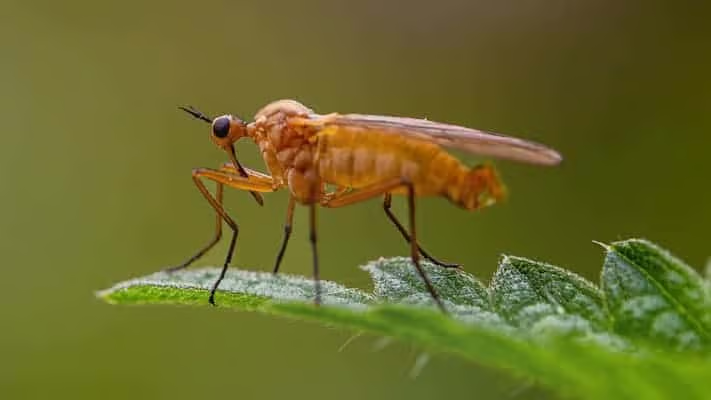
Gnats
Gnats are tiny flying insects often associated with overwatered houseplants, drains, or decaying organic matter indoors.
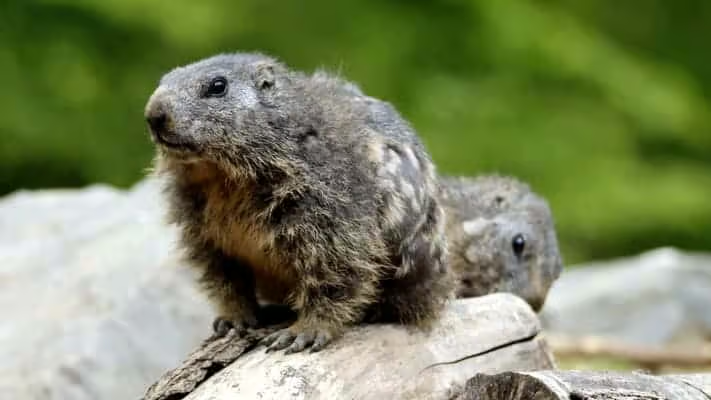
Groundhogs
Groundhogs (woodchucks) dig extensive burrow systems near foundations and gardens, undermining structures and devouring vegetable beds.
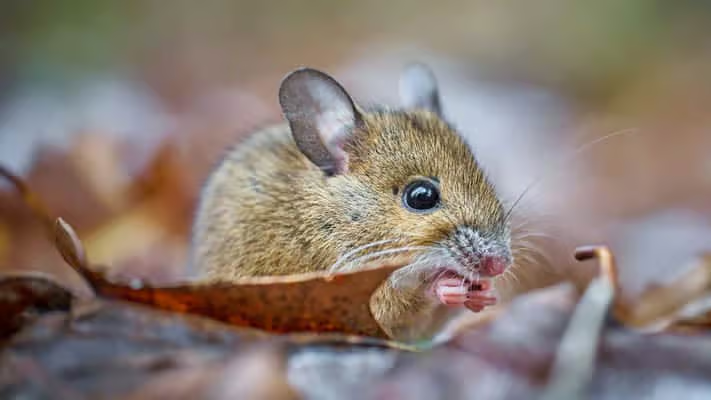
Mice
Mice are small rodents that squeeze through tiny gaps to nest indoors, contaminating food and gnawing on wiring and structural materials.
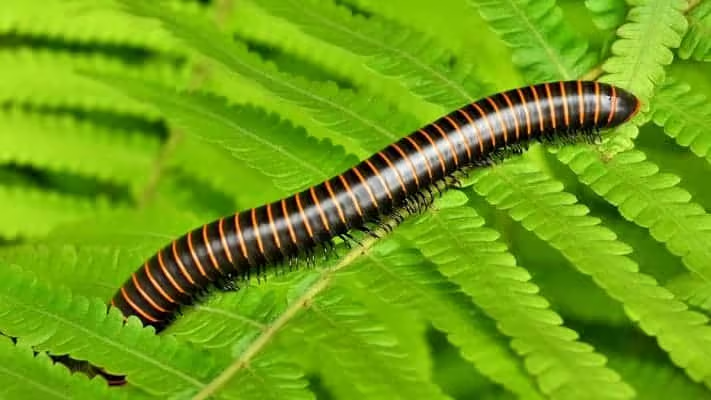
Millipedes
Millipedes are slow-moving, many-legged arthropods that thrive in damp outdoor debris and occasionally wander indoors in large numbers.
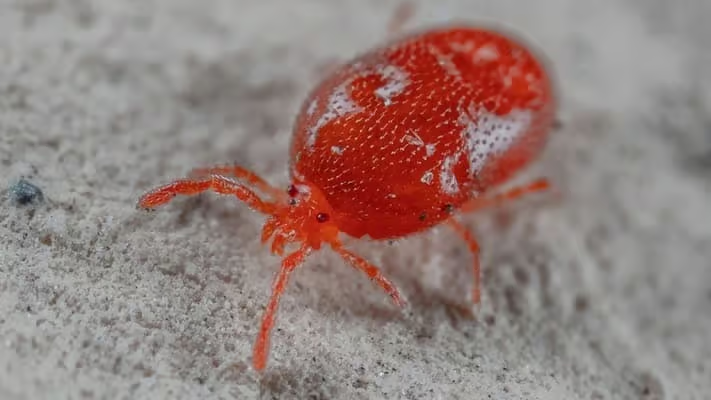
Mites
Mites are microscopic arachnids that can infest stored food, bird or rodent nests, or bedding, sometimes causing skin irritation.
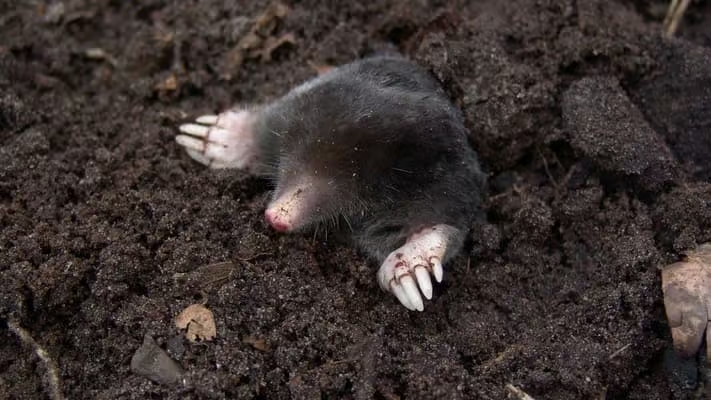
Moles
Moles are burrowing mammals that tunnel through lawns in search of earthworms and grubs, leaving raised ridges and damaged turf behind.
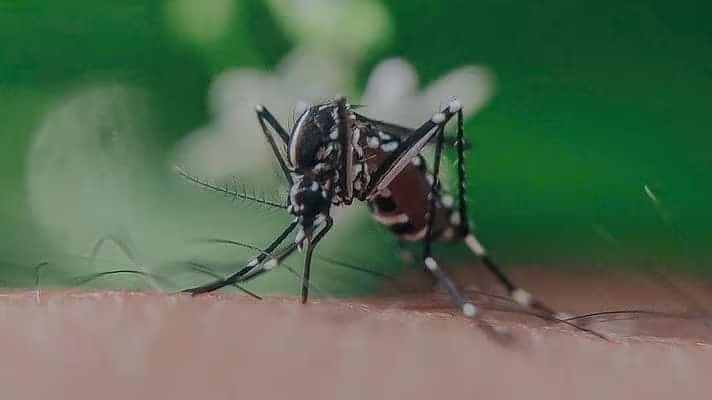
Mosquitoes
Mosquitoes are flying insects that breed in standing water and are a leading vector for disease transmission worldwide.
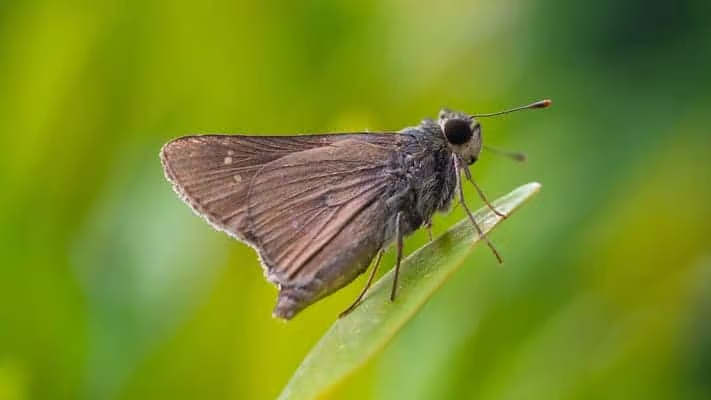
Moths
Moths that infest homes fall into two problem categories: pantry moths that ruin stored food and fabric moths that damage natural fibers.
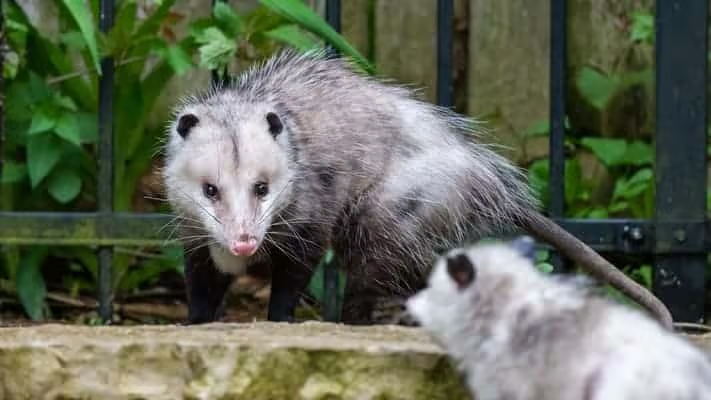
Opossums
Opossums are nocturnal marsupials that forage in yards and occasionally den under structures or in attics.
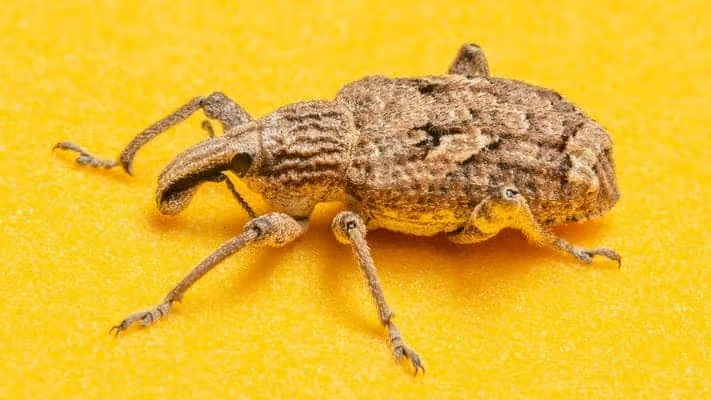
Pantry Pests
Pantry pests are insects such as weevils, beetles, and moths that infest dry stored food and can spread between packages.
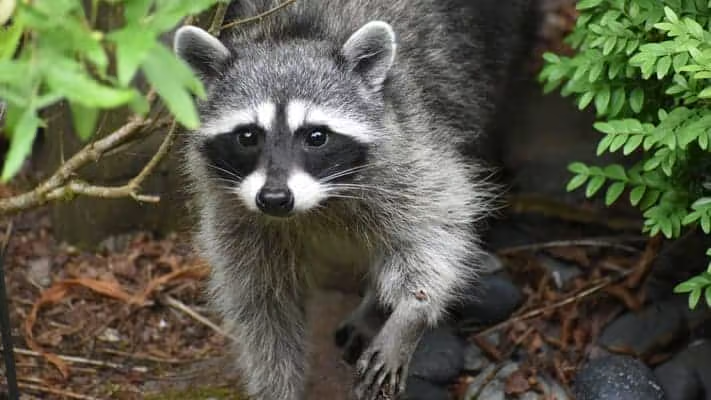
Raccoons
Raccoons are intelligent, dexterous mammals that raid trash and gardens and frequently den in attics or chimneys.
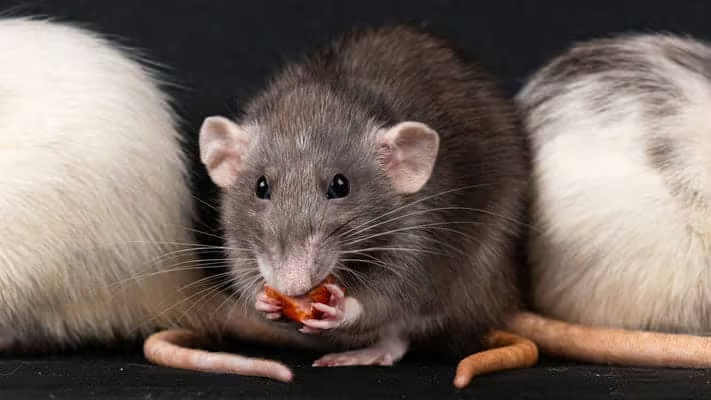
Rats
Rats are large rodents that gnaw through structures and wiring while spreading disease through droppings, urine, and contact.
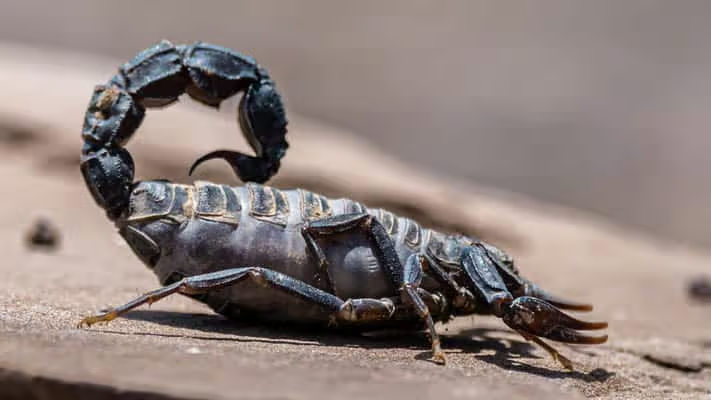
Scorpions
Scorpions are nocturnal arachnids found mainly in warmer, drier regions that deliver a painful and occasionally medically significant sting.
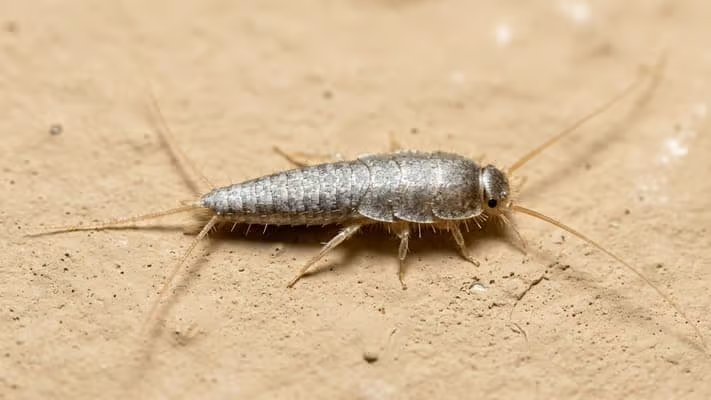
Silverfish
Silverfish are wingless, fast-moving insects that thrive in humid areas and feed on starches, paper, and fabric.
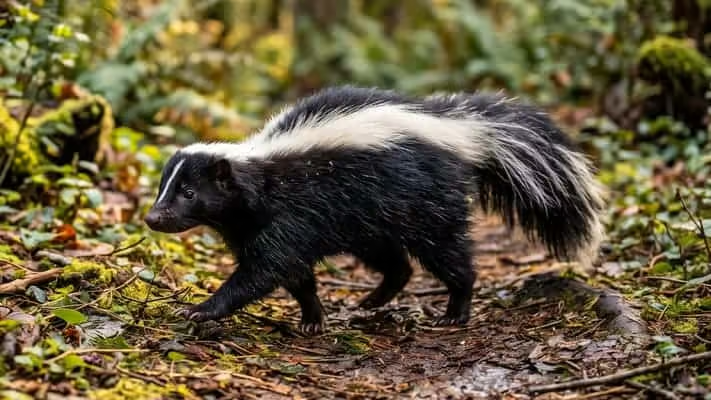
Skunks
Skunks are nocturnal mammals known for their potent defensive spray that often den beneath structures and dig in lawns for grubs.
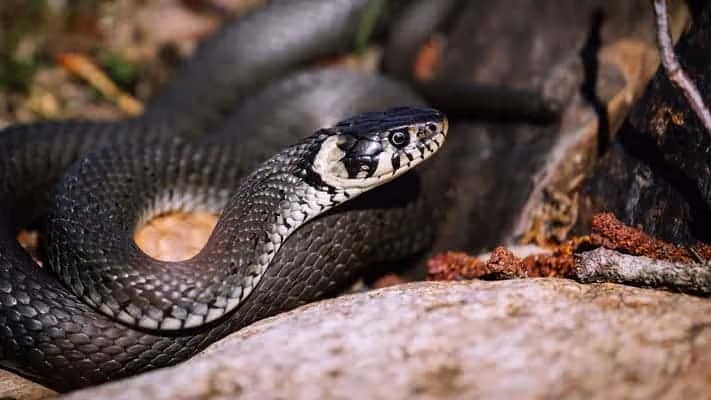
Snakes
Snakes are reptiles that enter yards and structures while hunting rodents and insects, and while most species are harmless, some are venomous.
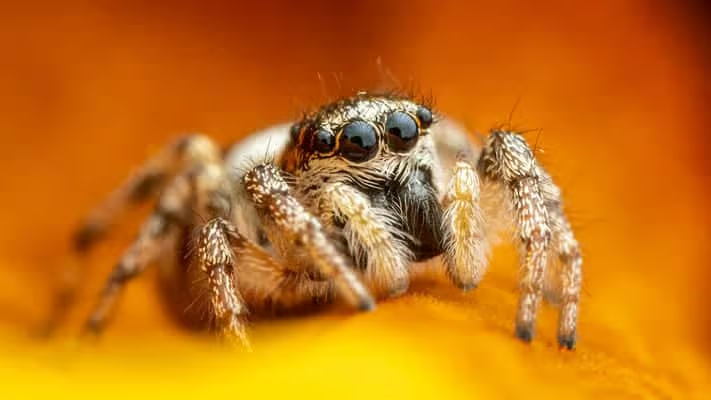
Spiders
Spiders are predatory arachnids that enter homes hunting other insects, and while most are harmless, a few species are medically significant.
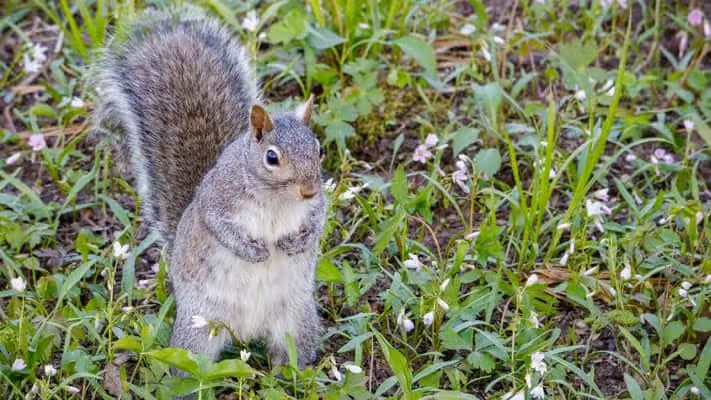
Squirrels
Squirrels are agile rodents that nest in attics and chew on wood and wiring, creating fire and structural risks.
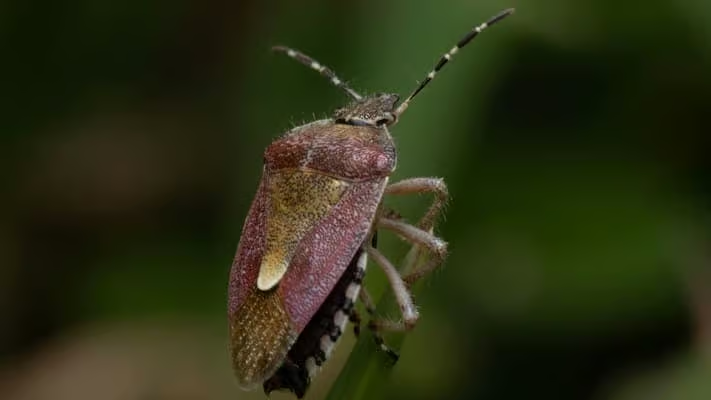
Stink Bugs
Stink bugs are shield-shaped insects known for the unpleasant odor they release when disturbed and their habit of gathering indoors in fall.
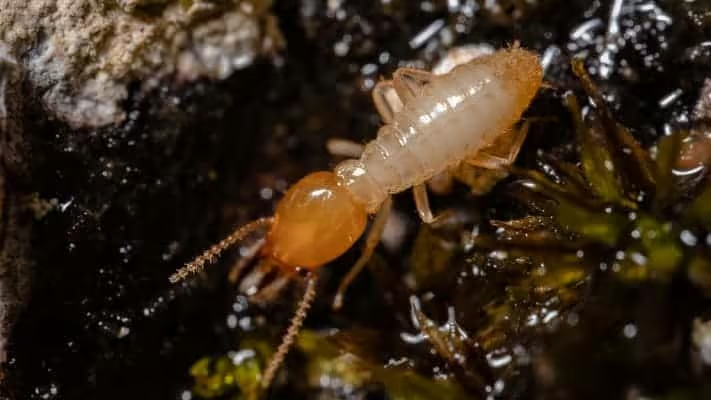
Termites
Termites are wood-destroying insects that feed silently within structures, causing costly damage that often goes unnoticed until it is severe.
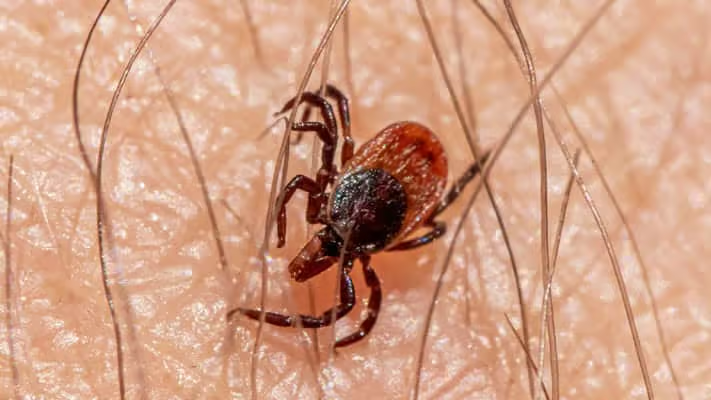
Ticks
Ticks are blood-feeding arachnids found in grass and wooded areas that can transmit serious diseases through their bite.
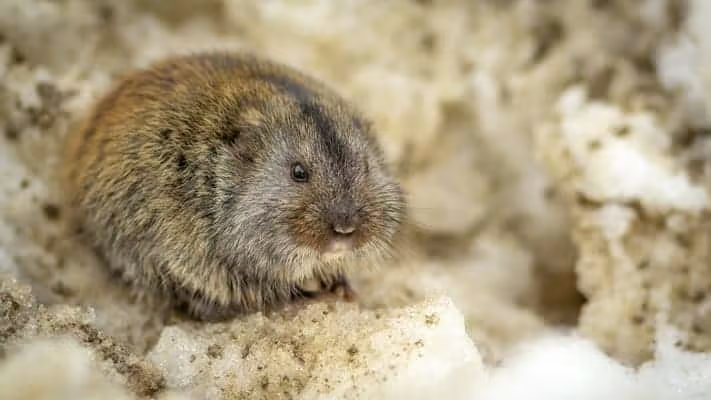
Voles
Voles are small, mouse-like rodents that create surface runways in lawns and gardens and feed on roots, bulbs, and bark.
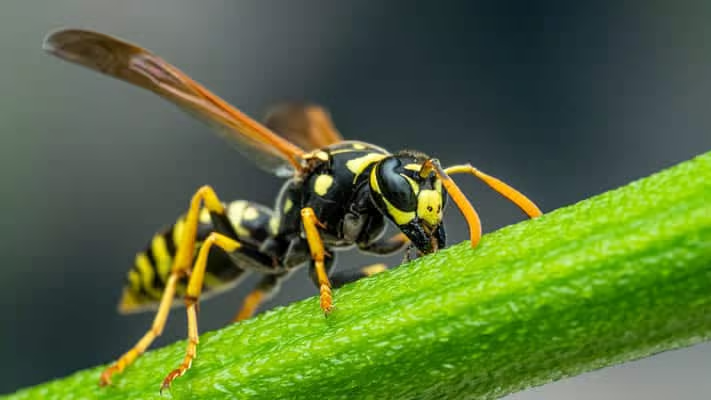
Wasps
Wasps are stinging insects that build paper or mud nests around structures and can become aggressive when a nest is disturbed.

Wildlife
"Wildlife" covers a range of nuisance animals beyond common rodents that den in or around structures and cause property, sanitation, and safety concerns.
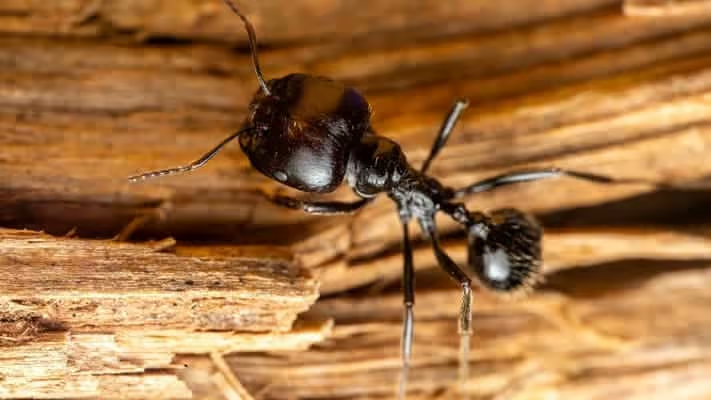
Wood-Boring Insects
Wood-boring insects such as carpenter ants, carpenter bees, and powderpost beetles tunnel through wood, weakening structures and furniture over time.
Not sure what pest this is?
You don’t need to know the exact species. Start with your ZIP code and we’ll ask a few quick questions to match you with local companies that can identify and treat it.