
How to Get Rid of Bees in Your Home: A Complete Treatment Guide
Bees occupy a different category from most household pests. Honeybees and many other bees are essential pollinators; killing a colony should never be the default first response when live removal or relocation is possible. At the same time, a colony nesting in a wall void, chimney, soffit, or hollow tree next to a doorway can create real sting risk—especially for children, pets, and anyone with bee-sting allergies. If you are searching for how to get rid of bees in your home, you need a plan that balances safety, structure protection, and pollinator responsibility.
This guide is written from a practical treatment perspective—the same framework careful pest control companies and bee removal specialists use when evaluating a bee problem. You will learn how bees typically establish nests in and on structures, what light homeowner steps are reasonable for minor activity, which treatment methods apply to social colonies versus solitary carpenter bees, what often goes wrong with DIY sprays and sealed-up entry holes, and when it is smarter to bring in a licensed technician or beekeeper. You will also see what a Pest Control Company bee service looks like from inspection through comb removal and exclusion, how to choose a good provider, and how to prevent re-nesting after the crisis is over.
Use this page as a decision guide. If you see occasional foraging bees on flowers far from the house, leave them alone—they are not a structural pest. If bees are streaming into a wall gap, buzzing inside a void, or boring round holes into wood, treat this guide as your bridge to Pest Control Company help—and to platforms like Pest Direct that connect homeowners with local companies experienced in bee-sensitive service. Carpenter bees, honeybees, and bumblebees are not the same problem; correct identification drives whether the answer is relocation, careful void treatment, or wood protection and exclusion.
How Bees May Have Gotten Into Your Home
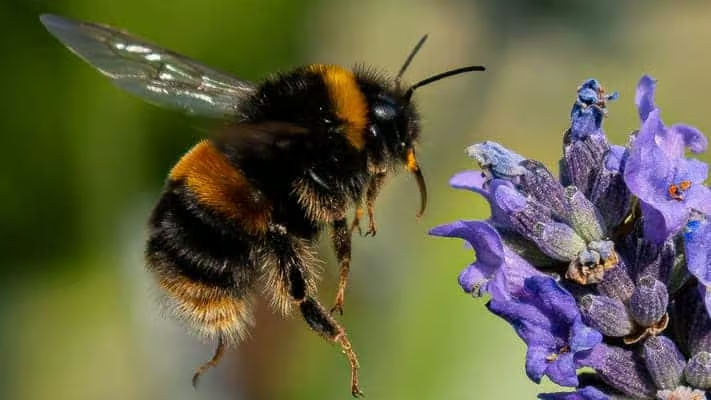
Bees do not “invade” kitchens the way ants or cockroaches do. Problems usually start when a colony or solitary female finds a suitable nesting cavity on or inside the structure. Honeybees may scout wall voids, chimneys, attics, and hollow trees; once a swarm moves in, workers build comb and raise brood. An established colony can produce a significant amount of honeycomb that later attracts other pests and creates odor problems if bees die and honey ferments inside the wall. Bumblebees may nest in abandoned rodent burrows, compost, insulation, or low voids. Carpenter bees are solitary wood-borers: females chew neat, round tunnels into eaves, fascia, decks, and unpainted wood, then provision cells with pollen for larvae. They resemble bumblebees but have a shiny, hairless abdomen, whereas bumblebees are densely fuzzy end-to-end.
Entry and nesting sites include gaps in siding, unscreened soffit vents, damaged chimney caps, weep holes that were never pest-proofed, openings around utility lines, and soft or weathered wood. Landscaping that provides abundant forage near the house increases traffic, but the critical factor for structural problems is accessible voids and untreated wood. Seasonal patterns matter: spring swarming season is when honeybee colonies split and look for new homes; carpenter bee activity often peaks in warm months when females excavate tunnels in sunny wooden surfaces.
People often create secondary problems by sealing an active entrance without removing the colony. Bees trapped inside may chew new exits into living spaces, or the colony dies and leaves honey and comb that stains drywall and draws ants, beetles, and rodents. Understanding how bees arrived is not academic—it tells you whether you need a beekeeper for live honeybee removal, a structural pest pro for void work and comb extraction, or a carpenter-bee program focused on wood treatment and exclusion rather than colony extermination.
How to Treat a Bee Problem in Your Home
Effective bee treatment starts with identification and risk assessment, not a can of spray. Social honeybee colonies in structures are often best handled with live removal and relocation when a qualified person can access the nest and move the bees humanely. Comb and honey must be removed and the void cleaned and sealed, or secondary infestations and stains follow. Carpenter bees require a different approach: treating galleries, protecting wood, and excluding future boring rather than “eradicating a hive.” Bumblebee nests near high-traffic doors may need careful Pest Control Company handling with timing that respects colony biology when possible.
A few bees on blossoms are not a treatment job. Bees entering a wall at a steady rate, loud buzzing in a bedroom wall, honeycomb staining, or rows of round holes in a fascia board are. Match the method to the species and the structure. Below is how to approach light DIY situations, the main treatment methods used in residential bee work, and the failure modes that turn a manageable nest into a ruined wall cavity.
Treating Light Bee Problems Yourself
If you only see bees on flowers, flowering trees, or a distant fence post, the correct DIY step is usually observation and coexistence. Do not spray blooming plants with broad insecticides; you harm pollinators and often violate product labels and local expectations. If a single carpenter bee is drilling a deck rail and activity is brand new, some homeowners dust labeled dust insecticides into the hole at dusk when bees are less active, then plug the hole later with wood filler or a dowel after activity stops—always following the product label and wearing protection. Painting or sealing unfinished wood can deter future boring once current galleries are addressed.
For honeybees, light DIY has a hard limit. Do not plug an active hive entrance. Do not fog a wall cavity. Do not attempt to vacuum a large colony unless you are trained; stings, structural mess, and incomplete removal are common outcomes. You can reduce attractants near doors by relocating hummingbird feeders and open sweet drinks during peak activity, keep children and pets away from flight paths, and document entrance points with photos for a Pest Control Company. If someone is allergic to bee stings, treat any nesting on the structure as an urgent Pest Control Company matter rather than a weekend project.
If activity is limited to one or two carpenter bee holes, stays small, and stops after careful labeled treatment and sealing, you may resolve a light wood-borer issue without a full service call. If bees stream into a wall or roof void, if buzzing continues after you thought the problem was gone, if honeycomb odor or staining appears, or if stinging incidents occur near doors and play areas, escalate immediately to Pest Control Companies who understand pollinator-sensitive options.
What Can Go Wrong If Bee Problems Are Handled Poorly
The most frequent DIY failure is spraying a honeybee colony in a wall and sealing the hole. Bees may force new exits into living spaces, or the colony dies and honey ferments, staining drywall and attracting ants and scavenger insects. Another failure mode is misidentification: treating honeybees like yellowjackets, or ignoring carpenter bee damage because “they are just bees on the porch.”
Unnecessary killing of pollinators damages local ecosystems and is increasingly unacceptable to communities and many service companies. Overusing consumer foggers near eaves can scatter aggressive defensive behavior without removing comb. Incomplete carpenter bee work—killing a few adults but leaving unfinished wood and open galleries—invites re-infestation the next season. Delays also have costs: larger comb masses are harder to remove, more wood is bored, and sting exposure near doorways rises as traffic increases.
Allergic reactions make bee problems a medical safety issue, not only a property issue. Attempting heroic DIY removal without protective equipment is a common emergency-room path. Multi-unit buildings add complexity when a colony sits in a shared wall. The longer a structural colony is left untreated without a proper plan, the more invasive the eventual repair becomes.
Treatment methods
The approaches a technician chooses between for bees, and what each one is good at.
- Species identification and risk assessment
- Honeybees, bumblebees, carpenter bees, and wasps (often misidentified as bees) require different strategies. Identification looks at body hair, abdomen sheen, nest style, and flight behavior. Risk assessment includes allergy history, nest location relative to doors and bedrooms, and whether comb is inside a finished wall. Skipping identification is the most common reason homeowners spray the wrong insect, kill pollinators unnecessarily, or leave comb to rot in place.
- Live removal and relocation (honeybees)
- When possible, honeybee colonies are cut out or trapped out and relocated by beekeepers or specialized removal services. Live removal protects pollinators and can preserve a productive colony. Access may require opening walls or ceilings carefully. Relocation is preferred over extermination whenever safe and practical. Not every situation allows live removal—extreme access limits, emergency allergy risk, or Africanized honeybee concerns in some regions may change options—but preference should always be discussed openly.
- Comb removal, void cleanup, and repair
- After bees are removed or treated, residual comb and honey must be taken out of structural voids. Leaving comb invites secondary pests, moldy odors, and staining. Pest Control Companies clean the cavity, allow drying, and coordinate repairs so the wall is sealed correctly. This step is as important as removing the living bees.
- Carpenter bee gallery treatment and wood protection
- Carpenter bees are solitary and do not build honeybee-style hives. Treatment targets tunnels with appropriate dusts or residuals labeled for the use site, then sealing holes and finishing bare wood with paint or sealant. Preventative treatments on eaves and decks reduce re-drilling. Cosmetic and structural wood damage accumulates if galleries are ignored year after year.
- Targeted nest treatment when relocation is not possible
- When live removal cannot be done safely, technicians may use directed treatments on nest sites with careful attention to label directions, non-target exposure, and timing. Broadcast spraying flowering landscapes is not appropriate bee control. The goal is localized nest resolution, not landscape-wide insecticide use.
- Exclusion and structural prevention
- Long-term success means sealing gaps in siding, eaves, chimneys, and utility penetrations; screening vents; capping chimneys; and finishing exposed wood. Exclusion done after removal—never trapping a live honeybee colony inside without a plan—keeps the next swarm or carpenter bee from reusing the same opening. Integrated follow-up checks that flight activity has stopped and repairs have held.
When You Should Call a Pest Control Company for Bees
Call a Pest Control Company when bees are entering a wall, soffit, chimney, or attic void; when you hear sustained buzzing inside finished spaces; when you see honeycomb, staining, or leaking honey; or when carpenter bees have riddled fascia, decks, or playground structures. Call immediately if anyone in the household has a known bee-sting allergy, if stings have already occurred near the nest, or if a swarm has clustered on the home—swarm situations often need prompt specialized response.
You should also call for help if you cannot tell bees from wasps, if nests are high or behind finished surfaces, or if a previous DIY attempt sealed an entrance and activity continues. Pest Control Companies and bee removal specialists are not only for “huge” hives; they are for any structural nesting where wrong action creates bigger damage. A same-week inspection can prevent wall demolition later and can prioritize live relocation when honeybees are involved.
If you are unsure whether activity is honeybees, bumblebees, carpenter bees, or yellowjackets, do not wait and do not spray first. Misidentification leads to the wrong method and sometimes illegal or unnecessary harm to protected or beneficial insects. A trained technician can confirm the insect, explain pollinator-sensitive options, and recommend a plan sized to your structure and risk level.
Why a Pest Control Company Is Often Better Than DIY Alone for Bees
Pest Control Companies bring three advantages homeowners rarely match: correct identification, pollinator-aware method selection, and structural cleanup skill. Knowing whether you have honeybees versus carpenter bees changes everything—from who should be called (beekeeper partnership vs. wood-pest protocol) to whether comb extraction is required. Technicians also understand building assemblies: how to open a void, remove comb, and seal so the problem does not return.
DIY retail sprays can kill visible insects but rarely solve wall colonies cleanly and often create the sealed-hive disaster. Homeowners lack protective gear, lift access, and repair workflows. Pros coordinate live removal when possible, use directed products only when necessary, and document exclusion steps. They also know local regulations and best practices around bees—knowledge that casual product labels do not teach.
There is also a safety and ethics calculation. Bee stings can be life-threatening for allergic individuals. Pollinator decline makes indiscriminate killing a last resort. A structured service plan converts fear into a sequence: identify, choose live removal if feasible, clean the structure, exclude, and verify. For many households, that combination of safety, responsibility, and lasting repair is the real product. Pest Control Company service is not about “hating bees”; it is about resolving a nest conflict with the least harm and the most durable structural outcome.
What the Pest Control Company Treatment Process Looks Like for Bees
While companies vary, high-quality residential bee service follows a careful arc that prioritizes identification and, for honeybees, relocation options. Understanding the process helps you evaluate quotes and avoid one-visit “spray and pray” jobs that leave comb in the wall. Here is the typical sequence from first call to lasting resolution.
Inspection and identification
A technician interviews you about flight paths, stings, and noises, then inspects eaves, siding gaps, chimneys, attics, decks, and wood surfaces. They distinguish honeybees, bumblebees, carpenter bees, and wasps, and assess whether comb is inside a void. Photos and flight observations help when activity is intermittent.
Treatment plan and prep guidance
You receive a plan that may include live removal coordination, cut-out timing, carpenter bee gallery treatment, comb extraction, and repair or exclusion notes. Prep might mean clearing access to the work area, keeping people and pets indoors during active work, and arranging for a contractor if drywall must be opened. Clear communication about pollinator options is a sign of a careful company.
Initial removal or treatment
For honeybees, specialists may perform live removal or, when necessary, targeted nest treatment. For carpenter bees, galleries are treated and later sealed. Good crews explain safety zones during work and what you should expect for residual flight activity as remaining insects dissipate.
Comb cleanup, sealing, and follow-up
Comb and honey are removed from structural voids when present; cavities are cleaned and openings sealed after activity has stopped. Follow-up confirms no new flight at old entrances and that repairs held. This is where many DIY attempts fail—bees or pests return to leftover comb and open wood.
Prevention and maintenance options
After resolution, exclusion upgrades, chimney caps, vent screens, and painting or sealing vulnerable wood reduce re-nesting. Seasonal checks of eaves and decks catch carpenter bee damage early. The end state is a sealed, less attractive structure—not a property stripped of all outdoor pollinators.
How to Find a Good Pest Control Company for Bee Control
A good bee service provider is licensed where required, carries insurance, and can explain species-specific options without defaulting to total extermination language. Ask whether they partner with beekeepers for live honeybee removal, whether comb extraction is included, and how they handle carpenter bees versus social colonies. Be cautious of ultra-cheap “spray the eaves” quotes that never discuss identification, comb removal, or exclusion.
Check recent reviews for mentions of communication, careful work around children and pets, and whether the problem stayed solved—including wall odors and reappearance next season. Ask about protective procedures, what you need to do before service, and how callbacks work if flight activity continues. For wall colonies, ask specifically about cut-out experience and repair coordination.
This is also where Pest Direct fits the homeowner journey. After you understand the problem from a guide like this, the next step is not panic spraying—it is connecting with local pest control companies that handle bee and stinging-insect service with modern, responsible methods. Pest Direct helps you move from reading about the problem to getting help: find Pest Control Companies in your area, compare options, and request service without guessing which random search result is legitimate. Use educational guides to know what “good” looks like, then use the platform to hire it.
When you request service, share details that speed diagnosis: exact nest location, photos of the insects and entrance holes, how long activity has lasted, whether anyone is allergic, and whether you have already sprayed or sealed openings. Better intake information produces better quotes and safer results.
How to Keep Bees From Nesting in Your Home Again
Prevention for bees is mostly structural, not about eliminating flowers from your yard. Seal gaps in siding, eaves, and around utilities; repair screens and soffit vents; install chimney caps; and close openings into wall voids after any colony is fully resolved. Paint or seal exposed unfinished wood that attracts carpenter bees—eaves, fascia, deck rails, and play structures. Address small carpenter bee holes early before galleries interconnect and weaken wood.
Avoid sealing active honeybee entrances. Schedule removal first, then exclusion. Keep high-traffic doors clear of dense flowering planters if defensive traffic has been a problem, but remember that landscape blooms are not the enemy—void access is. If you maintain beekeeping nearby or neighbors keep hives, good exclusion still protects your structure while supporting pollinators outdoors.
Think of prevention as making the building a poor nesting box while remaining a pollinator-friendly property at the yard scale. You will still see bees on blossoms in spring and summer; that is normal and beneficial. What you want to prevent is wall cavities and soft wood becoming habitat. Pair exclusion with annual visual checks of sunny wood surfaces and rooflines, and you stay ahead of the next nesting season.
Bees treatment: common questions
What is the safest way to get rid of bees in the house wall?
Contact a Pest Control Company who can identify the species and, for honeybees, discuss live removal and comb extraction. Do not seal an active entrance or fog the wall. Safety for allergic household members should drive urgency.
Should bees be killed or relocated?
Live removal and relocation are preferred for honeybee colonies whenever practical because bees are important pollinators. Carpenter bees are solitary wood-borers and are managed differently through gallery treatment and wood protection rather than hive relocation. Ask your provider to explain options for your specific situation.
How are carpenter bees different from honeybees?
Honeybees are social, live in colonies with comb and honey, and may nest in wall voids. Carpenter bees are solitary, bore round holes in wood, and do not produce honeycomb hives in walls. Carpenter bees often have a shiny abdomen; bumblebees are fuzzy, and honeybees are smaller and more slender than both.
Why is honeycomb removal important after bee treatment?
Left-behind comb and honey can stain walls, ferment, produce odors, and attract ants, beetles, and other pests. Proper cleanup and sealing prevent secondary infestations and structural mess even after living bees are gone.
How long does Pest Control Company bee removal take?
A simple carpenter bee treatment may be completed in a single visit with follow-up sealing. Honeybee cut-outs can take longer depending on access and comb size, and repairs may require a separate trade. Your technician should set expectations after inspection.
Can I plug carpenter bee holes myself?
After activity has stopped and any labeled treatment has been applied as directed, holes can be filled with wood filler, caulk, or dowels and the wood finished. Plugging active occupied tunnels without treatment can trap insects or push them to drill new exits. When in doubt, ask a pro to sequence treatment and repair.
Are bees protected or regulated where I live?
Rules vary by location, and pollinator protection norms increasingly favor non-lethal options for honeybees. Some situations still require careful treatment for safety. A local licensed provider can explain practical options that match both safety needs and responsible practices in your area.
Can Pest Direct help me find bee removal near me?
Yes. Once you understand your bee problem, Pest Direct connects you with local pest control companies that handle residential bee and stinging-insect service. Compare providers and request help without starting from zero.
Hand the bees problem to someone licensed
Compare local pest control companies that treat bees, see what they charge, and get an estimate.