
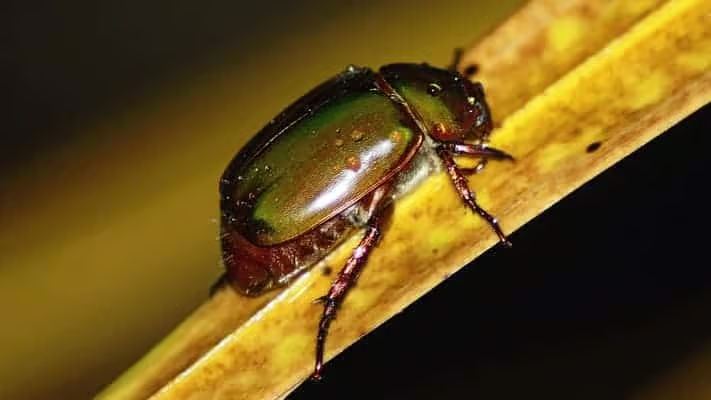
How to Get Rid of Beetles in Your Home: A Complete Treatment Guide
Beetles are one of the largest and most varied insect groups on Earth, and the species that show up in homes are not a single problem with a single fix. Ground beetles may wander in from mulch after rain. Carpet beetle larvae quietly damage wool and stored fabrics. Grain beetles and other pantry pests infest flour, cereals, and pet food. Wood-infesting beetles can signal deeper structural concerns. If you are searching for how to get rid of beetles in your home, the first real task is understanding which kind of beetle you have—and whether you are dealing with an occasional invader or an indoor breeding population.
This guide is written from a practical treatment perspective—the same framework a Pest Control Company company uses when evaluating a beetle problem. You will learn how beetles typically enter homes, what light DIY steps can work for early or incidental activity, which treatment methods actually match fabric pests versus pantry pests versus outdoor invaders, what often goes wrong with random sprays, and when it is smarter to bring in a licensed technician. You will also see what a Pest Control Company beetle service looks like from inspection through follow-up, how to choose a good provider, and how to prevent beetles from returning after the crisis is over.
Use this page as a decision guide. If you found a few hard-shelled beetles on a windowsill after a storm and nothing is damaged in the pantry or closet, exclusion and exterior maintenance may be enough. If you find holes in clothing, larvae skins in carpet edges, beetles in sealed food packages, or recurring indoor populations, treat this guide as your bridge to Pest Control Company help—and to platforms like Pest Direct that connect homeowners with local pest control companies ready to inspect and quote the job.
How Beetles May Have Gotten Into Your Home
Beetle problems start in different places depending on the species. Occasional invaders such as ground beetles, June beetles, and various outdoor species typically live in soil, leaf litter, mulch, gardens, and under stones. They enter through door gaps, torn screens, foundation cracks, and open garage doors—often drawn by exterior lights at night or seeking shelter from weather extremes. These beetles usually do not breed indoors in large numbers; they are accidental guests that become a nuisance when many appear at once.
Fabric-infesting beetles, especially carpet beetles, follow a different path. Adult carpet beetles feed on pollen outdoors and may fly in through windows or hitchhike on cut flowers. Indoors, it is the bristly larvae that cause damage, feeding on wool, fur, feathers, silk, leather, and other animal-based materials in dark, undisturbed areas: under furniture, in closets, along carpet edges, and in stored textiles. Pantry beetles—such as sawtoothed grain beetles, flour beetles, and drugstore beetles—arrive in infested dry goods from stores or warehouses, then spread to nearby packages in cupboards. Wood-boring beetles may emerge from firewood brought indoors or from furniture and structural wood that already contained larvae.
Entry points and conducive conditions multiply risk: exterior lighting that floods doorways, vegetation and mulch against foundations, poorly sealed windows, cluttered storage that hides larval habitat, and open bulk foods. Seasonal surges of outdoor beetles after rains or during warm nights can overwhelm a house that is only lightly sealed. Understanding how beetles arrived is not academic—it tells you whether the fix is perimeter sealing and light management, a deep closet and carpet inspection, a full pantry purge, or specialized wood-pest evaluation.
How to Treat a Beetle Problem in Your Home
Effective beetle treatment is species-driven. Treating a ground beetle the way you treat a pantry infestation wastes time and product. The Pest Control Company mindset is: identify, locate the habitat (outdoor perimeter, fabric cache, food package, or wood), remove or treat that habitat, reduce entry, and verify that new adults are not emerging weeks later.
A few beetles under a porch light are a different job than larvae chewing a wool rug, beetles crawling out of cereal boxes, or exit holes in structural wood. Match intensity to risk. Below is how to approach light DIY control, the main treatment methods used in residential work, and the failure modes that turn a small finding into months of damage.
Treating Light Beetle Problems Yourself
If you have only recently noticed a small number of outdoor-type beetles indoors, start with capture, exclusion, and exterior housekeeping. Vacuum beetles from windowsills and release or dispose of them; they often entered by accident. Seal gaps under doors, repair screens, reduce bright white lights near entrances or switch to less attractive lighting where practical, and pull mulch slightly back from the foundation. These steps often end occasional invader complaints without insecticides.
If you suspect pantry beetles, empty cupboards, discard infested packages in sealed bags, vacuum shelf cracks, wipe residues, and store new dry goods in airtight containers. Freezing suspect flour or grain products for several days can kill insects in items you want to salvage when appropriate. If you suspect carpet beetles, vacuum thoroughly along baseboards, under furniture, and in closets; wash or dry-clean susceptible fabrics; and isolate damaged items. Sticky traps can help monitor adult activity near windows.
Be patient and inspect carefully. Carpet beetle damage is often worse than the few adults you see. Avoid spraying baseboards as your only tactic while leaving infested cereal or a wool sweater full of larvae. If activity is limited, the source is obvious, and monitoring shows decline after sanitation and sealing, you may resolve a light problem without a service call. If beetles reappear in packages after a purge, if fabric damage continues, if you cannot find the source, or if wood damage is involved, escalate.
What Can Go Wrong If Beetle Problems Are Handled Poorly
The most frequent DIY failure is spraying visible beetles while ignoring the habitat. Outdoor invaders keep coming through the same gap. Pantry beetles reinfest neighboring boxes. Carpet beetle larvae continue feeding under a rarely moved dresser. Another failure mode is misidentification: treating beneficial ground beetles like a major infestation, or assuming “little black beetles” in the kitchen are all the same species.
Incomplete pantry cleanouts leave eggs and hiding adults in shelf seams and spice jars. Incomplete closet work leaves a single infested wool item to seed the next generation. Overusing foggers can drive insects deeper without solving sources and may be inappropriate for food areas. Delays with fabric pests are especially costly—damage is cumulative and often discovered only when seasonal clothes come out of storage.
Bringing infested firewood or antiques indoors can introduce wood-borers that emerge weeks later, creating panic and misdirected kitchen treatments. Multi-unit buildings can share pantry pest pressure through adjoining storage. The longer a breeding population continues, the more packages and textiles must be discarded and the more thorough Pest Control Company cleanup becomes.
Treatment methods
The approaches a technician chooses between for beetles, and what each one is good at.
- Species identification and inspection
- Beetles have hardened forewings (elytra) that usually meet in a straight line down the back, but size, color, and habits vary widely. Identification separates occasional invaders from carpet beetles, pantry pests, and wood-borers. Inspection maps windowsills, lights, pantries, closets, carpet edges, attics, and wood. Skipping identification is the most common reason DIY treatments cycle without lasting control—perimeter spray will not fix infested oatmeal.
- Sanitation and source removal
- For pantry pests, discarding infested food, deep-cleaning shelves, and containerizing dry goods are non-negotiable. For fabric pests, cleaning, laundering, and removing lint, pet hair, and forgotten woolens eliminate larval food. For outdoor invaders, reducing harborage at the foundation and fixing moisture and mulch contact reduces pressure. Source removal is the backbone of most successful beetle jobs.
- Targeted interior treatments
- When larvae infest carpets, closets, or voids, technicians may apply targeted residuals or dusts to cracks, edges, and harborage—not broadcast fogging of every room. Pantry programs focus on cracks after food removal. Products are chosen for the site and pest. Homeowners should keep children and pets away from treated zones as labeled.
- Perimeter and exclusion treatments
- Occasional invaders respond well to exterior perimeter applications, door sweeps, weatherstripping, screen repair, and light management. Sealing foundation gaps and utility penetrations reduces seasonal invasions. Exclusion does not kill beetles already indoors but stops the nightly parade that frustrates homeowners every warm week.
- Monitoring and specialized wood evaluation
- Pheromone or sticky monitors help confirm pantry and fabric pest activity levels. Exit holes, frass, or damaged timber may require wood-destroying beetle evaluation distinct from simple nuisance control. Knowing when to call a wood-pest specialist prevents misapplied treatments and missed structural risk.
- Integrated follow-up
- Beetle life cycles mean adults can continue emerging after the original source seems gone. Follow-up inspections, re-cleaning, and verifying empty traps are standard in Pest Control Company programs. A one-time spray with no source work is a common consumer disappointment for fabric and pantry species.
When You Should Call a Pest Control Company for Beetles
Call a Pest Control Company when beetles return after sanitation and exclusion, when you find repeated pantry infestations, when carpet or clothing damage continues, or when you see large numbers of beetles at windows and lights every night despite sealing efforts. Larval skins in closets, holes in woolens, live insects in newly purchased dry goods that keep spreading, or signs of wood damage deserve inspection sooner rather than later.
You should also call for help if you cannot identify the beetle, if anyone has skin irritation possibly linked to carpet beetle hairs, if you manage a rental or food-related space, or if the problem spans multiple rooms and storage zones. Pest Control Companies are not only for dramatic infestations; they are for problems you cannot verify as solved. A same-week inspection can prevent months of discarding food and clothing without a clear plan.
If you are unsure whether activity is carpet beetles, pantry pests, or outdoor invaders—or whether holes in wood are active wood-borers—do not wait. Misidentification delays the right treatment. A trained technician can confirm the insect, explain risk level, and recommend a plan sized to your home.
Why a Pest Control Company Is Often Better Than DIY Alone for Beetles
Pest Control Companies bring three advantages homeowners rarely match: diagnostic skill, method matching, and verification. Species identification changes everything—whether the job is a pantry purge protocol, a fabric-pest vacuum-and-treat program, perimeter exclusion, or wood evaluation. Technicians see patterns: the same bright security light that draws June beetles may also highlight a door sweep failure that admits ground beetles after storms.
DIY products can help with light occasional invaders and simple pantry cleanouts, but labels and limited inspection tools make it hard for homeowners to find larval habitat under baseboards, in attic insulation lint, or in bulk pet food bins. Pros use integrated methods—sanitation coaching plus targeted residuals plus exclusion—instead of a single can of spray. They also know when not to treat, which protects beneficial insects and avoids pointless applications.
There is also a time and property-value calculation. Repeated grocery losses, damaged heirlooms, and nightly beetle cleanup add up. A structured service plan converts uncertainty into a schedule: inspect, treat, follow up, and document results. For many households, that reliability is the real product. Pest Control Company service is not about “giving up”; it is about matching tools to a diverse insect order that includes everything from harmless wanderers to silent destroyers of fabric and food.
What the Pest Control Company Treatment Process Looks Like for Beetles
While companies vary, high-quality residential beetle control follows a predictable arc. Understanding the process helps you evaluate quotes and avoid one-visit mystery sprays with no inspection story. Here is the typical sequence from first call to lasting control.
Inspection and identification
A technician interviews you about where beetles appear, food or fabric damage, and seasonal patterns, then inspects pantries, closets, carpet edges, windows, exterior lights, foundations, and relevant wood. They identify likely species and map sources. Specimens or clear photos help when activity is intermittent.
Treatment plan and prep guidance
You receive a plan that may include pantry discard lists, laundry and vacuuming steps, targeted interior treatments, exterior perimeter work, and exclusion notes. Prep might mean emptying cupboards, clearing closet floors, or moving furniture from walls. Clear prep instructions are a sign of a careful company.
Initial treatment
The technician addresses identified sources, applies targeted products where appropriate, and recommends immediate sanitation corrections. Good techs explain what they are doing in plain language and what emergence of residual adults you might still see over the following days.
Follow-up and adjustment
Because life cycles continue after the first visit, follow-up is common for fabric and pantry pests. The technician reassesses monitors, re-treats if needed, and confirms sources are gone. This is where many DIY attempts fail—there is no second look.
Prevention and maintenance options
After knockdown, sealing, light management, containerized food storage, and routine vacuuming keep pressure low. Seasonal exterior service may help properties with heavy outdoor beetle flights. The end state is fewer entry points and fewer indoor habitats, not only fewer beetles today.
How to Find a Good Pest Control Company for Beetle Control
A good beetle control provider is licensed where required, carries insurance, and can explain their process without hiding behind jargon. Ask what species they suspect, whether they distinguish pantry, fabric, and invader beetles, and whether follow-up is included. Be cautious of ultra-cheap “spray the baseboards” quotes that never discuss sources, sanitation, or exclusion.
Check recent reviews for mentions of communication, punctuality, and whether beetles and damage actually stopped—not only whether the tech was friendly. Ask about pet and child safety practices, what you need to do before service, and how callbacks work if activity continues. For wood-related beetles, ask specifically about wood-destroying insect inspection experience.
This is also where Pest Direct fits the homeowner journey. After you understand the problem from a guide like this, the next step is not endless product aisles—it is connecting with local pest control companies that already service your type of issue. Pest Direct helps you move from reading about the problem to getting help: find Pest Control Companies in your area, compare options, and request service without guessing which random search result is legitimate. Use educational guides to know what “good” looks like, then use the platform to hire it.
When you request service, share details that speed diagnosis: rooms involved, photos of the beetles and any damage, how long activity has lasted, whether food or fabrics are affected, and products you already used. Better intake information produces better quotes and faster results.
How to Keep Beetles From Coming Back
Prevention depends on the beetle type, but core habits help all of them. Seal exterior gaps and weatherstripping, repair screens, and manage exterior lighting that draws night-flying beetles to doors. Store vulnerable dry goods in sealed containers, rotate pantry stock, and avoid buying damaged packages. Keep woolens and natural-fiber textiles clean, stored in sealed bins, and free of long-term pet hair and lint accumulation in hidden areas.
Vacuum regularly along baseboards, under furniture, and in closets. Pull mulch back from siding, reduce excessive landscape litter against the foundation, and fix moisture problems that support outdoor populations. Inspect firewood and secondhand furniture before bringing them into living spaces. If you have had carpet beetles, schedule seasonal closet checks before damage multiplies.
Think of prevention as reducing indoor habitat and outdoor invitation at the same time. You may still see an occasional outdoor beetle indoors after a storm; that is different from a breeding infestation. React to the first pantry sighting or unexplained fabric hole instead of waiting for a drawer full of damage, and you stay ahead of the next cycle.
Beetles treatment: common questions
What is the fastest way to get rid of beetles in the house?
Identify the type first. For occasional invaders, vacuum them up and seal entry points. For pantry beetles, discard infested food and deep-clean shelves. For carpet beetles, vacuum thoroughly and launder or isolate affected fabrics. If activity continues, schedule a Pest Control Company inspection.
Why do beetles keep coming back after I spray them?
Sprays often kill visible adults without removing breeding sources in food, fabric, or outdoor harborage. New beetles continue to enter or emerge. Source removal, exclusion, and species-specific treatment address the problem more reliably.
Do pantry beetles mean my house is dirty?
Not necessarily. Many pantry pests arrive already inside packaged foods from processing or retail. Clutter and open bulk storage can help them spread, but a clean kitchen can still see an introduction. The fix is finding and removing infested goods and sealing storage.
How long does Pest Control Company beetle treatment take to work?
Occasional invader pressure can drop quickly after exclusion and perimeter work. Fabric and pantry pests may require one to several weeks as remaining stages complete development and sources are fully cleared. Follow-up visits are common. Your technician should set expectations after inspection.
Can carpet beetles damage more than carpets?
Yes. Larvae feed on many animal-based materials including wool clothing, felt, fur, feathers, silk, leather, and items soiled with pet hair. Closets and storage boxes are common damage sites even when wall-to-wall carpet looks fine.
How can I tell outdoor beetles from pantry beetles?
Outdoor invaders are often found near doors, windows, and lights and are not concentrated in food packages. Pantry beetles are typically smaller and found in or near dry goods, cupboard corners, and package seams. When unsure, save a specimen for Pest Control Company identification.
Should I throw away all my food if I find beetles?
Discard packages with live insects, webbing, or obvious contamination, and inspect nearby items carefully. Unaffected goods in truly sealed containers may be kept. A Pest Control Company or careful shelf-by-shelf inspection helps avoid both under-discarding and unnecessary waste.
Can Pest Direct help me find beetle control near me?
Yes. Once you understand your beetle problem, Pest Direct connects you with local pest control companies that handle residential beetle service. Compare providers and request help without starting from zero.
Hand the beetles problem to someone licensed
Compare local pest control companies that treat beetles, see what they charge, and get an estimate.