Beetles
Beetles are a large, varied group of insects, and the species that invade homes range from harmless nuisance pests to fabric and pantry destroyers.
How Did I Get Beetles??
Beetles reach homes in several different ways depending on the species. Many occasional invaders—ground beetles, June beetles, and similar outdoor species—wander indoors through gaps under doors, foundation cracks, damaged screens, and utility openings. They are drawn by exterior lights at night or seek shelter when weather turns hot, dry, or stormy. Mulch, leaf litter, and landscape plantings against the foundation give them easy staging areas right next to the house.
Fabric- and pantry-infesting beetles arrive differently. Carpet beetles may fly in through open windows while adults feed on pollen outdoors, or hitchhike on cut flowers, woolens, and secondhand furniture. Grain beetles and similar stored-product species often enter already inside packaged dry goods from the store, then spread to nearby pantry items once larvae hatch.
Because “beetles” covers many unrelated species, the path of entry and the reason they stay are not always the same. Correct identification matters: an occasional invader that only needs exclusion is treated very differently from a fabric pest or a pantry infestation already breeding in dry food.
How to identify beetles
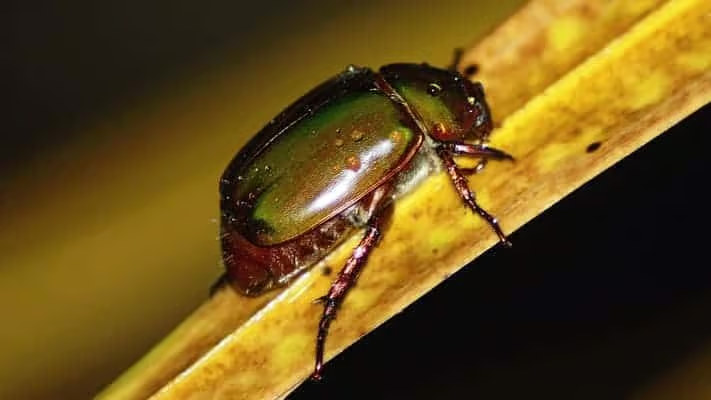
Beetles have a hardened pair of forewings (elytra) that meet in a straight line down the back, distinguishing them from most other insects; size, shape, and color vary widely by species.
Signs of a Beetle Infestation
The most common homeowner complaint is beetles gathered on windowsills, near lamps, or against glass as they try to reach light. Ground beetles and other outdoor species may appear suddenly after rain or cool nights and then scatter through living areas. Finding the same type of beetle repeatedly in the same room usually means an ongoing entry path or a breeding source nearby.
Fabric- and food-related signs look different. Small irregular holes in wool, silk, or stored clothing; shed larval skins along baseboards or in closets; and fine powder or frass near damaged textiles can point to carpet beetles or similar fabric pests. In pantries, look for beetles inside cereal boxes, flour, pet food, birdseed, or spices, along with tiny holes in packaging and clumped or webbed product.
A few outdoor beetles that die near a light fixture are often a nuisance only. Ongoing activity, larvae, damaged goods, or beetles emerging from walls or packaging means you should identify the species and treat the source rather than only sweeping up adults.
Where Do Beetles Hide?
Occasional invader beetles hide in the same cool, dark, protected spots they use outdoors: under mulch, stones, and debris near the foundation; in crawlspaces and garages; and along baseboards, window wells, and door thresholds once they get inside. At night they may climb walls and gather at light sources before retreating to cracks by day.
Fabric-infesting larvae prefer undisturbed dark areas—under rugs and furniture, inside closets and dresser drawers, along carpet edges, and in stored woolens, taxidermy, or natural-fiber upholstery. Pantry species stay inside or near infested dry goods, cracks in shelving, and the seams of cardboard packages where crumbs accumulate.
Because adults and larvae often occupy different places, inspection should cover both living areas and storage zones. A Pest Control Company looks for entry gaps, exterior harborage, fabric damage, and infested food packages that homeowners may overlook in seldom-used cabinets.
Windows
commonWindow frames and sills, common entry points for pests through small gaps and worn seals.
Siding
commonThe exterior wall covering, where gaps or damage can allow pests to enter wall voids.
Garage
occasionalAn attached or detached vehicle storage space that pests can use as an entry point into the home.
Pantry
occasionalA dedicated food storage area where stored-product pests target dry goods and packaged food.
Living Room
occasionalA shared living space with upholstered furniture and carpeting that can harbor fabric and carpet pests.
Why Are Beetles Bad for My Home?
Many beetles that wander indoors are little more than a nuisance—they do not nest in walls or bite people. Even so, large seasonal invasions are stressful, stain surfaces when crushed, and can keep reappearing until lights, entry points, and outdoor harborage are corrected. Homeowners often waste money on broad sprays that do nothing for the actual species involved.
Some beetles cause real property damage. Carpet beetle larvae feed on natural fibers and can ruin clothing, carpets, and heirloom textiles before damage is noticed. Grain and flour beetles contaminate stored food, force disposal of pantry goods, and spread between packages. A smaller set of wood-related beetles can damage structural or finished wood, which is why accurate identification is essential.
Leaving a fabric or pantry problem untreated allows larvae to complete their life cycle and spread. Treating only visible adults rarely ends the issue if eggs, larvae, or a continuous outdoor influx remain unaddressed.
| Concern | Severity | What it means |
|---|---|---|
| Property DamagePrimary | low | General damage pests cause to belongings, storage, or the surrounding property. |
| Nuisance | low | General unwanted presence of pests that disrupts everyday life without a specific health or property impact. |
| Stored Product Contamination | low | Pests infesting packaged or stored dry goods such as grains, cereal, and pet food. |
What beetles put at risk, and how urgent each one is.
How Do I Get Rid of Beetles?
Start by identifying whether you have occasional invaders, fabric pests, or pantry pests. For outdoor invaders, seal gaps under doors and around foundations, repair screens, reduce bright exterior lighting or switch to less-attractive bulbs, and pull mulch and debris away from the house. Vacuum adults and place temporary sticky monitors near problem windows to track activity.
For fabric pests, vacuum thoroughly along baseboards, under furniture, and in closets; launder or dry-clean susceptible items; and store natural-fiber goods in sealed containers. For pantry beetles, discard infested products in sealed bags, clean shelves with a vacuum and soapy cloth, and transfer dry goods into airtight containers. Do not rely on open-air sprays alone when larvae are inside fabrics or food packages.
Persistent, multi-room, or hard-to-identify beetle problems benefit from Pest Control Company inspection. Technicians can match treatment to the species—perimeter exclusion for invaders, crack-and-crevice and sanitation support for fabric pests, or source removal for stored-product beetles—and recommend follow-up so the population does not rebound.
Methods, what a professional visit looks like, and what goes wrong when beetles are treated the wrong way.
When Should I Call a Pest Control Company for Beetles?
Call a Pest Control Company when beetles keep returning despite sealing and sanitation, when you find larvae or damage in clothing and carpets, or when pantry products are repeatedly infested. You should also call if you cannot tell whether the insects are occasional invaders, carpet beetles, grain beetles, or a wood-damaging species—treatment depends on the answer.
Pest Control Companies are especially helpful for heavy seasonal invasions, multi-unit buildings, or activity that seems to originate from voids, attics, or exterior landscaping you cannot easily inspect. Early identification often costs less than months of product purchases aimed at the wrong pest.
A solid service visit includes species identification, source and entry assessment, targeted treatment where appropriate, and practical exclusion and storage recommendations. Ask how long results should take and what prevention steps matter most for your property.
Beetles: common questions
Why are there beetles on my windowsills?
Many outdoor beetles are attracted to lights and then become trapped indoors near glass as they try to escape. Gaps under doors, poor weatherstripping, and foundation cracks give them a path inside. Reducing exterior lighting and sealing entry points usually cuts windowsill activity.
Do all beetles damage fabric or food?
No. Many household beetles are occasional invaders that cause little more than a nuisance. Carpet beetles and some related species damage natural fibers, while grain and flour beetles infest dry food. Correct identification determines whether you need exclusion, fabric treatment, or pantry cleanup.
How do I tell carpet beetles from pantry beetles?
Carpet beetle problems show up as fabric damage, shed larval skins in closets, and fuzzy carrot-shaped larvae near wool or carpet. Pantry beetles appear in or around dry goods, with damaged packaging and contaminated flour, cereal, or pet food. Location of activity is often the best first clue.
Will spraying kill a beetle infestation?
Contact sprays may kill visible adults but often miss larvae inside fabric, food packages, or outdoor harborage. Sanitation, source removal, exclusion, and targeted treatment are more reliable. Broadcast spraying without identification can waste product and leave the real problem untouched.
Can beetles live in my walls?
Some beetles use wall voids, attics, or structural wood as harborage or breeding sites, but many simply pass through while seeking light or shelter. Wood-boring species are a separate concern from ground or pantry beetles. A Pest Control Company inspection helps rule out nesting or wood damage.
What is the fastest way to reduce beetles indoors?
Vacuum adults, seal obvious gaps, reduce night lighting near doors, and inspect fabrics and pantry goods for larvae or contaminated packages. Dispose of infested food and isolate damaged textiles. If activity continues after those steps, schedule an inspection for species-specific treatment.
Get beetles help near you
Search local, licensed pest control companies by ZIP code.
Looking for a specific service? Browse general pest control companies.