
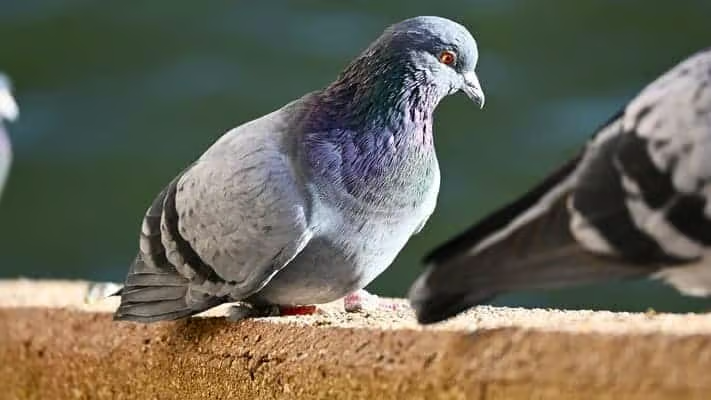
How to Get Rid of Birds in Your Home: A Complete Treatment Guide
Nuisance birds such as pigeons, house sparrows, and starlings adapt readily to buildings. They roost on ledges, nest in eaves and vents, and leave droppings that damage surfaces, create slip hazards, and raise sanitation concerns. Nesting materials clog gutters and vents; noise and debris frustrate households and businesses alike. If you are searching for how to get rid of birds in your home, you are usually dealing with more than a temporary visitor on the fence—you are dealing with a site that birds have learned is safe, elevated, and close to food or shelter.
This guide is written from a practical treatment perspective—the same framework Pest Control Company bird-control and pest companies use when evaluating structural bird problems. You will learn how birds typically claim a building, what light DIY steps can work for early pressure, which exclusion and deterrent methods actually last, what often goes wrong with temporary spikes or illegal harm, and when it is smarter to bring in a licensed specialist. You will also see what a Pest Control Company bird service looks like from inspection through cleanup and system installation, how to choose a good provider, and how to prevent re-roosting after the crisis is over.
Important legal and ethical context: many native bird species are protected. Effective bird control typically relies on exclusion, habitat modification, and deterrence—not poisoning or indiscriminate harm. Use this page as a decision guide. If a single nest is in an unused outdoor planter and birds are not entering the structure, simple removal after fledging (where legal and appropriate) plus sealing may suffice. If droppings cover walkways, birds are inside attic or dryer vents, or commercial ledges host flocks, treat this guide as your bridge to Pest Control Company help—and to platforms like Pest Direct that connect property owners with local companies ready to inspect and quote the job.
How Birds May Have Gotten Into or Onto Your Home
Birds do not need a wide-open front door to become a building problem. Pigeons (rock doves) favor ledges, roof edges, HVAC equipment, signs, and beams that mimic cliff nesting sites. House sparrows and starlings exploit gaps in eaves, soffits, attic vents, dryer and bathroom vents with damaged screens, hanging light fixtures, and dense ivy. Once a pair successfully fledges young at a site, other birds often follow, and droppings and nesting debris accumulate quickly.
Attractants include spilled seed from feeders, open dumpsters, outdoor dining debris, standing water, and architectural features that provide flat ledges with overhead cover. Flat commercial parapets and decorative residential cornices are classic roosts. Interior access happens when birds enter attic spaces through failed vent screens, chimneys without caps, or open warehouse doors—and then cannot easily find their way out, or settle to nest in insulation.
Seasonal pressure matters. Nesting season concentrates activity and noise. Winter roosts of pigeons can create heavy dropping loads on sunny facades. Understanding how birds claimed your structure is not academic—it tells you whether the fix is vent screening, ledge exclusion systems, netting over a courtyard, food-source management, or a full cleanup and disinfection of contaminated areas before re-occupancy of a balcony or entryway.
How to Treat a Bird Problem at Your Home
Effective bird control is exclusion-first. Visible birds are only part of the story; the goal is to make preferred ledges, voids, and vents unusable, remove nests when legally allowed and biologically appropriate, clean hazardous droppings safely, and change site conditions that reward roosting. Pest Control Companies think in systems: identify species, map roost and nest sites, choose physical deterrents rated for the architecture, comply with wildlife rules, and verify that birds relocate rather than simply shift ten feet down the same facade.
A single sparrow in a wreath is a different job than a pigeon flock on a retail canopy, starlings in a dryer vent, or years of guano on a fire escape. Match the intensity of treatment to the intensity of the problem. Below is how to approach light DIY control, the main treatment methods used in residential and light-commercial bird work, and the failure modes that waste money on gadgets that do not last.
Treating Light Bird Problems Yourself
If activity is new and limited, start with simple exclusion and attractant reduction. Remove or relocate bird feeders that spill seed near the foundation. Secure trash lids, clean outdoor eating areas, and trim dense vines that hide nests against siding if nesting there is the issue. Install or repair screens on attic, gable, and dryer vents—choose hardware cloth or purpose-built vent covers that maintain airflow while blocking entry. Add a chimney cap if birds or debris have entered the flue (use a qualified person if you are not comfortable on the roof).
For a single accessible nest in a non-protected situation outside peak legal protections, some homeowners remove nesting material after birds have left and immediately seal the cavity so re-nesting cannot occur. Laws vary widely; when in doubt, leave active nests of protected species alone and call a Pest Control Company. Temporary visual scare devices sometimes move birds briefly but rarely work alone on habituated pigeons.
Do not use poisons, sticky gels applied incorrectly, or inhumane traps that violate local rules. Do not seal birds inside a wall or attic. If pressure is light, vents are secured, and roosting stops after exclusion, you may resolve a small problem without a service call. If droppings continue to pile up, birds reappear on the same ledge within days, nests return every season, or you need work at heights or on complex architecture, escalate.
What Can Go Wrong If Bird Problems Are Handled Poorly
The most frequent DIY failure is installing a short strip of spikes on part of a ledge while leaving adjacent landing zones open—birds simply shuffle sideways. Another failure mode is sealing a vent while birds or nests remain inside, trapping animals and creating odor and sanitation emergencies. Fake owls and ultrasonic gadgets often fail after birds habituate within days.
Illegal or inhumane methods create legal risk and public backlash without solving site attractiveness. Incomplete cleanup leaves acidic droppings to keep damaging surfaces. Delays allow gutters to clog, vents to fail, and large guano deposits to require specialized hazmat-style cleaning. Multi-unit and HOA properties suffer when one balcony is treated and the flock moves to the next.
Structural and health costs rise over time: corroded equipment, stained facades, slip-and-fall risk, and respiratory concern from dried dropping dust during improper cleanup. The longer a roost is established, the more aggressive and complete exclusion must be to break site fidelity.
Treatment methods
The approaches a technician chooses between for birds, and what each one is good at.
- Species identification and site survey
- Pigeons, sparrows, starlings, swallows, and woodpeckers present different legal and technical challenges. Identification and a site survey map ledges, voids, food sources, and droppings zones. Skipping this step leads to buying the wrong deterrent—sparrow-sized netting mesh versus pigeon ledge systems are not interchangeable.
- Physical exclusion (netting, spikes, wires, screens)
- Physical systems are the backbone of lasting bird control. Netting excludes birds from courtyards, loading docks, and open structures. Spikes and post-and-wire systems deny ledge landing. Vent screens and chimney caps block nesting entry. Quality installation matters more than brand names; poor gaps defeat expensive materials within weeks.
- Habitat and food-source modification
- Removing easy food and water reduces site value. That includes feeder management, dumpster enclosures, drainage of standing water, and redesign of architectural features when renovations allow. Habitat modification multiplies the success of physical deterrents.
- Nest removal and entry sealing (when legal and appropriate)
- Inactive nests and nesting debris should be removed and cavities sealed. Timing relative to nesting season and species protection rules is critical. Pest Control Companies track compliance so homeowners do not create legal liability while trying to protect property.
- Dropping cleanup and disinfection
- Accumulated droppings can damage paint, stone, and metal and pose health and slip risks. Safe cleanup uses proper PPE, wetting methods to reduce dust, and disinfection of affected areas. Cleanup often accompanies exclusion so the site does not remain a contaminated roost magnet.
- Monitoring and system maintenance
- Birds test new systems. Follow-up visits adjust netting tension, replace damaged spikes, and reseal openings. One-time installation with no maintenance plan is a common reason bird problems return after a season of wind and weather.
When You Should Call a Pest Control Company for Birds
Call a Pest Control Company when birds are nesting in vents or attics, when droppings accumulate on walkways, vehicles, or HVAC equipment, when flocks return daily to the same ledges, or when DIY screens and spikes have failed. Any work at significant height, on commercial facades, or involving large guano deposits deserves trained crews with proper safety equipment.
You should also call for help if you are unsure which species is present, if protected birds may be nesting, if neighbors share a connected roofline, or if health-sensitive occupants need careful cleanup protocols. Pest Control Companies are not only for huge flocks; they are for problems where wrong methods waste money or create liability. A prompt survey can prevent another nesting season of damage.
If birds are inside living spaces, chimneys, or mechanical rooms, do not wait. Live birds indoors can be stressful and messy; blocked vents can create carbon monoxide or moisture risks depending on the system. A trained technician can identify species, explain legal constraints, and recommend a plan sized to your building.
Why a Pest Control Company Is Often Better Than DIY Alone for Birds
Pest Control Companies bring three advantages property owners rarely match: species and code knowledge, installation quality at height, and integrated cleanup-plus-exclusion workflows. Knowing whether you face pigeons on a parapet or sparrows in a dryer vent changes materials, mesh size, and timing. Technicians also understand how birds exploit tiny installation gaps that defeat homeowner projects.
Retail spikes and scare devices can help tiny, simple sites, but complex roofs, courtyards, and historic facades need engineered layouts. Pros use integrated methods—netting or wires plus food management plus sanitation—instead of a single gadget. They also carry insurance and fall protection for roof work that is dangerous for untrained DIY.
There is also a liability and durability calculation. Improper cleanup of droppings can aerosolize hazardous dust. Failed systems look ugly and train birds to ignore deterrents. A structured service plan converts recurring mess into a project: survey, install, clean, maintain. For many property owners, that reliability is the real product. Pest Control Company service is not about harming wildlife; it is about humanely denying access to structures that were never meant to be cliffs and cavities for urban flocks.
What the Pest Control Company Treatment Process Looks Like for Birds
While companies vary, high-quality bird control follows a predictable arc. Understanding the process helps you evaluate quotes and avoid cheap spikes installed in the wrong places. Here is the typical sequence from first call to lasting control.
Inspection and identification
A technician documents species, roost times, nest sites, droppings load, food sources, and building features. They note access hazards and legal considerations. Photos and diagrams support accurate quotes for netting or ledge systems.
Treatment plan and prep guidance
You receive a plan that may include exclusion systems, vent work, nest removal timing, and cleanup scope. Prep might mean moving vehicles from drop zones, coordinating roof access, or notifying tenants. Clear scopes and warranties are signs of a careful company.
Initial exclusion and cleanup
Crews install physical systems, seal entries, and clean contaminated areas with proper PPE when included. Good teams explain how systems work and what residual bird visits you might see during adjustment periods.
Follow-up and adjustment
Birds test new barriers. Follow-up visits tighten netting, close gaps, and confirm nests have not shifted to untreated zones. This is where many DIY attempts fail—there is no second look after the first weekend project.
Prevention and maintenance options
After success, maintenance plans keep systems intact through weather seasons. Food-source policies and periodic inspections protect the investment. The end state is a building birds skip—not a temporary scare that fades in a month.
How to Find a Good Pest Control Company for Bird Control
A good bird control provider is licensed where required, insured for roof and lift work, and fluent in exclusion methods rather than only lethal options. Ask what species they identified, which physical systems they recommend, whether cleanup is included, and how warranties and maintenance work. Be cautious of ultra-cheap spike-only quotes that ignore adjacent ledges, vents, and food sources.
Check recent reviews for mentions of durable results, cleanliness, and communication—not only friendly technicians. Ask about compliance with bird protection rules, safety practices, and how callbacks work if birds find a gap. For commercial or multi-story properties, ask specifically about netting experience and fall protection.
This is also where Pest Direct fits the homeowner and property-manager journey. After you understand the problem from a guide like this, the next step is not another plastic owl—it is connecting with local companies that install real bird exclusion. Pest Direct helps you move from reading about the problem to getting help: find Pest Control Companies in your area, compare options, and request service without guessing which random search result is legitimate. Use educational guides to know what “good” looks like, then use the platform to hire it.
When you request service, share details that speed diagnosis: photos of birds and droppings, nest locations, building height, how long the problem has lasted, and any prior DIY systems. Better intake information produces better quotes and longer-lasting installations.
How to Keep Birds From Coming Back
Prevention is continuous site management. Keep vents screened, chimneys capped, and eaves sealed. Maintain exclusion systems after storms. Manage feeders and outdoor food waste so your property is not the neighborhood buffet. Design renovations with bird-resistant details—slope ledges, avoid unnecessary flat shelves under cover, and specify screens at the start.
Inspect roofs and balconies seasonally for the first twigs of a new nest. Address small openings before nesting season. Coordinate with neighbors on shared structures so flocks cannot simply slide one unit over. Clean small messes early so sites do not become traditional roosts.
Think of prevention as lowering the architectural and food score of your building. You may still see birds in trees and on wires—that is normal. What you want to prevent is loyal roosting and nesting on your ledges and in your vents. Pair good design and maintenance with early response, and you stay ahead of the next season.
Birds treatment: common questions
What is the most effective way to get rid of birds on my house?
Physical exclusion—properly installed netting, ledge systems, spikes, wires, and vent screens—combined with food-source reduction is the most reliable approach. Scare devices alone rarely provide lasting control for habituated pigeons and sparrows.
Is it legal to remove bird nests?
Laws vary by species and location. Many native birds and active nests are protected. Never assume you can destroy an active nest. A Pest Control Company can advise on legal timing and methods for your situation.
Do fake owls or ultrasonic devices work for bird control?
They may startle birds briefly, but most flocks habituate quickly. These tools are poor substitutes for exclusion on buildings with established roosts. Use them only as minor supplements, if at all.
How long does Pest Control Company bird control take to work?
Once exclusion is complete, birds usually abandon treated ledges quickly, though they may test the site for days. Full projects can take one or more visits depending on building size and cleanup needs. Maintenance keeps results permanent.
Are bird droppings a health concern?
Dried droppings can pose respiratory and slip hazards and may carry disease organisms. Large accumulations should be cleaned with proper protective equipment and methods. Pest Control Company cleanup is wise for heavy deposits.
Can birds in the dryer vent be dangerous?
Yes. Nests can block airflow, create fire risk, and allow birds or parasites into living spaces. Stop using the dryer if blockage is suspected and have the vent cleared and screened by a qualified person.
Will bird spikes hurt the birds?
Quality spikes are designed to deny landing, not impale birds, when installed correctly on appropriate surfaces. Installation quality and product choice matter. Discuss humane exclusion options with your provider.
Can Pest Direct help me find bird control near me?
Yes. Once you understand your bird problem, Pest Direct connects you with local companies that handle residential and light-commercial bird exclusion. Compare providers and request help without starting from zero.
Hand the birds problem to someone licensed
Compare local pest control companies that treat birds, see what they charge, and get an estimate.