Birds
Nuisance birds such as pigeons, sparrows, and starlings roost and nest on structures, creating sanitation, safety, and property concerns.
How Did I Get Birds Nesting on My Property??
Nuisance birds such as pigeons, house sparrows, and starlings choose buildings because ledges, eaves, signs, rooftop equipment, and open vents offer safe roosting and nesting sites with few natural predators. Once a few birds discover a reliable perch or food source, others often follow. Uncovered trash, outdoor dining debris, bird feeders placed too close to structures, and spilled seed all reward birds for staying near the building.
Openings into soffits, attic vents, and wall voids invite sparrows and starlings to nest inside the structure itself. Pigeons favor flat roofs, beams, and covered ledges where droppings and nesting material can accumulate for months. Seasonal pressure increases when weather turns harsh or when local food is abundant, so a quiet roofline in spring can become a daily roost by midsummer.
Bird problems rarely appear overnight without an attractant. The combination of shelter, perching space, and food or water is what turns occasional visitors into a persistent colony that resists simple scare tactics.
How to identify birds
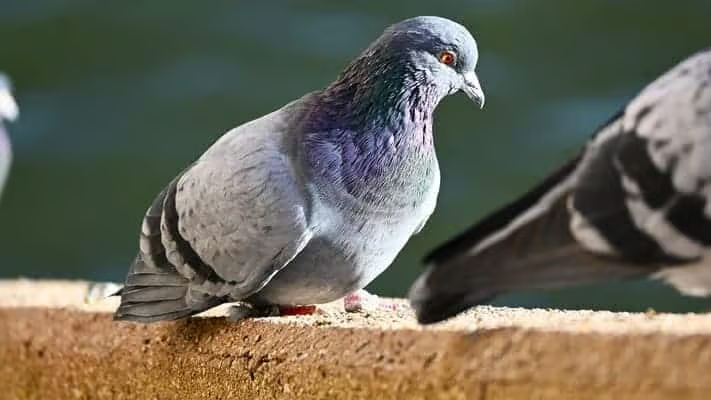
Common nuisance species include pigeons (gray with iridescent neck feathers), house sparrows (brown and gray with a black bib on males), and starlings (glossy black with speckled winter plumage).
Signs of a Bird Problem
Accumulated droppings on ledges, walkways, windowsills, HVAC units, and under rooflines are the most visible sign. Fresh white-and-dark streaking, slippery walkways, and stained siding or signage usually mean regular roosting. You may also hear persistent cooing, chirping, or scratching at dawn and dusk when birds arrive and leave.
Nesting materials in gutters, vents, soffits, and rooftop equipment are another clear indicator. Clogged downspouts, blocked dryer or attic vents, and debris pushed into mechanical units can signal active nesting. Feathers, eggshell fragments, and a strong ammonia-like odor from droppings may appear near heavy use areas.
If birds return to the same ledge every day, or if droppings rebuild within days of cleaning, the site has become an established roost. Early exclusion is far easier than dealing with a large, long-occupied colony and heavy contamination.
Where Do Birds Roost and Nest?
Pigeons typically roost and nest on flat or covered ledges, roof beams, parking structures, commercial signs, bridges, and rooftop mechanical platforms. They prefer sites with a clear view and protection from weather. House sparrows and starlings favor tighter spaces: eaves, soffit gaps, attic vents, wall voids, dense signage letters, and openings around fixtures.
Gutters, chimney caps, porch beams, and warehouse rafters are common secondary sites. On residential properties, birds often work the area under solar panels, along garage door headers, and inside unused chimneys or uncapped vents. Nesting material may be hidden from ground level even when droppings below make the activity obvious.
Because many species reuse successful sites year after year, inspection should cover the full roofline, upper elevations, and any opening large enough for a sparrow. Pest Control Companies look for both active nests and inactive sites that will attract birds again if left open.
Roof
commonThe uppermost structural surface, where damaged or open areas can let pests and wildlife into the attic.
Gutters
commonRoof drainage channels that can trap standing water and organic debris attractive to pests.
Siding
occasionalThe exterior wall covering, where gaps or damage can allow pests to enter wall voids.
Porch
occasionalA covered outdoor entry area where pests can nest close to doorways.
Warehouse
occasionalA large commercial storage building where pests can spread among stored goods if left unmanaged.
Why Are Birds Bad for My Home?
Bird droppings are more than an eyesore. They are acidic enough to etch paint, metal, and masonry over time, create slip hazards on walkways, and harbor fungi and bacteria associated with respiratory illness when dried material is disturbed. Heavy buildup on HVAC and rooftop equipment can also reduce efficiency and increase maintenance costs.
Nesting materials clog gutters and vents, raise moisture and fire concerns, and can draw secondary pests such as mites, beetles, and flies after nests are abandoned. Noise from roosting flocks and aggressive defending of nests can disrupt daily life, especially on porches, balconies, and commercial storefronts.
Many native birds are legally protected, so control must focus on exclusion and deterrence rather than harming birds. Delaying action usually means larger flocks, heavier contamination, and more expensive cleanup and structural repairs later.
| Concern | Severity | What it means |
|---|---|---|
| Sanitation IssuePrimary | moderate | Pest activity that creates unsanitary conditions through droppings, shed skins, or waste buildup. |
| Disease Transmission | low | Pests capable of spreading pathogens or disease to people through bites, contact, or contamination. |
| Property Damage | low | General damage pests cause to belongings, storage, or the surrounding property. |
| Noise | low | Disruptive sounds caused by pest activity, such as scratching, chirping, or movement within walls. |
What birds put at risk, and how urgent each one is.
How Do I Get Rid of Nuisance Birds?
Effective bird control starts with removing attractants and closing access. Secure trash, clean outdoor eating areas, manage feeders carefully, and eliminate standing water when practical. Install chimney caps, vent screens, and seal soffit and eave openings before nesting season when possible. Never seal an active nest with young birds inside without checking local wildlife rules.
Physical deterrents—ledge spikes, netting, post-and-wire systems, and slope products—work best when matched to the species and the architecture of the site. Scare devices alone often fail once birds learn they are harmless. After birds are excluded, clean and disinfect droppings and nesting debris with proper protective equipment; dried droppings should not be casually swept dry.
Complex roofs, multi-story buildings, and protected-species situations usually need a Pest Control Company bird control plan. Technicians can design exclusion that meets regulations, install commercial-grade systems, and handle safe cleanup so the site stays unattractive after the birds leave.
Methods, what a professional visit looks like, and what goes wrong when birds are treated the wrong way.
When Should I Call a Pest Control Company for Birds?
Call a Pest Control Company when birds are nesting in vents or roof voids, when droppings create health or slip hazards, when DIY deterrents fail, or when work requires ladders, lifts, or multi-story access. You should also call before major cleanup of heavy droppings so material can be handled safely and contaminated areas can be disinfected correctly.
Commercial properties, restaurants, warehouses, and multi-family buildings benefit from early Pest Control Company design of netting and ledge systems. Legal protections for many bird species make improper removal risky; Pest Control Companies understand what methods are allowed and when nesting seasons restrict work.
Ask for a site assessment that identifies species, roost and nest locations, exclusion options, and cleanup needs. A lasting solution combines physical exclusion, sanitation, and attractant management—not temporary noise makers alone.
Birds: common questions
Are pigeon droppings a health risk?
Yes. Accumulated droppings can harbor pathogens and create respiratory hazards when dried material becomes airborne during sweeping or renovation. They also damage building surfaces and create slip risks. Safe cleanup and exclusion are more effective than repeated surface washing alone.
Can I just scare birds away with fake owls?
Scare devices may work briefly, but birds often habituate and return. Physical exclusion and removing food and nesting access provide longer-lasting control. Combining habitat changes with properly installed deterrents is far more reliable than scare tactics alone.
Is it legal to remove bird nests?
Many native birds and active nests are protected by law, so timing and methods matter. Some non-native species have different rules, but local regulations still apply. A Pest Control Company can advise on lawful exclusion and when work must wait until nests are inactive.
Why do birds keep coming back to my roof?
Birds return to sites that still offer safe perches, shelter, and nearby food. Cleaning droppings without blocking ledges or openings leaves the attractant in place. Permanent exclusion on preferred roost points breaks that cycle.
Do bird spikes really work?
Spikes and similar ledge products work well when correctly chosen and installed for the bird species and surface type. Incomplete coverage, poor fastening, or the wrong product for large birds can leave gaps. Pest Control Company installation improves durability and coverage.
What should I do about birds in my attic vent?
Do not simply seal the vent if birds or young may be inside. Confirm activity, follow local wildlife rules for nest timing, then install proper screening or a one-way solution as appropriate and clean contaminated material afterward. Pest Control Company help is recommended for attic and vent work.
Get birds help near you
Search local, licensed pest control companies by ZIP code.
Looking for a specific service? Browse wildlife removal companies.