
How to Get Rid of Boxelder Bugs in Your Home: A Complete Treatment Guide
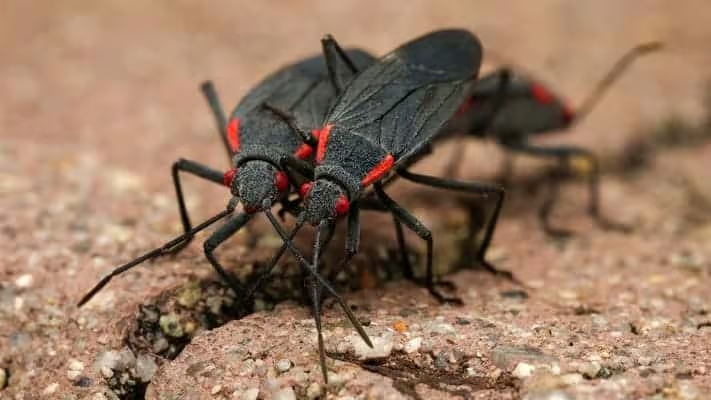
Boxelder bugs are seed-feeding insects that become a major seasonal nuisance wherever boxelder, maple, and ash trees are common. Adults are about half an inch long, black with distinctive red-orange markings along the wing edges. They do not bite, sting, or reproduce indoors in the way cockroaches or bed bugs do—but they gather in startling numbers on sun-warmed exterior walls in fall and slip through cracks to overwinter inside wall voids, attics, and living spaces. If you are searching for how to get rid of boxelder bugs in your home, you are usually fighting a timing problem as much as an insect problem: once they are deep in the structure for winter, options narrow.
This guide is written from a practical treatment perspective—the same framework a Pest Control Company company uses when evaluating boxelder bug pressure. You will learn how these bugs typically move from host trees to house, what light DIY steps can work for early clustering, which treatment methods actually reduce indoor invasions, what often goes wrong with crushing and random spraying, and when it is smarter to bring in a licensed technician. You will also see what a Pest Control Company service looks like from inspection through perimeter treatment and exclusion, how to choose a good provider, and how to prevent the next fall invasion after this season’s crisis.
Use this page as a decision guide. If you see a few bugs on a south-facing wall and can vacuum them and seal obvious gaps, DIY may be enough for light years. If walls are coated with clusters, bugs keep appearing indoors all winter, staining appears from crushed insects, or host trees sit tight against the structure every autumn, treat this guide as your bridge to Pest Control Company help—and to platforms like Pest Direct that connect homeowners with local pest control companies ready to inspect and quote the job.
How Boxelder Bugs May Have Gotten Into Your Home
Boxelder bugs spend the warm months feeding primarily on seeds of boxelder trees and related maples and ashes. Populations can explode in landscapes with abundant female boxelder trees. As temperatures drop in fall, bugs seek sheltered overwintering sites. Sun-exposed exterior walls—especially south and west faces—warm during the day and attract dense clusters. From those clusters, individuals probe every crack: window frames, door thresholds, siding joints, utility penetrations, soffit gaps, foundation cracks, and unscreened vents.
They are excellent at exploiting the same openings that admit other occasional invaders. Once inside wall voids or attics, many remain hidden until a warm spell or indoor heat draws them toward living areas, where they appear on windows, curtains, and light-colored walls. They do not infest food pantries or bite people, but their numbers, the odor they can release, and red-brown stains from crushed bodies make them a serious quality-of-life pest. Homes near host trees, with aging caulk and abundant sun-facing siding, see the worst pressure year after year.
Understanding how they arrived is not academic—it tells you whether the priority is fall perimeter treatment before entry, aggressive sealing of sun-side openings, vacuuming indoor wanderers without crushing, landscape decisions about host trees, or a Pest Control Company program timed to seasonal migration. Spring activity can also occur as overwintered bugs try to exit; sealing strategies must avoid trapping huge numbers in finished rooms without a removal plan.
How to Treat a Boxelder Bug Problem in Your Home
Effective boxelder bug treatment is seasonal and structural. Killing every bug you see indoors does little if thousands remain in voids or if next fall’s clusters walk through the same gaps. Pest Control Companies think in systems: reduce outdoor populations near the foundation when timing allows, seal entry points on sunny walls, remove indoor bugs by vacuum, and set homeowner expectations that mild indoor sightings may continue until spring if bugs already overwintered inside.
A few bugs on a window in October are a different job than black-and-red sheets of insects covering siding, daily indoor appearances all winter, or multi-year repeated invasions. Match intensity to pressure. Below is how to approach light DIY control, the main treatment methods used in residential work, and the failure modes that turn a fall annoyance into a months-long indoor parade.
Treating Light Boxelder Bug Problems Yourself
If clusters are small and you act early in fall, start with exclusion and mechanical removal. Vacuum bugs from walls, windowsills, and baseboards—use a vacuum you can empty outdoors into soapy water or a sealed bag so bugs do not crawl back out. Avoid crushing them on light-colored fabrics and walls; body fluids stain. Seal gaps around windows, doors, siding, and utility lines on sun-exposed faces with quality caulk and weatherstripping. Repair screens and door sweeps. These steps reduce how many individuals make it indoors.
On the exterior, a strong spray of water from a hose can knock clusters off siding in the short term, though they often return to the same warm wall. Reducing seed sources by managing nearby female boxelder trees is a long-term landscape decision—removal is sometimes considered for severe repeat problems but has tradeoffs and may not be practical or desirable on every property. Indoor insecticides are usually a poor primary tool for bugs already wandering from voids; they create residue without solving entry.
Be realistic. If bugs are already inside walls for the winter, you may see stragglers on warm days until spring even after perfect sealing. Continue vacuuming rather than smearing stains. If activity is limited, declines after sealing, and next fall stays mild, you may manage light years without service. If clusters cover walls, indoor numbers stay high, or you want proactive perimeter treatment timed before invasion, escalate.
What Can Go Wrong If Boxelder Bug Problems Are Handled Poorly
The most frequent DIY failure is crushing hundreds of bugs on curtains and walls, leaving permanent stains and odor while the outdoor reservoir remains untouched. Another failure mode is spraying indoors repeatedly after bugs have already overwintered in voids—visible knockdown without source or exclusion progress. Sealing without vacuuming can leave insects trapped in finished rooms with no exit.
Mis-timed treatments waste money: applying exterior product after the invasion wave has passed has limited effect on bugs already inside. Ignoring sun-side window frames and attic vents while caulking only the back door leaves the main highway open. Delays through peak fall clustering allow maximum entry, which means maximum indoor sightings all winter.
Overreacting with total-release foggers creates unnecessary exposure and rarely solves void-dwelling overwintering bugs. Neighboring properties with host trees can re-supply populations every year, so expectations must include exclusion as much as killing. The longer gaps remain open each autumn, the more the house becomes a traditional overwintering site that bugs return to by habit and heat.
Treatment methods
The approaches a technician chooses between for boxelder bugs, and what each one is good at.
- Inspection and seasonal timing assessment
- Technicians map host trees, sun-facing walls, entry gaps, and indoor activity patterns. Timing is everything: exterior treatments work best in fall before mass entry, not mid-winter after bugs are already deep in voids. Skipping timing assessment leads to disappointing indoor sprays that never reach overwintering populations.
- Exclusion and sealing
- Caulking, weatherstripping, screen repair, and sealing utility gaps on south and west exposures are core tactics. Exclusion reduces indoor numbers dramatically even when outdoor populations remain high. It is the highest-value long-term investment for chronic properties.
- Perimeter insecticide applications
- Licensed residual treatments on foundations, window frames, and siding clusters in fall can reduce the number of bugs that successfully enter. Products and placement follow labels; outdoor perimeter focus is more useful than fogging living rooms. Homeowners should keep pets away until dry as directed.
- Mechanical removal indoors
- Vacuuming remains the preferred indoor removal method. Sticky traps near windows can catch some wanderers for monitoring. Crushing is discouraged because of stains and odor. Mechanical removal plus patience handles bugs already inside better than heavy indoor chemical use.
- Landscape and host management guidance
- Where boxelder and related trees drive extreme annual pressure, Pest Control Companies may discuss tree management options with arborists or landscapers. Not every homeowner will remove trees, but understanding the food source explains why one property suffers while a neighbor does not.
- Integrated follow-up into the next season
- Spring exit activity and the following fall should be monitored. Sealing touch-ups and well-timed perimeter service create multi-year improvement. A one-time reaction in January without a fall plan is a common reason problems feel endless.
When You Should Call a Pest Control Company for Boxelder Bugs
Call a Pest Control Company when large clusters coat exterior walls, when bugs appear indoors daily through fall and winter, when staining and odor have become a household problem, or when DIY sealing has not reduced entry. Properties with major host trees and a history of annual invasions benefit from proactive fall service rather than waiting for the living room windowsill to fill up.
You should also call for help if you cannot safely reach second-story eaves, if you prefer a timed perimeter program, or if you want a systematic exclusion audit. Pest Control Companies are not only for “apocalyptic” clusters; they are for predictable seasonal pests that reward preparation. Booking before peak fall movement is smarter than emergency calls in January.
If you are unsure whether insects are boxelder bugs, western conifer seed bugs, or other fall invaders, do not wait to identify them. Similar occasional invaders share exclusion tactics, but product timing and homeowner expectations improve with correct ID. A trained technician can confirm the insect, explain the seasonal cycle, and recommend a plan sized to your home and trees.
Why a Pest Control Company Is Often Better Than DIY Alone for Boxelder Bugs
Pest Control Companies bring three advantages homeowners rarely match: seasonal timing expertise, exterior application tools for large surfaces, and exclusion know-how. Knowing when to treat relative to local weather and bug movement changes results more than any single product brand. Technicians also see patterns: the same uncaulked window trim that admits boxelder bugs may admit other fall invaders.
DIY vacuuming and caulk help, and light years may not need service—but heavy pressure on multi-story sun walls is hard to handle with consumer aerosols alone. Pros use integrated methods—perimeter residuals plus sealing recommendations plus indoor mechanical removal coaching—instead of fogging bedrooms. They set realistic expectations about bugs already inside voids, which reduces wasted product and frustration.
There is also a time and stain calculation. Hours spent crushing bugs and washing marks add up. A structured fall plan converts annual panic into a schedule: inspect, treat, seal, and monitor. For many households, that reliability is the real product. Pest Control Company service is not about “poisoning every bug in the yard”; it is about reducing entry and outdoor foundation pressure so your home stops serving as winter housing.
What the Pest Control Company Treatment Process Looks Like for Boxelder Bugs
While companies vary, high-quality residential boxelder bug service follows a seasonal arc. Understanding the process helps you evaluate quotes and avoid mid-winter mystery sprays with no exclusion story. Here is the typical sequence from first call to lasting seasonal control.
Inspection and identification
A technician confirms boxelder bugs versus look-alikes, notes host trees, maps sun-exposed walls and entry points, and documents indoor activity. They assess whether bugs are still entering or already overwintering. Photos of clusters help plan exterior work.
Treatment plan and prep guidance
You receive a plan that may include exterior perimeter treatment, sealing priorities, and indoor vacuuming guidance. Prep might mean unlocking gates, clearing items from foundation edges, and planning window access. Clear timing expectations are a sign of a careful company.
Initial treatment
The technician applies labeled exterior treatments to targeted areas when appropriate and advises on exclusion repairs within or beyond scope. Good techs explain residual indoor sightings you may still see if bugs are already in voids.
Follow-up and adjustment
Re-checks during peak season confirm whether clusters and indoor counts are declining. Additional sealing or touch-up treatments may be recommended. This is where many DIY attempts fail—there is no second look after the first cold snap.
Prevention and next-season planning
After the season, schedule caulk and screen repairs and consider next fall’s proactive service date. Landscape discussions about host trees may continue with other specialists. The end state is fewer entries each year, not a promise of zero outdoor bugs on trees.
How to Find a Good Pest Control Company for Boxelder Bug Control
A good provider is licensed where required, carries insurance, and can explain seasonal boxelder bug biology without promising impossible mid-winter eradication of void populations. Ask whether they emphasize fall perimeter timing, exclusion, and realistic indoor expectations. Be cautious of ultra-cheap “spray the baseboards” quotes that never discuss sunny-wall entry points or host trees.
Check recent reviews for mentions of seasonal pests, communication, and whether fall invasions improved—not only one-time friendliness. Ask about pet safety practices, what you need to do before exterior service, and how callbacks work if indoor activity continues. For chronic properties, ask about multi-year exclusion and treatment planning.
This is also where Pest Direct fits the homeowner journey. After you understand the problem from a guide like this, the next step is not endless stain cleaning—it is connecting with local pest control companies that handle seasonal invader service. Pest Direct helps you move from reading about the problem to getting help: find Pest Control Companies in your area, compare options, and request service without guessing which random search result is legitimate. Use educational guides to know what “good” looks like, then use the platform to hire it.
When you request service, share details that speed diagnosis: photos of the bugs and wall clusters, which sides of the house are affected, nearby boxelder or maple trees, how long indoor activity has lasted, and sealing steps you already tried. Better intake information produces better quotes and better timing.
How to Keep Boxelder Bugs From Coming Back
Prevention is mostly exclusion and timing. Seal exterior cracks and gaps before fall, especially on south and west walls. Repair damaged window and door screens and install door sweeps. Maintain caulk around trim and utility penetrations. Vacuum early wanderers so indoor populations never feel overwhelming.
Outdoors, keep dense vegetation from bridging straight to siding where practical, and understand that host trees drive regional pressure. In severe multi-year cases, consult arborists about tree species choices for future landscaping. Proactive Pest Control Company perimeter service just before seasonal clustering can reduce entry on high-pressure homes.
Think of prevention as making the house a poor overwintering site even when the neighborhood still has boxelder bugs. You may still see outdoor clusters on trees and sunny fences—that is normal biology. What you want to prevent is easy access into living spaces. Pair sealed construction with early-season vigilance, and each fall gets easier than the last.
Boxelder Bugs treatment: common questions
What is the fastest way to get rid of boxelder bugs in the house?
Vacuum them up and empty the vacuum outdoors; avoid crushing to prevent stains. Seal gaps on sun-facing walls to stop new entry. For heavy outdoor clusters in fall, Pest Control Company perimeter treatment plus exclusion works faster than indoor sprays alone.
Do boxelder bugs bite or damage the house?
They do not bite or sting and do not eat wood or stored food. They are a nuisance pest: large numbers, possible odor, and staining when crushed. The main “damage” is quality of life and stained surfaces, not structural destruction.
Why do boxelder bugs suddenly appear in winter?
Bugs that entered wall voids and attics in fall become active on warm days or when indoor heat draws them toward light and living spaces. Seeing them in winter usually means they are already overwintering inside the structure.
How long does Pest Control Company boxelder bug treatment take to work?
Exterior treatments can reduce new entry within days during fall applications, but bugs already inside may appear for the rest of the cool season. Full improvement is often measured across a full fall-to-spring cycle and better sealing. Your technician should set expectations based on timing.
Should I remove boxelder trees?
Female boxelder trees are a major food source and can drive severe local populations. Removal can help but is a landscape decision with costs and benefits. Many homes improve substantially with exclusion and perimeter service without tree removal. Discuss options with pest and tree Pest Control Companies.
Are boxelder bugs the same as Asian lady beetles or stink bugs?
No, but they share the habit of invading homes in fall. Boxelder bugs are black with red-orange markings; multicolored Asian lady beetles and brown marmorated stink bugs look different. Exclusion tactics are similar; identification still helps set expectations.
Is it better to spray or vacuum indoor boxelder bugs?
Vacuuming is usually better indoors: it removes bugs without stain-prone crushing and without unnecessary indoor pesticide use. Reserve chemical applications for exterior perimeter programs timed by Pest Control Companies when pressure is high.
Can Pest Direct help me find boxelder bug control near me?
Yes. Once you understand your boxelder bug problem, Pest Direct connects you with local pest control companies that handle seasonal invader service. Compare providers and request help without starting from zero.
Hand the boxelder bugs problem to someone licensed
Compare local pest control companies that treat boxelder bugs, see what they charge, and get an estimate.