
How to Get Rid of Carpet Beetles in Your Home: A Complete Treatment Guide
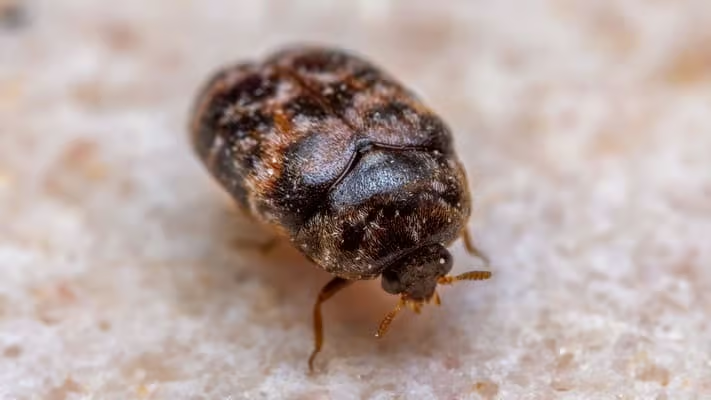
Carpet beetles are among the most underestimated fabric pests in American homes. Adults are tiny, oval insects that often go unnoticed on windowsills or near flowers. The real problem is the larval stage: bristly, carrot-shaped larvae that feed on wool, silk, fur, feathers, leather, and other natural materials. If you are searching for how to get rid of carpet beetles in your home, you may already be seeing irregular holes in clothing, shed skins in a closet, or fuzzy larvae along a baseboard—damage that can quietly accumulate for months before anyone connects it to an insect.
This guide is written from a practical treatment perspective—the same framework a Pest Control Company company uses when evaluating a carpet beetle problem. You will learn how carpet beetles typically enter and establish indoors, what light DIY steps can work for early or localized activity, which treatment methods actually interrupt the life cycle, what often goes wrong with casual spraying and incomplete cleaning, and when it is smarter to bring in a licensed technician. You will also see what a Pest Control Company carpet beetle service looks like from inspection through follow-up, how to choose a good provider, and how to prevent larvae from returning after the crisis is over.
Use this page as a decision guide. If activity is limited to one closet or a single rug and you catch it early, thorough cleaning and careful storage practices may be enough to break the cycle. If larvae keep appearing, damage spreads across rooms, adult beetles swarm at windows every spring, or you cannot find the source after a good-faith DIY attempt, treat this guide as your bridge to Pest Control Company help—and to platforms like Pest Direct that connect homeowners with local pest control companies ready to inspect and quote the job.
How Carpet Beetles May Have Gotten Into Your Home
Almost every indoor carpet beetle problem has an outdoor chapter. Adult carpet beetles feed on pollen and nectar. They are common on flowering plants, shrubs, and cut flowers. From those outdoor sources, adults fly or hitchhike indoors through open windows, unscreened vents, gaps around doors, and on bouquets, used furniture, secondhand clothing, or stored textiles brought from another home. Once inside, females seek dark, quiet places to lay eggs near a food source for the larvae that will follow.
Larvae do not need a “dirty” house in the way cockroaches do. They need undisturbed protein-rich or keratin-rich material: wool carpets and rugs, cashmere and wool clothing, silk garments, fur trim, feather pillows and down, taxidermy, wool felt under pads, pet hair accumulations under furniture, dead insects in light fixtures or window wells, and even lint in HVAC returns or behind baseboards. Closets that are rarely opened, storage boxes under beds, piano felt, and the edges of wall-to-wall carpet under heavy furniture are classic harborage zones. Damage goes unnoticed because larvae avoid light and prefer areas people do not inspect weekly.
Moisture and climate play supporting roles. Homes with seasonal humidity, attics or basements used for textile storage, and rooms with limited airflow can keep fabrics attractive longer. Dead insects on windowsills after a summer fly or moth hatch can feed larvae even when clothing is protected. Multi-unit buildings sometimes share pressure through laundry rooms and storage lockers. Understanding how carpet beetles arrived is not academic—it tells you whether the fix is laundering one sweater, vacuuming under a sofa, sealing a window gap, discarding a heavily infested item, or treating a whole-home pattern of larvae and shed skins.
How to Treat a Carpet Beetle Problem in Your Home
Effective carpet beetle treatment is not about killing every adult you see on a sunny windowsill. Visible adults are often a small part of the problem, and they may have entered from outdoors while larvae continue feeding elsewhere. The goal is to find and remove larval food sources, eliminate existing larvae and eggs through cleaning and targeted products where appropriate, and change storage and maintenance habits so the next generation has nothing to eat. Pest Control Companies think in systems: confirm it is carpet beetles rather than clothes moths or other fabric pests, map damage and cast skins, deep-clean and isolate infested materials, apply residuals to cracks and edges, and verify results over the next few weeks.
A few larvae under one dresser is a different job than widespread carpet edge damage, multiple closets involved, or recurring adults each spring. Match the intensity of treatment to the intensity of the problem. Below is how to approach light DIY control, the main treatment methods used in residential work, and the failure modes that turn a small closet issue into a months-long fabric loss.
Treating Light Carpet Beetle Problems Yourself
If you have only recently noticed a few larvae, cast skins, or small holes in one area, start with inspection and sanitation before buying a cabinet full of products. Empty the affected closet or storage zone. Shake out clothing outdoors if practical and check seams, cuffs, and folds. Launder washable items on hot cycles when fabric care allows, or dry-clean non-washables. Vacuum thoroughly—floors, carpet edges, under furniture, baseboards, shelves, and the closet floor—then empty the vacuum canister or bag outdoors so larvae and eggs do not reintroduce. Wipe hard surfaces and discard heavily damaged scraps you will not keep.
Store cleaned natural-fiber items in sealed containers or garment bags rather than open shelves. Reduce pet hair under sofas and beds. Check for dead insects on windowsills and in light fixtures. Sticky monitoring traps or careful weekly re-inspections help you confirm whether activity is declining. Light problems often resolve when the food source is cleaned, sealed, or discarded and no new adults are continually replenishing eggs. Be patient: eggs and hidden larvae may take time to flush out of a space even after a deep clean.
Avoid relying on fragrance sachets or “natural” sprays as primary control. They may mask odor or repel adults briefly without eliminating larvae in fabric folds. If activity is limited to one room, damage is minor, and new larvae stop appearing after two to three weeks of cleaning and isolation, you may resolve a light problem without a service call. If damage spreads, adults keep clustering at multiple windows, or you find larvae in several closets and under carpet edges, escalate.
What Can Go Wrong If Carpet Beetle Problems Are Handled Poorly
The most frequent DIY failure is treating only the adults on the windowsill. Killing visible beetles feels productive, but larvae continue feeding in dark storage. Another failure mode is incomplete cleaning: washing the sweater with holes while leaving the wool rug pad, the pet-hair mat under the bed, or the cardboard box of scarves untouched. Larvae simply finish the next food source.
Misidentification is expensive. Treating carpet beetles like pantry moths wastes effort in the kitchen while closets suffer. Confusing them with bed bugs leads to unnecessary panic and the wrong products. Overusing consumer foggers can miss protected larvae in fabric folds and create a false sense of security. Delays also have costs. What starts as a few holes in one jacket can become edge damage across a carpet, ruined seasonal wardrobes, and skin irritation from larval hairs in sensitive people.
In multi-unit housing, treating one closet while shared laundry or storage areas remain infested leads to re-invasion. Skipping follow-up means eggs that hatch after the first cleaning wave reestablish the population. The longer larvae train on your textiles as a reliable resource, the more thorough the eventual treatment and replacement of damaged goods must be.
Treatment methods
The approaches a technician chooses between for carpet beetles, and what each one is good at.
- Identification and damage mapping
- Carpet beetle larvae are fuzzy and bristly; clothes moth larvae are typically smoother and associated with webbing. Adults are small, mottled, oval beetles—not moths. Correct identification matters because treatments and harborage patterns differ. A careful inspection maps holes, frass, shed skins, live larvae, and adult flight zones. Technicians check closets, under furniture, carpet edges, air returns, and storage rooms. Skipping identification is a common reason DIY treatments cycle endlessly without lasting control.
- Source removal and textile processing
- The backbone of control is removing what larvae eat. That means laundering, dry cleaning, freezing small items when appropriate, discarding unsalvageable materials, and isolating clean goods in sealed storage. Rugs may need Pest Control Company cleaning. Taxidermy, wool pads, and rarely used seasonal clothing are frequent hidden sources. Without source management, insecticides alone rarely finish the job.
- Deep vacuuming and crack-and-crevice cleaning
- Vacuuming physically removes eggs, larvae, and skins from carpet pile, baseboards, and storage voids. Edge vacuuming under furniture and along baseboards is more important than a quick center-of-the-room pass. Pest Control Companies often recommend a cleaning schedule timed with treatment so residuals are not removed too early from critical zones.
- Targeted residual applications
- Residual insecticides applied to baseboards, carpet edges, closets, and cracks can reduce larvae and adults that contact treated surfaces. These treatments work best as part of an integrated plan—not as the only tactic after incomplete cleaning. Broadcast spraying every fabric surface is rarely appropriate. Spot and crack-and-crevice work is the Pest Control Company standard.
- Exclusion and adult entry reduction
- Screens, closed windows during peak adult activity, inspection of cut flowers and secondhand goods, and sealing gaps reduce the flow of outdoor adults into living space. Exclusion does not kill larvae already in a closet overnight, but it slows re-infestation after cleanup.
- Monitoring and follow-up
- Carpet beetle pressure can rebound if a secondary source remains in storage or under a heavy sofa. Re-checking old damage sites, sticky monitoring, and a follow-up visit are standard in Pest Control Company programs. A one-time spray with no textile plan is a common consumer disappointment.
When You Should Call a Pest Control Company for Carpet Beetles
Call a Pest Control Company when carpet beetle larvae or damage returns after one to two thorough cleaning cycles, when multiple rooms or closets show activity, or when you find larvae under wall-to-wall carpet edges, in HVAC areas, or in storage rooms you cannot fully empty. Widespread cast skins, recurring adult beetles at many windows each warm season, or damage to valuable rugs, heirloom textiles, or business inventory are clear reasons to escalate.
You should also call for help if anyone in the household has skin irritation suspected from larval hairs, if you manage a rental with fabric furnishings, or if you simply cannot locate the source after a good-faith DIY attempt. Pest Control Companies are not only for “huge” infestations; they are for infestations you cannot verify as solved. A same-week inspection can prevent months of product experiments that never reach the hidden food source.
If you are unsure whether damage is from carpet beetles, clothes moths, or rodents chewing fabric, do not wait. Misidentifying fabric pests delays the right treatment. A trained technician can confirm the insect, explain risk level, and recommend a plan sized to your home and textiles.
Why a Pest Control Company Is Often Better Than DIY Alone for Carpet Beetles
Pest Control Companies bring three advantages homeowners rarely match: diagnostic skill, systematic inspection of non-obvious harborage, and product placement with proper sequencing around cleaning. Identifying larvae versus moths, mapping carpet edges and storage voids, and knowing when a rug needs Pest Control Company cleaning changes the outcome. Technicians also see patterns: the same under-furniture pet hair that feeds carpet beetles may explain other household insects, and the same open window that admits adults may admit other seasonal pests.
DIY products available at retail can support light, localized pressure, but labels, placement rules, and safety constraints limit what a homeowner can effectively do in deep carpet edges, wall voids near baseboards, and large storage areas. Pros use integrated methods—cleaning guidance plus residuals plus monitoring—instead of a single can of spray. They also know when not to soak fabrics with pesticide, which is just as important.
There is also a time and stress calculation. Repeated dry-cleaning runs, weekend closet purges, and finding new holes in a favorite coat add up. A structured service plan converts that uncertainty into a schedule: inspect, clean guidance, treat, follow up, and document results. For many households, that reliability is the real product. Pest Control Company service is not about “giving up”; it is about matching tools to a biological problem that evolved to feed quietly in the dark until damage is obvious.
What the Pest Control Company Treatment Process Looks Like for Carpet Beetles
While companies vary, high-quality residential carpet beetle control follows a predictable arc. Understanding the process helps you evaluate quotes and avoid one-visit mystery sprays with no inspection story. Here is the typical sequence from first call to lasting control.
Inspection and identification
A technician interviews you about where you see insects or damage, then inspects closets, carpet edges, under furniture, windowsills, storage rooms, and related areas. They distinguish carpet beetles from clothes moths and other pests, collect evidence of larvae or skins, and map likely food sources. Photos of damage help when activity is intermittent.
Treatment plan and prep guidance
You receive a plan that may include vacuuming and laundering priorities, isolation of clean goods, targeted residual applications, and exclusion notes. Prep might mean emptying closets, moving furniture for edge access, or listing items for dry cleaning. Clear prep instructions are a sign of a careful company.
Initial treatment
The technician treats cracks, baseboards, and carpet edges where larvae travel, and addresses adult activity zones as appropriate. They explain what results to expect over the next several days and which fabrics still need homeowner processing. Good techs avoid treating every surface indiscriminately.
Follow-up and adjustment
Because eggs may hatch after the first pass and hidden sources can remain, a follow-up visit is common. The technician reassesses activity, adjusts methods if needed, and confirms whether new skins and larvae have stopped. This is where many DIY attempts fail—there is no second look.
Prevention and maintenance options
After knockdown, many homeowners adopt sealed storage for wool and silk, regular edge vacuuming, and seasonal inspection of stored textiles. Exclusion and flower-handling habits may be recommended. The end state is fewer conducive conditions, not only fewer beetles today.
How to Find a Good Pest Control Company for Carpet Beetle Control
A good carpet beetle control provider is licensed where required, carries insurance, and can explain their process without hiding behind jargon. Ask whether they will inspect closets and carpet edges, how they distinguish carpet beetles from clothes moths, and whether follow-up is included. Be cautious of ultra-cheap “spray the baseboards” quotes that never discuss fabric cleaning, storage, or larval food sources.
Check recent reviews for mentions of communication, punctuality, and whether fabric pests actually stopped—not only whether the tech was friendly. Ask about pet and child safety practices, what you need to do before service, and how callbacks work if activity continues. For valuable rugs or heirloom textiles, ask specifically about experience with fabric pests and coordination with Pest Control Company cleaning.
This is also where Pest Direct fits the homeowner journey. After you understand the problem from a guide like this, the next step is not endless product aisles—it is connecting with local pest control companies that already service your type of issue. Pest Direct helps you move from reading about the problem to getting help: find Pest Control Companies in your area, compare options, and request service without guessing which random search result is legitimate. Use educational guides to know what “good” looks like, then use the platform to hire it.
When you request service, share details that speed diagnosis: rooms involved, how long damage has lasted, photos of larvae or adults, whether you have used sprays or foggers already, and which natural-fiber items are affected. Better intake information produces better quotes and faster results.
How to Keep Carpet Beetles From Coming Back
Prevention is the quiet half of carpet beetle control. Store wool, silk, fur, and seasonal natural-fiber clothing in sealed containers or quality garment bags after cleaning. Vacuum regularly, including under furniture and along carpet edges. Reduce pet hair and lint buildup. Inspect secondhand furniture, thrift clothing, and stored textiles before bringing them into closets. Keep windows screened during adult beetle season and check cut flowers for hitchhiking adults.
Exterior and structural habits matter too. Reduce dead insect accumulation on windowsills and in light fixtures. Avoid long-term storage of dirty wool items in humid basements or attics. Rotate and inspect stored textiles at least seasonally so small problems never become wardrobe disasters. If you have had a significant infestation, keep monitoring sticky traps or do monthly visual checks of former hotspots for a full season.
Think of prevention as reducing the “score” of your home as a larval cafeteria. You may never make a property beetle-proof in every season, but you can make natural fibers inaccessible and clean enough that larvae cannot establish. Pair that with early reaction to the first cast skin or adult cluster—and you stay ahead of the next cycle.
Carpet Beetles treatment: common questions
What is the fastest way to get rid of carpet beetles in the house?
For light activity, deep-clean and launder or dry-clean affected textiles, vacuum thoroughly including edges and under furniture, and isolate clean goods in sealed storage. Contact sprays on adults alone often fail to stop larvae. If damage spreads or larvae return, schedule a Pest Control Company inspection.
Why do carpet beetles keep coming back after I spray?
Sprays may kill some exposed insects without removing the fabric or organic debris larvae feed on. Eggs and hidden larvae in closets or under carpet edges survive. Source removal, thorough vacuuming, and targeted residuals address the problem more reliably than surface spraying alone.
Do natural remedies like cedar or lavender get rid of carpet beetles permanently?
Cedar and lavender may mildly repel some insects but rarely eliminate an established larval population in fabrics. They are not a substitute for cleaning, sealing storage, and proper treatment. Permanent results require removing food sources and interrupting the life cycle.
How long does Pest Control Company carpet beetle treatment take to work?
Many homes see reduced activity within days to a couple of weeks as cleaning and residuals take effect, but full resolution can take longer if eggs hatch or secondary sources remain. Follow-up visits are common. Your technician should set expectations based on inspection findings.
Can carpet beetle larvae irritate skin?
Yes. The bristly hairs on some carpet beetle larvae can cause itchy dermatitis in sensitive people. Avoid handling larvae with bare hands, wash affected fabrics carefully, and seek medical advice for persistent skin reactions. Reducing the infestation lowers exposure.
How can I tell carpet beetles from clothes moths?
Carpet beetle larvae are fuzzy and carrot-shaped; clothes moth larvae are usually smoother and associated with silken webbing. Adult carpet beetles are small oval beetles; clothes moth adults are small moths. If unsure, a Pest Control Company can identify specimens and damage patterns.
Should I throw away infested clothing?
Not always. Many items can be salvaged with hot laundering when fabric allows, dry cleaning, or careful freezing protocols for small goods. Discard items that are heavily damaged or not worth the cost of cleaning. Isolate everything until processed so larvae do not spread.
Can Pest Direct help me find carpet beetle control near me?
Yes. Once you understand your carpet beetle problem, Pest Direct connects you with local pest control companies that handle residential fabric pest service. Compare providers and request help without starting from zero.
Hand the carpet beetles problem to someone licensed
Compare local pest control companies that treat carpet beetles, see what they charge, and get an estimate.