Carpet Beetles
Carpet beetles are small insects whose larvae feed on natural fibers, damaging carpets, clothing, and stored fabrics.
How Did I Get Carpet Beetles??
Adult carpet beetles live outdoors much of the time, feeding on pollen and nectar. They fly into homes through open windows and doors, slip through damaged screens, or ride in on cut flowers and potted plants. Once inside, females lay eggs near natural fibers—wool, silk, fur, feathers, leather, and items soiled with food, sweat, or pet hair.
Secondhand furniture, thrifted clothing, stored woolens, taxidermy, and even bird or rodent nests in attics can introduce larvae or eggs. Adults themselves do not eat fabric; it is the bristly, carrot-shaped larvae that cause damage while hiding in dark, undisturbed places. Homes that are clean overall can still get carpet beetles because a single overlooked sweater, rug edge, or closet corner is enough to support a generation.
Warm, quiet storage areas and infrequent vacuuming under furniture make it easier for larvae to complete their life cycle without being noticed until holes appear in clothing or carpet.
How to identify carpet beetles
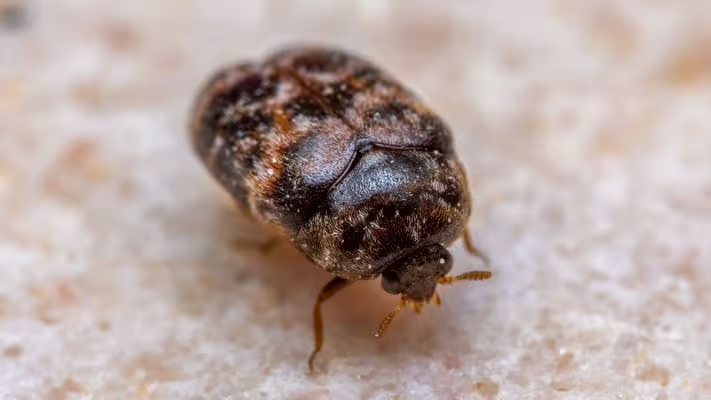
Adult carpet beetles are small, oval, and mottled with white, brown, and yellow scales; larvae are fuzzy, carrot-shaped, and covered in short bristly hairs.
Signs of a Carpet Beetle Infestation
Irregular holes in wool clothing, blankets, rugs, or upholstery are the damage most people notice first. Unlike some moth damage, carpet beetle feeding often appears on a wider range of natural materials and may concentrate along edges, folds, and areas that stay dark under furniture.
Look for cast larval skins that look like hollow, fuzzy shells; live larvae that are brownish and covered in short bristles; and tiny adult beetles that are oval and mottled with white, brown, and yellow scales on windowsills. Pet hair accumulations, lint along baseboards, and forgotten natural-fiber items in storage are common nearby clues.
Skin irritation in sensitive people can occur from larval hairs, sometimes mistaken for other bite issues. Finding adults at windows alone is not always an emergency, but larvae plus fabric damage means an active indoor population that needs cleaning and treatment.
Where Do Carpet Beetles Hide?
Larvae prefer dark, undisturbed harborage: under rugs and furniture, along carpet edges and baseboards, inside closets and dresser drawers, in stored seasonal clothing, and in attics or basements where woolens and keepsakes sit for months. They also feed on lint, pet hair, dead insects in light fixtures, and debris in heating vents or rarely cleaned corners.
Adults are more often seen near windows and light sources as they try to go outdoors to feed on pollen. Closets with wool coats, cedar chests that are not truly sealed, piano felts, taxidermy, and upholstered furniture with natural filling are frequent hotspots.
Because larvae avoid light and traffic, damage can progress for a long time under a bed or behind a rarely moved dresser. Thorough inspection means checking storage boxes, closet floors, rug pads, and any natural-fiber item that has sat untouched.
Furniture
commonUpholstered and wooden furnishings that can harbor fabric pests, wood-boring insects, or bed bugs.
Living Room
commonA shared living space with upholstered furniture and carpeting that can harbor fabric and carpet pests.
Bedroom
commonA sleeping area where pests such as bed bugs and dust mites can establish themselves close to occupants.
Cabinets
occasionalEnclosed kitchen storage that can shelter pests near food, dishware, or cleaning supplies.
Why Are Carpet Beetles Bad for My Home?
Carpet beetle larvae destroy valuable and everyday textiles—suits, sweaters, heirloom blankets, oriental rugs, and upholstery—often before anyone realizes an infestation exists. Replacing damaged goods can cost far more than early cleaning and treatment. Larval hairs can also irritate skin and contribute to allergy-like discomfort in sensitive individuals.
Unlike outdoor nuisance beetles, carpet beetles complete their life cycle indoors when food (natural fiber and organic debris) is available. Populations can spread from a single closet to multiple rooms as adults emerge and lay eggs elsewhere. The problem is rarely solved by killing a few adults on a windowsill.
Delay allows more eggs and larvae to establish in hidden fabric. Combined with dust and pet hair, that creates ongoing food for the next generation even after the obviously damaged items are thrown away.
| Concern | Severity | What it means |
|---|---|---|
| Clothing DamagePrimary | moderate | Damage pests cause to fabric and clothing, typically from chewing or larval feeding. |
| Property Damage | low | General damage pests cause to belongings, storage, or the surrounding property. |
| Allergy Trigger | low | Pest droppings, shed skins, or saliva that can trigger allergic reactions in sensitive individuals. |
What carpet beetles put at risk, and how urgent each one is.
How Do I Get Rid of Carpet Beetles?
Control is sanitation-first. Vacuum carpets, baseboards, under furniture, closets, and upholstery thoroughly, and dispose of vacuum contents outside. Launder washable items in hot water when fabric care allows, or dry-clean woolens and delicate pieces. Isolate and discard heavily infested, irreparable items in sealed bags.
Store susceptible clothing and textiles in airtight containers or garment bags after cleaning. Reduce lint and pet hair, empty rarely used drawers, and inspect flowers and secondhand goods before bringing them in. Targeted insecticide applications to cracks, baseboards, and carpet edges can support cleaning when larvae are widespread, but sprays alone will not fix infested garments left untreated.
Persistent or large infestations—especially those involving attics, vents, or many storage areas—usually need Pest Control Company inspection and treatment. Technicians can find hidden sources, treat harborage correctly, and help prioritize which items to clean, seal, or remove.
Methods, what a professional visit looks like, and what goes wrong when carpet beetles are treated the wrong way.
When Should I Call a Pest Control Company for Carpet Beetles?
Call a Pest Control Company when fabric damage keeps appearing after cleaning, when you find larvae in multiple rooms, or when stored collections, rugs, or upholstery are too extensive to treat thoroughly yourself. Pest Control Company help is also wise if you suspect an attic nest or dead animal is feeding the population, or if skin irritation coincides with visible larvae.
DIY products often miss eggs and larvae deep in carpet edges and furniture. A technician can combine inspection, targeted application, and a cleaning plan so you are not repeatedly treating symptoms. Early service protects remaining textiles before more pieces are ruined.
Ask for guidance on vacuuming frequency, storage, and which materials are at highest risk in your home. Follow-up may be needed because eggs can hatch after the first round of cleaning and treatment.
Carpet Beetles: common questions
Do adult carpet beetles eat clothes?
No. Adults typically feed on pollen outdoors. The larval stage is what damages wool, silk, fur, and other natural fibers. Seeing adults at windows still matters because they may have emerged from indoor larvae or be ready to lay eggs near fabrics.
Are carpet beetles the same as clothes moths?
No. Both can damage natural fibers, but carpet beetle larvae are bristly and carrot-shaped, while moth larvae are soft caterpillars that often leave webbing. Adults also look different. Treatment emphasizes cleaning and source removal for both, but identification helps target inspection.
Can carpet beetles cause skin irritation?
Yes. The tiny hairs on larvae can irritate skin in sensitive people and are sometimes mistaken for insect bites. Reducing larvae through cleaning and treatment usually resolves the irritation source. See a medical Pest Control Company for ongoing rash concerns.
Will washing clothes kill carpet beetles?
Hot washing or dry cleaning can kill eggs and larvae on garments when done correctly for the fabric. Items must still be stored clean and sealed afterward. Vacuuming closets and surrounding areas is necessary so reinfestation does not start from nearby debris.
Why do I only find carpet beetles on windowsills?
Adults move toward light and often gather on windows as they try to exit. The damaging larvae usually remain in dark closets, carpet edges, and storage. Check those areas even if windowsills are where you notice beetles first.
How long does it take to eliminate carpet beetles?
Light problems can improve within a few weeks of thorough cleaning and storage changes. Established infestations may take longer because eggs continue to hatch and hidden textiles may still harbor larvae. Pest Control Company treatment with follow-up shortens the timeline for widespread activity.
Get carpet beetles help near you
Search local, licensed pest control companies by ZIP code.
Looking for a specific service? Browse general pest control companies.