
How to Get Rid of Centipedes in Your Home: A Complete Treatment Guide
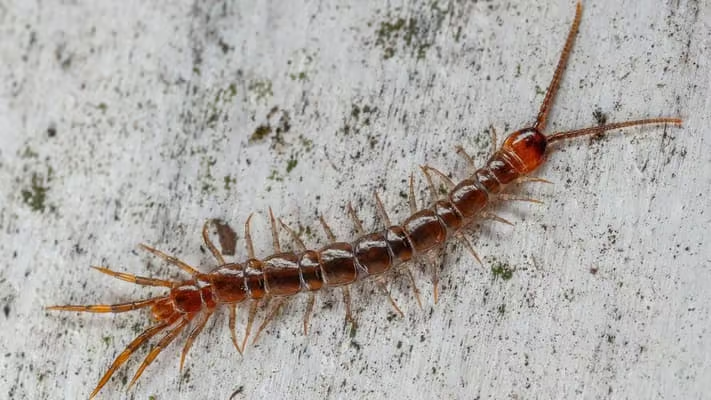
House centipedes are fast, multi-legged predators that startle homeowners more often than they harm them. With long legs, striped yellowish-gray bodies, and a habit of darting across basement floors or bathroom walls at night, they create an outsized sense of infestation even when only a few are present. If you are searching for how to get rid of centipedes in your home, you are usually dealing with more than a random visitor. You are dealing with damp conditions, entry gaps, and often a background population of spiders, silverfish, cockroach nymphs, or other small arthropods that serve as prey.
This guide is written from a practical treatment perspective—the same framework a Pest Control Company company uses when evaluating a centipede problem. You will learn how centipedes typically enter homes, what light DIY steps can work for occasional activity, which treatment methods actually reduce indoor numbers, what often goes wrong with spray-only approaches, and when it is smarter to bring in a licensed technician. You will also see what a Pest Control Company centipede service looks like from inspection through follow-up, how to choose a good provider, and how to prevent centipedes from returning after the crisis is over.
Use this page as a decision guide. If sightings are rare and you can dry a basement or seal an obvious gap, the DIY section may be enough to break the cycle. If centipedes keep appearing in multiple rooms, share space with other pests, or return every wet season despite your efforts, treat this guide as your bridge to Pest Control Company help—and to platforms like Pest Direct that connect homeowners with local pest control companies ready to inspect and quote the job.
How Centipedes May Have Gotten Into Your Home
Almost every indoor centipede problem starts with outdoor or structural harborage and a path inside. Centipedes live under mulch, leaf litter, stones, landscape timbers, and damp groundcover. They also occupy basements, crawlspaces, and wall voids when conditions stay cool and moist. They do not typically “infest” kitchens the way ants or roaches breed around food. They wander in hunting prey or seeking humidity, then stay where both moisture and insects allow.
Entry is usually through small structural gaps rather than open doors alone. Common access points include foundation cracks, gaps under garage and side doors, window wells, utility penetrations for cable and HVAC lines, floor drains, and unsealed gaps where plumbing enters under sinks. Landscaping that holds moisture against the house multiplies risk: thick mulch against siding, vines, dense groundcover, and leaf piles next to the foundation all act as bridges from outdoor harborage to living space.
Moisture is as important as prey. Many homeowners first notice centipedes in bathrooms, laundry rooms, basements, and crawlspaces because water and humidity are reliable there. Condensation, slow leaks, damp concrete, and poorly ventilated lower levels create long-term habitat. A single house centipede in a bathtub is often an animal that fell in while hunting at night and cannot climb smooth enamel—not proof of a breeding colony in the drain. Still, repeated bathtub or basement sightings point to broader humidity and entry issues.
Seasonal pressure also matters. After heavy rain, outdoor harborages can flood and push arthropods indoors. During extreme heat or drought, damp interiors become more attractive. Fall cool-downs can increase movement toward heated structures. Homes with sump pits, French drains, or chronically cool concrete slabs often see more activity because those features hold humidity long after outdoor conditions improve.
Prey availability is the second half of the story. House centipedes hunt spiders, silverfish, cockroach nymphs, and other small arthropods. A property with outdoor lighting that concentrates insects, a cluttered basement that hides prey, or an unresolved silverfish problem may keep centipedes comfortable even when you kill every individual you see. Understanding how centipedes arrived is not academic—it tells you whether the fix is a dehumidifier and door sweep, sealing foundation gaps, reducing outdoor mulch depth, treating prey insects, or a full perimeter and harborage program.
How to Treat a Centipede Problem in Your Home
Effective centipede treatment is not about stomping every individual you see. Visible centipedes are often a fraction of what is using damp voids and lower levels, and killing one predator does not dry the basement or remove the spiders it was hunting. The goal is to reduce moisture, seal entry points, lower the prey insect population, and apply targeted treatments where centipedes travel and hide. Pest Control Companies think in systems: confirm the pest, map activity rooms, evaluate humidity and landscaping, choose residual and exclusion strategies, and verify that sightings decline over time.
An occasional single centipede in a damp climate is a different job than weekly encounters in living spaces, multiple animals in bathrooms and basements, or concurrent silverfish and spider activity. Match the intensity of treatment to the intensity of the problem. Below is how to approach light DIY control, the main treatment methods used in residential work, and the failure modes that turn a seasonal nuisance into a year-round complaint.
Treating Light Centipede Problems Yourself
If you have only recently noticed a small number of centipedes in one damp area, start with moisture and exclusion before buying a cabinet full of products. Run dehumidifiers in basements and crawlspaces to keep relative humidity lower. Fix obvious drips, dry sink cabinets, and use exhaust fans during and after showers. Pull cardboard and clutter off cool concrete floors where prey and predators both hide. Install or repair door sweeps and seal visible gaps around pipes.
Capture or vacuum individual centipedes you see and empty the vacuum outdoors. Sticky traps along basement walls and near utility rooms help monitor whether activity is declining. Reduce exterior mulch depth against the foundation and clear leaf litter from window wells. These steps remove the “why” that keeps centipedes and their prey comfortable indoors.
Be patient. Moisture correction takes days to weeks to change indoor microclimates. Avoid relying only on contact sprays that kill what you see but leave entry points and humidity unchanged. Sticky monitoring for a couple of weeks gives you data: declining captures mean your environmental fixes are working; steady captures mean something still feeds or admits them. If activity is limited to one lower-level zone, stays small, and steadily declines after drying and sealing, you may resolve a light problem without a service call. If centipedes vanish for a week and then reappear in greater numbers, appear upstairs in dry living areas, or if you also see many other insects feeding them, escalate to a Pest Control Company plan that can treat exterior harborage and voids you cannot easily reach.
What Can Go Wrong If Centipede Problems Are Handled Poorly
The most frequent DIY failure is “spray and ignore humidity.” Killing visible centipedes feels productive, but damp basements and open foundation gaps refill the house with new individuals and prey. Another failure mode is sealing nothing: running a dehumidifier while mulch stays piled against the siding and the side door lacks a sweep guarantees seasonal returns.
Misidentification is frustrating. Treating millipedes like house centipedes or assuming every multi-legged animal is dangerous leads to panic and the wrong product choices. Overusing consumer foggers can drive arthropods deeper into voids without solving moisture. Ignoring concurrent pest issues leaves a buffet in place even after temporary knockdown.
Delays also have costs. What starts as occasional basement sightings can become regular encounters in upstairs bathrooms as populations and prey expand. Households with children or pets may experience ongoing stress from startling animals at night. The longer damp conditions train outdoor and indoor arthropods that your home is reliable habitat, the more thorough the eventual exclusion and moisture work must be.
Treatment methods
The approaches a technician chooses between for centipedes, and what each one is good at.
- Inspection for moisture, entry, and prey
- A thorough inspection maps where centipedes are seen, measures or estimates humidity issues, and looks for spiders, silverfish, roaches, or other prey. Entry points at the foundation, doors, and utility lines are noted. Skipping this step leads to spray-only jobs that fail after the next rain. Identification also distinguishes house centipedes from millipedes and other multi-legged arthropods that require different emphasis.
- Moisture management
- Dehumidification, ventilation, leak repair, and crawlspace improvements are the backbone of lasting centipede reduction. Without drying the environment, residual insecticides only buy temporary knockdown. Pest Control Companies often coordinate recommendations with waterproofing or HVAC humidity control when structural moisture is severe.
- Exclusion and sealing
- Door sweeps, weatherstripping, screened vents, sealed utility penetrations, and repaired foundation cracks reduce immigration from outdoor harborage. Exclusion does not kill centipedes already indoors overnight, but it makes re-entry far less likely after population reduction.
- Targeted residual and perimeter treatments
- Residual insecticides applied to baseboards, cracks, exterior foundation lines, and harborage edges can reduce centipedes and many of the insects they eat. These treatments work best as part of an integrated plan—not as the only tactic. Broadcast fogging every room is rarely necessary and can miss voids where arthropods rest.
- Prey reduction and general pest programs
- Because centipedes are predators, reducing spiders, silverfish, and other indoor insects lowers the food reward that keeps them hunting in living space. Integrated exterior and interior programs often address multiple pests in one plan.
- Follow-up and monitoring
- Centipede pressure can rebound after wet weather if mulch and gaps remain. Sticky traps, re-checking old sighting rooms, and scheduled follow-up are standard in Pest Control Company programs. A one-time spray with no moisture plan is a common consumer disappointment.
When You Should Call a Pest Control Company for Centipedes
Call a Pest Control Company when centipedes return after one to two weeks of serious moisture reduction and sealing, when you see them regularly in living areas beyond a single damp basement corner, or when activity coincides with other pests you cannot control alone. Crawlspace homes with chronic humidity, repeated bathtub discoveries, and multi-room sightings are classic escalation triggers.
You should also call for help if anyone in the household has heightened concern about bites, if you manage a rental where tenants report frequent sightings, or if you simply cannot locate entry points after a good-faith DIY attempt. Pest Control Companies are not only for “huge” infestations; they are for problems you cannot verify as solved. A same-week inspection can prevent months of product experiments that never address the damp foundation line.
If you are unsure whether you have house centipedes, millipedes, or another pest—especially when numbers surge after rain—do not wait. Correct identification changes the treatment emphasis. A trained technician can confirm the arthropod, explain risk level, and recommend a plan sized to your home.
Why a Pest Control Company Is Often Better Than DIY Alone for Centipedes
Pest Control Companies bring three advantages homeowners rarely match: diagnostic skill across moisture and multi-pest systems, product selection with proper placement, and a process that includes verification. Knowing whether the driver is outdoor mulch, a crawlspace vapor issue, or a silverfish population changes the plan. Technicians also see patterns: the same foundation gap that admits centipedes may explain other occasional invaders after storms.
DIY products available at retail can help with light pressure, but labels, placement rules, and access limits constrain what a homeowner can do along exterior foundations, in crawlspaces, and in wall voids. Pros use integrated methods—residuals plus exclusion recommendations plus prey reduction—instead of a single can of spray. They also know when not to spray living spaces heavily, which is just as important.
There is also a time and stress calculation. Repeated nighttime scares, weekend caulking projects, and dehumidifier guesswork add up. A structured service plan converts that uncertainty into a schedule: inspect, treat, follow up, and document results. For many households, that reliability is the real product. Pest Control Company service is not about “giving up”; it is about matching tools to a biological problem that thrives on conditions most people overlook until something runs across the bathroom floor.
What the Pest Control Company Treatment Process Looks Like for Centipedes
While companies vary, high-quality residential centipede control follows a predictable arc. Understanding the process helps you evaluate quotes and avoid one-visit mystery sprays with no inspection story. Here is the typical sequence from first call to lasting control.
Inspection and identification
A technician interviews you about where and when you see centipedes, then inspects basements, baths, crawlspaces, exterior foundations, landscaping contact points, and moisture-prone areas. They identify likely species and note prey insects and entry points. Photos help when activity is intermittent.
Treatment plan and prep guidance
You receive a plan that may include interior crack-and-crevice work, exterior perimeter treatment, moisture recommendations, and exclusion notes. Prep might mean clearing basement edges, improving access to crawlspace doors, or noting pets and children. Clear prep instructions are a sign of a careful company.
Initial treatment
The technician applies residuals where centipedes and prey travel, treats exterior pressure bands, and may place monitoring traps. Good techs explain what they are doing in plain language and what results to expect over the next several days as humidity and populations adjust.
Follow-up and adjustment
Because weather and residual prey can sustain activity, a follow-up visit is common. The technician reassesses sightings, adjusts methods if needed, and confirms whether lower-level activity has declined. This is where many DIY attempts fail—there is no second look.
Prevention and maintenance options
After knockdown, many homeowners choose seasonal exterior service and ongoing dehumidification. Exclusion repairs—door sweeps, sealing, mulch pull-back—may be recommended as homeowner or handyman tasks. The end state is fewer conducive conditions, not only fewer centipedes today.
How to Find a Good Pest Control Company for Centipede Control
A good centipede control provider is licensed where required, carries insurance, and can explain their process without hiding behind jargon. Ask whether they will inspect the exterior, crawlspace, and moisture sources, whether they address prey insects, and whether follow-up is included. Be cautious of ultra-cheap “spray the baseboards” quotes that never discuss humidity, mulch, or entry points.
Check recent reviews for mentions of communication, punctuality, and whether centipedes actually stopped—not only whether the tech was friendly. Ask about pet and child safety practices, what you need to do before service, and how callbacks work if activity continues. For crawlspace or multi-unit issues, ask specifically about access and moisture experience.
This is also where Pest Direct fits the homeowner journey. After you understand the problem from a guide like this, the next step is not endless product aisles—it is connecting with local pest control companies that already service your type of issue. Pest Direct helps you move from reading about the problem to getting help: find Pest Control Companies in your area, compare options, and request service without guessing which random search result is legitimate. Use educational guides to know what “good” looks like, then use the platform to hire it.
When you request service, share details that speed diagnosis: rooms involved, how long activity has lasted, photos of the centipedes, whether you have used sprays already, and any basement or crawlspace moisture concerns. Better intake information produces better quotes and faster results.
How to Keep Centipedes From Coming Back
Prevention is the quiet half of centipede control. Keep basements and crawlspaces as dry as practical with dehumidifiers, ventilation, and prompt leak repair. Use exhaust fans in bathrooms. Seal gaps around pipes, cables, and door thresholds. Install door sweeps and repair damaged screens and weatherstripping. Pull mulch and leaf litter back from siding and keep window wells clean.
Exterior maintenance matters as much as indoor humidity. Reduce wood-to-soil contact where possible, avoid overwatering foundation plantings, and manage outdoor harborage under boards and landscape edges. Reducing other household insects removes the food reward that keeps predators hunting indoors. A dry, sealed lower level with low prey pressure is far less attractive than a damp, cluttered basement with open gaps.
Think of prevention as reducing the “score” of your home as arthropod habitat. You may never make a property centipede-proof in every wet season, but you can make it unrewarding enough that fewer individuals stay. Pair that with monitoring—react to the first new cluster of sightings instead of waiting for weekly encounters—and you stay ahead of the next cycle. Seasonal checks before rainy periods—door sweeps, dehumidifier settings, and mulch depth—prevent the familiar spike that sends homeowners searching for emergency sprays after the fact.
Centipedes treatment: common questions
What is the fastest way to get rid of centipedes in the house?
For light activity, lower humidity, seal obvious entry gaps, remove clutter from damp floors, and capture or vacuum individuals you see. Contact sprays kill visible centipedes faster but often fail if moisture and prey remain. If sightings continue, schedule a Pest Control Company inspection.
Why do centipedes keep coming back after I spray them?
Sprays usually kill individuals without drying the space or closing entry points. New centipedes and prey insects re-enter from outdoors or voids. Moisture control, exclusion, and perimeter treatment address the source more reliably than indoor spraying alone.
Are house centipedes dangerous?
House centipedes are not aggressive toward people. They can pinch or bite if handled or pressed against skin; reactions are usually mild for most individuals but still unwelcome. The bigger issue is nuisance and the moisture or pest conditions their presence often reveals.
How long does Pest Control Company centipede treatment take to work?
Many homes see fewer sightings within days to a couple of weeks, but full improvement can take longer as humidity drops and prey declines. Follow-up visits are common. Your technician should set expectations based on inspection findings.
Why do I find centipedes in my bathtub?
Bathtubs and sinks are moist and hard for centipedes to climb out of once they fall in while hunting at night. Plumbing penetrations and basement humidity often contribute. Sealing gaps and lowering moisture reduces these encounters.
Do centipedes mean I have a dirty house?
Not necessarily. Centipedes seek dampness and prey insects, which can exist in clean homes with basements, crawlspaces, or humid bathrooms. Clutter and leaks help them, but sanitation alone is not the whole story.
Will killing one centipede solve the problem?
No. Removing one individual does not change humidity, entry points, or the prey population. Occasional single sightings may not need treatment, but recurring activity calls for environmental fixes and possibly Pest Control Company service.
Can Pest Direct help me find centipede control near me?
Yes. Once you understand your centipede problem, Pest Direct connects you with local pest control companies that handle residential centipede and moisture-related pest service. Compare providers and request help without starting from zero.
Hand the centipedes problem to someone licensed
Compare local pest control companies that treat centipedes, see what they charge, and get an estimate.