Centipedes
Centipedes are fast-moving, many-legged predators that enter homes hunting other insects and prefer damp, dark conditions.
How Did I Get Centipedes??
House centipedes and related species enter homes primarily for moisture and prey. They are predators that feed on spiders, silverfish, cockroach nymphs, and other small insects, so their presence often signals damp conditions and a background insect population. Cracks in foundations, gaps under doors, window wells, and utility penetrations give them easy access from mulch, leaf litter, and stone harborage outdoors.
Basements, crawlspaces, bathrooms, and laundry rooms are especially inviting when humidity stays high. Seasonal weather—heavy rain that floods outdoor harborages or dry heat that drives arthropods toward cooler interiors—can increase indoor sightings. Centipedes do not typically “infest” the way ants or roaches breed in kitchens; they wander in and stay where food and dampness allow.
Clutter against foundation walls, dense groundcover, and unventilated damp spaces make properties more attractive. Even clean homes can host centipedes if moisture and prey insects are available in voids and lower levels.
How to identify centipedes
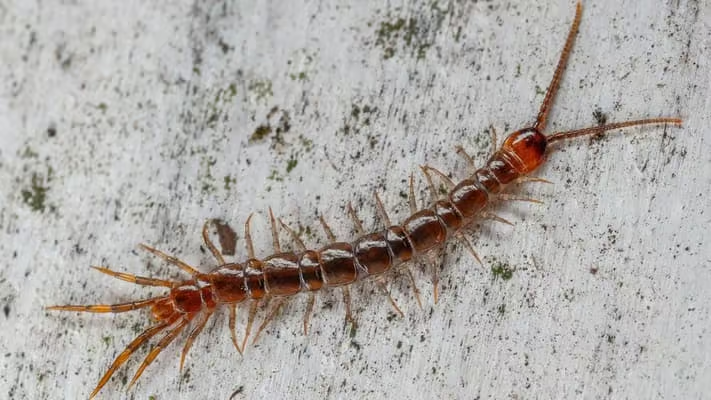
House centipedes have long, flattened, yellowish-gray bodies with dark stripes and up to 15 pairs of long, delicate legs, giving them a distinctive fast, erratic movement.
Signs of a Centipede Problem
The main sign is seeing centipedes themselves—fast, multi-legged insects with long antennae—darting across floors, walls, or bathtubs, especially at night. House centipedes are yellowish-gray with dark stripes and very long legs, giving them a distinctive stop-and-go movement when startled.
You may find them trapped in sinks or tubs, along basement baseboards, or near floor drains. Because they hunt other pests, spider webs, silverfish activity, or moisture stains in the same areas often accompany repeated sightings. Shed skins are possible but less commonly noticed than the live animals.
Occasional single sightings are common in damp climates. Regular encounters in multiple rooms, or many centipedes over a short period, suggest ongoing moisture and prey issues that should be addressed rather than ignored.
Where Do Centipedes Hide?
Centipedes hide in dark, damp, protected spaces during the day. Indoors that includes basements, crawlspaces, bathrooms, under sinks, behind baseboards, inside floor drains and utility voids, and among stored boxes in humid rooms. They often rest on walls and ceilings as well as floors.
Outdoors they live under stones, logs, mulch, landscape timbers, leaf litter, and loose bark near the foundation. From those sites they move through cracks and door gaps after dark while hunting. Cluttered storage and cardboard against cool concrete walls create ideal indoor harborage.
Because they are nocturnal and fast, homeowners often see only the individuals that leave cover. Reducing moisture and sealing lower-level entry points removes both the hiding places and the travel routes that keep them indoors.
Basement
commonA below-grade space that is often damp and dark, making it attractive to a wide range of pests.
Bathroom
commonA moisture-rich room that attracts pests drawn to humidity and standing water.
Crawlspace
occasionalA low, enclosed void beneath the home that provides dark, moist harborage for pests.
Garage
occasionalAn attached or detached vehicle storage space that pests can use as an entry point into the home.
Why Are Centipedes Bad for My Home?
Centipedes are mainly a nuisance. They startle people with their speed and appearance, and house centipedes can deliver a pinching bite if handled or pressed against skin, though they are not aggressive hunters of people. Bites are uncommon and usually comparable to a mild bee sting for most individuals, but they are still unwelcome.
More importantly, regular centipede activity often points to humidity problems and other pests that serve as food. Leaving those conditions uncorrected can mean ongoing arthropod pressure in basements and bathrooms. Large numbers can make lower living spaces feel unclean even when sanitation is good.
Centipedes do not damage wood, fabric, or wiring and do not contaminate food the way roaches do. The practical risk is comfort, occasional bites when handled, and the underlying moisture or insect issues their presence reveals.
| Concern | Severity | What it means |
|---|---|---|
| NuisancePrimary | low | General unwanted presence of pests that disrupts everyday life without a specific health or property impact. |
| Bites | low | Direct physical harm to people from pest bites, which can cause pain, irritation, or infection. |
What centipedes put at risk, and how urgent each one is.
How Do I Get Rid of Centipedes?
Lasting control targets moisture, entry points, and prey—not only the centipedes you see. Use dehumidifiers in basements and crawlspaces, fix leaks, improve ventilation, and run exhaust fans in bathrooms. Seal gaps under doors, around utility lines, and in foundation cracks. Reduce mulch depth and pull organic debris away from the foundation.
Indoors, vacuum or capture individuals, clear clutter from damp storage areas, and address spiders and other insects that provide food. Sticky traps in corners can help monitor activity. Perimeter and crack-and-crevice insecticide applications can reduce numbers when paired with environmental fixes; sprays alone without moisture control usually lead to return visits.
If centipedes keep appearing despite DIY moisture work, a Pest Control Company can inspect for hidden leaks, treat exterior harborage and entry zones, and reduce the broader pest population that sustains predators indoors.
Methods, what a professional visit looks like, and what goes wrong when centipedes are treated the wrong way.
When Should I Call a Pest Control Company for Centipedes?
Call a Pest Control Company when centipedes appear regularly in living areas, when basement or crawlspace moisture is hard to control, or when you also see other pests that may be feeding them. Pest Control Company help is useful if you need perimeter treatment, exclusion recommendations, or inspection of voids and foundation gaps you cannot easily access.
You should also call if bite concerns, rental property standards, or multi-unit buildings make fast reduction important. Technicians can combine moisture guidance with targeted applications that reach harborage more effectively than consumer sprays on open floors.
Ask for a plan that addresses why centipedes are present—not just knockdown—so results last beyond a few days. Follow-up may include recommendations for dehumidification, sealing, and exterior landscape adjustments.
Centipedes: common questions
Are house centipedes dangerous?
They are not aggressive and rarely bite unless handled. A bite can be painful for some people but is seldom medically serious. Their bigger role is as a nuisance and a sign of moisture or other insect activity in the home.
Why do I find centipedes in my bathtub?
Bathtubs and sinks are moist and hard for centipedes to climb out of once they fall in while hunting at night. Plumbing penetrations and basement humidity often contribute. Sealing gaps and lowering moisture reduces these encounters.
Do centipedes mean I have a dirty house?
Not necessarily. Centipedes seek dampness and prey insects, which can exist in clean homes with basements, crawlspaces, or humid bathrooms. Clutter and leaks help them, but sanitation alone is not the whole story.
Will killing one centipede solve the problem?
Removing individuals gives short-term relief but does not change the conditions that attracted them. Moisture control, sealing entry points, and reducing other insects are needed for lasting improvement.
Are centipedes beneficial?
Outdoors and even indoors they prey on other pests, so they provide some natural control. Most homeowners still prefer fewer of them in living spaces. Reducing prey and humidity lowers centipede numbers without relying on them as a control method.
How do I keep centipedes out of the basement?
Lower humidity with dehumidifiers and ventilation, seal foundation and door gaps, reduce mulch and leaf litter outside, and manage other basement insects. Perimeter treatment by a Pest Control Company can add protection when DIY steps are not enough.
Get centipedes help near you
Search local, licensed pest control companies by ZIP code.
Looking for a specific service? Browse general pest control companies.