
How to Get Rid of Cockroaches in Your Home: A Complete Treatment Guide
Cockroaches are among the most stubborn household pests in the United States, and for good reason: they hide in cracks during the day, forage at night, reproduce quickly, and thrive wherever food residue and moisture are available. If you are searching for how to get rid of cockroaches in your home, you are rarely dealing with a single visitor. You are dealing with a population that may already include eggs, nymphs, and adults tucked into voids you never see.
This guide is written from a practical treatment perspective—the same framework a Pest Control Company company uses when evaluating a cockroach problem. You will learn how cockroaches typically enter and establish themselves indoors, what light DIY steps can help with early activity, which treatment methods actually interrupt the life cycle, what often goes wrong with store-bought sprays and foggers, and when it is smarter to bring in a licensed technician. You will also see what a Pest Control Company cockroach service looks like from inspection through follow-up, how to choose a good provider, and how to prevent roaches from returning after the crisis is over.
Use this page as a decision guide. If activity is light, recent, and limited to one area, the DIY section may help you slow things down while you improve sanitation. If you see roaches in daylight, find droppings in multiple cabinets, smell a musty odor, or keep finding egg cases after weeks of effort, treat this guide as your bridge to Pest Control Company help—and to platforms like Pest Direct that connect homeowners with local pest control companies ready to inspect and quote the job.
How Cockroaches May Have Gotten Into Your Home
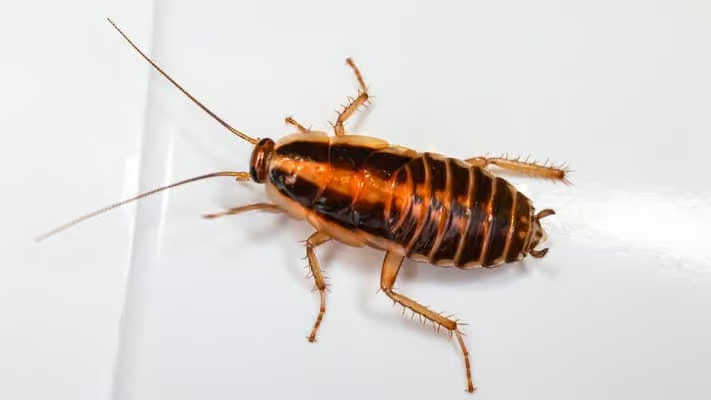
Cockroaches do not appear from nowhere. They arrive by walking in from outside, hitchhiking on bags and used appliances, or moving through shared plumbing and wall voids in multi-unit buildings. German cockroaches are the classic kitchen pest: they favor warm, moist indoor environments and rarely establish long-term colonies outdoors in cooler climates. American cockroaches and other larger species more often move from sewers, basements, crawlspaces, mulch beds, and exterior debris into living space when conditions are right.
Entry points and introduction pathways vary by species. Common routes include gaps under exterior doors, utility penetrations, foundation cracks, floor drains, laundry and kitchen plumbing chases, and unsealed openings around pipes. Grocery bags, cardboard boxes, secondhand furniture, and appliances can carry egg cases or hitchhiking adults into a clean home. In apartments and condos, German cockroaches frequently travel between units through wall voids, electrical outlets, and shared plumbing—so a neighbor’s untreated infestation can become yours.
Moisture is a major driver. Leaky under-sink plumbing, condensation under refrigerators, damp basements, clogged drains, and poorly ventilated bathrooms create ideal harborage. Food residue multiplies the problem: grease films behind the stove, crumbs under appliances, pet food left overnight, open pantry packages, and sticky recycling bins all reward nighttime foraging. Once a female finds reliable food and water near a dark crack, she can produce multiple egg cases over her lifetime, each holding many eggs. That is why a “few roaches” often means a hidden population already growing.
Seasonal and structural factors also matter. After heavy rain, outdoor or sewer-associated cockroaches may push indoors. Summer heat can increase activity in basements and utility rooms. Homes with cluttered storage, cardboard stacks, and unsealed food create more harborage than homes with tight kitchens and dry cabinets. Understanding how cockroaches arrived is not academic—it tells you whether the fix is gel baiting a kitchen, sealing plumbing gaps, drying a void, treating adjoining units, or rebuilding sanitation habits that keep scouts from staying.
How to Treat a Cockroach Problem in Your Home
Effective cockroach treatment is not about killing every roach you see under the kitchen light. Visible adults are usually a fraction of the total population. The goal is to reduce food and water, place products where roaches harbor and feed, interrupt reproduction, and verify results over multiple weeks. Pest Control Companies think in systems: identify the species when possible, map harborage, choose baits and residuals carefully, reduce conducive conditions, and plan follow-up because eggs hatch after the first knockdown.
A single American cockroach near a basement drain is a different job than German cockroaches in every kitchen cabinet and under the dishwasher. Match the intensity of treatment to the intensity of the problem. Below is how to approach light DIY control, the main treatment methods used in residential work, and the failure modes that turn a small issue into a months-long infestation.
Treating Light Cockroach Problems Yourself
If you have only recently noticed a few cockroaches at night in one kitchen or bathroom, start with sanitation and moisture control before buying a cabinet full of products. Empty and wipe cabinets, clean under the stove and refrigerator, store food in sealed containers, take out trash nightly, rinse recycling, and fix obvious drips. Dry sink cabinets and reduce standing water in pet bowls overnight if possible. These steps remove the resources that keep a small population thriving.
Next, place commercial cockroach gel baits or bait stations in cracks, corners, and along edges where roaches travel—not in the middle of open counters. Focus on under sinks, beside the trash can, behind appliances, near the dishwasher, and along baseboards in dark corners. Baits work because cockroaches feed and, for some products, transfer active ingredient through contact and feces among harbor mates. Avoid spraying heavy contact insecticides over bait placements; many sprays make baits less attractive or scatter roaches into new rooms.
Use sticky traps to monitor activity along walls and behind furniture. Check them every few days to see whether counts rise or fall. Be patient: egg cases can continue hatching after adults decline, so a light problem may need two to three weeks of consistent baiting and cleaning. If activity is limited to one room, stays small, and steadily declines, you may resolve an early problem without a service call. If you see roaches during the day, find pepper-like droppings in multiple cabinets, notice a musty odor, or activity spreads after sprays, escalate.
What Can Go Wrong If Cockroach Problems Are Handled Poorly
The most frequent DIY failure is relying on aerosol foggers and indiscriminate sprays. Foggers can drive cockroaches deeper into walls and rarely reach egg cases in protected crevices. Killing a few visible adults feels productive, but it leaves nymphs and oothecae intact. Another failure mode is baiting incorrectly: placing bait in open light, using too little or too much product, or contaminating baits with cleaners so roaches ignore them.
Misidentification wastes time. Treating basement American cockroaches as if they were German kitchen roaches—or ignoring a multi-unit source—means the real harborage stays active. Ignoring moisture allows populations to re-establish even after temporary knockdown. Over-cluttered kitchens hide food films and nesting sites no bait can fully overcome. In apartments, treating one unit while neighbors remain untreated leads to re-invasion through shared walls and plumbing chases.
Delays also have costs. What starts as nighttime sightings can become daytime activity, contaminated pantries, asthma and allergy triggers from allergens in droppings and shed skins, and a musty odor that signals a heavy population. The longer cockroaches train on your kitchen as a reliable resource, the more thorough the eventual treatment must be—and the more follow-up visits you may need.
Treatment methods
The approaches a technician chooses between for cockroaches, and what each one is good at.
- Species identification and inspection
- German cockroaches, American cockroaches, Oriental cockroaches, and others are not interchangeable problems. Identification looks at size, color, markings behind the head, where insects are found, and whether activity is tied to kitchens, basements, or sewers. A careful inspection maps droppings, shed skins, egg cases, grease trails, moisture sources, and harborage in appliances and voids. Skipping identification is a common reason DIY treatments cycle endlessly without lasting control.
- Gel baits and bait stations
- Baits are the backbone of modern indoor cockroach programs, especially for German cockroaches. Gel baits are placed in pea-sized amounts in cracks, hinge areas, and dark corners where roaches hide. Stations protect bait from children, pets, and dust. Pest Control Companies rotate bait matrices when feeding slows and monitor consumption. Homeowners should keep baits out of reach of children and pets, replace dried or contaminated placements, and resist the urge to spray over them.
- Insect growth regulators (IGRs)
- Growth regulators do not provide instant knockdown; they disrupt development so nymphs fail to mature into reproductive adults. Used with baits and residuals, IGRs help break multi-generational infestations. They are especially valuable when eggs continue hatching after the first treatment wave. Patience and follow-up matter because population decline may lag the first product placement by days or weeks.
- Crack-and-crevice and residual applications
- Targeted residual insecticides applied into cracks, baseboards, voids, and utility penetrations reduce harborages without saturating every surface in the home. Broadcast spraying open floors is rarely the best primary tactic and can scatter activity. Exterior and basement work may be useful for larger outdoor-associated species that move indoors through drains and foundation gaps.
- Sanitation, moisture correction, and exclusion
- Long-term cockroach control includes fixing the conditions that invited them. That means repairing leaks, cleaning grease films, sealing gaps around pipes, screening drains where appropriate, reducing cardboard clutter, and storing food in sealed containers. Exclusion and sanitation do not eliminate a large population overnight, but they make re-infestation far less likely after population reduction.
- Integrated follow-up and monitoring
- Cockroach pressure can rebound when egg cases hatch or when adjoining units remain untreated. Monitoring with sticky traps, re-checking old harborage sites, and scheduling follow-up visits are standard in Pest Control Company programs. A one-time fogger with no follow-up is a common consumer disappointment for German cockroach infestations.
When You Should Call a Pest Control Company for Cockroaches
Call a Pest Control Company when cockroaches return after one to two weeks of correct sanitation and baiting, when you see activity in multiple rooms, or when you find droppings, egg cases, or shed skins throughout cabinets and appliance voids. Daytime sightings are a red flag that the population is larger than the few insects you notice at night. A strong musty odor, roaches in bedrooms or living areas far from the kitchen, or activity after recent moves or appliance deliveries also deserve inspection sooner rather than later.
You should also call for help if anyone in the household has asthma or heightened sensitivity to cockroach allergens, if you manage a rental or food-handling environment, or if you live in multi-family housing where neighboring units may be the source. Pest Control Companies are not only for “huge” infestations; they are for infestations you cannot verify as solved. A same-week inspection can prevent months of product experiments that never reach the full life cycle.
If you are unsure whether you have German cockroaches versus a larger outdoor-associated species, do not wait. Species and harborage location change product choice and where treatments must be placed. A trained technician can confirm the insect, explain risk level, and recommend a plan sized to your home.
Why a Pest Control Company Is Often Better Than DIY Alone for Cockroaches
Pest Control Companies bring three advantages homeowners rarely match: diagnostic skill, product selection with proper placement, and a process that includes verification. Species identification changes everything—bait choice, whether growth regulators are needed, whether drains and basements must be treated, and whether multi-unit coordination is required. Technicians also see patterns: the same dishwasher void that holds German cockroaches may also explain recurring moisture that keeps bait programs from finishing the job.
DIY products available at retail can help with light foraging pressure, but labels, placement rules, and safety constraints limit what a homeowner can legally and effectively do in wall voids, appliance cavities, and shared building spaces. Pros use integrated methods—gel baits plus IGRs plus targeted residuals plus sanitation coaching—instead of a single can of fogger. They also know when not to spray, which is just as important for bait success.
There is also a time and stress calculation. Repeated store runs, nightly kitchen battles, and worry about allergens and food contamination add up. A structured service plan converts that uncertainty into a schedule: inspect, treat, follow up, and document results. For many households, that reliability is the real product. Pest Control Company service is not about “giving up”; it is about matching tools to a biological problem that evolved to hide, reproduce, and outlast casual countertop cleanup.
What the Pest Control Company Treatment Process Looks Like for Cockroaches
While companies vary, high-quality residential cockroach control follows a predictable arc. Understanding the process helps you evaluate quotes and avoid one-visit mystery sprays with no inspection story. Here is the typical sequence from first call to lasting control.
Inspection and identification
A technician interviews you about where and when you see cockroaches, then inspects kitchens, baths, utility rooms, basements, appliance voids, and plumbing penetrations. They identify likely species and map droppings, egg cases, and moisture sources. Sticky monitors may be placed to measure pressure between visits.
Treatment plan and prep guidance
You receive a plan that may include gel baiting, growth regulators, crack-and-crevice work, and sanitation notes. Prep might mean emptying under-sink cabinets, reducing clutter, cleaning grease films, or noting rooms with limited access. Clear prep instructions are a sign of a careful company.
Initial treatment
The technician places baits in harborages, applies targeted products where evidence supports them, and addresses exterior or basement pressure when relevant. Good techs explain what they are doing in plain language and what results to expect over the next several days as feeding and hatching cycles play out.
Follow-up and adjustment
Because egg cases hatch after the first visit, follow-up is common and often essential. The technician reassesses activity, rotates baits if needed, and confirms whether monitors show decline. This is where many DIY attempts fail—there is no second look timed to the life cycle.
Prevention and maintenance options
After knockdown, many homeowners choose periodic service in high-risk kitchens or multi-unit buildings. Exclusion repairs—sealing pipe gaps, improving door sweeps, fixing leaks—may be recommended as handyman or homeowner tasks. The end state is fewer conducive conditions, not only fewer roaches today.
How to Find a Good Pest Control Company for Cockroach Control
A good cockroach control provider is licensed where required, carries insurance, and can explain their process without hiding behind jargon. Ask what species they suspect, whether they will use baits and growth regulators rather than foggers alone, and whether follow-up is included. Be cautious of ultra-cheap “spray the baseboards” quotes that never discuss harborage, egg cases, or sanitation.
Check recent reviews for mentions of communication, punctuality, and whether cockroaches actually stopped—not only whether the tech was friendly. Ask about pet and child safety practices, what you need to do before service, and how callbacks work if activity continues. For multi-unit issues, ask specifically about coordinating with building management or treating adjoining areas when possible.
This is also where Pest Direct fits the homeowner journey. After you understand the problem from a guide like this, the next step is not endless product aisles—it is connecting with local pest control companies that already service cockroach infestations. Pest Direct helps you move from reading about the problem to getting help: find Pest Control Companies in your area, compare options, and request service without guessing which random search result is legitimate. Use educational guides to know what “good” looks like, then use the platform to hire it.
When you request service, share details that speed diagnosis: rooms involved, how long activity has lasted, photos of the insects or droppings, whether you have used sprays or baits already, and any moisture or multi-unit concerns. Better intake information produces better quotes and faster results.
How to Keep Cockroaches From Coming Back
Prevention is the quiet half of cockroach control. Store food in sealed containers, wipe grease and crumbs nightly, and avoid leaving pet food out overnight. Take out trash regularly and rinse recycling. Fix leaks quickly and dry under-sink cabinets. Reduce cardboard stacks and clutter that create dark harborage. Clean under and behind appliances on a schedule, not only when you see a roach.
Exterior and building maintenance matter as much as kitchen habits. Repair damaged screens, weatherstripping, and door sweeps. Seal gaps around pipes and utility lines. Address floor drains and basement moisture that invite larger outdoor-associated species. In apartments, report neighboring activity early and keep your unit as unrewarding as possible even if building-wide pressure exists.
Think of prevention as reducing the “score” of your home as a resource. You may never make a property cockroach-proof in every season or every multi-unit building, but you can make it unrewarding enough that small introductions fail to become established colonies. Pair that with monitoring—react to the first new droppings or sticky-trap captures instead of waiting for daytime sightings—and you stay ahead of the next cycle.
Cockroaches treatment: common questions
What is the fastest way to get rid of cockroaches in the house?
For light activity, improve sanitation and moisture control, then place quality gel baits in cracks and dark corners where roaches travel. Contact sprays and foggers may kill visible insects faster but often fail to eliminate eggs and hidden nymphs. If roaches return within days or spread to multiple rooms, schedule a Pest Control Company inspection.
Why do cockroaches keep coming back after I spray them?
Sprays usually kill exposed adults without destroying egg cases or deep harborage, and surviving roaches may scatter into new voids. Baits, growth regulators, sealing entry points, and drying moisture sources address the population more reliably than repeated aerosol use alone.
Do natural remedies like baking soda or essential oils get rid of cockroaches permanently?
Home remedies may kill a few insects or temporarily deter activity, but they rarely eliminate a breeding population. They are best treated as minor supplements to sanitation—not as a complete program. Permanent results require removing attractants and affecting all life stages.
How long does Pest Control Company cockroach treatment take to work?
Many homes see reduced activity within a few days to a couple of weeks, but full control can take multiple visits because eggs hatch after the first treatment. Follow-up is common for German cockroaches. Your technician should set expectations based on what they find during inspection.
Are cockroach baits safe to use around pets and children?
Many baits are designed for crack placement or enclosed stations, but all pesticides must be used exactly as labeled. Place products out of reach and ask your provider about pet-safe protocols. When in doubt, Pest Control Company placement reduces household risk.
How can I tell German cockroaches from American cockroaches?
German cockroaches are smaller, light brown, with two dark stripes behind the head, and usually infest kitchens and bathrooms. American cockroaches are larger, reddish-brown, and more common in basements, sewers, and outdoor-connected areas. Identification matters because harborage and treatment emphasis differ.
Should I clean before or after cockroach treatment?
Clean grease and food residues before treatment so baits are more attractive and harborages are easier to find. After service, follow your technician’s timing guidance before wiping treated cracks. Over-cleaning bait placements too early can reduce effectiveness.
Can Pest Direct help me find cockroach control near me?
Yes. Once you understand your cockroach problem, Pest Direct connects you with local pest control companies that handle residential cockroach service. Compare providers and request help without starting from zero.
Hand the cockroaches problem to someone licensed
Compare local pest control companies that treat cockroaches, see what they charge, and get an estimate.