Cockroaches
Cockroaches are resilient, fast-moving insects that invade homes seeking food, warmth, and moisture, and are strongly linked to allergens and disease.
How Did I Get Cockroaches??
Cockroaches enter homes for warmth, moisture, food, and harborage. German cockroaches often arrive in grocery bags, cardboard boxes, used appliances, or from neighboring units in multi-family housing. Once inside a kitchen or bathroom, a small introduction can become a full infestation because females produce many offspring and hide eggs in protected crevices.
American cockroaches and other larger species more often move indoors from sewers, basements, crawlspaces, drains, and damp exterior harborage. They follow plumbing lines, utility gaps, and foundation openings, especially when weather extremes push them toward stable indoor climates. Clutter, grease, pet food, and leaky pipes make a home far more inviting.
Sanitation problems help, but even clean homes can get roaches if they hitchhike in or migrate from shared walls and drains. Because roaches are nocturnal and hide during the day, people often notice the problem only after the population is already established.
How to identify cockroaches
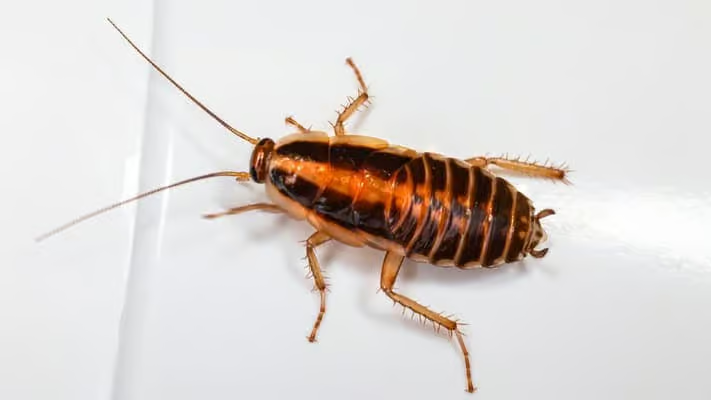
Cockroaches are flat, oval-bodied insects with long antennae and spiny legs; German cockroaches are light brown with two dark stripes behind the head, while American cockroaches are reddish-brown and can exceed two inches long.
Known species and subtypes
- German CockroachBlattella germanicaThe most common indoor cockroach, light brown with two dark stripes, favoring warm, humid kitchens and bathrooms.
- American CockroachPeriplaneta americanaThe largest common household cockroach, reddish-brown, often found in basements, sewers, and utility areas.
- Oriental CockroachBlatta orientalisA dark, shiny cockroach that prefers cool, damp locations such as basements, drains, and crawlspaces.
- Brown-Banded CockroachSupella longipalpaA smaller cockroach that prefers warmer, drier locations away from water, such as upper cabinets and electronics.
Signs of a Cockroach Infestation
Live roaches seen at night when lights turn on are a classic sign. During the day, you may find them only when disturbing cabinets, appliances, or storage boxes. A musty, oily odor becomes noticeable as numbers grow. Dark pepper-like droppings in cabinets, along baseboards, and behind appliances are another common clue.
Look for shed skins, egg cases (oothecae) in cracks and corners, smear marks in heavily traveled areas, and dead roaches in sticky traps or along walls. German cockroaches concentrate in kitchens and bathrooms; larger species may appear in basements, utility rooms, and floor drains.
If you see roaches in multiple rooms, during daylight, or in large numbers, the infestation is likely advanced. Early detection with glue boards in key areas can confirm activity before it spreads through wall voids and neighboring spaces.
Where Do Cockroaches Hide?
Cockroaches prefer tight, dark, warm, and humid spaces. German cockroaches pack into cracks behind refrigerators, stoves, dishwashers, cabinet hinges, drawer slides, and wall voids near plumbing. They also hide under sinks, inside clock and appliance motors, and in cardboard clutter.
American cockroaches favor basements, crawlspaces, boiler rooms, sewers, floor drains, and damp utility areas. Outdoors they use mulch, leaf litter, woodpiles, and trash areas. Because they can travel through pipes and wall voids, an infestation may extend beyond the room where you first saw activity.
A thorough inspection focuses on heat- and moisture-producing equipment, food storage zones, and vertical runways like pipe chases. If harborage is not treated, surface spraying alone rarely eliminates the population.
Kitchen
commonThe room where food is prepared and stored, a common target for pests seeking food and water.
Bathroom
commonA moisture-rich room that attracts pests drawn to humidity and standing water.
Basement
occasionalA below-grade space that is often damp and dark, making it attractive to a wide range of pests.
Sewer
occasionalUnderground sewer lines that can harbor pests, particularly rodents and cockroaches, near the home.
Drain
commonPlumbing drains that stay damp and can serve as an entry route for moisture-loving pests.
Why Are Cockroaches Bad for My Home?
Cockroaches are closely linked to allergens and asthma triggers, especially in children. Their droppings, shed skins, and body parts contaminate living spaces. They also pick up bacteria as they move between drains, garbage, and food-prep surfaces, raising sanitation and food-safety concerns.
Beyond health risks, roaches damage reputation in rental and commercial settings and create a persistent odor when populations are high. They spoil food packaging, stain surfaces, and can be extremely difficult to remove once established in voids and appliances. Multi-unit buildings are especially vulnerable because populations can reinvade from adjacent units.
Waiting rarely helps. A few roaches can become dozens, then hundreds, in a short time under the right conditions. Pest Control Company-grade integrated treatment is often needed once an infestation is established.
| Concern | Severity | What it means |
|---|---|---|
| Disease TransmissionPrimary | high | Pests capable of spreading pathogens or disease to people through bites, contact, or contamination. |
| Asthma Trigger | high | Pest allergens, particularly from cockroaches and dust mites, that can worsen asthma symptoms. |
| Food Contamination | high | Pests contaminating open or prepared food with waste, hair, or pathogens. |
| Sanitation Issue | moderate | Pest activity that creates unsanitary conditions through droppings, shed skins, or waste buildup. |
| Odor | low | Unpleasant smells caused by pest waste, nesting, or decomposing pests. |
What cockroaches put at risk, and how urgent each one is.
How Do I Get Rid of Cockroaches?
Successful cockroach control combines sanitation, harborage reduction, baits, insect growth regulators, and targeted crack-and-crevice applications. Start by eliminating food and water: store food in sealed containers, clean grease, empty trash nightly, fix leaks, and reduce clutter and cardboard. Vacuum accessible areas and place monitoring traps to map activity.
Gel baits placed in known harborages work well because roaches feed and share resources. Growth regulators help interrupt reproduction. Avoid heavy broadcast spraying that can scatter roaches or reduce bait feeding. For German cockroaches, multiple visits are common because eggs hatch after the first treatment wave.
If activity is moderate to heavy, DIY products alone often fail. A Pest Control Company can identify the species, treat voids and appliances correctly, and set a follow-up schedule that breaks the breeding cycle. Exclusion and moisture repair keep reinfestation pressure down after knockdown.
Methods, what a professional visit looks like, and what goes wrong when cockroaches are treated the wrong way.
When Should I Call a Pest Control Company for Cockroaches?
Call a Pest Control Company if you see roaches regularly, find droppings or egg cases, live in a multi-unit building, or still have activity after store-bought treatments. Daytime sightings, strong odor, or roaches in multiple rooms usually mean the infestation is beyond a simple DIY cleanup.
Pest Control Company service is also wise for restaurants, rentals, healthcare-adjacent settings, and homes with asthma or allergy concerns. Technicians use products and placement methods that reach hidden harborages more effectively than general consumer sprays.
Ask for a plan that includes monitoring, follow-up visits, and sanitation guidance. Cockroach elimination is a process, not a one-time spray, and clear expectations help ensure the population is fully broken.
Cockroaches: common questions
What causes cockroaches in a clean house?
Roaches can hitchhike in bags, boxes, used furniture, or from neighboring units and drains. Clean homes still provide moisture, warmth, and tiny food residues. Shared walls and plumbing can also allow migration even when sanitation is good.
Are German cockroaches worse than American cockroaches?
German cockroaches reproduce extremely quickly indoors and are often harder to eliminate once established in kitchens. American cockroaches are larger and more linked to basements, sewers, and damp areas. Both need targeted control, but German infestations often require more intensive follow-up.
Do cockroaches spread disease?
Cockroaches can carry bacteria on their bodies and contaminate surfaces as they move between waste and food areas. Their allergens are also linked to asthma symptoms. Good sanitation plus elimination of the infestation reduces these risks.
How long does Pest Control Company cockroach treatment take?
Many infestations need two or more visits over several weeks because eggs continue hatching after the first treatment. Light activity may resolve faster; heavy German cockroach infestations take longer. Monitoring traps help confirm when activity has truly stopped.
Should I spray cockroaches when I see them?
Occasional contact sprays may kill individuals but often fail against hidden populations and can scatter activity. Baits, growth regulators, and crack-and-crevice treatments are usually more effective. Focus on sanitation and harborage treatment rather than chase-spraying alone.
Can cockroaches live in walls?
Yes. Wall voids, pipe chases, and appliance cavities are common harborage sites. Treating only open surfaces leaves protected populations untouched. Effective control targets cracks, voids, and the rooms where food and moisture are available.
Get cockroaches help near you
Search local, licensed pest control companies by ZIP code.
Looking for a specific service? Browse general pest control companies.