
How to Get Rid of Earwigs in Your Home: A Complete Treatment Guide
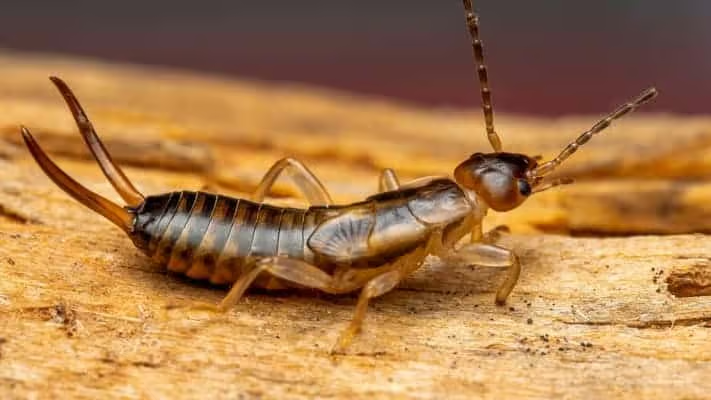
Earwigs are reddish-brown, elongated insects known for the pincer-like forceps at the tip of the abdomen. Despite their intimidating look and an old myth about crawling into ears, they do not spread disease and rarely pinch people unless handled. The real household problem is nuisance invasion: large outdoor populations in mulch, leaf litter, and damp foundation edges that repeatedly wander indoors into bathrooms, basements, and ground-level rooms—especially after rain or during hot, dry spells. If you are searching for how to get rid of earwigs in your home, you are usually dealing with exterior harborage and entry gaps more than a breeding kitchen infestation.
This guide is written from a practical treatment perspective—the same framework a Pest Control Company company uses when evaluating an earwig problem. You will learn how earwigs typically enter homes, what light DIY steps can work for early or seasonal activity, which treatment methods actually reduce perimeter pressure, what often goes wrong with indoor-only sprays, and when it is smarter to bring in a licensed technician. You will also see what a Pest Control Company earwig service looks like from inspection through follow-up, how to choose a good provider, and how to prevent earwigs from returning after the crisis is over.
Use this page as a decision guide. If activity is light, recent, and clearly tied to one damp area or a recent storm, the DIY section may be enough to break the cycle. If earwigs keep appearing after every rain, outdoor beds next to the house are overloaded, or indoor sightings continue despite mulch and sealing work, treat this guide as your bridge to Pest Control Company help—and to platforms like Pest Direct that connect homeowners with local pest control companies ready to inspect and quote the job. The sections below walk you from entry diagnosis through DIY, Pest Control Company process, and prevention so you can choose the right level of response for your property.
How Earwigs May Have Gotten Into Your Home
Almost every indoor earwig problem starts outdoors. Earwigs thrive in cool, moist harborage: mulch beds, leaf litter, under stones and boards, landscape timbers, flowerpots, compost edges, dense groundcover, and damp soil against foundations. They are nocturnal scavengers and occasional predators. During the day they hide tight against moisture; at night they forage. When outdoor populations grow large, individuals wander toward structures and slip indoors through gaps under doors, foundation cracks, window wells, ground-level vents, and damaged weatherstripping.
Most indoor earwigs are accidental invaders rather than insects that need your pantry the way ants or roaches do. Homes with thick mulch touching siding, frequent irrigation near the house, poor door seals, and cluttered window wells see the most traffic. Heavy rain floods outdoor hiding spots and can push earwigs to search for new shelter, including basements and bathrooms. Hot, dry weather can also drive them toward cooler, damper structural edges and indoor microclimates.
Hitchhiking matters too. Bringing potted plants, firewood, garden materials, or outdoor cushions indoors can introduce earwigs hiding underneath. Once inside, they may appear under sinks, along baseboards near exterior walls, in laundry rooms, or in basements where humidity stays high. Homes with automatic irrigation that runs against foundation plantings every evening often rebuild outdoor numbers as fast as homeowners can vacuum individuals indoors.
Garden pressure and household pressure are linked. Earwigs may nibble tender outdoor plants, flowers, and soft fruit when populations explode, which is another signal that harborage next to the house is too rich. Understanding how earwigs arrived is not academic—it tells you whether the fix is pulling mulch six inches off the foundation, sealing a side door, drying a basement, trapping along the perimeter, or applying a Pest Control Company foundation treatment during peak season.
How to Treat an Earwig Problem in Your Home
Effective earwig treatment is not about crushing every pincer-tailed insect you find in the bathroom. Visible indoor earwigs are usually a small share of a much larger outdoor population living in mulch and debris. The goal is to reduce moist harborage against the structure, seal ground-level entry points, lower indoor humidity where relevant, and apply perimeter strategies that interrupt night movement toward doors and cracks. Pest Control Companies think in systems: map outdoor harborage depth and contact, inspect entry points, choose residual and cultural controls, and verify that indoor sightings decline after weather events.
A single earwig after a storm is a different job than nightly bathroom discoveries or foundation walls crawling with insects after irrigation. Match the intensity of treatment to the intensity of the problem. Below is how to approach light DIY control, the main treatment methods used in residential work, and the failure modes that turn a seasonal nuisance into a recurring invasion.
Treating Light Earwig Problems Yourself
If you have only recently noticed a small number of earwigs indoors, start with harborage reduction and exclusion before buying a cabinet full of products. Pull mulch and soil back from siding so a dry inspection strip remains at the foundation. Clear leaf litter, boards, and clutter from window wells and against exterior walls. Avoid overwatering beds next to the house. Install or repair door sweeps and seal visible gaps around pipes and ground-level vents.
Indoors, vacuum or capture earwigs you see, lower humidity in basements, and fix plumbing leaks under sinks. Simple traps—such as moist rolled newspaper or shallow oil traps placed along foundation edges overnight—can reduce local outdoor numbers when checked and discarded in the morning. These steps remove the “why” that keeps earwigs pressed against your walls and slipping inside.
Be patient. Outdoor populations and irrigation habits do not reset in a day. Avoid relying only on indoor sprays that kill what you see while mulch still touches the house. After you pull mulch and seal doors, use the next rain as a test: a sharp drop in indoor invaders means the environment is improving; another wave means more exclusion or Pest Control Company perimeter work is needed. If activity is limited, stays small, and declines after habitat and sealing work—especially when the next rain does not bring a new wave—you may resolve a light problem without a service call. If earwigs return in force after every wet period, outdoor beds remain overloaded, or ground-level rooms see nightly activity, escalate.
What Can Go Wrong If Earwig Problems Are Handled Poorly
The most frequent DIY failure is “bathroom spray and ignore the mulch.” Killing visible earwigs feels productive, but outdoor populations refill gaps the next wet night. Another failure mode is sealing nothing: raking mulch once while doors still lack sweeps and window wells stay full of leaves guarantees returns.
Myths waste energy. Focusing on the ear myth instead of foundation habitat leads people to extreme indoor measures that miss the real source. Overusing consumer foggers can miss outdoor harborage entirely. Delays also have costs. What starts as occasional invaders can become regular bathroom surprises, garden feeding on tender plants, and seasonal dread every time it rains.
In landscapes with heavy irrigation and deep mulch, half-measures fail. Treating only one side of the house while the irrigated flower bed stays wet against the wall leaves a reservoir population. Skipping follow-up after the first autumn rains means the problem appears “solved” in dry weeks and returns on schedule. The longer outdoor habitat trains earwigs that your foundation is reliable shelter, the more thorough the eventual perimeter and landscaping work must be.
Treatment methods
The approaches a technician chooses between for earwigs, and what each one is good at.
- Perimeter inspection and harborage mapping
- Technicians and careful homeowners map mulch depth, irrigation patterns, debris piles, window wells, and entry gaps. Nighttime activity often concentrates along foundation edges. Skipping outdoor inspection is the most common reason indoor sprays fail. Correct identification also separates earwigs from rove beetles or other similar insects.
- Cultural control and landscaping changes
- Pulling mulch back, thinning dense groundcover against siding, elevating firewood, and improving drainage reduce the moist blanket earwigs love. These changes are inexpensive and often more important than any single product. Garden plant damage outdoors may also decline when harborage shrinks.
- Exclusion and sealing
- Door sweeps, weatherstripping, sealed utility penetrations, repaired foundation cracks, and screened vents reduce accidental entry. Exclusion does not eliminate outdoor populations overnight, but it makes indoor sightings far less likely after perimeter reduction.
- Perimeter residual treatments
- Residual insecticides applied to foundation lines, entry points, and harborage edges can reduce earwigs moving toward the structure at night. These treatments work best when combined with mulch and moisture adjustments—not as the only tactic while irrigation keeps beds wet against the wall.
- Indoor moisture and spot removal
- Dehumidifying basements, fixing leaks, and vacuuming indoor individuals address comfort and secondary attractants. Indoor chemical treatment alone rarely solves a foundation-driven invasion. Spot work under sinks and along exterior-wall baseboards supports a larger perimeter plan.
- Follow-up after weather events
- Earwig pressure rebounds after heavy rain or irrigation changes. Re-checking foundation lines and scheduling follow-up during peak season are standard in Pest Control Company programs. A one-time indoor spray with no exterior plan is a common consumer disappointment.
When You Should Call a Pest Control Company for Earwigs
Call a Pest Control Company when indoor sightings continue despite mulch reduction and sealing, when outdoor populations are overwhelming garden beds and foundation walls, or when you need a timed perimeter treatment during peak season. Crawlspace homes, heavy landscaping against siding, and properties with recurring wet basements that support many moisture pests at once are classic escalation triggers.
You should also call for help if repeated invasions disrupt comfort, if you manage a rental with ground-level units, or if you simply cannot keep up with harborage after a good-faith DIY attempt. Pest Control Companies are not only for “huge” infestations; they are for problems you cannot verify as solved across weather cycles. A same-week inspection can prevent months of product experiments that never leave the kitchen floor.
If you are unsure whether invaders are earwigs or another foundation pest—especially after storms—do not wait. Correct identification and perimeter focus change results. A trained technician can confirm the insect, explain risk level, and recommend a plan sized to your landscape and home.
Why a Pest Control Company Is Often Better Than DIY Alone for Earwigs
Pest Control Companies bring three advantages homeowners rarely match: diagnostic skill across outdoor habitat and entry systems, product selection with proper foundation placement, and a process that includes verification after weather-driven peaks. Knowing how irrigation, mulch depth, and door gaps interact changes the plan more than any single indoor spray. Technicians also see patterns: the same moisture line that supports earwigs may support millipedes, sowbugs, or other occasional invaders.
DIY products available at retail can help light pressure, but labels, ladder and perimeter access, and safety constraints limit what a homeowner can effectively treat around an entire foundation. Pros use integrated methods—residuals plus exclusion recommendations plus landscaping guidance—instead of a single can of spray. They also know when not to soak indoor rooms, which is just as important.
There is also a time and stress calculation. Repeated nighttime discoveries, weekend yard projects, and rain-triggered invasions add up. A structured service plan converts that uncertainty into a schedule: inspect, treat, follow up, and document results. For many households, that reliability is the real product—especially when every storm seems to restart the problem from zero. Pest Control Company service is not about “giving up”; it is about matching tools to a biological problem that lives primarily outdoors and only visits your bathroom when conditions allow. Perimeter programs timed for peak moisture-pest seasons often stop the cycle more efficiently than a winter of reactive indoor sprays.
What the Pest Control Company Treatment Process Looks Like for Earwigs
While companies vary, high-quality residential earwig control follows a predictable arc. Understanding the process helps you evaluate quotes and avoid one-visit mystery sprays with no inspection story. Here is the typical sequence from first call to lasting control.
Inspection and identification
A technician interviews you about where and when you see earwigs, then inspects exterior foundations, mulch beds, window wells, door gaps, basements, and moisture-prone rooms. They confirm earwigs and map harborage contact with the structure. Photos help when activity spikes only after rain.
Treatment plan and prep guidance
You receive a plan that may include perimeter residuals, harborage reduction notes, exclusion priorities, and indoor moisture recommendations. Prep might mean clearing foundation access, moving pots off soil contact, or noting irrigation schedules. Clear prep instructions are a sign of a careful company.
Initial treatment
The technician treats foundation lines and entry points, addresses heavy outdoor harborage zones as appropriate, and may advise on traps or indoor spot cleanup. Good techs explain what they are doing in plain language and what results to expect over the next several nights and the next wet weather event.
Follow-up and adjustment
Because rain and irrigation can rebuild pressure, a follow-up visit is common. The technician reassesses indoor sightings, adjusts methods if needed, and confirms whether foundation activity has declined. This is where many DIY attempts fail—there is no second look after the first storm.
Prevention and maintenance options
After knockdown, many homeowners choose seasonal exterior service during peak moisture-pest months. Mulch management, sealing, and drainage improvements may be recommended as homeowner or landscaper tasks. The end state is fewer conducive conditions, not only fewer earwigs today.
How to Find a Good Pest Control Company for Earwig Control
A good earwig control provider is licensed where required, carries insurance, and can explain their process without hiding behind jargon. Ask whether they will inspect the exterior perimeter and mulch contact, how they time treatments around weather, and whether follow-up is included. Be cautious of ultra-cheap “spray the baseboards” quotes that never discuss outdoor harborage or entry points.
Check recent reviews for mentions of communication, punctuality, and whether indoor invasions actually stopped—not only whether the tech was friendly. Ask about pet and child safety practices, what you need to do before service, and how callbacks work if activity continues after rain. For heavy landscaping or crawlspace homes, ask specifically about perimeter and moisture experience.
This is also where Pest Direct fits the homeowner journey. After you understand the problem from a guide like this, the next step is not endless product aisles—it is connecting with local pest control companies that already service your type of issue. Pest Direct helps you move from reading about the problem to getting help: find Pest Control Companies in your area, compare options, and request service without guessing which random search result is legitimate. Use educational guides to know what “good” looks like, then use the platform to hire it.
When you request service, share details that speed diagnosis: rooms involved, how long activity has lasted, whether invasions follow rain or irrigation, photos of the insects, whether you have used sprays already, and mulch or moisture concerns. Better intake information produces better quotes and faster results.
How to Keep Earwigs From Coming Back
Prevention is the quiet half of earwig control. Keep mulch and dense vegetation pulled back from the foundation. Reduce standing water and overwatering next to the house. Clear leaf litter and debris from window wells. Seal gaps around doors, vents, and ground-level utility lines. Keep basements and crawlspaces as dry as practical.
Exterior habits matter as much as indoor cleanliness. Elevate firewood and pots, avoid long-term boards on soil against siding, and improve drainage where water pools at the foundation. When bringing plants or garden materials indoors, inspect undersides first. A dry inspection strip around the house with sealed doors will outperform any fragrance or indoor spray used alone.
Think of prevention as reducing the “score” of your foundation as earwig hotel space. You may never make a garden earwig-free, but you can make the path into living space unrewarding enough that indoor sightings stay rare. Pair that with early reaction after the first post-rain invaders—and you stay ahead of the next cycle. Spring and late-summer landscaping checkups—mulch depth, irrigation aim, door sweeps, and window-well cleanup—prevent most of the invasions that feel sudden but were predictable from exterior conditions.
Earwigs treatment: common questions
What is the fastest way to get rid of earwigs in the house?
For light activity, remove indoor individuals, seal door gaps, pull mulch back from the foundation, and reduce moisture against the house. Indoor sprays kill what you see faster but often fail if outdoor harborage remains. If invasions continue, schedule a Pest Control Company perimeter inspection.
Why do earwigs keep coming back after I spray them?
Sprays usually kill individuals without removing mulch contact, irrigation moisture, or entry gaps. Outdoor populations refill the structure after rain. Perimeter treatment and habitat changes address the source more reliably than indoor spraying alone.
Do earwigs crawl into people’s ears?
This is a myth. Earwigs do not seek out human ears. Their name is historical, not behavioral. They prefer damp outdoor harborage and only occasionally wander indoors by accident.
How long does Pest Control Company earwig treatment take to work?
Many homes see fewer indoor sightings within a few days of perimeter treatment and harborage changes, but full pressure reduction can take longer across wet weather cycles. Follow-up visits are common. Your technician should set expectations based on inspection findings.
Can earwigs pinch or bite?
Earwigs can use their forceps defensively if handled, which may pinch skin. They rarely bite people and do not pose a significant disease risk. Handling them with care or vacuuming them is preferable to bare-hand capture.
Why do I get earwigs after it rains?
Heavy rain floods outdoor hiding spots and can push earwigs to search for new dry shelter, including your foundation and lower rooms. Improving drainage and sealing entry points reduces rain-driven invasions.
Will indoor sprays stop earwigs?
Indoor sprays may kill individuals you see but rarely stop new earwigs entering from outdoor harborage. Lasting control focuses on mulch, moisture, exclusion, and perimeter treatment at the foundation.
Can Pest Direct help me find earwig control near me?
Yes. Once you understand your earwig problem, Pest Direct connects you with local pest control companies that handle residential perimeter and moisture-pest service. Compare providers and request help without starting from zero.
Hand the earwigs problem to someone licensed
Compare local pest control companies that treat earwigs, see what they charge, and get an estimate.