Earwigs
Earwigs are nocturnal insects known for the pincer-like appendages on their abdomen and a preference for damp, dark hiding spots.
How Did I Get Earwigs??
Earwigs thrive in cool, moist outdoor harborage—mulch beds, leaf litter, under stones, landscape timbers, flowerpots, and damp groundcover right against the foundation. When outdoor populations grow large, individuals wander indoors through gaps under doors, foundation cracks, window wells, and ground-level vents, especially during hot, dry spells or after heavy rain forces them to seek new shelter.
They are nocturnal scavengers and occasional predators, not insects that need indoor kitchens the way ants or roaches do. Most indoor earwigs are accidental invaders rather than a breeding household infestation. Homes with thick mulch touching siding, frequent irrigation near the house, and poor door seals see the most traffic.
Bringing potted plants, firewood, or garden materials indoors can also introduce earwigs hiding underneath. The core attractant remains outdoor moisture and organic cover next to the structure.
How to identify earwigs
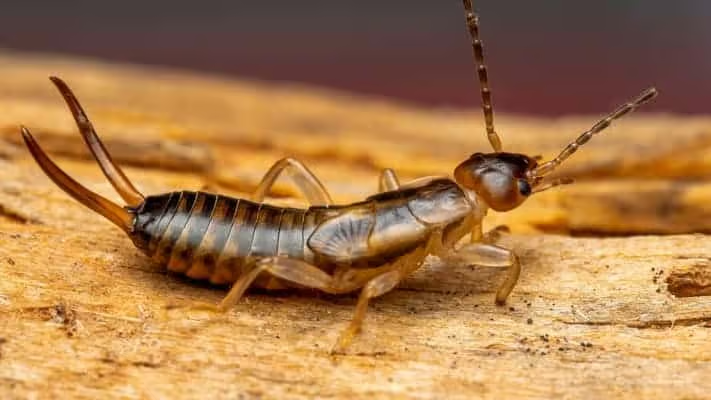
Earwigs are reddish-brown, elongated insects about half an inch to an inch long with distinctive pincer-like forceps at the tip of the abdomen.
Signs of an Earwig Problem
The most obvious sign is seeing reddish-brown, elongated insects with pincer-like forceps at the rear of the abdomen. Indoors they often appear in bathrooms, basements, laundry rooms, or along exterior-facing walls at night. You may find them under doormats, behind baseboards, or trapped in sinks and tubs.
Outdoors, lifting mulch, stones, or patio edges near the foundation may reveal groups clustered in damp spots. Irregular chewing on soft garden plants, seedlings, or flowers can occur when outdoor numbers are high, though many other pests cause similar plant damage.
Repeated indoor sightings after rain or irrigation usually mean exterior harborage is still heavy. A single earwig is common; ongoing numbers mean moisture and entry points need attention.
Where Do Earwigs Hide?
Earwigs hide in tight, moist, dark spaces during the day. Outside, that includes mulch, compost edges, under boards and stones, dense groundcover, railroad ties, and the undersides of pots and outdoor furniture. They also gather in window wells and along damp foundation edges.
Indoors they favor basements, crawlspaces, bathrooms, and other humid rooms, often near ground-level entry points. Clutter against exterior walls, cardboard storage, and leaky window areas provide temporary cover. They do not typically nest deep in wall voids the way some social insects do, but they will use cracks as travel routes.
Because daytime harborage is mostly outdoors, successful control focuses on the foundation perimeter as much as on indoor rooms where earwigs are occasionally seen.
Garden
commonPlanted beds and vegetable gardens that attract pests feeding on plants and soil-dwelling insects.
Foundation
commonThe base structure of the home, where cracks and gaps give pests direct access indoors.
Basement
occasionalA below-grade space that is often damp and dark, making it attractive to a wide range of pests.
Bathroom
occasionalA moisture-rich room that attracts pests drawn to humidity and standing water.
Shrubs
occasionalOrnamental shrubs and hedges that provide cover and can bridge pests from the yard to the structure.
Why Are Earwigs Bad for My Home?
Earwigs look intimidating, but they do not spread disease and rarely pinch people unless handled. Their forceps are used mainly for defense and capturing small prey. The real issues are nuisance invasions, startle factor, and—when outdoor populations explode—feeding on tender garden plants, flowers, and sometimes soft fruit.
Indoors they can leave minor droppings and dead insects in damp areas, which is unpleasant but not a major contamination risk compared with cockroaches. Heavy numbers near entryways and basements still make homes feel invaded and can indicate excess moisture that should be fixed for broader pest and building health.
Leaving thick mulch and foundation gaps unaddressed guarantees seasonal returns. Earwig problems are highly preventable with landscaping and sealing changes.
| Concern | Severity | What it means |
|---|---|---|
| NuisancePrimary | low | General unwanted presence of pests that disrupts everyday life without a specific health or property impact. |
| Garden Damage | low | Damage pests cause to garden plants, vegetables, and ornamental landscaping. |
What earwigs put at risk, and how urgent each one is.
How Do I Get Rid of Earwigs?
Start outdoors. Pull mulch and leaf litter several inches to a foot away from the foundation, thin dense groundcover, fix grading and irrigation that keep soil constantly wet against the house, and reduce harborage under boards and pots. Seal gaps under doors, repair screens, and close foundation cracks and utility openings.
Indoors, vacuum or capture earwigs, lower humidity in basements, and fix plumbing leaks. Trap options such as moist rolled newspaper or oil traps placed along foundation edges can reduce local numbers overnight. Perimeter insecticide applications around the foundation and entry points help when populations are heavy, especially when combined with habitat cleanup.
If earwigs keep entering after moisture and mulch adjustments, a Pest Control Company perimeter treatment and exclusion inspection usually stops the cycle more reliably than indoor sprays alone.
Methods, what a professional visit looks like, and what goes wrong when earwigs are treated the wrong way.
When Should I Call a Pest Control Company for Earwigs?
Call a Pest Control Company when indoor sightings continue despite mulch reduction and sealing, when outdoor populations are overwhelming garden beds and foundation walls, or when you need a timed perimeter treatment during peak season. Pest Control Companies can identify moisture and harborage issues you may overlook and apply products where earwigs travel at night.
Service is also helpful for crawlspace homes, heavy landscaping against siding, or properties with recurring wet basements that support many moisture pests at once. Treating only the insects on the kitchen floor rarely solves an earwig problem rooted in exterior conditions.
Ask for recommendations on mulch depth, irrigation, and sealing priorities along with any chemical treatment so control lasts beyond a single application.
Earwigs: common questions
Do earwigs crawl into people’s ears?
This is a myth. Earwigs do not seek out human ears. Their name is historical, not behavioral. They prefer damp outdoor harborage and only occasionally wander indoors by accident.
Can earwigs pinch or bite?
They can use their rear forceps if handled, which may pinch skin, but they rarely do so otherwise and do not inject venom. They are not considered a significant medical pest. Avoid picking them up with bare hands if you are concerned.
Why do I get earwigs after it rains?
Heavy rain floods outdoor hiding spots and can push earwigs to search for new dry shelter, including your foundation and lower rooms. Improving drainage and sealing entry points reduces rain-driven invasions.
Will indoor sprays stop earwigs?
Indoor sprays may kill individuals you see but do little for the outdoor population producing them. Perimeter treatment plus mulch, moisture, and sealing changes are far more effective for lasting control.
Do earwigs damage houseplants?
They may nibble soft plant tissue outdoors and occasionally on plants left in damp conditions. Most household plant damage has other causes, but reducing outdoor earwig harborage protects gardens and limits indoor hitchhikers on pots.
How can I keep earwigs out of the bathroom?
Seal gaps near ground level, reduce foundation mulch and moisture, fix leaks, and use exhaust fans to dry the room. Bathrooms are destinations for wanderers, not primary breeding sites, so exterior control matters most.
Get earwigs help near you
Search local, licensed pest control companies by ZIP code.
Looking for a specific service? Browse general pest control companies.