
How to Get Rid of Flies in Your Home: A Complete Treatment Guide
Flies are among the most frustrating household pests because they are fast, visible, and closely tied to sanitation. House flies, fruit flies, drain flies, and related species do more than annoy you at the dinner table: they move between waste, decaying organic matter, and food-prep surfaces, carrying bacteria as they go. If you are searching for how to get rid of flies in your home, you are usually dealing with either an open invitation at the doors and trash, a hidden breeding source, or both.
This guide is written from a practical treatment perspective—the same framework a Pest Control Company company uses when evaluating a fly problem. You will learn how flies typically enter and breed around homes, what light DIY steps can work for early activity, which treatment methods actually interrupt the life cycle, what often goes wrong with swatting and store-bought sprays alone, and when it is smarter to bring in a licensed technician. You will also see what a Pest Control Company fly service looks like from inspection through follow-up, how to choose a good provider, and how to prevent flies from returning after the crisis is over.
Use this page as a decision guide. If activity is light and you can find and remove the breeding source—overripe produce, a dirty drain, a neglected trash can—the DIY section may be enough. If flies keep appearing despite thorough cleaning, cluster near light fixtures with fly-speck staining, show up in large numbers in one room, or involve livestock, compost, or multi-unit waste areas, treat this guide as your bridge to Pest Control Company help—and to platforms like Pest Direct that connect homeowners with local pest control companies ready to inspect and quote the job.
How Flies May Have Gotten Into Your Home
Almost every indoor fly problem has an outdoor or near-structure origin story. Adult flies are strong fliers and excellent at exploiting open doors, torn screens, unsealed vents, and gaps under garage doors. They follow odors from trash, pet waste, compost, recycling, grease traps, and food residues. Once a few adults find a reliable food or breeding site, females can lay eggs in moist organic material, and under warm conditions some species complete a full life cycle from egg to adult in as little as a week.
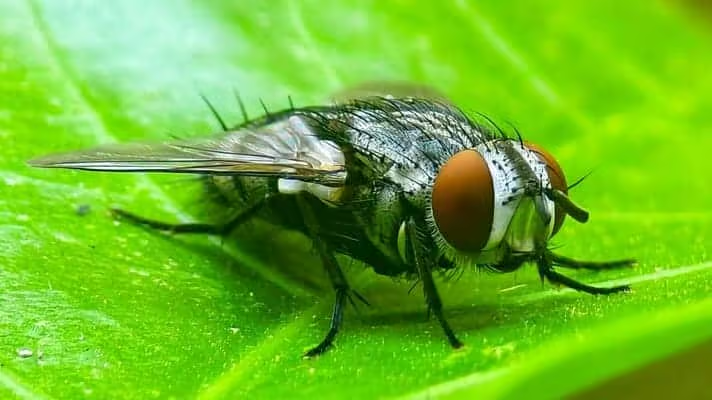
Different fly types point to different sources. House flies are gray with four dark stripes on the thorax and commonly breed in garbage, animal manure, and decaying organic matter near the home. Fruit flies are much smaller, tan-bodied with red eyes, and thrive on fermenting produce, juice spills, beer bottles, and residue in recycling bins. Drain flies (moth flies) breed in the gelatinous film inside sink and floor drains, septic areas, and rarely cleaned disposal units. Cluster flies and some seasonal invaders may enter wall voids and attics in fall seeking overwintering shelter rather than breeding in kitchen waste.
Entry is often continuous rather than a single dramatic invasion. A propped-open patio door during a cookout, a dog door with a worn seal, a kitchen window without a screen, or a dumpster shared with neighbors can all feed a steady trickle of adults indoors. Landscaping and site conditions matter too: standing water in plant saucers, wet mulch against foundations, poorly managed compost, and pet waste left in yards support outdoor populations that press against the house every time a door opens.
Moisture and organic film are as important as crumbs on the counter. Many homeowners clean surfaces thoroughly yet still see flies because the real habitat is a slow drain, a trash can liner that never fully dries, a forgotten potato under the sink, or organic buildup under appliances. Understanding how flies arrived is not academic—it tells you whether the fix is tighter screens and sealed trash, a drain treatment program, produce management, exterior waste correction, or a Pest Control Company inspection for hidden breeding sites you cannot see.
How to Treat a Fly Problem in Your Home
Effective fly treatment is not about killing every adult you see. Visible flies are usually the symptom; the goal is to eliminate breeding sources, reduce adult populations, block entry, and verify that new generations cannot establish. Pest Control Companies think in systems: identify the fly type when possible, locate larval habitats, remove or treat those sites, use traps and residuals as support tools, and recheck until pressure collapses.
A handful of fruit flies around a fruit bowl is a different job than house flies pouring in from a dumpster alley, drain flies reappearing after every sink use, or flies breeding in a wall void where a pipe has leaked into insulation. Match the intensity of treatment to the intensity of the problem. Below is how to approach light DIY control, the main treatment methods used in residential work, and the failure modes that turn a small nuisance into a weeks-long sanitation battle.
Treating Light Fly Problems Yourself
If you have only recently noticed a small number of flies in one area, start with source hunting and sanitation before buying a cabinet full of sprays. Empty indoor trash daily during an outbreak, rinse recycling, clean under trash bags, and store pet food in sealed containers. Remove overripe produce, wipe sticky spills, and check the garbage disposal and sink rim for residue. For fruit flies, a simple apple-cider-vinegar trap with a drop of dish soap can capture many adults while you eliminate breeding sites. Wash drains with appropriate drain cleaners designed for organic film if moth-like drain flies are present—hot water alone is often not enough.
Next, improve physical exclusion. Repair torn window and door screens, install or replace door sweeps, and keep doors closed during peak fly hours. Sticky fly strips and UV light traps can reduce adult numbers in garages, mudrooms, and kitchens when placed away from competing light sources and out of reach of children. Outdoor trash cans should have tight lids; rinse them periodically so residues do not keep attracting adults to the door.
Be patient but systematic. Adult knockdown without source removal guarantees new adults in days. Avoid fogging every room as a first move; it may scatter insects and leave breeding material untouched. If activity is limited to one kitchen, declines within a week of source removal and trapping, and does not reappear after you reset sanitation habits, you may resolve a light problem without a service call. If flies vanish for two days and then surge, appear in bathrooms far from food, leave fly-speck staining on ceilings and fixtures, or you cannot find any breeding source after a thorough search, escalate.
What Can Go Wrong If Fly Problems Are Handled Poorly
The most frequent DIY failure is killing adults and declaring victory. Swatting and aerosol sprays feel productive, but eggs and larvae in drains, trash, or soil continue the cycle. Another failure mode is misidentifying the fly: treating house flies like fruit flies wastes time on vinegar traps while garbage and exterior manure sources remain untouched.
Incomplete sanitation is expensive in frustration. Cleaning counters but leaving a greasy trash can, a clogged floor drain, or wet pet bedding recreates ideal breeding conditions. Overusing consumer foggers can leave residues without solving sources and may be inappropriate in food areas if labels are ignored. In multi-family housing or shared dumpster situations, treating one unit while waste infrastructure remains open leads to endless re-invasion.
Delays also have costs. Flies can contaminate food-prep surfaces, leave fly-speck staining that is hard to clean, and create embarrassment for households that host guests or run home-based food activities. Large outdoor populations near livestock, compost, or commercial waste can overwhelm a home that has only minor indoor issues. The longer breeding continues, the more thorough the eventual cleanup and the more likely a Pest Control Company inspection is needed to find non-obvious sources.
Treatment methods
The approaches a technician chooses between for flies, and what each one is good at.
- Species identification and source inspection
- House flies, fruit flies, drain flies, phorid flies, and cluster flies are not interchangeable problems. Identification looks at size, color, wing posture, and where adults congregate. Inspection maps trash areas, drains, basements, pet zones, compost, exterior waste, and moisture-damaged voids. Skipping identification is the most common reason DIY treatments cycle endlessly without lasting control—fruit fly vinegar traps will not fix a drain film problem, and residual sprays will not stop larvae in a hidden garbage can liner.
- Sanitation and breeding-site elimination
- Removing or cleaning larval habitat is the backbone of fly control. That includes sealed trash management, produce and recycling hygiene, drain biofilm treatment, pet waste pickup, compost management, and cleaning organic residues under appliances and in floor drains. Pest Control Companies often pressure-wash or enzyme-treat problem drains and recommend schedule changes for waste removal. Without this step, every adulticide is temporary.
- Trapping and mechanical reduction
- Sticky traps, bottle traps, and commercial light traps reduce adult pressure while sources are corrected. Placement matters: traps work best along flight paths near windows, in kitchens away from competing daylight, and in garages where flies enter. Traps alone rarely solve an infestation, but they provide monitoring data and immediate relief while sanitation work proceeds.
- Targeted residual and space treatments
- Residual insecticides applied to resting sites—around trash areas, door frames, window sills, and exterior dumpster pads—can lower adult numbers. Space sprays or aerosols may be used carefully in severe adult outbreaks. These tools support, rather than replace, source elimination. Broadcast spraying living rooms for a fruit-fly problem is usually the wrong tool and can create unnecessary chemical exposure without addressing fermenting residue in the recycling bin.
- Drain and moisture programs
- When drain flies or phorid flies are involved, technicians may foam or treat drains, check for broken lines under slabs, inspect sump pits, and evaluate septic or crawlspace moisture. Chronic moisture under floors or behind walls can sustain flies even when the kitchen looks clean. Moisture correction and plumbing repair are sometimes the real treatment.
- Exclusion, monitoring, and follow-up
- Screens, sweeps, sealed vents, and tighter waste enclosures keep new adults out. Monitoring traps confirm whether pressure is dropping. Follow-up visits matter because fly generations turn over quickly; a one-time spray with no recheck often disappoints. Integrated programs combine sanitation coaching, site corrections, and timed treatments until trap counts stay low.
When You Should Call a Pest Control Company for Flies
Call a Pest Control Company when flies return after one to two weeks of disciplined sanitation, trapping, and exclusion; when you see activity in multiple rooms with no clear food source; or when drain flies keep emerging despite repeated drain cleaning. Large numbers of house flies, fly-speck clusters on light fixtures and ceilings, larvae found in unexpected places, or flies associated with a septic, crawlspace, or wall-void moisture problem deserve inspection sooner rather than later.
You should also call for help if anyone in the household has heightened health concerns around contamination, if you manage a rental or food-handling environment, or if outdoor waste and neighboring properties make DIY control impractical. Pest Control Companies are not only for “huge” infestations; they are for infestations you cannot verify as solved. A same-week inspection can prevent weeks of product experiments that never reach the breeding site.
If you are unsure whether activity is fruit flies, drain flies, or something else—or if you suspect a broken sewer line under a slab (sometimes linked to phorid flies)—do not wait. Correct identification changes the entire plan. A trained technician can confirm the insect, locate likely sources, and recommend a plan sized to your home and property.
Why a Pest Control Company Is Often Better Than DIY Alone for Flies
Pest Control Companies bring three advantages homeowners rarely match: diagnostic skill, access to commercial tools and protocols, and a process that includes verification. Species identification changes everything—whether the job is produce hygiene, drain biofilm, exterior dumpster pads, or structural moisture. Technicians also see patterns: the same neglected floor drain that feeds drain flies may explain odors and bacterial film that household cleaners never fully remove.
DIY products available at retail can work for light fruit-fly or occasional house-fly pressure, but labels, placement rules, and safety constraints limit what a homeowner can effectively do around drains, voids, and exterior waste infrastructure. Pros use integrated methods—source elimination plus traps plus targeted residuals plus exclusion recommendations—instead of a single can of flying-insect spray. They also know when not to spray, which is just as important in kitchens and food areas.
There is also a time and stress calculation. Repeated store runs, weekend drain scrubbing, and flies on the fruit bowl every morning add up. A structured service plan converts that uncertainty into a schedule: inspect, treat, follow up, and document results. For many households, that reliability is the real product. Pest Control Company service is not about “giving up”; it is about matching tools to a biological problem that evolved to exploit the organic waste modern homes inevitably produce.
What the Pest Control Company Treatment Process Looks Like for Flies
While companies vary, high-quality residential fly control follows a predictable arc. Understanding the process helps you evaluate quotes and avoid one-visit mystery sprays with no inspection story. Here is the typical sequence from first call to lasting control.
Inspection and identification
A technician interviews you about where and when you see flies, then inspects kitchens, baths, trash areas, drains, basements, garages, exterior waste zones, pet areas, and moisture-prone voids. They identify likely species and map adult resting and breeding sites. Photos or specimens help when activity is intermittent.
Treatment plan and prep guidance
You receive a plan that may include sanitation steps, drain treatments, trapping, exterior residual work, and exclusion notes. Prep might mean emptying under-sink cabinets, bagging produce temporarily, clearing trash rooms, or allowing access to floor drains and utility areas. Clear prep instructions are a sign of a careful company.
Initial treatment
The technician addresses breeding sites, places traps, treats resting areas as appropriate, and corrects obvious entry issues within scope. Good techs explain what they are doing in plain language and what results to expect over the next several days as residual adults die off and new emergence slows.
Follow-up and adjustment
Because fly generations turn over quickly and hidden sources may remain, a follow-up visit is common. The technician reassesses trap counts, re-treats drains if needed, and confirms whether pressure has collapsed. This is where many DIY attempts fail—there is no second look.
Prevention and maintenance options
After knockdown, many homeowners choose periodic exterior or commercial-style waste-area service if pressure is high. Screen repairs, door sweeps, drain maintenance schedules, and landscaping or compost adjustments may be recommended as homeowner tasks. The end state is fewer breeding opportunities, not only fewer flies today.
How to Find a Good Pest Control Company for Fly Control
A good fly control provider is licensed where required, carries insurance, and can explain their process without hiding behind jargon. Ask what species they suspect, whether they will inspect drains and exterior waste sources, and whether follow-up is included. Be cautious of ultra-cheap “spray the house” quotes that never discuss breeding sites, sanitation, or exclusion.
Check recent reviews for mentions of communication, punctuality, and whether flies actually stopped—not only whether the tech was friendly. Ask about pet and child safety practices, what you need to do before service, and how callbacks work if activity continues. For drain flies, multi-unit buildings, or suspected plumbing issues, ask specifically about moisture and drain inspection experience.
This is also where Pest Direct fits the homeowner journey. After you understand the problem from a guide like this, the next step is not endless product aisles—it is connecting with local pest control companies that already service your type of issue. Pest Direct helps you move from reading about the problem to getting help: find Pest Control Companies in your area, compare options, and request service without guessing which random search result is legitimate. Use educational guides to know what “good” looks like, then use the platform to hire it.
When you request service, share details that speed diagnosis: rooms involved, how long activity has lasted, photos of the flies, whether you have used sprays or traps already, and any drain, trash, compost, or moisture concerns. Better intake information produces better quotes and faster results.
How to Keep Flies From Coming Back
Prevention is the quiet half of fly control. Keep trash sealed and removed regularly, rinse recycling, clean drains and disposal units on a schedule, and promptly dispose of overripe produce. Store food in sealed containers, wipe sticky residues, and avoid leaving pet food out longer than necessary. Fix leaks quickly and address slow drains before organic film builds.
Exterior maintenance matters as much as kitchen habits. Repair damaged screens and weatherstripping, keep garage doors closed when possible, and maintain tight lids on outdoor cans. Pick up pet waste, manage compost correctly, and keep wet mulch and standing water from creating permanent outdoor nurseries against the foundation. If you live near shared dumpsters, push for better enclosure and cleaning practices with property management.
Think of prevention as reducing the “score” of your home as a resource. You may never make a property completely fly-free in every season, but you can make breeding rare and entry difficult enough that occasional adults never turn into a population. Pair that with monitoring—react to the first cluster of fruit flies or drain gnats instead of waiting for a cloud—and you stay ahead of the next cycle.
Flies treatment: common questions
What is the fastest way to get rid of flies in the house?
For light activity, remove breeding sources first—trash, produce, and drain film—then use traps to catch remaining adults. Contact sprays kill visible flies faster but often fail to stop new emergence. If flies return within days or numbers stay high, schedule a Pest Control Company inspection.
Why do flies keep coming back after I spray them?
Sprays usually kill adults without destroying eggs and larvae in breeding material. New adults can appear within days under warm conditions. Source elimination, drain treatment when needed, and exclusion address the problem more reliably than spraying alone.
Do vinegar traps get rid of fruit flies permanently?
Vinegar traps can capture many adult fruit flies and help confirm activity, but they rarely eliminate a population if fermenting produce, spills, or recycling residue remain. Use traps alongside sanitation for lasting results.
How long does Pest Control Company fly treatment take to work?
Many homes see reduced adult activity within a few days once sources are treated, but full control can take one to several weeks depending on species and how many generations are already in progress. Follow-up visits are common. Your technician should set expectations based on inspection findings.
Are fly sprays safe to use around food and pets?
All pesticides must be used exactly as labeled. Cover or remove food, keep pets and children away until products dry or as directed, and prefer source control and traps in kitchens when possible. Pest Control Company placement reduces household risk when chemicals are needed.
How can I tell fruit flies from drain flies?
Fruit flies are small with tan bodies and often red eyes, hovering around produce and sinks. Drain flies are moth-like with fuzzy wings and rest on walls near drains. If you suspect drain flies, focus on biofilm in drains; if fruit flies, focus on fermenting organics and recycling.
Should I clean before or after fly treatment?
Clean and remove breeding materials before treatment so technicians can focus on remaining sources and so traps work better. After service, follow your technician’s timing guidance before washing treated surfaces. Over-cleaning baited or treated trap zones too early can reduce effectiveness.
Can Pest Direct help me find fly control near me?
Yes. Once you understand your fly problem, Pest Direct connects you with local pest control companies that handle residential fly service. Compare providers and request help without starting from zero.
Hand the flies problem to someone licensed
Compare local pest control companies that treat flies, see what they charge, and get an estimate.