Flies
Flies are fast-breeding insects that spread bacteria as they move between waste, decaying matter, and food surfaces.
How Did I Get Flies??
Flies enter homes following food odors, moisture, organic waste, and easy openings such as torn screens, open doors, and gaps around windows. House flies breed in garbage, animal waste, and decaying organic matter, then move indoors to rest and feed. Fruit flies are drawn to ripening produce, spills, recycling, and fermentation odors from drains or trash.
Persistent indoor activity usually means a breeding source is nearby—not just a few random visitors. Overripe fruit, dirty drains, trash cans, floor trash, mops, pet waste, and damp organic buildup under appliances can all support rapid reproduction. In warm conditions, some species complete their life cycle from egg to adult in about a week.
Commercial kitchens, busy family kitchens, and homes with recycling or indoor plants are common hotspots. Even clean-looking spaces can host flies if a hidden drain, trash liner, or forgotten produce bag is producing larvae. Finding that source is the real starting point for control.
How to identify flies
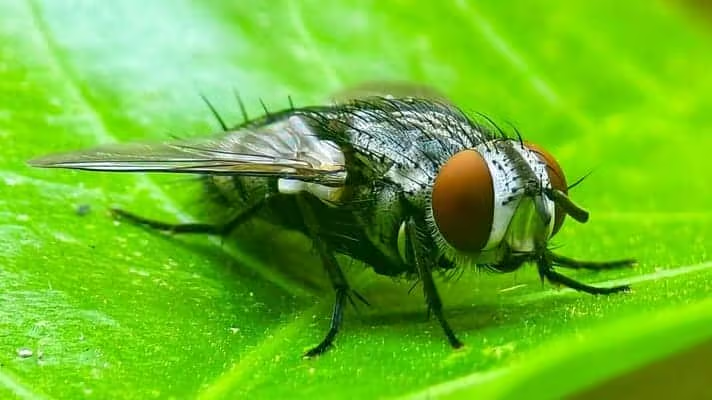
House flies are gray with four dark stripes on the thorax, while fruit flies are much smaller with tan bodies and red eyes; both have a single pair of wings.
Known species and subtypes
Signs of a Fly Infestation
Persistent fly activity despite regular cleaning is the main red flag. You may see house flies circling lights, windows, and food areas, or tiny fruit flies hovering around produce, trash, and drains. Small dark specks—fly fecal and regurgitation spots—can appear near light fixtures, window frames, and upper walls.
Larvae (maggots) in trash, under trash can rims, in drains, or in spoiled food confirm active breeding. Fruit flies often cluster on overripe bananas, potatoes, beer cans, and recycling bins. Drain-breeding flies may be noticed more near sinks, floor drains, and mop sinks, especially in commercial or high-moisture kitchens.
If numbers rebound every day, you are dealing with an ongoing breeding site rather than occasional entry from outdoors. Mapping where flies rest and where larvae appear saves time and prevents wasted spraying that never reaches the source.
Where Do Flies Hide?
Adult flies rest on walls, ceilings, light fixtures, window frames, and the undersides of cabinets and equipment. Breeding, however, happens in moist organic material: trash bins and liners, dumpsters, drains, garbage disposals, compost, pet waste, soiled mops, floor trenches, and decaying produce. Fruit flies exploit the thin film of organic scum inside drains and bottle returns.
Kitchens, trash areas, dining rooms, and commercial food-prep spaces concentrate both food and waste, making them primary zones. Outdoor trash corrals and poorly sealed dumpsters near doors feed continuous indoor invasion. Some species also use damp soil in overwatered plants or forgotten wet rags.
Inspection should follow the odor and moisture trail, not only the flight path of adults. A Pest Control Company looks for larval sites first—because killing visible flies while the breeding medium remains guarantees quick reappearance.
Kitchen
commonThe room where food is prepared and stored, a common target for pests seeking food and water.
Trash Area
commonGarbage and recycling storage areas that attract pests searching for food waste.
Drain
commonPlumbing drains that stay damp and can serve as an entry route for moisture-loving pests.
Dining Room
occasionalA room used for eating that can attract pests drawn to crumbs and food residue.
Commercial Kitchen
occasionalA high-volume food preparation facility with strict sanitation requirements where pest activity poses a compliance risk.
Why Are Flies Bad for My Home?
Flies move between waste, decaying matter, and food surfaces, transferring bacteria as they land, feed, and regurgitate. That contamination risk makes them more than a nuisance in kitchens and dining areas. Fly spots stain walls and fixtures, and heavy activity creates an impression of poor sanitation even when the rest of the home is clean.
Fruit flies and drain flies frustrate homeowners because they seem to appear from nowhere and rebound after surface spraying. In businesses, flies threaten health-code compliance and customer confidence. Rapid breeding means a small overlooked source can become a room full of adults within days in warm weather.
Leaving breeding material in place turns every cleanup into a temporary fix. Source elimination protects food safety and stops the cycle far more effectively than swatting alone.
| Concern | Severity | What it means |
|---|---|---|
| Sanitation IssuePrimary | moderate | Pest activity that creates unsanitary conditions through droppings, shed skins, or waste buildup. |
| Food Contamination | moderate | Pests contaminating open or prepared food with waste, hair, or pathogens. |
| Disease Transmission | low | Pests capable of spreading pathogens or disease to people through bites, contact, or contamination. |
| Nuisance | low | General unwanted presence of pests that disrupts everyday life without a specific health or property impact. |
What flies put at risk, and how urgent each one is.
How Do I Get Rid of Flies?
Locate and eliminate the breeding source first. Empty and clean trash cans, remove overripe produce, scrub recycling bins, clean drains and disposals, pick up pet waste, and fix moisture problems that keep organic films wet. Repair screens and door sweeps so outdoor adults cannot easily replace the ones you remove.
Use targeted tools after sanitation: fly traps or light traps where appropriate, drain treatments for drain-breeding species, and Pest Control Company residual applications in rest areas when needed. Avoid relying only on aerosol fogs that kill a few adults while eggs and larvae continue developing in trash or drains.
For commercial kitchens or chronic residential problems, Pest Control Company service combines inspection, source correction, and monitoring. Lasting control is sanitation-driven; insecticides support the program but cannot replace removing the material flies need to breed.
Methods, what a professional visit looks like, and what goes wrong when flies are treated the wrong way.
When Should I Call a Pest Control Company for Flies?
Call a Pest Control Company when flies persist after thorough cleaning, when you cannot find the breeding source, when activity involves commercial kitchens or food service, or when multiple species or rooms are involved. Drain flies, recurring fruit flies, and dumpster-related house fly pressure often need experienced inspection.
Technicians can identify species, pinpoint larval sites in drains, voids, and waste areas, and recommend sanitation changes that match the biology of the problem. They can also install monitoring devices and apply targeted treatments that consumer foggers miss.
If you run a business or manage a multi-unit property, call sooner rather than later—fly complaints escalate quickly and can indicate deeper sanitation or structural moisture issues. Residential homeowners should also call when DIY traps never get ahead of daily new adults.
Flies: common questions
Why do I suddenly have fruit flies in my kitchen?
Fruit flies breed in ripening produce, spills, recycling, and the organic film inside drains. A single forgotten potato bag or bottle can produce many adults quickly in warm weather. Remove breeding material, clean drains, and seal trash to stop the cycle.
Do flies mean my house is unsanitary?
Flies are attracted to waste and decaying organic matter, but even generally clean homes can have a hidden source such as a drain, trash liner, or overripe produce. Their presence is a signal to find and remove breeding sites, not necessarily a judgment on overall housekeeping.
How long do flies live and breed indoors?
Many common flies can complete development from egg to adult in roughly a week under warm conditions, and adults may live for weeks. That rapid turnover is why untreated sources rebound so fast. Breaking the breeding cycle is more important than killing individual adults.
Will bleach in drains kill drain flies?
Bleach often fails to remove the organic sludge film where drain flies breed and can be a poor long-term fix. Mechanical cleaning of the drain film and proper drain treatments work better. If activity continues, a Pest Control Company should inspect floor drains and other moist organic sites.
What is the difference between house flies and fruit flies?
House flies are larger, gray insects often linked to trash and outdoor waste; fruit flies are much smaller with tan bodies and red eyes and cluster around produce and fermentation odors. Treatment still centers on source removal for both, but the breeding sites differ.
Can I get rid of flies without chemicals?
Source elimination—trash management, produce control, drain cleaning, screen repair, and moisture reduction—solves many infestations with little or no insecticide. Traps can help monitor and reduce adults. Chemicals are a support tool when rest areas or heavy pressure require them after sanitation.
Get flies help near you
Search local, licensed pest control companies by ZIP code.
Looking for a specific service? Browse general pest control companies.