
How to Get Rid of Gnats in Your Home: A Complete Treatment Guide
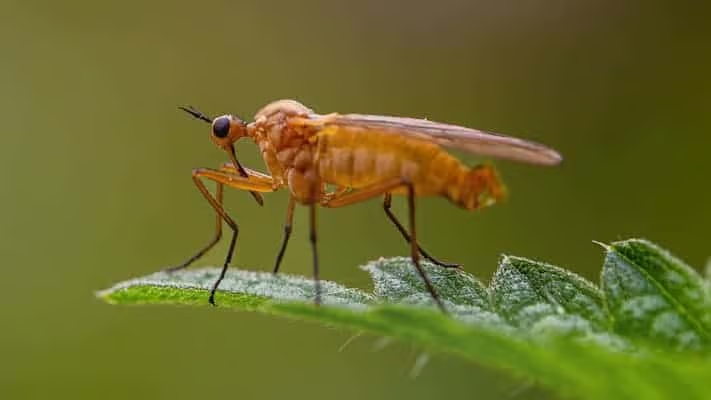
“Gnats” is a household catch-all for tiny flying insects that hover near houseplants, sinks, fruit bowls, and trash. In homes, the most common culprits are fungus gnats—small, dark, mosquito-like flies whose larvae develop in overly wet potting soil—and drain flies, which are fuzzy, moth-like, grayish insects that breed in organic film inside drains. Fruit flies and other small flies are often mixed into the same complaint. If you are searching for how to get rid of gnats in your home, you are usually dealing with a breeding source of moist organic material, not a random cloud that wandered in from outside for no reason.
This guide is written from a practical treatment perspective—the same framework a Pest Control Company company uses when evaluating a gnat problem. You will learn how these insects establish indoors, what light DIY steps can work when you correctly identify the source, which treatment methods actually interrupt breeding, what often goes wrong with sticky traps and sprays alone, and when it is smarter to bring in a licensed technician. You will also see what a Pest Control Company gnat service looks like from inspection through follow-up, how to choose a good provider, and how to prevent gnats from returning after the crisis is over.
Use this page as a decision guide. If activity is light and clearly tied to overwatered plants or one dirty drain, the DIY section may be enough to break the cycle. If tiny flies persist after you dry soil and clean drains, appear in multiple rooms, or keep returning after every watering, treat this guide as your bridge to Pest Control Company help—and to platforms like Pest Direct that connect homeowners with local pest control companies ready to inspect and quote the job.
How Gnats May Have Gotten Into Your Home
Almost every indoor gnat problem starts with a moist breeding site. Fungus gnat adults may enter on houseplants purchased from nurseries, ride in on soil, or fly in through open doors and windows, then lay eggs in damp potting mix rich in organic matter and fungal growth. Larvae feed on fungi and decaying material in the soil—and sometimes on fine roots—while adults hover around plant foliage and nearby windows. Overwatering is the single most common driver of recurring houseplant gnats.
Drain flies tell a different origin story. They breed in the gelatinous organic film that builds inside sink, shower, floor, and laundry drains, overflow channels, and sometimes infrequently used fixtures. Adults rest on walls near the breeding drain with a characteristic moth-like posture. You can bring organic film problems with slow drains, garbage disposals that are not cleaned, or mop sinks that stay damp. Fruit flies and related small flies breed in fermenting produce, recycling residue, trash cans, mop buckets, and damp mops—sources that get mislabeled as “gnats” in everyday speech.
Moisture and sanitation multiply risk. Chronically wet saucers under pots, decorative plant covers that never dry, refrigerator drip pans, pet water areas, and leaky plumbing create parallel breeding options. Multi-plant homes can host staggered generations if only one pot is corrected at a time. Rarely used guest bathrooms and basement floor drains are classic “forgotten” sources for drain flies because film builds quietly until adults suddenly appear on nearby walls.
New plants from stores and nurseries are a frequent introduction pathway for fungus gnats. Soil that looks fine on the surface may already contain larvae. Quarantining new plants, checking for adults on sticky cards, and avoiding immediate overwatering after purchase reduce the chance you seed an entire collection. Understanding how gnats arrived is not academic—it tells you whether the fix is drying soil and sticky-card monitoring, mechanical drain cleaning, discarding overripe produce, or a Pest Control Company inspection for hidden moisture and organic buildup you cannot easily reach.
How to Treat a Gnat Problem in Your Home
Effective gnat treatment is not about swatting every adult in the air. Visible adults are a fraction of the population still developing as larvae in soil or drain film. The goal is to find and eliminate the breeding source, reduce adult numbers while the source dies out, and change watering or cleaning habits so the next generation has nowhere to develop. Pest Control Companies think in systems: distinguish fungus gnats from drain flies and fruit flies, map activity to plants versus plumbing versus kitchen waste, choose source-specific methods, and verify that adult counts collapse over one to two life cycles.
A few flies around one overwatered fern is a different job than whole-home activity, multiple dirty drains, or recurring generations after every watering. Match the intensity of treatment to the intensity of the problem. Below is how to approach light DIY control, the main treatment methods used in residential work, and the failure modes that turn a weekend annoyance into a months-long cloud in the kitchen.
Treating Light Gnat Problems Yourself
If you have only recently noticed a small number of tiny flies in one area, start with source hunting before buying a cabinet full of products. For houseplants, allow the top inch or more of soil to dry between waterings, empty saucers, and avoid decorative outer pots that trap constant moisture. Yellow sticky cards at soil level capture adults and help you confirm which pots are active. Some homeowners top-dress soil with a dry barrier or repot severely infested plants into clean, well-draining mix after discarding the wettest media—done carefully and only when appropriate for the plant.
For drain-related activity, scrub the drain opening, clean overflow holes, and use a drain brush or mechanical cleaning to disrupt organic film. Enzyme or bacterial drain products used as directed can help reduce film over time; boiling water alone is often insufficient for established buildup. For kitchen “gnats” that are actually fruit flies, remove overripe produce, rinse recycling, clean trash lids, and empty compost caddies daily. Fix slow leaks and dry under-sink cabinets.
Be patient. Adults may continue to emerge for several days after the source is corrected because immature stages complete development. Sticky traps and careful adult reduction help during that lag. Avoid relying only on aerosol sprays that kill flying adults while soil stays wet or drains stay filmed. If activity is limited to one plant or one sink, stays small, and steadily declines over one to two weeks of source control, you may resolve a light problem without a service call. If flies rebound after every watering or cleaning, escalate.
What Can Go Wrong If Gnat Problems Are Handled Poorly
The most frequent DIY failure is trapping adults while continuing to overwater plants or ignoring drain film. Sticky cards turn black with bodies and activity continues because larvae are still feeding. Another failure mode is treating the wrong source: deep-cleaning the kitchen while a cluster of wet houseplants in the living room keeps producing fungus gnats, or drying plants while a laundry floor drain breeds drain flies.
Misidentification is expensive in time. Fruit fly fermenting-produce issues will not resolve with soil drying alone. Overusing consumer foggers can create a false sense of security and leave breeding sites untouched. Delays also have costs. What starts as a few flies around a fiddle-leaf fig can become multi-room activity as adults find every wet pot and every film-lined drain.
In multi-plant collections, treating one pot while others stay soggy guarantees staggered generations. In multi-unit housing, shared plumbing issues can reintroduce drain flies even after a unit is cleaned. Skipping follow-up means eggs and larvae that complete development after the first cleanup reestablish the cloud. The longer moist organic sites train flies that your home is reliable habitat, the more thorough the eventual inspection and source removal must be.
Treatment methods
The approaches a technician chooses between for gnats, and what each one is good at.
- Correct identification of the small fly type
- Fungus gnats are slender and mosquito-like near plants; drain flies are fuzzy and moth-like near sinks; fruit flies are typically rounder and associated with produce and fermentation. Identification determines whether you dry soil, clean drains, or sanitize kitchen waste streams. Misidentification is the most common reason DIY cycles endlessly.
- Breeding source elimination
- The backbone of control is removing moist organic habitat: correcting watering, repotting when needed, scrubbing drains, discarding fermenting food, and cleaning trash and recycling zones. Without source elimination, traps and sprays only manage symptoms.
- Monitoring with sticky cards and site mapping
- Yellow sticky cards near plants and visual checks at drains map which sites are active. Pest Control Companies use this logic to avoid treating the wrong room. Homeowners can use the same approach to verify progress after changes.
- Targeted drain and void treatments
- When film is heavy or drains are inaccessible, technicians may use specialized drain treatments, foams, or mechanical approaches beyond consumer gels. Hidden moisture under cabinets or in floor drains often requires trained inspection.
- Limited residual or aerosol adult reduction
- Adult reduction can improve comfort while sources die out, but it is rarely sufficient alone. Pros use adult control sparingly and in concert with source work. Broadcast fogging without source control is a classic failure mode.
- Follow-up across life cycles
- Gnat pressure can rebound if one plant or one drain was missed. Re-checking after seven to fourteen days and adjusting methods are standard in Pest Control Company programs. A one-time spray with no source plan is a common consumer disappointment.
When You Should Call a Pest Control Company for Gnats
Call a Pest Control Company when tiny flies return after one to two weeks of correct source control—soil drying, drain cleaning, and kitchen sanitation—when activity involves multiple rooms, or when you cannot locate the breeding site after a good-faith search. Persistent drain flies despite scrubbing, fungus gnats across large plant collections, and suspected hidden moisture under cabinets or in floor drains are clear escalation triggers.
You should also call for help if anyone in the household is highly distressed by constant flying insects, if you manage a rental or food-related space, or if slow drains and odors suggest deeper plumbing film or organic buildup. Pest Control Companies are not only for “huge” infestations; they are for infestations you cannot verify as solved. A same-week inspection can prevent months of product experiments that never hit the true source.
If you are unsure whether you have fungus gnats, drain flies, fruit flies, or another small fly—especially when adults are everywhere and sources are unclear—do not wait. Misidentifying small flies delays the right treatment. A trained technician can confirm the insect, explain risk level, and recommend a plan sized to your home.
Why a Pest Control Company Is Often Better Than DIY Alone for Gnats
Pest Control Companies bring three advantages homeowners rarely match: diagnostic skill across look-alike small flies, inspection of non-obvious moisture and drain systems, and product or mechanical options beyond retail gels and sticky cards. Knowing whether the driver is potting soil, a guest bathroom overflow, a floor drain, or fermenting residue changes everything. Technicians also see patterns: the same under-sink leak that supports drain flies may explain other moisture pests.
DIY products available at retail can work for light, obvious sources, but labels, access limits, and incomplete drain tools constrain what a homeowner can do in deep plumbing film, multipoint plant collections, and commercial-adjacent kitchens. Pros use integrated methods—source elimination plus monitoring plus targeted treatment—instead of a single aerosol. They also know when not to spray occupied rooms heavily, which is just as important.
There is also a time and stress calculation. Living with flies around your face while cooking, repeated store runs, and guessing which plant is guilty add up. A structured service plan converts that uncertainty into a schedule: inspect, treat sources, follow up, and document results. For many households, that reliability is the real product. Pest Control Company service is not about “giving up”; it is about matching tools to a biological problem that multiplies in wet organic material faster than casual countertop cleanup can stop.
What the Pest Control Company Treatment Process Looks Like for Gnats
While companies vary, high-quality residential gnat and small-fly control follows a predictable arc. Understanding the process helps you evaluate quotes and avoid one-visit mystery sprays with no inspection story. Here is the typical sequence from first call to lasting control.
Inspection and identification
A technician interviews you about where and when you see flies, then inspects houseplants, drains, kitchens, trash areas, under-sink cabinets, and other moist organic sites. They distinguish fungus gnats, drain flies, and fruit flies when possible and map likely breeding zones. Photos help when activity is intermittent.
Treatment plan and prep guidance
You receive a plan that may include watering changes, plant isolation or repotting guidance, drain cleaning steps, sanitation priorities, and targeted Pest Control Company treatments. Prep might mean clearing under sinks, listing all houseplants, or avoiding heavy watering before service. Clear prep instructions are a sign of a careful company.
Initial treatment
The technician addresses identified sources with appropriate drain, residual, or site-specific methods and may place monitoring tools. Good techs explain what they are doing in plain language and what results to expect as remaining adults die off and immature stages stop emerging.
Follow-up and adjustment
Because life cycles and missed secondary sources can sustain activity, a follow-up visit is common. The technician reassesses adult counts, rotates methods if needed, and confirms whether breeding has collapsed. This is where many DIY attempts fail—there is no second look.
Prevention and maintenance options
After knockdown, many homeowners adopt drier watering routines, periodic drain maintenance, and stricter produce and trash habits. Leak repair and humidity control may be recommended. The end state is fewer conducive conditions, not only fewer flies today.
How to Find a Good Pest Control Company for Gnat Control
A good gnat and small-fly control provider is licensed where required, carries insurance, and can explain their process without hiding behind jargon. Ask whether they will inspect plants, drains, and kitchen waste sources, how they distinguish fungus gnats from drain flies, and whether follow-up is included. Be cautious of ultra-cheap “spray the air” quotes that never discuss breeding sites.
Check recent reviews for mentions of communication, punctuality, and whether the flies actually stopped—not only whether the tech was friendly. Ask about pet and child safety practices, what you need to do before service, and how callbacks work if activity continues. For heavy plant collections or chronic drain issues, ask specifically about experience with those sources.
This is also where Pest Direct fits the homeowner journey. After you understand the problem from a guide like this, the next step is not endless product aisles—it is connecting with local pest control companies that already service your type of issue. Pest Direct helps you move from reading about the problem to getting help: find Pest Control Companies in your area, compare options, and request service without guessing which random search result is legitimate. Use educational guides to know what “good” looks like, then use the platform to hire it.
When you request service, share details that speed diagnosis: rooms involved, whether flies cluster at plants or drains, how long activity has lasted, photos, whether you have used sprays or traps already, and watering or plumbing concerns. Better intake information produces better quotes and faster results.
How to Keep Gnats From Coming Back
Prevention is the quiet half of gnat control. Allow potting soil to dry appropriately between waterings, empty saucers, and avoid chronic wet decorative covers. Clean drains regularly with mechanical scrubbing and maintain guest baths and floor drains that are rarely used. Promptly dispose of overripe produce, rinse recycling, and keep trash lids clean. Fix leaks quickly and dry under-sink cabinets.
Structural and habit details matter too. Do not let mop buckets and damp mops sit; address refrigerator drip pans; and quarantine new houseplants until you know soil is not producing fungus gnats. If you have had drain flies, schedule occasional drain maintenance rather than waiting for a cloud of adults. A home that stays free of stagnant wet organic material is a poor nursery for the next generation.
Think of prevention as reducing the “score” of your home as a breeding site. You may never stop every adult that flies in an open door, but you can make successful indoor reproduction rare. Pair that with early reaction to the first new cluster of flies—and you stay ahead of the next cycle.
Gnats treatment: common questions
What is the fastest way to get rid of gnats in the house?
Find and eliminate the breeding source first: dry overwatered soil, clean drain film, or remove fermenting food. Sticky traps reduce adults while sources die out. Sprays alone often fail. If flies persist after source control, schedule a Pest Control Company inspection.
Why do gnats keep coming back after I spray them?
Sprays kill flying adults without removing larvae in soil or organic film in drains. New adults keep emerging. Source elimination and follow-up across life cycles address the problem more reliably.
Are fungus gnats the same as fruit flies?
No. Fungus gnats develop in moist potting soil and look mosquito-like. Fruit flies are associated with ripening or fermenting produce and kitchen residue. Treatments differ: soil moisture control versus sanitation of food waste streams.
How long does Pest Control Company gnat treatment take to work?
Many homes see reduced adults within days, but full resolution often takes one to two weeks or more as immature stages finish and sources are fully corrected. Follow-up visits are common. Your technician should set expectations based on inspection findings.
Do sticky traps get rid of gnats permanently?
Sticky traps capture adults and help monitor activity but rarely eliminate a population if soil stays wet or drains stay filmed. Use them as part of source control, not as the only method.
How can I tell drain flies from fungus gnats?
Drain flies are fuzzy, moth-like, and rest on walls near drains. Fungus gnats are slender, longer-legged, and hover near houseplants and soil. Location of activity is a strong clue; a Pest Control Company can confirm if needed.
Will letting my plants dry out kill fungus gnats?
Allowing appropriately dry intervals between waterings is one of the most effective steps for fungus gnats because larvae need moist organic soil. Extreme underwatering can harm plants, so balance plant health with pest control and use sticky cards to track progress.
Can Pest Direct help me find gnat control near me?
Yes. Once you understand your gnat or small-fly problem, Pest Direct connects you with local pest control companies that handle residential service for fungus gnats, drain flies, and related pests. Compare providers and request help without starting from zero.
Hand the gnats problem to someone licensed
Compare local pest control companies that treat gnats, see what they charge, and get an estimate.