Gnats
Gnats are tiny flying insects often associated with overwatered houseplants, drains, or decaying organic matter indoors.
How Did I Get Gnats??
“Gnats” in homes usually means fungus gnats, drain flies, or similar tiny flies that breed in moist organic material. Fungus gnats commonly develop in overwatered houseplant soil where larvae feed on fungus and decaying matter. Drain flies breed in the gelatinous film inside sink, shower, and floor drains, overflow channels, and rarely cleaned plumbing traps.
Other small flies can come from overripe fruit, garbage disposals, recycling bins, mop buckets, and wet mops left in closets. Adults are weak fliers that stay near the breeding source, so a kitchen or plant shelf that seems “full of gnats” almost always has a wet organic site nearby. Bringing home infested potting mix or plants can introduce fungus gnats even into otherwise clean rooms.
Because these insects complete their life cycle in the breeding material, killing flying adults without drying soil, cleaning drains, or removing the wet source only brings temporary relief.
How to identify gnats
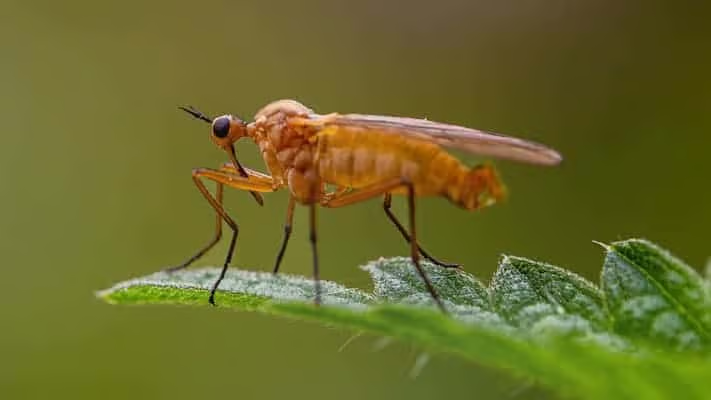
Fungus gnats are small, dark, mosquito-like flies with long legs and a single pair of wings; drain flies are fuzzy, moth-like, and grayish with a distinctive triangular resting posture.
Signs of a Gnat Infestation
Small dark, mosquito-like flies hovering around houseplants, windows, or your face when you water plants are classic fungus gnat signs. You may notice tiny larvae or clear maggot-like forms in overly wet soil when you inspect the surface. Adults are often more obvious near windows as they try to leave.
Drain flies look fuzzier and more moth-like, resting on walls near sinks with a triangular silhouette. Seeing them repeatedly on bathroom or kitchen walls, especially after using the shower or sink, points to drain biofilm. Persistent tiny flies despite counter cleaning usually mean the source is soil, a drain, or hidden wet organic debris—not open crumbs alone.
Yellow sticky traps near plants or drains help confirm where activity concentrates. If traps near pots fill quickly, focus on soil moisture; if activity is strongest at a particular sink, focus on that drain line.
Where Do Gnats Hide and Breed?
Fungus gnat larvae live in the top layer of damp potting mix, saucers of standing water under pots, and sometimes in decorative moss or chronically wet plant trays. Adults rest on nearby foliage, walls, and windows. Any plant that stays soggy is a potential nursery.
Drain flies develop in the organic slime coating drain pipes, floor drains, rarely used guest baths, utility sinks, and condensate lines. Adults rest on nearby tile, walls, and ceilings. Other gnat-like flies may use trash cans, recycling, compost pails, wet mops, pet water areas, and forgotten produce.
Because breeding sites can be out of sight inside pipes or under dense plantings, inspection should include every houseplant’s soil moisture, every drain’s film, and any chronically damp utility space. Treating open air alone never empties those reservoirs.
Kitchen
commonThe room where food is prepared and stored, a common target for pests seeking food and water.
Drain
commonPlumbing drains that stay damp and can serve as an entry route for moisture-loving pests.
Living Room
occasionalA shared living space with upholstered furniture and carpeting that can harbor fabric and carpet pests.
Bathroom
occasionalA moisture-rich room that attracts pests drawn to humidity and standing water.
Why Are Gnats Bad for My Home?
Gnats are primarily a nuisance: they swarm faces, land on food and surfaces, and make kitchens and bathrooms feel unsanitary even when counters are clean. Large fungus gnat populations can also stress houseplants by damaging fine roots when larval numbers are high in constantly wet soil.
Drain flies signal organic buildup that can contribute to odors and plumbing film. While these insects are not major disease vectors in the way cockroaches can be, their presence is still a sanitation issue and can be especially unwelcome in food-prep areas and guest spaces.
Leaving breeding sources in place guarantees continuous adult emergence. What looks like “endless gnats” is usually a stable wet habitat producing new flies every few days until moisture and organic film are corrected.
| Concern | Severity | What it means |
|---|---|---|
| NuisancePrimary | moderate | General unwanted presence of pests that disrupts everyday life without a specific health or property impact. |
| Sanitation Issue | low | Pest activity that creates unsanitary conditions through droppings, shed skins, or waste buildup. |
What gnats put at risk, and how urgent each one is.
How Do I Get Rid of Gnats?
Match control to the source. For fungus gnats, let potting soil dry between waterings, empty saucers, improve drainage, and remove rotting plant debris. Sticky traps catch adults; soil treatments or beneficial nematodes may help heavy plant infestations. Avoid chronic overwatering, which is the root cause in most homes.
For drain flies, scrub drain openings and treat pipes to remove organic film—mechanical cleaning plus enzyme or microbial drain products is often more effective than perfume-like pour-ins alone. Run water in seldom-used drains, clean overflow holes, and address floor drains. Dispose of overripe produce, clean recycling, and dry wet mops.
If you cannot find the source, if multiple drains and plant areas are involved, or if activity continues after diligent drying and cleaning, a Pest Control Company can inspect for hidden moisture, treat drains correctly, and rule out other small-fly species with similar habits.
Methods, what a professional visit looks like, and what goes wrong when gnats are treated the wrong way.
When Should I Call a Pest Control Company for Gnats?
Call a Pest Control Company when tiny flies persist after you have dried houseplants, cleaned drains, and removed obvious food waste, or when activity spreads through multiple rooms. Pest Control Companies help when commercial kitchens, rentals, or large plant collections make source tracking difficult, or when condensate lines, crawlspace moisture, or floor drains are involved.
You should also call if you are unsure whether you have fungus gnats, drain flies, fruit flies, or another species—each has a different primary source. Correct identification prevents weeks of treating the wrong problem.
Ask for an inspection that prioritizes breeding sites over fogging. Effective gnat service focuses on moisture, organic film, and sanitation, with targeted treatment only where it supports source elimination.
Gnats: common questions
Why do I have gnats if my house is clean?
Gnats breed in wet soil, drain film, and other moist organic material—not only in visible dirt. Overwatered plants and biofilm inside pipes can support populations in otherwise tidy homes. Finding and drying or cleaning that specific source is the key.
Are fungus gnats the same as fruit flies?
No. Fungus gnats are associated with damp soil and look more mosquito-like. Fruit flies are usually rounder, more yellowish-brown, and gather on ripe produce and fermenting residues. Both are small, but breeding sites and treatments differ.
How do I get rid of gnats in houseplants?
Allow soil to dry between waterings, empty standing water from saucers, use sticky traps for adults, and remove decaying organic debris on the soil surface. Severely infested soil may need repotting with fresh, well-draining mix. Stopping overwatering prevents rebounds.
What kills drain flies?
Removing the organic film they breed in is more important than killing adults. Clean drains mechanically and with appropriate drain treatments, address overflow channels, and keep traps wet. Surface sprays alone will not stop new flies from emerging.
How long does it take for gnats to go away?
Once the breeding source is truly eliminated, adult numbers usually drop within one to two weeks as remaining flies die off. If moisture returns, populations rebound quickly. Sticky traps help you verify that activity is actually declining.
Do UV zappers or sprays fix gnat problems?
They may kill some adults but do not remove eggs and larvae in soil or drains. Source elimination is required for lasting control. Use traps and sprays only as supplements to drying, cleaning, and sanitation.
Get gnats help near you
Search local, licensed pest control companies by ZIP code.
Looking for a specific service? Browse general pest control companies.