
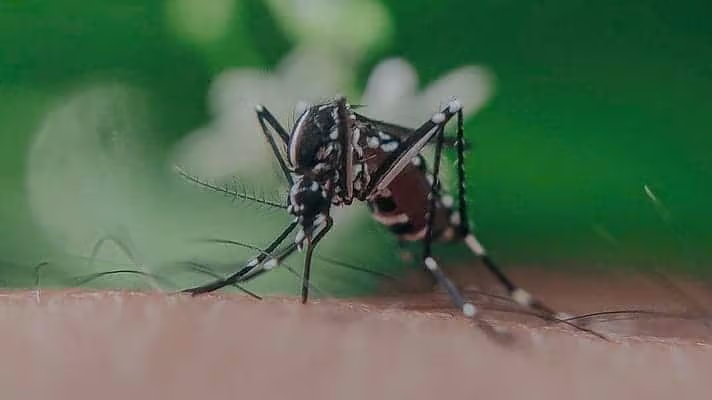
How to Get Rid of Mosquitoes in Your Home: A Complete Treatment Guide
Mosquitoes are more than a backyard nuisance. They breed in standing water—sometimes in amounts as small as a bottle cap—and female mosquitoes bite to obtain blood for egg development. Beyond itchy welts, certain species can transmit pathogens such as West Nile virus and other regional diseases, which is why mosquito pressure around homes deserves a structured response rather than only citronella wishful thinking. If you are searching for how to get rid of mosquitoes in your home, you are usually dealing with breeding sites on or near the property, adult resting habitat in shaded vegetation, and entry into living spaces through imperfect screens and open doors at dusk.
This guide is written from a practical treatment perspective—the same framework a Pest Control Company company uses when evaluating mosquito activity. You will learn how mosquitoes typically establish around residential properties, what light DIY steps can work for early or localized pressure, which treatment methods actually reduce biting populations, what often goes wrong with one-off yard sprays and ignored gutters, and when it is smarter to bring in a licensed technician. You will also see what a Pest Control Company mosquito service looks like from inspection through seasonal programs, how to choose a good provider, and how to prevent mosquitoes from rebounding after the first good weekend outdoors.
Use this page as a decision guide. If activity is light, you can eliminate standing water quickly, and screens are sound, the DIY section may be enough to restore comfort. If biting remains heavy after source reduction, if you have dense landscaping and water features, if neighbors’ untreated water contributes, or if you want a scheduled barrier program for peak season, treat this guide as your bridge to Pest Control Company help—and to platforms like Pest Direct that connect homeowners with local pest control companies ready to inspect and quote the job.
How Mosquitoes May Have Gotten Into Your Home
Mosquito problems around homes almost always begin with water. Eggs and larvae develop in standing or slow-moving water: clogged gutters, birdbaths, plant saucers, toys, tarps, buckets, neglected pools and pool covers, low spots in the yard, tree holes, ornamental ponds without proper circulation, and poorly draining French drains. Some species use temporary rain pools; others exploit containers humans leave outdoors. Adult mosquitoes can also fly in from breeding sites beyond your fence line—stormwater areas, wooded wetlands, and neighboring yards—so a “perfect” property can still experience pressure from the surrounding landscape.
Indoors, mosquitoes enter through torn screens, doors left open at dawn and dusk, unscreened windows, attic or crawlspace vents without intact screening, and gaps around utility penetrations. Once inside, they rest in cool, dark areas—closets, under furniture, laundry rooms—until they find a host. Indoor plants with standing water in saucers can occasionally support limited breeding, but most residential biting still originates from outdoor production and resting sites.
Landscaping multiplies habitat. Dense shrubs, ivy, and unmaintained groundcover provide daytime resting places for adults. Overirrigation creates persistent puddles. Decorative stones and poor grading hold water after storms. Seasonal pressure tracks heat, rainfall, and species biology: after rains, larval sites explode; during warm evenings, host-seeking females peak. Understanding how mosquitoes arrived is not academic—it tells you whether the fix is dumping containers weekly, repairing screens, treating a pond, applying larvicide to sites you cannot drain, or building a Pest Control Company barrier and source-reduction plan for the whole yard.
How to Treat a Mosquito Problem in Your Home
Effective mosquito treatment is not about swatting the one on your arm. The goal is to eliminate or treat breeding water, reduce adult resting habitat, create protective barriers on vegetation when appropriate, and exclude adults from living space. Pest Control Companies think in systems: map water sources, distinguish container breeders from broader landscape pressure, apply larvicides where water cannot be removed, treat resting sites, set homeowner maintenance expectations, and schedule seasonal service when pressure is continuous.
A few mosquitoes after a storm is a different job than nightly patio abandonment, wooded lot edges, ornamental water features, and a neighborhood full of neglected containers. Match the intensity of treatment to the intensity of the problem. Below is how to approach light DIY control, the main treatment methods used in residential work, and the failure modes that leave people miserable every evening from May through September.
Treating Light Mosquito Problems Yourself
If you have only recently noticed increased biting, start with source reduction before buying foggers. Walk the property weekly and empty standing water from containers, toys, saucers, buckets, and tarps. Scrub birdbaths and refill with fresh water at least weekly. Clean gutters so they drain. Dump water from equipment covers and check kids’ play areas after rain. Maintain swimming pools and circulate ornamental water; stagnant decorative features become nurseries.
Repair or replace damaged window and door screens, add door sweeps if needed, and avoid propping doors open at peak biting times. Use EPA-registered repellents on skin when outdoors as labeled, and consider fans on patios—moving air reduces mosquito flight and landing. Trim dense vegetation near outdoor living areas to reduce resting sites. For water you cannot dump (certain ornamental ponds, flood-prone low spots), consumer larvicide dunks labeled for mosquitoes can help when used exactly as directed.
Skip the fantasy of a single backyard fogging session solving a summer of breeding. If activity is modest, water sources are under control, and indoor entry is sealed, DIY source reduction often produces dramatic improvement. If biting remains heavy after two weeks of diligent water management, if you cannot access all breeding sites, or if surrounding habitat overwhelms homeowner efforts, escalate to Pest Control Company inspection and barrier programs.
What Can Go Wrong If Mosquito Problems Are Handled Poorly
The most frequent DIY failure is spraying adults while gutters, toys, and plant saucers continue producing new mosquitoes every week. Another is installing an ornamental water feature or rain barrel without screens, circulation, or larvicide plans. Overgrown vegetation creates endless resting habitat even when water is reduced. Torn screens make indoor nights miserable regardless of yard effort.
Foggers and uncontrolled backyard misting can create a false sense of security that fades in days as new adults emerge or fly in. Ignoring neighbor or municipal breeding sources without any barrier strategy leaves high-pressure lots under-protected. Delaying gutter cleaning until after peak season wastes the months when families want outdoor living. Misusing larvicides or adulticides contrary to labels risks ineffective control and environmental harm.
There is also a health communication failure: assuming every mosquito problem is “just itch” without awareness of local public health guidance on vector-borne disease. That does not mean panic, but it does mean taking source reduction seriously. Properties that host parties without addressing standing water become predictable complaint generators. The longer breeding continues unchecked, the larger the local adult population and the harder a single treatment day must work to catch up.
Treatment methods
The approaches a technician chooses between for mosquitoes, and what each one is good at.
- Property inspection and breeding-site mapping
- Technicians survey gutters, drainage, containers, low spots, water features, wooded edges, and common resting vegetation. They note which species pressure is likely based on habitat and homeowner reports of bite timing. Mapping distinguishes problems you can drain from problems that need larvicide or that originate off-property. Skipping inspection leads to spraying leaves while a clogged gutter produces thousands of adults.
- Source reduction and water management
- The highest-ROI step in mosquito control is removing standing water or making it unsuitable for larvae. That includes gutter correction, grading advice, container discipline, pool maintenance, and adjusting irrigation. Pest Control Companies educate homeowners because untreated saucers reappear after every plant watering. Source reduction is not glamorous, but without it chemical adult control is a treadmill.
- Larvicide applications
- Where water cannot be eliminated—certain ponds, basins, tree holes, or persistent drainage areas—larvicides target immature mosquitoes before they become biting adults. Formulations and timing depend on the site and label. Larviciding is precision work compared with fogging the air and hoping. It is a core Pest Control Company tool for properties with permanent or semi-permanent water.
- Adult resting-site and barrier treatments
- Residual barrier sprays on shaded foliage, under decks, along fence lines, and around outdoor living areas reduce adult mosquitoes that rest in vegetation. These treatments work best as part of an integrated plan with source reduction—not as a substitute for dumping water. Coverage patterns and product choice matter; random misting without inspection underperforms a designed perimeter and harborage program.
- Exclusion and indoor relief measures
- Screen repair, sealing, and behavioral timing (doors closed at dusk) keep adults out of bedrooms. Indoor space sprays are a last resort for the few that enter; long-term indoor fogging is not a strategy. Pest Control Companies emphasize structural exclusion because killing yard adults while leaving torn screens produces bedroom biting at 2 a.m.
- Seasonal programs and monitoring
- Mosquito pressure is seasonal and weather-driven. Many homeowners choose recurring service through peak months, with adjustments after heavy rains. Monitoring bite reports and site conditions guides whether to reapply barriers or revisit larval sites. A one-time spray before a party helps briefly; lasting comfort usually requires a season-long system.
When You Should Call a Pest Control Company for Mosquitoes
Call a Pest Control Company when biting remains heavy after consistent weekly source reduction, when you have complex landscaping or water features you cannot manage alone, or when you need reliable outdoor comfort for an entire season rather than a single weekend. Call if mosquitoes are routinely getting indoors despite basic screen checks, if drainage problems are beyond DIY, or if local pressure from wooded or wetland edges overwhelms container control.
You should also call if someone in the household is especially vulnerable to mosquito-borne illness risk as advised by their medical provider or local health guidance, or if you simply want a structured barrier and larvicide program with scheduled visits. Pest Control Companies are not only for “swamp lots”; they are for properties where time, access, and continuous pressure make homeowner-only tactics insufficient.
Public health emergencies and confirmed disease activity in your area may come with official guidance—follow those authorities first. For routine residential control, booking service before peak season often works better than waiting until family outdoor time is already ruined.
Why a Pest Control Company Is Often Better Than DIY Alone for Mosquitoes
Pest Control Companies bring three advantages homeowners rarely match: systematic breeding-site inspection, access to appropriate larvicide and barrier programs with correct placement, and seasonal scheduling that tracks rainfall and pressure. They see the clogged downspout and the ivy wall you walk past every day. They know when adulticides help and when they are wasted without water management.
Retail repellents and dump-the-saucer habits are valuable and should continue even with Pest Control Company help. But labels, equipment, and experience limits constrain what most homeowners can do across large landscaped lots, elevated gutters, and mixed larval habitats. Pros integrate source reduction coaching with targeted treatments instead of selling fog alone. They also set realistic expectations about immigration from off-property breeding sites.
There is also a time and quality-of-life calculation. Cancelled cookouts, kids refusing the backyard, and nightly itching add up. A structured service plan converts that frustration into a calendar: inspect, treat priority zones, return on schedule, and adjust after storms. For many households, that reliability is the real product. Pest Control Company service is not about “giving up”; it is about matching tools to insects whose life cycle is tied to water and weather more tightly than casual spraying admits.
What the Pest Control Company Treatment Process Looks Like for Mosquitoes
While companies vary, high-quality residential mosquito control follows a predictable arc. Understanding the process helps you evaluate quotes and avoid pure misting services that never mention gutters or larval sites. Here is the typical sequence from first call to lasting comfort.
Inspection and site assessment
A technician interviews you about bite timing and outdoor use patterns, then inspects water sources, drainage, vegetation resting sites, screens, and yard layout. They identify what can be drained versus treated and note off-property pressure. This assessment shapes both immediate work and homeowner homework.
Plan, prep, and homeowner action items
You receive a plan that may include larvicides, barrier treatments, gutter recommendations, and recurring visit schedules. Prep might mean unlocking gates, securing pets, or clearing access to side yards. Clear source-reduction tasks for the homeowner are a sign of a serious program.
Initial treatment
The technician treats larval sites as appropriate and applies adult resting-site or barrier treatments to designated vegetation and structures. Good techs explain re-entry times, what to expect over the next several days, and why dumping water still matters after they leave.
Follow-up and weather-based adjustment
Because rains reset larval habitat and adult immigration continues, follow-up visits are common in peak season. The technician reassesses pressure, retreats barriers, and checks problem water. This is where DIY one-off efforts fail—there is no second look after the next storm.
Seasonal maintenance and prevention coaching
Programs often run through mosquito season with end-of-season recommendations for fall cleanup. Screening, irrigation habits, and landscape thinning may be suggested. The end state is fewer breeding sites and lower resting habitat, not only fewer bites on the day of service.
How to Find a Good Pest Control Company for Mosquito Control
A good mosquito control provider is licensed where required, carries insurance, and can explain source reduction alongside chemical options. Ask whether inspection includes gutters and larval sites, how often service occurs in peak season, what products they use on vegetation, and how they handle water features. Be cautious of quotes that only sell unlimited fogging with no water conversation.
Check recent reviews for mentions of lasting outdoor comfort, punctual seasonal visits, and communication after heavy rains—not only friendly technicians. Ask about pet and pollinator considerations, re-entry times, and whether callbacks exist if pressure spikes mid-cycle. For large or wooded properties, ask specifically about barrier design and realistic expectations regarding neighboring wetlands.
This is also where Pest Direct fits the homeowner journey. After you understand the problem from a guide like this, the next step is not another unplanned trip to the big-box aisle—it is connecting with local pest control companies that already run residential mosquito programs. Pest Direct helps you move from reading about the problem to getting help: find Pest Control Companies in your area, compare options, and request service without guessing which random search result is legitimate. Use educational guides to know what “good” looks like, then use the platform to hire it.
When you request service, share details that speed diagnosis: yard size, water features, gutter condition, wooded edges, how long biting has been severe, indoor entry issues, and any products already tried. Better intake information produces better quotes and faster results.
How to Keep Mosquitoes From Coming Back
Prevention is weekly discipline during warm months. Empty containers, scrub and refresh birdbaths, keep gutters clear, and fix irrigation that puddles against the foundation. Maintain pools and circulate ornamental water. Store buckets and wheelbarrows so they do not collect rain. Check tarps, toys, and grill covers after storms.
Maintain tight screens and repair tears immediately. Thin dense vegetation near patios where practical, and avoid overwatering landscape beds. Use personal repellents when appropriate, and schedule outdoor events with peak biting times in mind when pressure is high. If you use rain barrels, screen openings so mosquitoes cannot breed inside.
Think of prevention as lowering production and resting scores on your property. You may not control every wetland mosquito in the county, but you can stop being the neighborhood’s container breeder and you can make adult resting near doors less attractive. Pair prevention with rapid response after major rains—and you stay ahead of the next hatch.
Mosquitoes treatment: common questions
What is the fastest way to get rid of mosquitoes around the house?
Eliminate standing water immediately, repair screens, and reduce shaded resting vegetation near living areas. Larvicides help water you cannot dump. Barrier treatments reduce adults quickly but work best with source reduction. Heavy pressure often needs Pest Control Company seasonal service.
Why do mosquitoes come back the day after I spray?
New adults emerge from untreated water and fly in from nearby habitat. Sprays knock down resting adults temporarily but do not erase breeding. Combine adult reduction with weekly water management and, when needed, recurring Pest Control Company visits.
How small of a water source can breed mosquitoes?
Very small—plant saucers, bottle caps, clogged gutters, and folded tarps can all produce mosquitoes. Weekly inspection of containers is essential even on small lots.
Do citronella candles eliminate mosquito problems?
Candles and torches may offer limited, localized annoyance reduction but do not eliminate breeding or yard-scale populations. Treat them as minor comfort aids, not control methods.
How long does Pest Control Company mosquito treatment last?
Barrier effectiveness varies with weather, product, and landscape, often measured in days to a few weeks—hence seasonal programs. Larval control lasts as long as treated sites remain unsuitable. Ask your provider for their re-service interval.
Can mosquitoes breed indoors?
Occasionally in indoor water (plant saucers, neglected containers), but most residential issues are outdoor breeding plus entry through openings. Fix screens and remove indoor standing water as part of any plan.
Are mosquito treatments safe for pets and gardens?
Licensed pros use labeled products with specific precautions, drying times, and placement rules. Share pet and garden concerns when booking and follow re-entry guidance. Source reduction has no chemical residue and should always continue.
Can Pest Direct help me find mosquito control near me?
Yes. Once you understand your mosquito problem, Pest Direct connects you with local pest control companies that handle residential mosquito service. Compare providers and request help without starting from zero.
Hand the mosquitoes problem to someone licensed
Compare local pest control companies that treat mosquitoes, see what they charge, and get an estimate.