Mosquitoes
Mosquitoes are flying insects that breed in standing water and are a leading vector for disease transmission worldwide.
How Did I Get Mosquitoes??
Mosquitoes appear around a home because standing water and nearby resting habitat allow them to breed and survive. Females lay eggs in or near water; even small amounts in gutters, birdbaths, buckets, toys, plant saucers, tarps, and low spots in the lawn can produce large numbers of adults. Shaded gardens, tall grass, and dense shrubs then give those adults places to rest between blood meals.
You do not need a pond to have a mosquito problem. Clogged gutters, poorly draining yard corners, corrugated downspout extensions, and forgotten containers are common backyard sources. Adult mosquitoes can also fly in from neighboring properties, drainage areas, or wooded edges, which is why a single yard’s effort sometimes feels incomplete without broader source reduction.
Warm seasons amplify the issue because the life cycle from egg to adult can complete quickly. Once breeding sites and humid resting zones are established near porches, decks, and lawns, evening outdoor time becomes a battle of constant biting.
How to identify mosquitoes
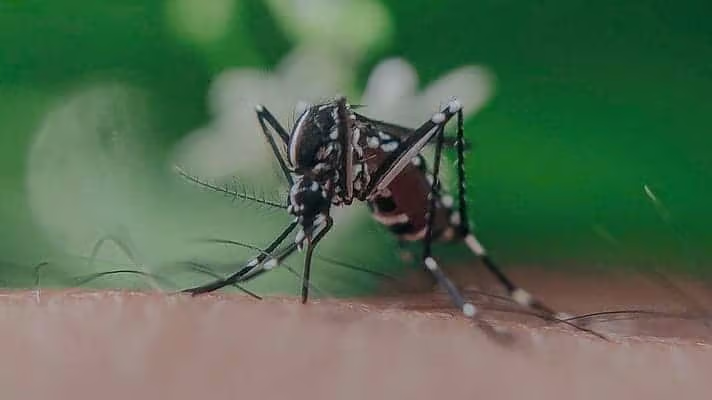
Mosquitoes are slender flying insects with long legs, narrow wings, and an elongated mouthpart used for biting; size and color vary by species.
Known species and subtypes
Signs of a Mosquito Infestation
The most obvious sign is increased biting activity, especially at dawn and dusk when many species are most active. You may also notice mosquitoes resting in shaded, humid parts of the yard—under decks, in dense shrubs, along fence lines, and in tall grass. Indoors, occasional mosquitoes usually mean a torn screen or an open door during peak activity.
In standing water, look for larvae often called “wigglers” that thrash downward when the water is disturbed, and pupae that look like small tumblers at the surface. Clusters of bites after time on the porch, deck, or lawn strongly suggest nearby breeding or resting sites even if you cannot see larvae yet.
If family members cannot enjoy outdoor spaces without constant insect repellent, treat the situation as a property-level mosquito problem—not just bad luck on a single evening. Mapping where bites happen most often points to likely harborage and breeding zones.
Where Do Mosquitoes Hide?
Adult mosquitoes rest in cool, shaded, humid microhabitats during the day: undersides of leaves, dense garden beds, tall grass, shrub lines, under decks and porches, and along wooded edges. At night or during peak biting hours, they move into yards, decks, and porches seeking hosts.
Breeding sites are anywhere water stands long enough for larvae to develop—gutters, birdbaths, empty pots, toys, wheelbarrows, tarps, tree holes, low lawn areas, and decorative water features. Some species use surprisingly small containers; others prefer larger permanent water bodies. Because adults can travel from off-property sources, neighboring drainage and unmanaged yards matter too.
Effective inspection walks the perimeter looking for water-holding items and dense vegetation near human activity zones. Treating only the open center of a mowed lawn while ignoring gutters and shrub harborage usually leaves the real problem intact.
Garden
commonPlanted beds and vegetable gardens that attract pests feeding on plants and soil-dwelling insects.
Lawn
commonGrass and turf areas where ground-dwelling pests nest and forage.
Gutters
commonRoof drainage channels that can trap standing water and organic debris attractive to pests.
Porch
occasionalA covered outdoor entry area where pests can nest close to doorways.
Deck
occasionalAn outdoor wooden or composite platform attached to the home that can shelter wood-boring or nesting pests.
Why Are Mosquitoes Bad for My Home?
Mosquitoes ruin outdoor living with painful, itchy bites and make porches, decks, and lawns hard to enjoy. Beyond comfort, certain species can transmit viruses such as West Nile and, in some regions, other mosquito-borne diseases. While not every bite carries disease, reducing mosquito populations is a legitimate health and quality-of-life measure.
Heavy mosquito pressure also affects pets that spend time outdoors and can make entertaining, gardening, and evening activities miserable. Because breeding can continue all season from overlooked water sources, the problem tends to persist until sources and resting sites are addressed.
Leaving standing water and overgrown harborage in place guarantees recurring generations. Early source reduction and, when needed, Pest Control Company barrier and larvicide programs protect both comfort and health around the home.
| Concern | Severity | What it means |
|---|---|---|
| Disease TransmissionPrimary | critical | Pests capable of spreading pathogens or disease to people through bites, contact, or contamination. |
| Bites | moderate | Direct physical harm to people from pest bites, which can cause pain, irritation, or infection. |
| Nuisance | moderate | General unwanted presence of pests that disrupts everyday life without a specific health or property impact. |
| Rapid Reproduction | moderate | Pests that reproduce quickly, allowing small infestations to grow into large ones in a short time. |
What mosquitoes put at risk, and how urgent each one is.
How Do I Get Rid of Mosquitoes?
Source reduction is the foundation of mosquito control. Empty or refresh standing water at least weekly, clear gutters, tip containers, maintain screens, and eliminate low spots that hold rain. Keep grass trimmed and thin dense vegetation near patios and play areas to reduce adult resting habitat.
Pest Control Company programs often add larvicide applications to breeding sites that cannot be drained and residual barrier spraying of vegetation, fence lines, under decks, and other resting zones. These methods reduce adult populations in treated yards, especially when combined with ongoing water management. Personal repellents and fans on porches help during peak hours but do not replace source control.
Because adults may fly in from nearby properties, results are best when breeding sites on your lot are eliminated and harborage is treated consistently through the active season. Persistent problems after careful DIY water removal usually warrant a Pest Control Company mosquito service plan.
Methods, what a professional visit looks like, and what goes wrong when mosquitoes are treated the wrong way.
When Should I Call a Pest Control Company for Mosquitoes?
Call a Pest Control Company when bites remain intense despite emptying standing water, when your property has extensive landscaping or drainage issues you cannot fully manage, or when you want seasonal barrier treatments for events, play areas, and evening outdoor use. Properties near woods, ponds, or poorly drained neighbors often need more than DIY efforts alone.
Pest Control Companies can identify likely breeding and resting sites, apply larvicides where appropriate, and treat vegetation barriers that harbor adults. They can also advise on gutter, grading, and landscape changes that cut long-term pressure.
If local health authorities report elevated mosquito-borne disease risk, reducing yard populations becomes even more important. A scheduled service through peak season is often more effective than one reactive spray after a bad weekend.
Mosquitoes: common questions
What is the fastest way to reduce mosquitoes in my yard?
Remove standing water immediately, clear gutters, and mow or thin shaded vegetation where adults rest. Combine that with residual barrier treatment of shrub lines and under-deck areas for faster relief. Source reduction keeps new generations from replacing the adults you knock down.
Do citronella candles get rid of mosquitoes?
Candles and torches may slightly reduce bites in a small area under ideal conditions, but they do not control breeding or resting populations across a yard. They are a minor comfort aid, not a solution. Water management and harborage treatment matter far more.
How far can mosquitoes fly to reach my house?
Flight range varies by species, from relatively short distances to a mile or more for some types. That means neighboring water sources can affect your yard. Still, eliminating on-property breeding and resting sites usually produces the biggest local improvement.
Why are mosquitoes worse after it rains?
Rain refills containers, gutters, and low spots, creating new larval habitat. Warm weather then speeds development to biting adults. Checking the yard within days after storms prevents those temporary pools from becoming the next wave of mosquitoes.
Can mosquitoes breed in my gutters?
Yes. Clogged gutters are a classic and often overlooked breeding site. Leaves and debris hold water long enough for larvae to develop right at the roofline. Cleaning gutters regularly is one of the highest-impact homeowner steps.
How often should mosquito treatments be applied?
Barrier treatments are commonly scheduled every few weeks during peak season because new adults continue emerging and flying in. Exact timing depends on weather, product, and property conditions. Ask for a seasonal plan rather than a single one-time spray for best results.
Get mosquitoes help near you
Search local, licensed pest control companies by ZIP code.
Looking for a specific service? Browse general pest control companies.