
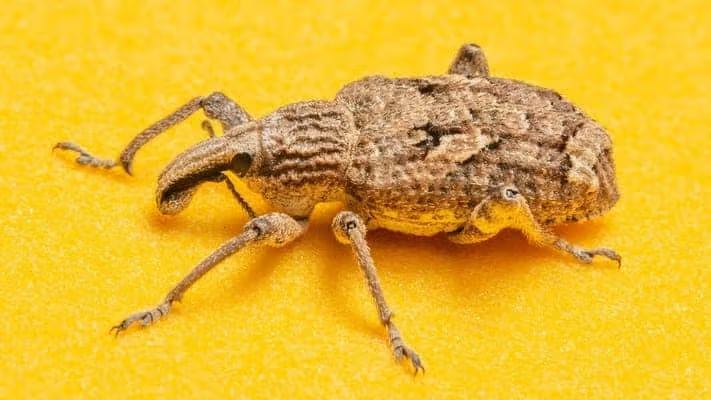
How to Get Rid of Pantry Pests in Your Home: A Complete Treatment Guide
Pantry pests are the insects that turn a quiet kitchen into a contamination problem: weevils in rice, flour beetles in baking supplies, Indian meal moth larvae webbing through cereal, and related stored-product insects that move from package to package. They typically arrive already inside dry goods and then spread through cardboard, thin plastic, and spilled residues on shelves. If you are searching for how to get rid of pantry pests in your home, you are usually dealing with more than a single “bug in the flour.” You are dealing with a breeding population that will continue as long as infested food and crumbs remain available.
This guide is written from a practical treatment perspective—the same framework a Pest Control Company company uses when evaluating a pantry pest problem. You will learn how these insects typically enter homes, what light DIY steps can work for early activity, which treatment methods actually stop the infestation at the package level, what often goes wrong with sprays used as a substitute for discarding food, and when it is smarter to bring in a licensed technician. You will also see what a Pest Control Company pantry pest service looks like from inspection through follow-up, how to choose a good provider, and how to prevent pantry pests from returning after the crisis is over.
Use this page as a decision guide. If activity is light and recent—and you can find and discard the source package—the DIY section may be enough to break the cycle. If insects keep appearing for weeks, multiple shelves or rooms store dry goods, pet food and bird seed are involved, or you cannot find the original source, treat this guide as your bridge to Pest Control Company help—and to platforms like Pest Direct that connect homeowners with local pest control companies ready to inspect and quote the job.
How Pantry Pests May Have Gotten Into Your Home
Almost every pantry pest problem starts with an introduction in food or food-like products. Flour, rice, oats, cornmeal, cereal, pasta, dried beans, spices, nuts, chocolate, dried fruit, powdered mixes, bird seed, and pet food can all carry eggs or live insects from processing, storage, or retail environments. You may never see damage at the store. Once the package sits in a warm kitchen cabinet, populations grow. Larvae and adults then move into neighboring packages—especially when seals are weak, bags are rolled shut, or crumbs accumulate under shelf liners.
Spread inside the home is horizontal and opportunistic. Weevils, flour beetles, and moth larvae exploit continuous food. Cardboard is not a fortress; thin plastic bags are often easy to breach. Spilled flour in shelf corners becomes a satellite food source. Bulk bins in basements and garages reinfest the kitchen months after you think the pantry was cleaned. Shared walls in multi-family housing can occasionally contribute pressure, but the dominant pathway remains infested products and poor storage isolation.
Entry is less about foundation cracks and more about grocery bags and storage habits—though outdoor-origin insects sometimes confuse the diagnosis. True pantry pests are tied to dry stored foods. Moisture still matters: damp flour cakes, humid cabinets, and leaky pipes near storage can worsen certain infestations and attract secondary pests. Cluttered shelves hide the original package. Pet feeding stations with open bags of kibble are classic reservoirs that homeowners overlook while meticulously cleaning the upper spice rack.
Seasonal temperature can accelerate development in warm kitchens, but pantry pests can thrive year-round indoors. Understanding how they arrived is not academic—it tells you whether the fix is a single-package discard, a full-pantry purge, airtight container conversion, garage bulk-bin inspection, or Pest Control Company help when sources span multiple storage zones.
How to Treat a Pantry Pest Problem in Your Home
Effective pantry pest treatment is not about spraying shelves while food stays put. Visible insects are usually a fraction of the population still inside packages, in spilled dust, or in adjacent storage. The goal is to locate and remove infested goods, deep-clean every harborage surface, reseal what you keep, and only then use targeted treatments or monitors as support. Pest Control Companies think in systems: identify the insect group when possible, map every dry-food location in the home, purge sources, clean voids, and verify with follow-up checks.
A few weevils in one rice bag is a different job than beetles across three cabinets, moths flying nightly, or recurring insects after every grocery trip. Match the intensity of treatment to the intensity of the problem. Below is how to approach light DIY control, the main treatment methods used in residential work, and the failure modes that turn a small flour issue into a months-long kitchen headache.
Treating Light Pantry Pest Problems Yourself
If you have only recently noticed a small number of insects in one food product, start with inspection and discard before buying insecticides. Empty the affected shelf completely. Open and inspect nearby packages of flour, grains, cereal, pasta, spices, nuts, pet food, and bird seed. Look for live insects, larvae, webbing, clumped powder, pinholes, or unusual dust. Bag and discard infested items outdoors in sealed trash—do not recycle boxes indoors where insects can escape.
Vacuum shelves, brackets, corners, shelf-peg holes, and floor edges under cabinets. Remove old shelf paper if it traps flour dust. Wash surfaces with soapy water, rinse if appropriate, and dry fully before restocking. Place uninfested dry goods into airtight glass, metal, or heavy plastic containers. Clean pet bowls and store pet food in sealed bins, measuring out meals rather than leaving bags open overnight.
Be patient and thorough. Eggs and hidden larvae mean a few adult insects may still appear for a short period after a good purge. If activity was limited to one package cluster, declines after full cleaning, and does not return over several weeks, you may resolve a light problem without a service call. If insects reappear on multiple shelves, if you never find a clear source, or if garage bulk storage keeps reinfesting the kitchen, escalate rather than spraying food-contact surfaces repeatedly.
What Can Go Wrong If Pantry Pest Problems Are Handled Poorly
The most frequent DIY failure is spraying shelves while leaving infested food in place. Dead insects on the counter look like progress, but larvae inside packages continue developing. Another failure mode is discarding only the obviously infested bag while neighboring open packages and pet food remain untouched.
Misidentification wastes effort. Treating a pantry pest problem like a general outdoor ant issue leads people to perimeter-spray the foundation while cereal moths breed upstairs. Overusing foggers near food storage creates safety concerns without removing sources. Incomplete cleaning under shelf liners leaves flour dust as a permanent buffet. In households that store bulk grains for long periods, failing to use airtight containers guarantees repeat introductions will spread again.
Delays also have costs. What starts as a few beetles can become whole-shelf contamination, significant grocery loss, and insects appearing in rooms beyond the kitchen as populations overflow. The longer insects train on your pantry as a continuous resource, the more packages you will ultimately discard and the more thorough the eventual deep clean must be.
Treatment methods
The approaches a technician chooses between for pantry pests, and what each one is good at.
- Identification and whole-home food mapping
- Different pantry pests point to different foods and habits. Rice and granary weevils, flour beetles, and Indian meal moths are not identical problems. A careful inspection maps every dry-food location: kitchen pantry, upper cabinets, basement shelves, garage freezers-adjacent bins, bird seed, and pet food stations. Skipping this map is the most common reason DIY treatments cycle endlessly—people clean one cabinet while a bulk bag in the garage refuels the infestation.
- Source removal and discard protocols
- Locating and discarding infested packages is the backbone of pantry pest control. Borderline items stored open next to heavily infested goods are often discarded as well. Pest Control Companies help homeowners make practical keep-versus-toss decisions and prevent “saving” the one bag that restarts everything. Sealed disposal outdoors stops insects from re-entering from kitchen trash.
- Deep cleaning of shelves, voids, and spills
- Vacuuming and washing remove eggs, larvae, and food dust from cracks that sprays alone will not sanitize. Cleaning shelf undersides, drawer tracks, and under-appliance edges matters. This step is treatment, not optional prep. Homes that skip deep cleaning often see survivors rebuild from crumbs within weeks.
- Airtight storage conversion and stock rotation
- Moving dry goods into true airtight containers after cleaning prevents the next introduction from spreading. First-in, first-out rotation and buying quantities you will use promptly reduce residence time for developing insects. Pest Control Companies emphasize pet food and bird seed because those products are frequent reservoirs.
- Monitoring traps and targeted residual work
- Pheromone traps for certain moths and sticky monitors can help track whether activity continues after purge. Targeted residuals may be applied to cracks and voids—not on food or food-contact surfaces—when larvae may remain in non-food harborage. Broadcast kitchen spraying is rarely the primary strategy for classic pantry pests.
- Integrated follow-up and verification
- Because eggs hatch after the first cleanup, follow-up inspection one to a few weeks later is valuable. Technicians re-check trap counts, re-inspect storage zones, and hunt for missed packages. A one-time spray with no purge is a common consumer disappointment for stored-product insects.
When You Should Call a Pest Control Company for Pantry Pests
Call a Pest Control Company when pantry insects return after one to two complete cleanouts, when you cannot locate the source despite inspecting all dry goods, or when activity spans multiple storage areas—kitchen, basement, and garage. Recurring moths for weeks, heavy webbing across many products, or infestations tied to commercial quantities of pet food or bird seed are strong reasons to escalate.
You should also call for help if you need guidance on safe treatment around food storage, if you manage a rental kitchen with tenant complaints, or if the volume of stored goods makes DIY inspection unrealistic. Pest Control Companies are not only for “huge” infestations; they are for infestations you cannot verify as solved. A same-week inspection can prevent months of repeatedly buying and discarding the same categories of food.
If you are unsure whether insects are pantry pests, ants, or cockroaches—especially when only a few small beetles are seen—do not wait forever. Misidentifying the pest delays package-level action. A trained technician can confirm the insect group, explain food-risk level, and recommend a plan sized to your home’s storage layout.
Why a Pest Control Company Is Often Better Than DIY Alone for Pantry Pests
Pest Control Companies bring three advantages homeowners rarely match: systematic source hunting across the whole home, correct use of monitors and limited residuals, and a process that verifies success after the first purge. Knowing whether you face weevils, flour beetles, or moths changes where to look and what “clean” means. Technicians also see patterns: the garage bird seed that reinfests the kitchen, the spice rack nobody opens, or the under-sink spill zone that acts like a permanent crumb nest.
DIY cleaning can fully solve light infestations, but incomplete maps of food storage and reluctance to discard borderline goods limit success. Pros integrate discard strategy, deep cleaning guidance, airtight storage coaching, and careful crack treatment instead of random aerosol use on food shelves. They also know when not to apply pesticides near food-contact surfaces, which protects both safety and outcomes.
There is also a time and stress calculation. Repeated grocery loss, embarrassment about insects in the kitchen, and nightly moth flights add up. A structured service plan converts that uncertainty into a schedule: inspect, purge, clean, monitor, follow up, and document results. For many households, that reliability is the real product. Pest Control Company service is not about “giving up”; it is about matching tools to a stored-product biology problem that casual shelf spraying cannot permanently stop.
What the Pest Control Company Treatment Process Looks Like for Pantry Pests
While companies vary, high-quality residential pantry pest control follows a predictable arc. Understanding the process helps you evaluate quotes and avoid one-visit mystery sprays with no inspection story. Here is the typical sequence from first call to lasting control.
Inspection and identification
A technician interviews you about where and when you see insects, then inspects pantries, cabinets, pet-food areas, basements, and garage dry-goods storage. They identify likely pest types and map every probable food reservoir. Photos or specimens help when activity is intermittent.
Treatment plan and prep guidance
You receive a plan that may include discard lists, cleaning steps, container upgrades, monitors, and limited residual applications in voids. Prep usually means emptying cabinets, bagging suspect foods, and clearing access to storage zones. Clear prep instructions are a sign of a careful company.
Initial treatment
The technician supports source removal, treats appropriate non-food cracks if needed, places monitors, and explains residual emergence expectations. Good techs speak plainly about why food discard and cleaning matter more than product volume.
Follow-up and adjustment
Because eggs hatch after cleanup, a follow-up visit is common. The technician reassesses activity, searches for missed packages, and adjusts methods if needed. This is where many DIY attempts fail—there is no second full-home food map.
Prevention and maintenance options
After knockdown, many homeowners adopt airtight storage standards and periodic pantry inspections. Monitoring traps may remain for a period. The end state is a kitchen that does not reward the next accidental introduction, not only fewer insects today.
How to Find a Good Pest Control Company for Pantry Pest Control
A good pantry pest provider is licensed where required, carries insurance, and can explain their process without hiding behind jargon. Ask whether they will inspect all dry-food storage areas—not only spray baseboards—and whether follow-up is included. Be cautious of ultra-cheap “spray the kitchen” quotes that never discuss discarding infested goods or cleaning shelf voids.
Check recent reviews for mentions of communication, thoroughness, and whether insects actually stopped—not only whether the tech was friendly. Ask about food-safety practices, pet considerations around treatment, and how callbacks work if activity continues two weeks later. For heavy pet-food or bulk-storage homes, ask specifically about stored-product pest experience.
This is also where Pest Direct fits the homeowner journey. After you understand the problem from a guide like this, the next step is not endless product aisles—it is connecting with local pest control companies that already service your type of issue. Pest Direct helps you move from reading about the problem to getting help: find Pest Control Companies in your area, compare options, and request service without guessing which random search result is legitimate. Use educational guides to know what “good” looks like, then use the platform to hire it.
When you request service, share details that speed diagnosis: which foods are involved, how long activity has lasted, photos of insects or webbing, whether pet food or bird seed is stored indoors, rooms beyond the kitchen that store dry goods, and products already tried. Better intake information produces better quotes and faster results.
How to Keep Pantry Pests From Coming Back
Prevention is the quiet half of pantry pest control. Transfer dry goods into airtight containers promptly after purchase. Rotate stock, avoid indefinite bulk storage of open grains, and inspect packages before they go on shelves when you notice damaged seals. Clean up flour dust and spills the day they happen. Store pet food and bird seed in sealed bins and avoid leaving bags open overnight. Wipe cabinet interiors on a schedule, not only during crises.
Secondary habits matter. Do not keep expired open packages “just in case” for years. Check garage and basement storage as carefully as the kitchen. If you buy in bulk, portion into sealed containers immediately and keep bulk areas clean. Fix leaks and reduce cabinet humidity when possible so goods stay dry and less hospitable.
Think of prevention as making accidental introductions fail to spread. You may never control what was in a package before it reached your cart, but airtight storage, rotation, and early shelf checks stop one bag from contaminating an entire pantry. Pair prevention with rapid response—the first beetle triggers inspection, not a month of hoping—and you stay ahead of the next cycle.
Pantry Pests treatment: common questions
What is the fastest way to get rid of pantry pests?
Inspect all dry goods, discard infested packages in sealed outdoor trash, vacuum and wash shelves thoroughly, and move remaining foods into airtight containers. Sprays alone do not solve insects living inside food. If pests return after a full purge, schedule a Pest Control Company inspection.
Why do pantry pests keep coming back after I clean?
A missed package—often pet food, bird seed, or bulk grain—commonly reinfests the kitchen. Eggs and flour dust in shelf cracks can also sustain survivors. Whole-home food mapping, deeper cleaning, and airtight storage address the source more reliably than wiping only the visible shelf.
Do bay leaves or cold storage get rid of pantry pests permanently?
Bay leaves and similar folk remedies do not reliably eliminate infestations. Freezing can kill insects in some products when done thoroughly and for sufficient time, but it is not a substitute for finding every source package and cleaning shelves. Permanent results require source removal and sealed storage.
How long does Pest Control Company pantry pest treatment take to work?
Many kitchens improve quickly after purge and cleaning, but a few insects may still emerge from eggs for a short period. Full confidence often takes one to several weeks of quiet monitoring. Follow-up visits help confirm no sources remain. Your technician should set expectations based on findings.
Are pantry pests dangerous if they get in my food?
Pantry pests primarily contaminate food with insects, webbing, and waste, making products unfit to keep. Discard infested items. The main risks are food waste, hygiene, and ongoing infestation—not typically severe disease in the way some other pests are discussed—but contaminated food should not be consumed.
What are the most common pantry pests in homes?
Common culprits include weevils in whole grains and rice, flour beetles in milled products, and Indian meal moths in cereals, nuts, and pet foods. Exact species vary by region and products stored. Correct group identification helps focus the search on the right packages.
Should I throw away everything in my pantry?
Not always. Inspect package by package. Discard clearly infested and open high-risk items next to heavy infestation; sealed, clean, unaffected goods can often be kept and moved into airtight containers after shelf cleaning. When in doubt on borderline open packages, disposal is the safer pest-control choice.
Can Pest Direct help me find pantry pest control near me?
Yes. Once you understand your pantry pest problem, Pest Direct connects you with local pest control companies that handle residential stored-product and kitchen pest service. Compare providers and request help without starting from zero.
Hand the pantry pests problem to someone licensed
Compare local pest control companies that treat pantry pests, see what they charge, and get an estimate.