Pantry Pests
Pantry pests are insects such as weevils, beetles, and moths that infest dry stored food and can spread between packages.
How Did I Get Pantry Pests??
Pantry pests typically enter a home already present in dry food products such as flour, rice, cereal, pasta, dried beans, spices, bird seed, or pet food. Eggs or larvae may be too small to notice at purchase, then develop once packages sit on a shelf.
As populations grow, larvae and adults can move to nearby packages. Many species can chew through cardboard and thin plastic, so a single infested item can contaminate an entire pantry shelf over time. Bulk bins, warehouse storage, and open bags of pet food are common introduction points.
Clean kitchens can still get pantry pests. The issue is less about overall dirt and more about accessible stored food, unsealed packaging, and overlooking the original source item while treating only the insects you see.
How to identify pantry pests
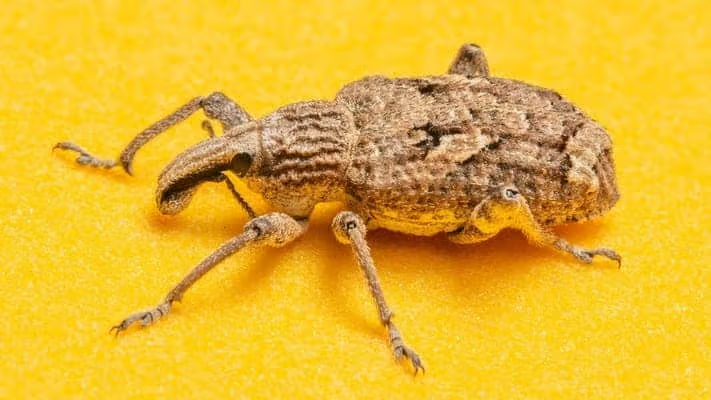
Common pantry pests include small reddish-brown weevils with an elongated snout, flat rust-colored flour beetles, and Indian meal moth larvae found webbing through dry goods.
Signs of a Pantry Pest Infestation
Common signs include live insects or larvae in flour, grains, cereal, or pet food; webbing inside packaging; clumped or musty-smelling dry goods; and small beetles or moths on pantry shelves. You may also notice insects along baseboards or near kitchen windows as adults leave packages.
Different pests leave different clues. Weevils have elongated snouts and often infest whole grains and rice. Flour beetles are flat and reddish-brown in milled products. Indian meal moth larvae leave silk webbing through dry goods.
Finding a few insects in one bag is concerning, but insects across multiple packages or shelves usually means the infestation has spread. Inspect every dry-food container before deciding the problem is limited.
Where Do Pantry Pests Hide?
The primary harborage is inside food packages themselves—opened cereal boxes, flour bags, spice jars with imperfect seals, bulk grain containers, and pet food bins. Larvae may also pupate in shelf cracks, cabinet corners, under shelf liners, and in voids behind pantry walls.
Secondary sites are easy to miss: bird seed in a garage, decorative dried goods, infrequently used baking supplies, and bulk storage in basements. Adults may rest on ceilings or upper cabinet faces near the food source.
A complete inspection means checking every package, not only the ones that look damaged. Discarding one bag while leaving others untouched is a frequent reason pantry pests reappear.
Pantry
commonA dedicated food storage area where stored-product pests target dry goods and packaged food.
Cabinets
commonEnclosed kitchen storage that can shelter pests near food, dishware, or cleaning supplies.
Kitchen
commonThe room where food is prepared and stored, a common target for pests seeking food and water.
Commercial Kitchen
occasionalA high-volume food preparation facility with strict sanitation requirements where pest activity poses a compliance risk.
Warehouse
occasionalA large commercial storage building where pests can spread among stored goods if left unmanaged.
Why Are Pantry Pests Bad for My Home?
Pantry pests contaminate food with insects, cast skins, webbing, and waste, forcing homeowners to throw out groceries and restock. Even unopened-looking cardboard packages may no longer be suitable once larvae have moved through them.
Beyond food waste, ongoing activity creates a persistent nuisance of insects in the kitchen and can spread to other rooms where dry goods or pet food are stored. In commercial or rental settings, pantry pests can also raise sanitation and reputation concerns.
While most pantry pests do not bite people or damage structure, the contamination and cost of repeated food loss make prompt, thorough control worthwhile.
| Concern | Severity | What it means |
|---|---|---|
| Stored Product ContaminationPrimary | high | Pests infesting packaged or stored dry goods such as grains, cereal, and pet food. |
| Food Contamination | moderate | Pests contaminating open or prepared food with waste, hair, or pathogens. |
| Sanitation Issue | low | Pest activity that creates unsanitary conditions through droppings, shed skins, or waste buildup. |
What pantry pests put at risk, and how urgent each one is.
How Do I Get Rid of Pantry Pests?
Locate and discard all infested food items first—do not rely on pesticide alone. Empty the pantry, vacuum shelves and cracks thoroughly, wipe surfaces, and discard vacuum bags or canisters contents outside. Store remaining dry goods in airtight glass, metal, or heavy plastic containers.
Targeted treatment of pantry voids and cracks may help after sanitation when Pest Control Companies determine it is appropriate. Pheromone traps can monitor moth activity. Freezing or heat-treating salvageable sealed goods is sometimes useful, but heavily infested products should be discarded.
Pest Control Companies help when the source is unclear, activity is widespread, or pests keep returning after DIY cleanup. The lasting fix is source removal, deep cleaning, and better storage—not spraying shelves while leaving infested food in place.
Methods, what a professional visit looks like, and what goes wrong when pantry pests are treated the wrong way.
When Should I Call a Pest Control Company for Pantry Pests?
Call a Pest Control Company if insects reappear after a full pantry cleanout, if you cannot find the original source, or if activity extends beyond the kitchen into garages, basements, or multiple storage areas. Recurring beetles or moths often mean a hidden package or secondary site remains.
Pest Control Company inspection is also helpful for businesses, multi-unit buildings, and homes where valuable bulk storage makes a full discard difficult. Technicians can identify species and recommend a practical monitoring and exclusion plan for packages and voids.
If you have cleaned twice and still see insects within weeks, the problem is not resolved. That is the right time for a structured pantry pest program rather than repeated partial cleanups.
Pantry Pests: common questions
What foods do pantry pests infest most often?
Flour, cereal, rice, pasta, dried beans, spices, bird seed, and pet food are frequent targets. Whole grains and milled products both can host different species. Any dry good stored in cardboard or thin plastic is at higher risk than food in airtight containers.
Can pantry pests live in sealed containers?
If eggs or larvae were already inside when the package was sealed, insects can develop inside. True airtight hard containers prevent spread to other foods once goods are transferred. Always inspect packages before putting them into long-term storage.
Are pantry pests harmful if I accidentally eat them?
Accidentally consuming a small amount of pantry insects is generally considered a low health risk for most people, though it is unpleasant and food quality is compromised. Heavily contaminated products should be discarded. People with allergies or sensitivities may react more strongly to insect fragments.
How do I tell pantry pests from regular house insects?
Pantry pests are typically found in or very near dry stored food and may leave webbing, frass, or damaged packaging. Random outdoor beetles near lights are less likely to be the same problem. Species identification from a Pest Control Company can confirm the source when insects are only seen on shelves.
Will spraying my pantry kill the infestation?
Surface sprays alone rarely solve pantry pest problems because larvae are protected inside packages. You must remove infested food and clean thoroughly first. Treatment of cracks and voids is only a supporting step after sanitation.
How can I prevent pantry pests long term?
Store dry goods in sealed airtight containers, rotate stock so older items are used first, and clean up spills promptly. Inspect bulk purchases carefully and avoid leaving open bags of pet food or bird seed for long periods. Regular pantry cleaning reduces harborage for pupating insects.
Get pantry pests help near you
Search local, licensed pest control companies by ZIP code.
Looking for a specific service? Browse general pest control companies.