
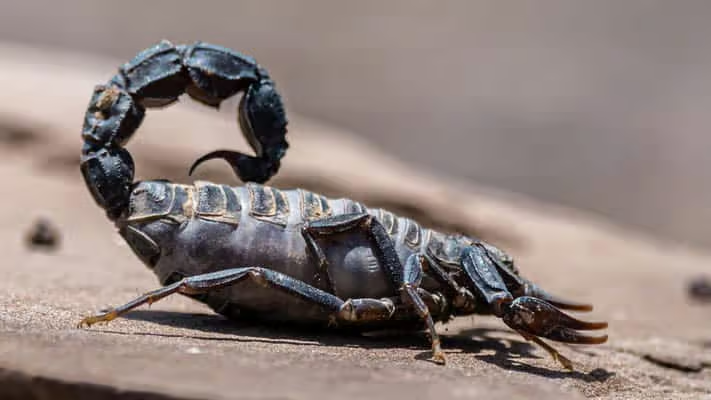
How to Get Rid of Scorpions in Your Home: A Complete Treatment Guide
Scorpions are nocturnal arachnids that thrive in warmer, drier regions and occasionally appear in garages, bathrooms, closets, and basements when they follow prey or seek shelter. Most species deliver a painful sting comparable to a bee sting, but a few—most notably the bark scorpion in parts of the desert Southwest—can cause more serious reactions that need medical attention, especially in young children and sensitive individuals. If you are searching for how to get rid of scorpions in your home, you are usually dealing with outdoor harborage and entry points that allow scorpions to move indoors at night, not a “nest in the wall” the way social insects nest.
This guide is written from a practical treatment perspective—the same framework a Pest Control Company company uses when evaluating a scorpion problem. You will learn how scorpions typically enter homes, what light DIY steps can work for early or occasional sightings, which treatment methods actually reduce pressure around the structure, what often goes wrong with store-bought sprays alone, and when it is smarter to bring in a licensed technician. You will also see what a Pest Control Company scorpion service looks like from inspection through follow-up, how to choose a good provider, and how to prevent scorpions from returning after the crisis is over.
Use this page as a decision guide. If activity is light and recent—a single scorpion after yard work—the DIY section may be enough to lower risk. If scorpions appear repeatedly indoors, you live in bark scorpion country with children or elderly residents, or sightings continue despite sealing and cleanup, treat this guide as your bridge to Pest Control Company help—and to platforms like Pest Direct that connect homeowners with local pest control companies ready to inspect and quote the job.
How Scorpions May Have Gotten Into Your Home
Almost every indoor scorpion problem starts outdoors. Scorpions hide during the day under rocks, boards, woodpiles, landscape timbers, dense groundcover, debris, and cluttered garage storage. At night they hunt insects and other small prey. Homes become attractive when exterior harborage is abundant, outdoor lighting draws prey insects, and small structural gaps allow scorpions to slip inside while foraging or escaping extreme heat or cold. They do not need a large opening—door thresholds, weep holes, foundation cracks, damaged weatherstripping, and utility penetrations are enough.
Entry is usually at ground level or via connected structures. Common access points include gaps under garage doors, side-door thresholds without sweeps, cracked caulk at the slab edge, pipe and cable entries, brick weep holes, and poorly sealed expansion joints. In multi-level or desert construction, scorpions may also use block wall voids, patio transitions, and attic or eave pathways depending on species and building style. Bark scorpions are notably skilled climbers and can exploit vertical surfaces and small cracks that other species use less readily.
Prey and harborage are as important as the gap itself. A yard full of insects supports scorpions; cluttered storage gives them daytime rest sites right against the house. Irrigation edges, rock mulch, stacked pavers, and firewood against siding create perfect habitat rings. Indoor sightings often concentrate in bathrooms, kitchens, laundry rooms, and garages—places that offer moisture, insect prey, or direct outdoor connections. Shoes, towels, and clothing left on floors can hide a scorpion that wandered in overnight, which is why morning sting incidents often involve grabbing an unshaken shoe.
Seasonal pressure also matters. Warm nights increase hunting activity. Monsoon moisture or extreme heat can shift movement patterns toward structures. Construction disturbance and landscape renovations sometimes push scorpions into living spaces. Understanding how scorpions arrived is not academic—it tells you whether the fix is removing a woodpile, sealing a garage threshold, reducing prey insects, applying a Pest Control Company perimeter program, or combining exclusion with ongoing monitoring in high-risk regions.
How to Treat a Scorpion Problem in Your Home
Effective scorpion treatment is not about killing the one scorpion you found in the bathtub. Visible individuals are usually a small sample of outdoor pressure around the property. The goal is to reduce harborage and prey, seal entry points, apply targeted residual treatments to intercept travel routes, and maintain pressure control over time—especially in regions where bark scorpions are established. Pest Control Companies think in systems: inspect exterior harborage, map indoor sighting rooms, correct conducive conditions, treat the perimeter and critical cracks, and verify results across weeks—not one night.
A single scorpion after moving firewood is a different job than weekly indoor sightings, scorpions in multiple bathrooms, or homes with high medical-risk occupants in bark scorpion habitat. Match the intensity of treatment to the intensity of the problem. Below is how to approach light DIY control, the main treatment methods used in residential work, and the failure modes that turn occasional sightings into ongoing household anxiety.
Treating Light Scorpion Problems Yourself
If you have only recently seen a single scorpion or two, start with safe removal, harborage reduction, and exclusion before saturating living rooms with consumer insecticides. Never handle a scorpion with bare hands. Use a long-handled tool, thick gloves, and a sealed container if you must capture one for identification, or carefully dispatch it without creating splash risk. Shake out shoes, towels, and clothing left on floors. Use a blacklight at night outdoors—many scorpions fluoresce—to see how much activity exists along foundation lines (follow safety practices and never reach blindly under debris).
Next, reduce outdoor harborage: pull woodpiles and rock piles away from the foundation, clear debris, thin dense groundcover against siding, elevate stored items off garage floors, and reduce clutter where scorpions rest by day. Seal door sweeps, weatherstripping, utility penetrations, and obvious foundation cracks. Indoors, reduce insect prey through general sanitation and fixing moisture that attracts other pests. Glue boards in garages and mechanical rooms can help monitor activity but should be placed away from pets and children.
Be realistic about DIY limits. A can of spray may kill a scorpion you see and still leave climbing species free to use untreated voids and upper pathways. If sightings stop after harborage cleanup and sealing, you may manage light pressure without ongoing service. If scorpions keep appearing indoors—especially in bark scorpion regions—or if anyone in the home is at elevated medical risk from stings, escalate to Pest Control Company inspection and a structured plan.
What Can Go Wrong If Scorpion Problems Are Handled Poorly
The most frequent DIY failure is “spray the scorpion and ignore the yard.” Killing visible individuals feels productive, but woodpiles, rock mulch, and open thresholds remain. Another failure mode is over-relying on indoor foggers that miss harborage under outdoor debris and do little against climbers using wall voids.
Misunderstanding risk is serious. Treating all scorpions as harmless nuisances in bark scorpion habitat can delay Pest Control Company help and medical preparedness for households with children. Conversely, panic spraying every surface creates unnecessary exposure without exclusion. Leaving shoes and laundry on floors maintains sting opportunities even when outdoor numbers fall. In multi-home desert communities, treating one yard while shared block walls and debris fields remain can limit how far one property’s effort goes—though individual exclusion still helps each house.
Delays also have costs. What starts as a rare garage sighting can become repeated bathroom encounters, sleep anxiety, and preventable stings. The longer scorpions find reliable prey and entry at your structure, the more thorough exclusion, harborage reduction, and Pest Control Company perimeter work must be to regain comfort.
Treatment methods
The approaches a technician chooses between for scorpions, and what each one is good at.
- Inspection of harborage, entry points, and species risk
- Scorpion control starts with understanding where they hide and how they enter. Inspection covers woodpiles, rock features, debris, garage clutter, foundation gaps, door thresholds, weep holes, and indoor rooms with sightings. In relevant regions, identifying bark scorpions versus less medically significant species changes urgency and communication. Skipping inspection is the most common reason DIY treatments cycle without lasting control—you cannot spray away a property that remains a scorpion hotel.
- Harborage and prey reduction
- Removing daytime rest sites and reducing insect prey lowers scorpion carrying capacity around the home. That means relocating firewood, reducing rock and debris piles near foundations, managing outdoor lighting that draws flying insects, and addressing other pest populations scorpions hunt. Landscaping adjustments support chemical work rather than replacing all of it in heavy-pressure areas.
- Exclusion and sealing
- Door sweeps, weatherstripping, screened vents, sealed utility gaps, and repaired thresholds reduce successful indoor entry. Exclusion does not eliminate outdoor scorpions overnight, but it converts frequent indoor encounters into rare events. Pest Control Companies flag gaps homeowners miss—garage side doors, slab cracks, and weep hole management appropriate to the structure.
- Targeted residual and perimeter treatments
- Residual insecticides applied to exterior perimeters, harborage edges, and interior crack-and-crevice zones can intercept scorpions on travel routes. These treatments work best as part of an integrated plan with follow-up. Broadcast spraying every bedroom is rarely the smart primary tactic. Exterior and harborage-focused work matters most when scorpions originate outside and only occasionally move in.
- Interior monitoring and safe room practices
- Glue boards, night inspections with proper tools, and household habits—shaking shoes, keeping beds slightly away from walls, reducing floor clutter—lower sting risk while populations are reduced. Moisture control in bathrooms and laundry rooms can decrease prey insects that draw scorpions indoors. Monitoring shows whether pressure is falling after treatment.
- Integrated follow-up and seasonal maintenance
- Scorpion pressure can rebound as weather, prey, and landscaping change. Recurring exterior service in high-risk regions, re-sealing after home projects, and re-checking harborage after monsoons or heat waves are standard in Pest Control Company programs. A one-time spray with no exclusion or harborage work is a common consumer disappointment.
When You Should Call a Pest Control Company for Scorpions
Call a Pest Control Company when scorpions appear indoors more than once, when you find them in bedrooms or bathrooms regularly, or when you live in a region with medically significant species such as bark scorpions—especially if children, elderly residents, or people with health vulnerabilities live in the home. Repeated garage and patio sightings after DIY cleanup are also a reason to escalate before the next sting.
You should also call for help if you cannot safely reduce heavy outdoor harborage, if construction or block-wall features make exclusion complex, if you manage a rental property with tenant reports, or if consumer products have not reduced sightings after a good-faith effort. Pest Control Companies are not only for “infestations” in the insect-colony sense; they are for sting-risk problems you cannot verify as controlled. A same-week inspection can prevent months of anxiety and reactive spraying.
If you are stung, follow medical guidance appropriate to your symptoms and region—especially with children or severe reactions—and treat pest control as a parallel track after acute care. If you are unsure which species you have, capture a clear photo from a safe distance when possible. A trained technician can help identify risk level and recommend a plan sized to your home and landscape.
Why a Pest Control Company Is Often Better Than DIY Alone for Scorpions
Pest Control Companies bring three advantages homeowners rarely match: regional species knowledge, perimeter and harborage treatment skill, and a process that includes exclusion guidance plus verification over time. Knowing whether bark scorpions are in play changes urgency, placement emphasis, and client education about climbing behavior. Technicians also see patterns: the same rock-mulch band and open weep detail that invite scorpions may also explain heavy insect prey along the foundation.
DIY products available at retail can kill individuals and support light pressure, but labels, ladder-and-void limitations, and incomplete perimeter coverage restrict homeowner results—especially against climbing species. Pros use integrated methods—harborage reduction recommendations, residuals on travel routes, sealing priorities, and follow-up—instead of a single can of spray in the garage. They also know when not to over-apply indoors, which is important for family safety.
There is also a time and stress calculation. Nighttime floor checks, fear of shoes and beds, and repeated store products add up. A structured service plan converts that uncertainty into a schedule: inspect, treat, seal priorities, follow up, and maintain seasonal control where needed. For many households, that reliability is the real product. Pest Control Company service is not about “giving up”; it is about matching tools to a nocturnal predator problem that casual indoor spraying cannot permanently stop.
What the Pest Control Company Treatment Process Looks Like for Scorpions
While companies vary, high-quality residential scorpion control follows a predictable arc. Understanding the process helps you evaluate quotes and avoid one-visit mystery sprays with no inspection story. Here is the typical sequence from first call to lasting control.
Inspection and risk assessment
A technician interviews you about where and when you see scorpions, then inspects exterior harborage, foundation gaps, garages, patio transitions, and indoor sighting rooms. They discuss species risk for your region and map likely entry and travel routes. Night blacklight surveys may be used in some programs when appropriate.
Treatment plan and prep guidance
You receive a plan that may include exterior residual applications, crack-and-crevice work, harborage removal notes, exclusion priorities, and follow-up timing. Prep might mean clearing garage edges, moving stored items off walls, and securing pets. Clear prep instructions are a sign of a careful company.
Initial treatment
The technician treats perimeter and harborage edges, addresses key entry zones, and explains what results to expect over the following days and weeks. Good techs emphasize that scorpions already hidden indoors may still appear briefly after exterior pressure work begins.
Follow-up and adjustment
Because scorpion activity is nocturnal and weather-dependent, follow-up visits matter. The technician reassesses sightings, re-treats pressure points, and confirms exclusion progress. This is where many DIY attempts fail—there is no second systematic exterior pass.
Prevention and maintenance options
After knockdown, many homeowners in high-pressure regions choose ongoing exterior service through warm months. Sealing projects and landscape adjustments may be recommended as homeowner or handyman tasks. The end state is lower sting risk and fewer indoor encounters, not a claim of absolute outdoor elimination.
How to Find a Good Pest Control Company for Scorpion Control
A good scorpion control provider is licensed where required, carries insurance, and can explain their process without hiding behind jargon. Ask whether they will inspect exterior harborage and entry points—not only spray baseboards—and whether follow-up is included. In bark scorpion regions, ask specifically about experience with that species and climbing behavior. Be cautious of ultra-cheap one-time sprays that never discuss sealing or debris removal.
Check recent reviews for mentions of communication, thoroughness, and whether indoor sightings actually declined—not only whether the tech was friendly. Ask about pet and child safety practices, what you need to do before service, and how callbacks work if scorpions continue. For homes with block walls, rock landscaping, or heavy garage storage, ask how they approach those features.
This is also where Pest Direct fits the homeowner journey. After you understand the problem from a guide like this, the next step is not endless product aisles—it is connecting with local pest control companies that already service your type of issue. Pest Direct helps you move from reading about the problem to getting help: find Pest Control Companies in your area, compare options, and request service without guessing which random search result is legitimate. Use educational guides to know what “good” looks like, then use the platform to hire it.
When you request service, share details that speed diagnosis: rooms involved, how long sightings have lasted, photos if safely obtained, whether activity is nightly, landscaping and woodpile conditions, and products already used. Better intake information produces better quotes and faster results.
How to Keep Scorpions From Coming Back
Prevention is the quiet half of scorpion control. Keep woodpiles, rock piles, and debris away from the foundation. Reduce dense groundcover against siding. Seal door sweeps, weatherstripping, utility penetrations, and foundation cracks. Manage outdoor lighting that draws prey insects, or use less-attractive lighting strategies where practical. Elevate storage in garages and avoid leaving clothes and shoes on floors. These habits shrink harborage and indoor sting opportunities.
Exterior maintenance matters as much as indoor caution. Repair garage door seals, address weep holes and slab gaps appropriately, and re-check seals after renovations. Control other pests that serve as scorpion food. In high-pressure desert landscapes, accept that outdoor scorpions may always exist at some level—and focus on making the structure hard to enter and unrewarding as a hunting ground.
Think of prevention as lowering your home’s score as a scorpion habitat and highway. You may never make a property completely scorpion-free in endemic regions, but you can make indoor encounters rare. Pair prevention with early response—the first indoor scorpion triggers a sealing and harborage check, not a shrug—and you stay ahead of the next warm-season surge.
Scorpions treatment: common questions
What is the fastest way to get rid of scorpions in the house?
Safely remove scorpions you find, seal ground-level entry points, and clear outdoor harborage such as wood and debris near the foundation. Indoor sprays kill individuals but do not stop outdoor pressure. If scorpions keep appearing, especially in bark scorpion regions, schedule a Pest Control Company inspection.
Why do scorpions keep coming back after I spray them?
Sprays often kill only the scorpions that contact treated surfaces while harborage, prey insects, and entry gaps remain. Climbing species can use untreated pathways. Integrated exclusion, harborage reduction, perimeter treatment, and follow-up address ongoing pressure more reliably than reactive indoor spraying alone.
Do natural remedies keep scorpions away permanently?
Essential oils and similar remedies may be marketed as repellents, but they rarely provide lasting control of outdoor scorpion populations or replace sealing and harborage work. Use them only as minor supplements if at all. Permanent risk reduction requires habitat changes, exclusion, and often Pest Control Company residual programs in high-pressure areas.
How long does Pest Control Company scorpion treatment take to work?
Many homes see fewer indoor sightings within days to a few weeks after perimeter treatment and sealing, but results depend on species, landscape, and weather. Follow-up visits are common in heavy-pressure regions. Your technician should set expectations based on inspection findings.
Are all scorpion stings medical emergencies?
Many scorpion stings are painful but not life-threatening for healthy adults. However, bark scorpion stings and stings involving children, elderly people, or severe symptoms can require prompt medical care. Know your local species risk and seek emergency care for serious symptoms rather than relying on pest control alone for acute injury.
Why do scorpions glow under blacklight?
Scorpions fluoresce under ultraviolet light due to substances in their exoskeleton. Pest Pest Control Companies and homeowners sometimes use blacklights at night to locate activity along foundations. Use safe practices—never reach under objects blindly—and treat blacklight findings as a mapping tool, not the full control method.
Should I move my bed away from the wall to avoid scorpions?
In high-pressure regions, keeping beds slightly away from walls, shaking bedding, and reducing floor clutter are practical sting-risk habits while you address harborage and exclusion. These steps support treatment; they do not replace sealing entry points or reducing outdoor harborage.
Can Pest Direct help me find scorpion control near me?
Yes. Once you understand your scorpion problem, Pest Direct connects you with local pest control companies that handle residential scorpion service. Compare providers and request help without starting from zero.
Hand the scorpions problem to someone licensed
Compare local pest control companies that treat scorpions, see what they charge, and get an estimate.