
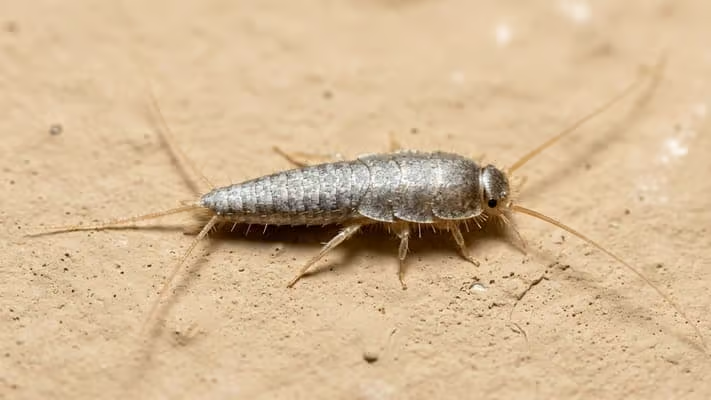
How to Get Rid of Silverfish in Your Home: A Complete Treatment Guide
Silverfish are one of the most quietly persistent household pests in the United States. They do not swarm like ants, they do not leave dramatic droppings like mice, and they rarely appear in the middle of a well-lit living room. Instead, they thrive in the margins of a home: humid basements, dark closets, cardboard storage stacks, bathroom cabinets, and the quiet gaps behind baseboards where starch-rich materials and moisture meet. If you are searching for how to get rid of silverfish in your home, you are usually not dealing with a single “lost” insect. You are dealing with conditions that allow a slow-growing population to feed on paper, glue, book bindings, wallpaper paste, cardboard, and some natural fabrics for months or years before anyone notices the damage.
This guide is written from a practical treatment perspective—the same framework a Pest Control Company company uses when evaluating a silverfish problem. You will learn how silverfish typically enter and establish, what light DIY steps can work for early activity, which treatment methods actually reduce populations, what often goes wrong with store-bought sprays and DIY “hacks,” and when it is smarter to bring in a licensed technician. You will also see what a Pest Control Company silverfish service looks like from inspection through follow-up, how to choose a good provider, and how to prevent silverfish from returning after the crisis is over.
Use this page as a decision guide. If activity is light, recent, and limited to one damp room, the DIY section may be enough once humidity and harborage are corrected. If silverfish keep appearing in multiple rooms, if books or stored documents show ongoing damage, or if moisture problems live in crawlspaces and wall voids you cannot fully dry, treat this guide as your bridge to Pest Control Company help—and to platforms like Pest Direct that connect homeowners with local pest control companies ready to inspect and quote the job.
How Silverfish May Have Gotten Into Your Home
Silverfish rarely “invade” the way seasonal outdoor insects do. They enter and establish where three things overlap: humidity, darkness, and starchy food. Entry can be structural—foundation gaps, utility penetrations, poorly sealed plumbing chases, cracks around basement windows—or incidental, when cardboard boxes, books, papers, or furniture from a damp garage or storage unit bring insects or eggs indoors. Once inside, they do not need open food on a counter. They feed on materials many homeowners never think of as “pest food”: book bindings, wallpaper paste, glue in cardboard, photographs, some textiles, and other carbohydrate-rich goods.
Moisture is the central driver. Bathrooms with weak exhaust fans, laundry rooms with condensation, basements without dehumidification, crawlspaces with ground moisture, and closets against exterior walls that stay cool and damp create long-term habitat. Silverfish are nocturnal and avoid light, so populations can expand in undisturbed storage while daytime living areas look clean. That is why a tidy home can still support silverfish: the problem is not always filth—it is humidity plus undisturbed starch sources.
They also favor microhabitats: under sinks, behind baseboards, inside wall voids near plumbing, under rarely moved storage, and in stacks of boxes on concrete floors. Firebrats—similar wingless insects—prefer hotter zones near furnaces or water heaters, while true silverfish lean toward cooler humid spaces; both signal that the building envelope is supporting humidity-loving pests. Seasonal pressure can matter too: humid summers, flooding, roof leaks, or a broken dehumidifier can push activity into noticeability almost overnight even if a small population was already present.
Understanding how silverfish arrived is not academic. It tells you whether the fix is a bathroom fan and sealed storage, a whole-basement humidity program, crack-and-crevice treatment in storage rooms, or a Pest Control Company moisture and void assessment. Kill insects without drying the environment and they return. Dry the environment, remove food and harborage, and treat harborage correctly, and control becomes realistic.
How to Treat a Silverfish Problem in Your Home
Effective silverfish treatment is not about chasing every insect that darts under a bathtub. Visible silverfish are usually a fraction of what lives in cracks and storage. The goal is to make the home less humid and less full of easy starch sources, then apply products or strategies that reach the harborage where silverfish rest during the day. Pest Control Companies think in systems: confirm the pest, map moisture and storage, reduce conducive conditions, treat cracks and voids, monitor with sticky traps, and verify results over weeks—not overnight.
A single silverfish in a guest bathroom after a humid week is a different job than yellow staining on stored documents, pepper-like droppings in a closet, or repeated sightings in basement, bath, and laundry at once. Match the intensity of treatment to the intensity of the problem. Below is how to approach light DIY control, the main treatment methods used in residential work, and the failure modes that turn a minor annoyance into long-term damage to books, papers, and fabrics.
Treating Light Silverfish Problems Yourself
If you have only recently noticed a small number of silverfish in one damp area, start with environment and sanitation before filling a cabinet with products. Fix obvious drips, run bathroom and laundry exhaust fans, dry sink cabinets, and use a dehumidifier in basements or other chronically damp rooms—aim for indoor humidity that no longer feels clammy (many households target roughly the mid-40s to low-50s percent relative humidity where practical). Elevate cardboard off concrete floors, move important papers into sealed plastic bins, and declutter dark storage that has sat untouched for years.
Next, place sticky traps along baseboards, under sinks, and near storage edges to confirm where activity is heaviest. Vacuum corners, closet floors, and shelves carefully, then dispose of the vacuum contents. Targeted consumer crack-and-crevice products labeled for silverfish can help along baseboards and in storage rooms when used exactly as directed—but they work best after humidity is reduced, not instead of drying the space. Avoid fogging whole rooms as a first step; foggers often miss deep cracks and do not fix moisture.
Be patient. Populations that grew slowly will not vanish in one night. If activity is limited to one room, stays small, and declines after dehumidifying, decluttering, and light targeted treatment, you may resolve a light problem without a service call. If silverfish reappear in greater numbers, spread to multiple rooms, or keep damaging paper goods despite weeks of good humidity control, escalate.
What Can Go Wrong If Silverfish Problems Are Handled Poorly
The most frequent DIY failure is killing visible silverfish while leaving the basement humid and the cardboard stack on the floor. Contact sprays feel productive for a night and fail strategically if harborage and moisture remain. Another failure mode is storing “important” papers in open boxes in damp rooms, then wondering why damage continues after a single product application.
Overusing foggers can drive insects deeper into voids without solving humidity and may leave unnecessary residue without improving outcomes. Misidentification wastes effort: treating for “bugs in general” while missing a plumbing leak or crawlspace moisture problem guarantees rebound. Delays also have costs. Books, photographs, important documents, and natural fabrics can suffer irreversible staining, irregular holes, and surface damage while populations expand quietly.
In multi-area homes, treating only the bathroom while the basement remains a humidity factory produces a revolving door of sightings. Assuming silverfish mean a dirty house can also mislead people into scrubbing surfaces without buying a dehumidifier or fixing ventilation—the wrong priority. The longer starch sources and damp microclimates remain, the more thorough the eventual treatment and cleanup must be.
Treatment methods
The approaches a technician chooses between for silverfish, and what each one is good at.
- Identification and moisture mapping
- Confirm silverfish versus firebrats or other small household insects, then map where humidity, darkness, and starch sources meet. Inspection covers bathrooms, basements, laundry rooms, crawlspaces, closets, book storage, and plumbing voids. Skipping moisture assessment is the most common reason DIY treatments cycle endlessly without lasting control.
- Humidity reduction and ventilation
- Dehumidifiers, exhaust fans, crawlspace vapor barriers or ventilation improvements, leak repair, and better air movement remove the primary condition silverfish need. This is not optional “nice to have” work—it is foundational treatment. Pest Control Companies often pair product work with specific humidity recommendations for problem rooms.
- Sanitation and food-source reduction
- Removing or protecting starchy materials reduces what supports a population between treatments. That includes elevating or discarding damp cardboard, storing documents in sealed containers, protecting books, reducing wallpaper and paste exposure where practical, and cleaning shed scales and debris from storage zones.
- Crack-and-crevice and residual treatments
- Targeted insecticide applications to baseboards, closet corners, under-sink voids, and storage edges reduce insects resting in cracks. Dusts or residuals may be used in voids by Pest Control Companies where appropriate. Broadcast spraying open living rooms is rarely necessary; precision beats volume.
- Monitoring with traps
- Sticky traps document whether activity is declining and which rooms still support insects. Monitoring turns vague “I think I saw one” into a map. Follow-up decisions—more humidity work, more treatment, or inspection of a new void—should follow trap data and sightings over time.
- Integrated follow-up and exclusion
- Sealing gaps around plumbing, improving storage practices, and re-checking humidity after storms or seasonal changes prevent rebound. Silverfish control is rarely a one-and-done spray; it is an environment plus treatment program verified over weeks.
When You Should Call a Pest Control Company for Silverfish
Call a Pest Control Company when silverfish return after two to four weeks of serious humidity control, decluttering, and correct light treatment; when you see activity in multiple rooms; or when you find ongoing damage to books, wallpaper, documents, or fabrics. Large basements, older homes with complex voids, damp crawlspaces, and long-term cardboard storage are situations where a systematic inspection pays for itself.
You should also call for help if you cannot safely access or treat deep cracks, wall voids, or extensive storage areas, or if anyone in the household has sensitivities that make product selection more careful. Pest Control Companies are not only for “huge” infestations; they are for infestations you cannot verify as solved and environments you cannot fully correct alone.
If you are unsure whether you have silverfish, firebrats, or another moisture-related pest—or whether mold and wood-decay conditions are developing alongside insect activity—do not wait. A trained technician can confirm the insect, explain moisture risk, and recommend a plan sized to your home rather than another round of random sprays.
Why a Pest Control Company Is Often Better Than DIY Alone for Silverfish
Pest Control Companies bring three advantages homeowners rarely match: diagnostic skill around moisture and harborage, product selection with proper placement, and a process that includes verification. Identifying silverfish versus similar pests changes little in the big picture of humidity, but mapping which rooms and voids actually support the population changes everything about where time and product are spent. Technicians also see patterns: the same damp rim joist that supports silverfish may signal conditions that invite other pests later.
DIY products available at retail can help for light activity, but labels, placement rules, and access limits constrain what a homeowner can effectively do in wall voids, crawlspaces, and dense storage. Pros use integrated methods—humidity guidance plus crack-and-crevice work plus monitoring—instead of a single aerosol can. They also know when not to spray entire rooms, which protects household comfort and focuses effort where insects actually hide.
There is also a time and property-value calculation. Repeated store runs, damaged books, ruined documents, and silverfish on the bathroom floor every night add up. A structured service plan converts that uncertainty into a schedule: inspect, dry, treat, follow up, and document results. For many households—especially those with basements, archives, or rental units—that reliability is the real product. Pest Control Company service is not about “giving up”; it is about matching tools to a moisture-loving pest that evolved to outlast casual surface cleanup.
What the Pest Control Company Treatment Process Looks Like for Silverfish
While companies vary, high-quality residential silverfish control follows a predictable arc. Understanding the process helps you evaluate quotes and avoid one-visit mystery sprays with no moisture story. Here is the typical sequence from first call to lasting control.
Inspection and identification
A technician interviews you about where and when you see silverfish, then inspects baths, basements, laundry areas, closets, storage, exterior moisture clues, and plumbing-adjacent voids. They confirm likely pest identity, map conducive conditions, and note paper or fabric damage. Sticky trap history and photos help when activity is intermittent.
Treatment plan and prep guidance
You receive a plan that may include crack-and-crevice treatment, humidity recommendations, storage changes, and exclusion notes around plumbing. Prep might mean clearing under sinks, elevating boxes, or noting rooms for dehumidifier use. Clear prep instructions are a sign of a careful company.
Initial treatment
The technician treats harborage zones, addresses accessible cracks and storage edges, and explains what results to expect over the following days and weeks. Good techs connect product work to moisture tasks you or a contractor must own. They avoid promising overnight elimination when humidity remains high.
Follow-up and adjustment
Because populations hide deep and humidity takes time to correct, a follow-up visit is common. The technician reassesses traps and sightings, adjusts placement if needed, and confirms whether activity has collapsed. This is where many DIY attempts fail—there is no second look.
Prevention and maintenance options
After knockdown, many homeowners keep dehumidifiers running seasonally, improve storage standards, and seal plumbing gaps. Some choose periodic service if the structure stays moisture-prone. The end state is a drier, less starchy harborage environment—not only fewer silverfish today.
How to Find a Good Pest Control Company for Silverfish Control
A good silverfish control provider is licensed where required, carries insurance, and can explain their process without hiding behind jargon. Ask whether they will inspect for moisture sources, how they treat cracks and storage areas, and whether follow-up is included. Be cautious of ultra-cheap “spray the baseboards” quotes that never discuss humidity, crawlspaces, or document protection.
Check recent reviews for mentions of communication, thoroughness, and whether silverfish actually stopped—not only whether the tech was friendly. Ask about pet and child safety practices, what you need to do before service, and how callbacks work if activity continues. For basements, crawlspaces, or multi-room issues, ask specifically about moisture assessment experience.
This is also where Pest Direct fits the homeowner journey. After you understand the problem from a guide like this, the next step is not endless product aisles—it is connecting with local pest control companies that already service your type of issue. Pest Direct helps you move from reading about the problem to getting help: find Pest Control Companies in your area, compare options, and request service without guessing which random search result is legitimate. Use educational guides to know what “good” looks like, then use the platform to hire it.
When you request service, share details that speed diagnosis: rooms involved, how long activity has lasted, photos of the insects or damage, whether you have used sprays or dehumidifiers already, and any leak or crawlspace concerns. Better intake information produces better quotes and faster results.
How to Keep Silverfish From Coming Back
Prevention is the quiet half of silverfish control. Keep humidity down in basements, baths, and laundry rooms; fix leaks quickly; and use exhaust fans during and after showers. Store books and papers off damp floors in sealed containers when long-term storage is needed. Reduce cardboard against concrete and avoid leaving damp towels or laundry piles in dark corners indefinitely.
Exterior and structural maintenance matter as well. Improve grading and gutter performance if water loads the foundation, address crawlspace moisture, and seal gaps around pipes and utility lines. Keep closets from becoming stagnant damp vaults—occasional air movement and less wall-to-wall clutter help. If you have had silverfish before, inspect storage once a season instead of once a decade.
Think of prevention as lowering the “score” of your home as a silverfish habitat. You may never make a humid climate home perfectly insect-proof, but you can make it unrewarding enough that populations cannot rebuild. Pair dry conditions with sealed storage and early response to the first new sightings, and you stay ahead of the next cycle.
Silverfish treatment: common questions
What is the fastest way to get rid of silverfish in the house?
For light activity, lower humidity, remove damp cardboard and exposed papers, vacuum harborage areas, and use targeted crack-and-crevice treatment labeled for silverfish. Killing only the insects you see is faster overnight but often fails long-term. If activity spreads or documents are being damaged, schedule a Pest Control Company inspection.
Why do silverfish keep coming back after I spray them?
Sprays may kill exposed insects without drying humid rooms or removing starch sources in storage. Survivors remain in cracks and voids. Lasting control requires humidity reduction, better storage practices, and treating harborage—not only open floors.
Do natural remedies like cedar or essential oils get rid of silverfish permanently?
Scent-based remedies may briefly deter insects in a small space but rarely eliminate a population living in basements or wall voids. They are not a substitute for dehumidifying and sanitation. Permanent results require removing conducive conditions and reducing the population at harborage sites.
How long does Pest Control Company silverfish treatment take to work?
Many homes see fewer sightings within days to a couple of weeks, but full improvement depends on how quickly humidity and storage issues are corrected. Follow-up visits are common. Your technician should set expectations based on moisture levels and infestation extent.
Are silverfish treatments safe to use around pets and children?
Products must be used exactly as labeled, with placements focused on cracks and out-of-reach areas when possible. Ask your provider about pet-safe protocols and re-entry times. Pest Control Company placement often reduces household exposure compared with whole-room consumer fogging.
Do silverfish bite people or spread disease?
Silverfish do not typically bite people and are not primarily known as disease vectors the way some cockroaches or rodents are. Their main impact is damage to paper, fabrics, and stored goods, plus the moisture problems they signal. Focus on property protection and humidity control.
Should I clean before or after silverfish treatment?
Reduce clutter and dry problem rooms before treatment so technicians can reach harborage and traps can monitor accurately. After service, follow your technician’s timing guidance before scrubbing treated cracks. Over-cleaning placements too early can reduce effectiveness.
Can Pest Direct help me find silverfish control near me?
Yes. Once you understand your silverfish problem, Pest Direct connects you with local pest control companies that handle residential silverfish service. Compare providers and request help without starting from zero.
Hand the silverfish problem to someone licensed
Compare local pest control companies that treat silverfish, see what they charge, and get an estimate.