Silverfish
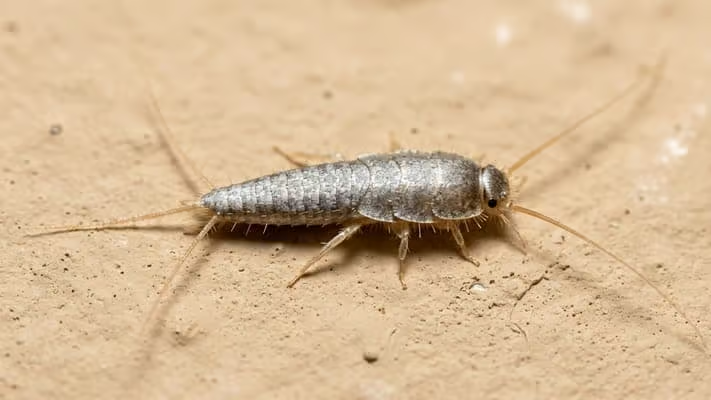
Silverfish are wingless, fast-moving insects that thrive in humid areas and feed on starches, paper, and fabric.
How Did I Get Silverfish??
Silverfish thrive where humidity, darkness, and starchy food sources overlap. They enter homes through foundation gaps, utility openings, and items brought indoors, then settle in basements, bathrooms, laundry rooms, and closets with elevated moisture.
Leaks, poor ventilation, damp cardboard storage, and humid crawlspaces create ideal conditions. Silverfish feed on materials rich in carbohydrates and starches—paper, book bindings, wallpaper paste, cardboard, glue, and some natural fabrics—so storage rooms and archives are especially vulnerable.
You do not need severe filth for silverfish to establish. Consistent moisture and undisturbed starchy materials are enough for populations to grow slowly and unnoticed for long periods.
How to identify silverfish
Silverfish are wingless, silvery-gray, teardrop-shaped insects with a fish-like wriggling movement and long antennae and tail bristles.
Signs of a Silverfish Infestation
Homeowners often first notice the insects themselves: wingless, silvery-gray, teardrop-shaped pests that move with a fish-like wriggle when lights are turned on in bathrooms or basements. They are nocturnal and scatter quickly when disturbed.
Other signs include irregular holes or yellow staining on paper and fabric, small pepper-like droppings, shed scales, and damage to book bindings, wallpaper, or stored documents. Finding several silverfish in damp storage areas suggests more than a chance wanderer.
Because they avoid light and stay in cracks, infestations can be larger than daytime sightings suggest. Focus inspection on humid rooms and long-stored paper goods rather than open living spaces alone.
Where Do Silverfish Hide?
Silverfish prefer dark, humid microhabitats: basements, bathrooms, laundry rooms, under sinks, behind baseboards, inside wall voids near plumbing, and cluttered closets. They also hide in stacks of cardboard, bookcases, file boxes, and under rarely moved storage.
Crawlspaces, attic edges with moisture issues, and utility rooms with condensation problems commonly support populations. They rarely establish well in dry, well-ventilated, brightly used rooms.
Follow moisture and paper: where humidity and starchy materials meet, silverfish are most likely. Correcting those conditions is central to lasting control.
Bathroom
commonA moisture-rich room that attracts pests drawn to humidity and standing water.
Basement
commonA below-grade space that is often damp and dark, making it attractive to a wide range of pests.
Attic
occasionalAn upper void space that offers insulation, shelter, and quiet for nesting pests and wildlife.
Living Room
occasionalA shared living space with upholstered furniture and carpeting that can harbor fabric and carpet pests.
Why Are Silverfish Bad for My Home?
Silverfish damage paper goods, books, wallpaper, photographs, cardboard, and some natural fabrics and starched textiles. For homeowners with important documents, collections, or stored archives, that damage can be costly or irreversible.
They also signal underlying moisture problems that may encourage mold, wood decay, or other pests. While silverfish do not typically transmit disease the way cockroaches or rodents can, their presence is a sanitation and property-preservation concern.
Left alone in damp basements or closets, populations expand gradually and damage accumulates on items people rarely check. Early humidity control and cleanup prevent larger losses.
| Concern | Severity | What it means |
|---|---|---|
| Paper DamagePrimary | moderate | Damage pests cause to books, documents, and paper goods, typically from chewing or feeding. |
| Property Damage | low | General damage pests cause to belongings, storage, or the surrounding property. |
| Clothing Damage | low | Damage pests cause to fabric and clothing, typically from chewing or larval feeding. |
What silverfish put at risk, and how urgent each one is.
How Do I Get Rid of Silverfish?
Start with moisture control: fix leaks, improve ventilation, and use dehumidifiers in basements and other damp areas. Reduce cardboard storage on damp floors, elevate important papers, and declutter dark storage zones that provide harborage.
Targeted insecticide application to cracks, baseboards, and storage areas can reduce populations after sanitation, and sticky traps help monitor activity. Removing heavily damaged paper or fabric items reduces food sources.
Pest Control Companies combine moisture assessment, crack-and-crevice treatment, and guidance on storage practices. Lasting results depend on drying the environment—not only killing the insects you see on a given night.
Methods, what a professional visit looks like, and what goes wrong when silverfish are treated the wrong way.
When Should I Call a Pest Control Company for Silverfish?
Call a Pest Control Company if silverfish appear in multiple rooms, if you find ongoing damage to books or documents, or if humidity problems persist despite DIY efforts. Large basements, crawlspaces, and older homes often need a systematic inspection of voids and moisture sources.
Pest Control Company help is also useful when you cannot safely or effectively treat deep cracks, wall voids, or extensive storage areas. Technicians can distinguish silverfish from look-alike pests such as firebrats and tailor treatment accordingly.
If you keep seeing silverfish after reducing clutter and buying traps, the moisture and harborage conditions remain favorable. That is the right time for an integrated Pest Control Company plan.
Silverfish: common questions
Do silverfish bite people?
Silverfish do not typically bite people and are not considered dangerous in that sense. Their main impact is damage to paper, fabrics, and stored goods. Reducing moisture and food sources is more important than fear of direct attack.
What causes silverfish in bathrooms?
Bathrooms provide humidity, darkness under cabinets, and nearby paper or glue-based materials. Leaks, poor exhaust ventilation, and damp towels or storage boxes worsen conditions. Improving ventilation and sealing plumbing gaps helps reduce bathroom activity.
Are silverfish a sign of a dirty house?
Not necessarily. Silverfish are more strongly linked to humidity and available starchy materials than to general mess. Even tidy homes with damp basements or cardboard storage can support them. Moisture management is the key prevention step.
How do I protect books and documents from silverfish?
Store important papers in dry, well-ventilated areas in sealed containers rather than open cardboard on damp floors. Use dehumidifiers where needed and inspect storage periodically. Addressing building moisture is more effective than relying on repellents alone.
What is the difference between silverfish and firebrats?
Both are similar wingless insects that feed on starches, but firebrats prefer hotter environments such as areas near furnaces or water heaters, while silverfish favor cooler humid spaces. A Pest Control Company can confirm identification if treatment targeting differs for your home.
Will a dehumidifier get rid of silverfish?
Lowering humidity makes the environment far less suitable and is one of the most important long-term steps. A dehumidifier alone may not eliminate an established population hiding in cracks, so combine it with sanitation and targeted treatment when activity is heavy. Dry conditions help prevent rebounds.
Get silverfish help near you
Search local, licensed pest control companies by ZIP code.
Looking for a specific service? Browse general pest control companies.