
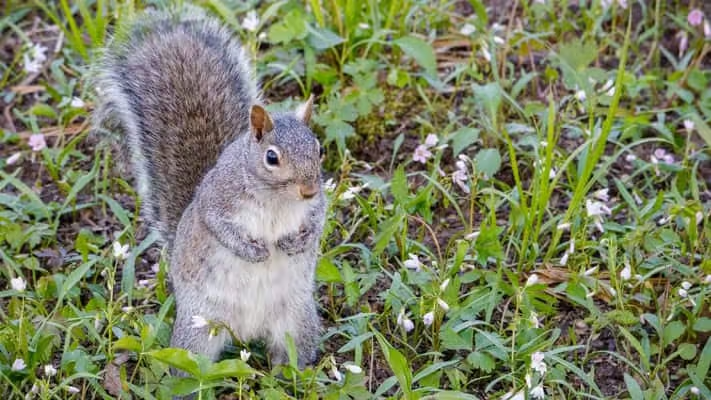
How to Get Rid of Squirrels in Your Home: A Complete Treatment Guide
Squirrels are athletic, persistent, and perfectly built for rooftop life. Tree squirrels can leap from limbs to gutters, run power lines, and enlarge a soft soffit gap into a full attic entrance in a single season. Once inside, they nest in insulation, gnaw wood and wiring, and create fire and structural risks that go far beyond “cute wildlife on the bird feeder.” If you are searching for how to get rid of squirrels in your home, you are usually dealing with daytime attic noise, chewed vents, or a female using your roof void as a nursery.
This guide is written from a practical wildlife treatment perspective—the same framework a Pest Control Company and wildlife control company uses when evaluating a squirrel problem. You will learn how squirrels access structures, what light DIY steps are limited to habitat and exterior readiness, which Pest Control Company methods remove animals humanely and close entry points, what goes wrong when people seal holes over active nests, and when licensed help is the right call. You will also see what a Pest Control Company squirrel service looks like from inspection through exclusion and repair, how to choose a good provider, and how to prevent squirrels from returning after the crisis is over.
Use this page as a decision guide. If squirrels are only raiding feeders and have not breached the building, feeder management and tree trimming may reduce pressure. If you hear running in the attic during the day, find chewed fascia, or see animals entering roof vents, treat this guide as your bridge to Pest Control Company wildlife help—and to platforms like Pest Direct that connect homeowners with local companies experienced in humane squirrel exclusion. Never permanently seal an attic while young may still be inside.
How Squirrels May Have Gotten Into Your Home
Almost every indoor squirrel problem starts with roof-level opportunity. Gray squirrels and other tree squirrels use overhanging branches, utility lines, adjacent fences, and climbing routes on corners and downspouts to reach the roofline. From there they test weak points: rotten fascia, loose soffit returns, ridge and gable vents with damaged screening, roof-to-wall intersections, attic fan housings, and uncapped chimneys in some cases. A gap that looks “too small” to a homeowner is often large enough for a squirrel—or becomes large enough after a night of gnawing.
Seasonal biology drives urgency. Females seek secure cavities for litters, commonly in spring and again in mid-to-late summer depending on region and species. Attics offer warmth, height from ground predators, and nesting material in the form of insulation. Once a den is established, activity is often loudest in early morning and daytime—unlike nocturnal raccoons—because tree squirrels are primarily diurnal. You may hear scurrying, rolling nuts, or rapid trips along the same path to an exit hole.
Outdoor attractants increase local density even when the attic is the core problem. Bird feeders, accessible pet food, fruit and nut trees against the house, and unsecured trash can concentrate squirrels on a property. That density raises the odds that someone will test the roof. Storm damage and aging roofs accelerate entry: missing shingles, lifted flashing, and animal-chewed corners from prior years become open invitations.
Secondary damage multiplies after entry. Squirrels gnaw constantly to manage growing incisors, which can strip wire insulation, damage rafters, and shred HVAC ducts. Nests compact insulation and create urine and droppings contamination. Chewed electrical lines are a genuine fire concern. Understanding how squirrels arrived tells you whether the fix is trimming a tree bridge, repairing a vent, or carefully removing a family with one-way doors before final sealing.
How to Treat a Squirrel Problem in Your Home
Effective squirrel treatment is not about scaring animals with noise machines forever. The goal is to remove or exclude squirrels from the structure humanely, confirm the attic is vacant of adults and young, seal every access point with materials they cannot chew through easily, repair damage that would allow re-entry, and reduce easy climbing and food incentives. Pest Control Companies think in systems: map entry holes, time work around litters, use one-way devices or trapping per local law, exclude comprehensively, and verify quiet.
A feeder raid is a different job than a maternity den in a two-story attic. Match intensity of response to intensity of occupation. Below is how to approach light DIY habitat work, the main methods used in residential squirrel control, and the failure modes that trap young, create odor, or guarantee return next season.
Treating Light Squirrel Problems Yourself
For squirrels, appropriate homeowner DIY is primarily habitat modification—not attic capture. If squirrels have not entered the structure, reduce attractants and climbing access. Manage bird feeders (or remove them temporarily), clean spilled seed, harvest or pick up fallen nuts and fruit near the house, and trim tree limbs several feet back from the roofline where safe and practical. Inspect vents and fascia visually from the ground or with binoculars and photograph damage for a Pest Control Company quote.
Do not crawl into an active squirrel attic to chase animals. Do not permanently nail shut a hole because noise stopped for one afternoon—young may still be inside or adults may be out foraging. Do not use poison; it is inhumane for this context, creates secondary hazards, and can leave carcasses in walls. Mothballs and ammonia are unreliable and can contaminate living spaces. DIY trapping may be restricted by law and often fails when multiple animals and entry points exist.
Safe DIY checklist for light pressure: feeder and sanitation management, tree clearance planning, exterior photo documentation, temporary deterrence only as a bridge to real exclusion, and immediate Pest Control Company scheduling if attic sounds, chew holes, or daytime roof entries are confirmed. Habitat work makes Pest Control Company exclusion last. It does not replace vacancy-confirmed sealing when squirrels already live overhead.
What Can Go Wrong If Squirrel Problems Are Handled Poorly
The most serious DIY failure is sealing an active nest. Young squirrels left inside die and create odor and fly problems, or the mother chews a violent new exit through drywall, soffit, or roofing. Another failure is partial exclusion: sealing one vent while leaving fascia gaps invites immediate re-entry. Chasing animals into walls without a plan can move the problem into harder-to-reach voids.
Illegal or poorly managed trapping creates liability and animal welfare issues. Poison is never an acceptable homeowner attic strategy. Overusing repellents delays real repairs while gnawing continues on wires. Delays have costs: what starts as a small soffit chew becomes multiple holes, ruined insulation, and elevated fire risk from stripped electrical lines.
Misidentifying nocturnal sounds as squirrels—or diurnal sounds as rats—leads to wrong methods. Assuming “they will leave after the babies grow” without exclusion leaves the attic marked as good denspace for next year. Neighbor feeders and connected tree canopies mean pressure remains high; without durable materials, repairs fail under repeated testing. The longer a structure trains squirrels that it is safe nursery space, the more extensive the eventual repair package becomes.
Treatment methods
The approaches a technician chooses between for squirrels, and what each one is good at.
- Inspection, entry mapping, and litter assessment
- Technicians inspect the attic and roofline for holes, rub marks, nesting, droppings, and chewed wiring. They determine how many access points exist and whether breeding season makes dependent young likely. Thermal cameras, tracking, and careful listening help when animals are intermittent. Mapping all holes prevents the classic failure of sealing the obvious vent while a second soffit gap remains open.
- One-way exclusion doors and humane removal
- A preferred Pest Control Company method is installing one-way doors over primary exits so squirrels leave and cannot re-enter, then confirming the attic is empty before permanent repair. Live trapping may be used where legal and appropriate, especially for stubborn individuals. Critical rule: never final-seal until young are accounted for. Pros time work to avoid orphaning kits in insulation.
- Structural exclusion and chew-resistant repairs
- After vacancy, openings are closed with durable materials—metal flashing, hardware cloth, reinforced vent covers, and proper soffit/fascia repair. Plastic screening and light caulk alone often fail against squirrel teeth. Chimney caps and attic vent guards must be wildlife-rated. Comprehensive sealing of secondary gaps is as important as fixing the main hole.
- Damage assessment and safety repairs
- Chewed electrical wiring may require a licensed electrician. Insulation replacement, duct repair, and board replacement restore function and remove contaminated nesting material. Pros flag fire and structural concerns so homeowners do not stop at “the squirrel is gone” while hazards remain.
- Access and attractant reduction
- Trimming tree bridges, managing feeders, and securing food sources reduce re-testing pressure. Utility line baffles or other access modifiers are sometimes recommended. Exclusion without attractant management still helps, but neighborhood squirrels will probe weak roofs every season if food is abundant.
- Follow-up monitoring
- Quality programs recheck for new chew attempts, listen for residual activity, and reinforce weak points. Follow-up is where DIY “I closed one hole” jobs fail—squirrels open a new corner within days when motivated by a den site.
When You Should Call a Pest Control Company for Squirrels
Call a Pest Control Company when you hear daytime running or scratching in the attic or soffits, see squirrels entering roof gaps, find chewed vents or fascia, or discover nesting material and droppings in the attic. Call sooner during spring and late-summer breeding windows when young are likely. Do not wait through weeks of noise hoping the animals self-evict permanently—they often return to successful dens.
You should also call if you find chewed wires, smell urine in insulation, manage a multi-story roof you cannot safely access, or have already sealed a hole and still hear activity (possible trapped animals). Pest Control Companies are not only for “infestations of many”; a single female with kits is enough to justify proper exclusion. A same-week inspection can prevent illegal or inhumane sealing mistakes and catch electrical damage early.
If you are unsure whether sounds are squirrels, rats, raccoons, or birds, do not experiment with random products in the attic. A trained technician can identify species from timing and signs, explain legal options, and build a humane plan sized to your roof.
Why a Pest Control Company Is Often Better Than DIY Alone for Squirrels
Pest Control Companies bring advantages homeowners rarely match: roof-safe inspection skills, one-way exclusion expertise, litter-aware timing, and chew-resistant repair standards. Squirrel work is wildlife control plus light construction. Knowing where to place a one-way door, how to confirm vacancy, and which materials survive squirrel teeth is specialized. Technicians also see patterns: the same maple limb that loads animals onto a gutter may explain last year’s repair failure.
DIY habitat tweaks help at the margins, but noise devices and store-bought repellents do not replace den resolution. Homeowners often lack safe roof access and durable materials. Pros integrate removal, full-perimeter sealing recommendations, and damage flags for electricians instead of a single scare tactic. They understand local regulations on trapping and relocation—compliance that protects you from fines and poor outcomes.
There is also a time, safety, and stress calculation. Dawn attic races, fear of fire from chewed wires, and weekend patch jobs that reopen Monday add up. A structured wildlife service converts that uncertainty into a sequence: inspect, exclude humanely, seal, repair, and monitor. For most households, that reliability is the real product. Pest Control Company service is not about “giving up”; it is about matching methods to agile rodents that treat human roofs as natural cavity habitat.
What the Pest Control Company Treatment Process Looks Like for Squirrels
While companies vary, high-quality residential squirrel control follows a predictable arc. Understanding the process helps you evaluate quotes and avoid one-hole “stuff with steel wool” jobs that fail. Here is the typical sequence from first call to lasting control.
Inspection and activity assessment
A technician interviews you about sound timing, then inspects attic, roofline, vents, and tree access. They map entries, look for young, and document damage. Photos and a clear plan should precede major work.
Humane exclusion or trapping plan
You receive a plan that may include one-way doors, trapping where legal, and staged sealing. Prep guidance may include keeping attic hatches closed, noting pet doors, and not DIY-blocking holes mid-process.
Removal phase and vacancy confirmation
Animals exit or are removed, with special care for dependent young. The technician confirms the attic is vacant before permanent repairs—using inspection and monitoring judgment. This step prevents sealed-in tragedies.
Exclusion repairs and access reduction
All known entries are repaired with durable materials. Secondary gaps are closed proactively. Tree-trimming and feeder advice reduce immediate re-pressure on fresh repairs.
Damage follow-up and monitoring
Wiring, insulation, and duct concerns are flagged. Follow-up visits check for re-chew attempts. The end state is a quiet, sealed attic—not only a day without noise.
How to Find a Good Pest Control Company for Squirrel Control
A good squirrel control provider is licensed for wildlife work where required, insured, and explicit about one-way exclusion and vacancy checks before final sealing. Ask what materials they use, whether attic inspection is included, how they handle young, and whether repair warranties cover re-entry through treated points. Be cautious of ultra-cheap jobs that only stuff one hole, or anyone who seals first and listens later.
Check recent reviews for mentions of repairs holding through the next season, communication, and whether daytime attic noise actually stopped. Ask about roof safety practices, what you need to do before service, and how callbacks work. For tall or complex roofs, ask about access equipment and multi-point sealing experience.
This is also where Pest Direct fits the homeowner journey. After you understand the problem from a guide like this, the next step is not endless feeder gadgets or risky attic DIY—it is connecting with local pest and wildlife control companies that already service squirrel exclusions. Pest Direct helps you move from reading about the problem to getting help: find Pest Control Companies in your area, compare options, and request service without guessing which random search result is legitimate. Use educational guides to know what “good” looks like, then use the platform to hire it.
When you request service, share details that speed diagnosis: when you hear animals, photos of chewed vents, how long activity has lasted, tree contact with the roof, and any sign of young. Better intake information produces better quotes and safer results.
How to Keep Squirrels From Coming Back
Prevention is the quiet half of squirrel control. Trim tree limbs away from the roofline, maintain wildlife-rated vent screens and chimney caps, and repair soft fascia before animals test it. Manage bird feeders and spilled seed. Inspect the roofline after storms; small weather damage becomes squirrel doors within weeks of discovery by foragers.
Attic prevention includes keeping the envelope tight year-round—not only after a removal. Check gable vents, ridge vent ends, and roof-wall junctions annually. Address electrical and insulation repairs so the space is not only sealed but restored. If neighborhood feeders keep density high, your exclusion quality must be excellent; animals will probe continuously.
Think of prevention as reducing your roof’s score as a cavity nest site. You may never eliminate every squirrel from a treed street, but you can make attic entry unrewarding and physically difficult. Pair that with monitoring—react to the first daytime scratch or new chew mark instead of waiting for a full den—and you stay ahead of the next breeding cycle. After Pest Control Company exclusion, keep a seasonal photo log of vent and soffit condition; early maintenance is cheaper than another full removal.
Squirrels treatment: common questions
What is the fastest way to get rid of squirrels in the attic?
Pest Control Company one-way exclusion with vacancy confirmation is the fastest safe approach. Do not seal holes while animals may remain inside. DIY noise devices rarely produce permanent results without repairs.
Why do I hear squirrels during the day but not at night?
Tree squirrels are primarily diurnal, so attic activity often peaks in morning and daytime. Heavy night noise is more typical of raccoons or other nocturnal wildlife—species identification changes methods.
Can I just seal the hole if I have not seen babies?
No. Young may be silent or hidden in insulation, and adults may be out foraging. Always confirm vacancy—ideally with a Pest Control Company—before permanent sealing. Sealing first is the most common costly mistake.
Do ultrasonic devices get rid of squirrels?
Results are inconsistent and usually temporary. Squirrels habituate, and devices do not fix entry holes. Durable exclusion and access reduction are the reliable long-term solutions.
Are squirrels a fire hazard?
Yes, they can be. Gnawing on electrical wiring is a documented risk. If you suspect chewed wires, schedule wildlife exclusion and have an electrician evaluate damaged circuits.
How long does Pest Control Company squirrel exclusion take?
Simple single-entry jobs may resolve within days; multiple entries, litters, or complex roofs take longer with monitoring stages. Your technician should set expectations after inspection.
Is it legal to trap squirrels myself?
Laws vary by state and municipality. Many areas regulate trapping and relocation of squirrels. Hire a licensed wildlife Pest Control Company who understands local rules rather than risking illegal or incomplete DIY capture.
Can Pest Direct help me find squirrel control near me?
Yes. Once you understand your squirrel problem, Pest Direct connects you with local pest and wildlife control companies that handle residential squirrel service. Compare providers and request help without starting from zero.
Hand the squirrels problem to someone licensed
Compare local pest control companies that treat squirrels, see what they charge, and get an estimate.