Squirrels
Squirrels are agile rodents that nest in attics and chew on wood and wiring, creating fire and structural risks.
How Did I Get Squirrels??
Tree squirrels are agile climbers that reach roofs via overhanging limbs, power lines, and nearby structures. Once on the roofline, they exploit gaps in fascia, soffits, roof vents, and damaged shingles—sometimes enlarging small openings by chewing.
Attics offer warmth, safety from predators, and nesting material from insulation. Females often seek indoor dens in spring and again in late summer when raising young. Bird feeders, accessible trash, and nut-bearing trees make properties especially attractive.
Even tidy homes with mature trees can host squirrels if roofline maintenance is deferred. Access, not dirt, is the primary driver of attic invasions.
How to identify squirrels
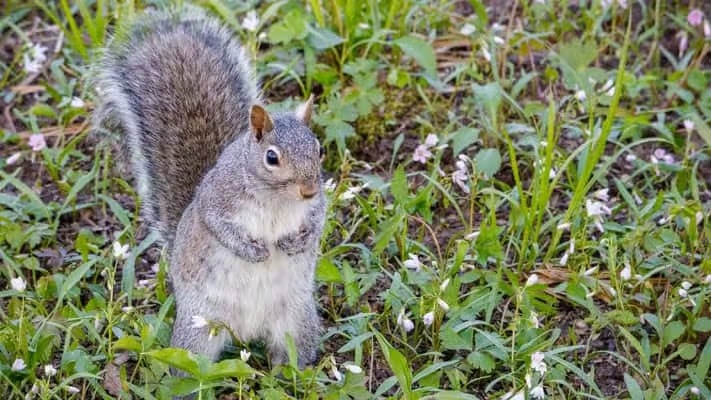
Common tree squirrels are gray or reddish-brown with a bushy tail, large eyes, and strong claws suited for climbing.
Signs of a Squirrel Infestation
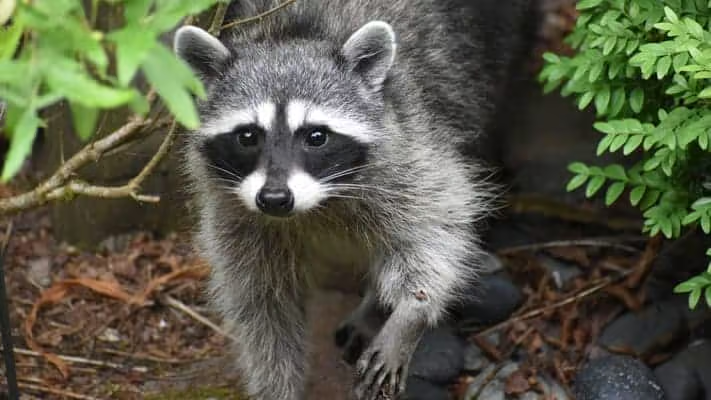
Daytime scratching, rolling, or running sounds in the attic are classic signs—squirrels are diurnal, unlike most nocturnal raccoons. You may find gnaw marks on wood or wiring, chewed roof or soffit openings, leaf and insulation nests, and droppings in attic corners.
Outside, look for damaged vents, frayed fascia, and squirrels entering the same roof gap repeatedly. Grease marks or chewed edges around an opening indicate regular use.
Spring and late summer activity spikes often mean nesting. Sounds that stop suddenly may mean young are still present even if adults are out foraging, so timing of exclusion requires care.
Where Do Squirrels Hide?
Attics, soffit returns, eaves, and wall voids near the roofline are primary indoor harborage. Nests are built from insulation, leaves, and household materials. Chimneys and uncapped vents can also serve as access or den sites.
Outdoors, squirrels nest in tree cavities and leaf dreys, using your roof as an extension of that habitat. Travel routes follow branches that touch or nearly touch the structure.
Inspection should cover the entire roofline perimeter, not only the first hole you find. Secondary openings allow re-entry after incomplete repairs.
Attic
commonAn upper void space that offers insulation, shelter, and quiet for nesting pests and wildlife.
Roof
commonThe uppermost structural surface, where damaged or open areas can let pests and wildlife into the attic.
Trees
commonLandscape trees that can host wood-boring pests or provide overhead cover near the home.
Garage
occasionalAn attached or detached vehicle storage space that pests can use as an entry point into the home.
Why Are Squirrels Bad for My Home?
Squirrels gnaw constantly to manage growing incisors, damaging wood, vents, and electrical wiring. Chewed wires create fire and electrical hazards. Insulation is shredded for nests, reducing energy efficiency and requiring costly replacement when contaminated.
Noise, odors, and droppings degrade attic conditions, and re-entry through the same weak points is common if repairs are cosmetic only. Structural fascia and soffit damage can also invite weather intrusion and other pests.
Because of fire risk and potential for young in the nest, Pest Control Company exclusion timed correctly is safer than random trapping without a sealing plan.
| Concern | Severity | What it means |
|---|---|---|
| Property DamagePrimary | moderate | General damage pests cause to belongings, storage, or the surrounding property. |
| Electrical Damage | moderate | Damage pests cause by gnawing on electrical wiring, which can lead to outages or hazards. |
| Fire Hazard | moderate | Increased fire risk created by pest damage to wiring or the accumulation of nesting materials. |
| Noise | low | Disruptive sounds caused by pest activity, such as scratching, chirping, or movement within walls. |
What squirrels put at risk, and how urgent each one is.
How Do I Get Rid of Squirrels?
Effective control combines removal or one-way exclusion, confirmation that the attic is vacant (including young), and permanent sealing of all entry points with chew-resistant materials. Trim tree limbs away from the roofline, install chimney caps and vent screens, and repair fascia damage promptly.
Trapping may be used where legal and appropriate, but trapping without exclusion leads to new squirrels finding the same hole. Avoid sealing active dens with animals inside. Follow local wildlife regulations for trapping and relocation.
Pest Control Companies inspect the full roofline, time exclusion around nesting when required, and complete durable repairs. Cleanup of nesting material and damaged insulation may follow once animals are gone.
Methods, what a professional visit looks like, and what goes wrong when squirrels are treated the wrong way.
When Should I Call a Pest Control Company for Squirrels?
Call a Pest Control Company if you hear ongoing attic activity, find chewed wiring or vents, or suspect young are present. Roofline work and wildlife exclusion require experience to avoid trapping animals inside or creating incomplete seals.
Pest Control Company help is especially important on multi-story homes, complex roofs, and properties where local rules limit DIY wildlife control. Technicians can also assess fire risk from wiring damage.
If squirrels return after you patched one hole, other openings or tree access remain. That is the right time for a comprehensive exclusion plan rather than repeated patch jobs.
Squirrels: common questions
Why do I hear squirrels during the day but not at night?
Tree squirrels are primarily active in daylight, so attic running and scratching often occur in the morning and afternoon. Nighttime quiet does not mean the nest is empty. Nocturnal noises are more typical of raccoons, rats, or other wildlife.
Can squirrels chew electrical wires?
Yes. Gnawing on wiring is a serious fire and safety hazard. Any signs of chewed wires should prompt both wildlife exclusion and an electrical safety check of the affected area. Do not ignore ongoing attic activity when wiring damage is found.
Will a one-way door get squirrels out of my attic?
One-way exclusion devices can work when all other openings are sealed and no dependent young remain inside. Improper use can trap babies and cause severe odor and damage. A Pest Control Company should evaluate timing and installation.
How far should I trim trees from my roof?
A common goal is several feet of clearance so squirrels cannot easily leap from branches to the roofline, though exact needs vary by tree species and roof design. Combine trimming with sealing gaps for best results. Overhanging limbs are one of the most common access bridges.
Is it legal to trap squirrels myself?
Regulations vary by location and may restrict trapping, relocation, or season of activity. Some areas require licensed wildlife operators. Check local wildlife laws and prefer Pest Control Company, humane exclusion methods.
Do ultrasonic devices keep squirrels out?
Ultrasonic or light-based repellers alone rarely solve established attic dens. Squirrels often habituate or return for nesting benefits. Physical exclusion and habitat modification remain the proven solutions.
Get squirrels help near you
Search local, licensed pest control companies by ZIP code.
Looking for a specific service? Browse wildlife removal companies.