
How to Get Rid of Stink Bugs in Your Home: A Complete Treatment Guide
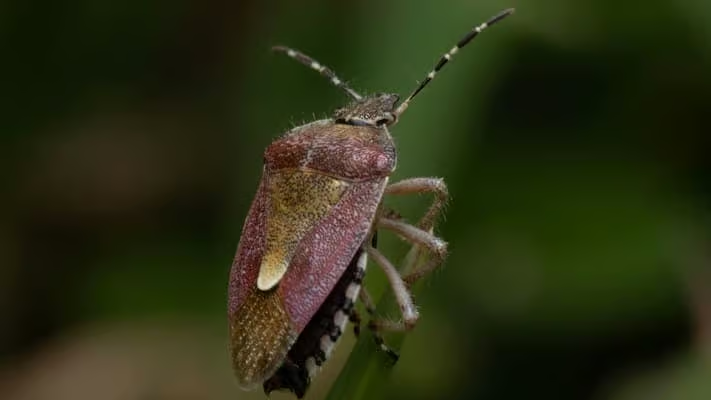
Stink bugs—especially the invasive brown marmorated stink bug—are one of the most frustrating seasonal household pests in many parts of the United States. They are shield-shaped, mottled brown, about three-quarters of an inch long, and famous for the pungent defensive odor they release when disturbed or crushed. Outdoors they feed on a wide range of garden plants and crops. Indoors they do not typically establish breeding colonies in heated living spaces or chew structural wood. Instead, they use your home as a winter hotel: clustering on sun-warmed exterior walls in fall, slipping through small gaps into attics, soffits, and wall voids, then wandering into rooms on warm winter days and again in spring when they try to leave.
If you are searching for how to get rid of stink bugs in your home, you are usually dealing with a building-envelope and timing problem more than a “dirty kitchen” problem. A single bug on a window may be chance. Dozens on the siding every autumn, repeated indoor finds all winter, and a house that smells when someone crushes a bug under a curtain are signs of seasonal invasion pressure plus entry points.
This guide is written from a practical treatment perspective—the same framework a Pest Control Company company uses when evaluating stink bug pressure. You will learn how stink bugs typically enter, what light DIY steps help for small numbers, which methods actually reduce indoor invasions, what often goes wrong with crushing and late spraying, and when a licensed technician is the smarter path. You will also see what Pest Control Company service looks like from inspection through seasonal prevention, how to choose a good provider, and how to prepare the exterior so next fall is quieter than the last.
Use this page as a decision guide. If a handful of bugs appear and you can vacuum and seal obvious gaps, DIY may be enough for a light year. If clusters return every autumn, if bugs pour from voids into living space, or if complex rooflines and older siding defeat your caulk gun, treat this guide as your bridge to Pest Control Company help—and to platforms like Pest Direct that connect homeowners with local pest control companies ready to inspect and quote the job.
How Stink Bugs May Have Gotten Into Your Home
Almost every indoor stink bug problem starts outdoors. During warm months, brown marmorated stink bugs feed on fruits, vegetables, ornamentals, and agricultural hosts. As temperatures drop in fall, they seek sheltered overwintering sites—much like boxelder bugs and some other outdoor insects. Sun-warmed south- and west-facing walls become staging areas. From there, insects probe siding joints, window frames, door thresholds, soffits, attic vents, utility penetrations, chimney gaps, and any crack large enough for a shield-shaped body.
They are excellent at exploiting small openings. Homes near wooded edges, heavy landscaping, orchards, or agricultural areas often see higher regional pressure, but even well-kept suburban houses can receive large numbers in a heavy year. Once inside the building shell, stink bugs settle into attics, wall voids, and other protected spaces. They do not need your pantry. Living-space sightings usually happen when overwintering adults become active and move toward light—windows, lamps, and upper floors are classic discovery points.
Spring creates a second wave of annoyance as survivors attempt to exit the structure. That can feel like a “new infestation” even though the insects entered months earlier. Crushing them indoors spreads odor on hands, fabrics, and surfaces, which is why vacuuming is preferred. Understanding entry as a fall migration into the envelope—not as indoor breeding—explains why timing of exclusion and perimeter treatment matters so much. Seal and treat before the invasion when possible; fight void-hidden adults all winter when you wait.
How to Treat a Stink Bug Problem in Your Home
Effective stink bug treatment is not about killing every insect already deep in a wall void in January. Visible bugs in living rooms are often stragglers from a larger population sheltered in the building envelope. The strategic goals are: carefully remove insects that appear indoors, seal entry routes, reduce exterior clustering pressure with properly timed perimeter methods when appropriate, and prevent next season’s invasion. Pest Control Companies think in seasons and systems: inspect the exterior and attic edges, time exterior work before peak fall movement, exclude gaps without creating moisture traps, and manage indoor finds without odor disasters.
A few bugs on one window after a warm spell is a different job than annual clusters covering siding, attic fills, or dozens of indoor insects on sunny winter days. Match intensity to pressure. Below is how to approach light DIY control, the main methods used in residential work, and the failure modes that leave homeowners smelling defensive chemicals from October through April.
Treating Light Stink Bug Problems Yourself
If you have only recently noticed a small number of stink bugs indoors, start with careful removal and basic exclusion. Vacuum bugs—do not crush them—and empty the vacuum canister or bag outside so odor does not linger in the house. A light soapy water trap or jar method can work for individuals, but vacuuming is usually cleaner for multiple insects. Avoid widespread indoor insecticide use as a first response; once bugs are inside heated rooms, physical removal is often the practical step.
Walk the exterior on a cool fall day before peak invasion if you still can: repair torn screens, add or fix door sweeps, caulk gaps around windows and utility lines, and check attic vents and soffit joints for obvious openings. Interior weatherstripping helps but exterior sealing of the building envelope does more to stop new entries. Reduce unnecessary outdoor lighting that may attract various insects to walls at night, though stink bugs are driven more by seasonal shelter-seeking than porch lights alone.
Be realistic about timing. If insects are already deep in voids for winter, DIY options shrink to vacuuming wanderers and planning a better seal-and-treat program for late summer or early fall. If activity is limited to a few individuals, declines after sealing obvious gaps, and does not return in waves, you may manage a light year without service. If clusters reappear every autumn or indoor numbers stay high, escalate.
What Can Go Wrong If Stink Bug Problems Are Handled Poorly
The most frequent DIY failure is crushing every bug on sight. The defensive odor spreads, stains fabrics, and makes rooms unpleasant without reducing the population still in the attic. Another failure mode is waiting until November—after clusters have already moved indoors—then expecting a perimeter spray to empty the walls. Product applied too late cannot reverse a completed invasion.
Incomplete sealing is expensive in frustration: caulking one window while leaving soffit gaps and utility penetrations open simply redirects traffic. Overusing indoor foggers can stress occupants, miss hidden insects, and still leave odor-prone survivors. Misidentifying stink bugs as a breeding indoor pest leads people to treat kitchens like cockroach jobs instead of focusing on envelope exclusion.
Delays also have social costs: guests notice, laundry picks up odor, and annual dread of fall becomes a household stressor. Garden damage outdoors is a separate issue during the growing season; ignoring exterior plant hosts will not fix indoor overwintering by itself, but understanding the full life cycle prevents false expectations. The longer a home remains an easy overwintering site, the more insects will train on it each year.
Treatment methods
The approaches a technician chooses between for stink bugs, and what each one is good at.
- Seasonal inspection and entry-point mapping
- Technicians and prepared homeowners map south- and west-facing walls, siding gaps, soffits, attic vents, window frames, and utility penetrations. Identifying where clusters stage and where light shows through gaps turns vague annoyance into a punch list. Skipping exterior inspection is a common reason indoor vacuuming never ends.
- Exclusion and sealing
- Quality exclusion—caulk, screens, vent covers, weatherstripping, and repairs that do not trap moisture—is the long-term backbone of stink bug control. The goal is fewer successful entries during fall migration. Incomplete sealing of complex rooflines leaves enough access for another heavy year.
- Timed exterior perimeter treatments
- Residual insecticides applied to exterior resting and entry zones shortly before local fall migration can reduce the number of bugs that successfully enter. Timing is critical; applications after insects are already deep in voids help less for the indoor winter problem. Pest Control Companies align treatment with regional activity, not a random calendar date.
- Indoor mechanical removal
- Vacuuming remains the preferred indoor method because crushing releases odor. Light traps and careful collection manage individuals that wander from voids on warm days. Indoor space sprays rarely solve envelope-level overwintering populations and can be overkill for a nuisance pest that is not breeding in the kitchen.
- Attic and void guidance
- When large numbers rest in attics or wall voids, options mid-winter are limited. Pros may advise on vacuuming accessible insects, avoiding reckless interior bombing, and preparing for spring exit and next fall prevention. Creating new holes “to spray voids” without a plan can worsen moisture or pest access.
- Seasonal follow-up and prevention planning
- High-pressure properties benefit from a late-summer exclusion check plus timed perimeter service. Monitoring first cluster dates each year improves timing. A one-time indoor spray with no exterior plan is a common consumer disappointment for multi-year invasion cycles.
When You Should Call a Pest Control Company for Stink Bugs
Call a Pest Control Company when large clusters appear on exterior walls each fall, when dozens of bugs enter living spaces, or when you cannot locate and seal the main entry routes. Homes with complex rooflines, older siding, multi-story attics, or heavy landscaping against walls often need expert exclusion guidance and properly timed perimeter treatment.
You should also call if stink bugs return every autumn despite DIY caulk projects, if odor events keep recurring from crushed insects, or if you want a seasonal prevention plan rather than winter-long vacuum duty. Pest Control Companies are not only for “disaster” years; they are for properties where building access points exceed what a weekend project can cover.
If you are unsure whether insects are brown marmorated stink bugs, boxelder bugs, or another fall invader, a technician can confirm identity and explain which exclusion and timing strategies fit. Do not wait until voids are full if you already know your house is a yearly target—late summer and early fall are the strategic windows.
Why a Pest Control Company Is Often Better Than DIY Alone for Stink Bugs
Pest Control Companies bring three advantages homeowners rarely match: exterior diagnostics at height and in awkward envelope details, product selection with correct seasonal timing, and a prevention process instead of reactive indoor panic. Mapping entry points on a two-story home, attic edge, or aging soffit system is harder than it looks from the ground. Technicians also know that interior bug counts in January do not mean the same treatment as exterior clusters in September.
DIY sealing and vacuuming help, and every homeowner should do what they safely can. But retail sprays used at the wrong time, incomplete ladder work, and guessing at attic vents produce uneven results. Pros integrate exclusion recommendations with exterior residual work where appropriate, explain pet and child precautions, and set honest expectations: mid-winter miracles are rare once insects are sequestered in voids.
There is also a stress calculation. Annual fall invasions, odor accidents, and weekend after weekend of caulking the wrong gaps add up. A structured seasonal plan converts that cycle into a calendar: inspect, seal priorities, treat on time, manage stragglers, improve next year. For many households in high-pressure regions, that reliability is the real product. Pest Control Company service is not about fear of a harmless-to-structure nuisance pest; it is about stopping a predictable seasonal invasion with tools and timing that match insect biology.
What the Pest Control Company Treatment Process Looks Like for Stink Bugs
While companies vary, high-quality residential stink bug programs follow a seasonal logic. Understanding the process helps you evaluate quotes and avoid one indoor spray with no exclusion story. Here is the typical sequence from first call to multi-year improvement.
Inspection and pressure assessment
A technician interviews you about seasonal history, indoor finds, and odor events, then inspects sunny walls, siding, windows, doors, soffits, attic access points, and obvious gaps. They estimate whether the problem is light stragglers or heavy envelope invasion and note DIY sealing already done.
Treatment and exclusion plan
You receive a plan that may include timed exterior perimeter treatment, priority sealing recommendations, attic or vent guidance, and indoor removal advice. Prep might mean clearing exterior access, planning ladder-safe work, or scheduling before peak fall movement. Clear timing talk is a sign of a careful company.
Exterior service and sealing guidance
When timed correctly, exterior applications target resting and entry zones. Technicians explain what they treated and what sealing remains a homeowner or contractor task. Good communication prevents the myth that one spray replaces weatherization.
Indoor management support
For bugs already inside, the emphasis stays on vacuuming, avoiding crush-and-smear, and not over-applying indoor chemicals. Follow-up may address spring exit activity. Expectations are set for residual winter wanderers even after good exterior work.
Next-season prevention
After a rough year, many homeowners schedule a late-summer check. Improved exclusion plus properly timed service reduces the chance of repeating the worst autumn. The end state is fewer successful overwintering guests—not a promise of zero insects in a heavy regional year.
How to Find a Good Pest Control Company for Stink Bug Control
A good stink bug provider is licensed where required, carries insurance, and can explain seasonal timing without promising to empty sealed wall voids in January with a magic spray. Ask whether they inspect the exterior and attic edges, whether perimeter treatment is timed to local migration, and what exclusion steps they recommend. Be cautious of ultra-cheap “spray inside the house” quotes that never discuss fall prevention.
Check recent reviews for mentions of communication, whether fall invasions improved year over year, and whether technicians avoided unnecessary indoor fogging. Ask about pet and child safety practices, ladder and roof-adjacent work, and how callbacks work if clusters continue. For multi-story or older homes, ask specifically about exclusion experience.
This is also where Pest Direct fits the homeowner journey. After you understand the problem from a guide like this, the next step is not endless product aisles—it is connecting with local pest control companies that already service seasonal invaders in your area. Pest Direct helps you move from reading about the problem to getting help: find Pest Control Companies nearby, compare options, and request service without guessing which random search result is legitimate. Use educational guides to know what “good” looks like, then use the platform to hire it.
When you request service, share details that speed diagnosis: how many years the problem has recurred, rooms involved, photos of exterior clusters or indoor bugs, sealing work already completed, and whether attic or soffit activity is visible. Better intake information produces better timing and quotes.
How to Keep Stink Bugs From Coming Back
Prevention is the quiet half of stink bug control—and most of it happens before the first cold snap. Seal exterior cracks around windows, doors, siding joints, utility penetrations, and soffit intersections. Repair screens, install or maintain door sweeps, and inspect attic vents and chimney areas for insect-sized gaps. Complete major sealing in late summer when possible, not after insects are already staging on the siding.
Maintain the exterior so walls are less inviting as long-term shelter: fix loose trim, address damaged weather barriers carefully, and avoid leaving easy access at cable and HVAC penetrations. Indoors, vacuum stragglers promptly without crushing, and wash fabrics that contacted defensive chemicals. Garden management during the growing season can reduce local feeding populations somewhat, but structural exclusion remains the homeowner’s best defense against indoor overwintering.
Think of prevention as lowering your home’s score as a winter hotel. You may not eliminate every regional insect in a peak year, but you can make entry difficult enough that indoor numbers stay manageable. Pair sealing with correctly timed Pest Control Company exterior service in high-pressure years, and react to the first fall clusters instead of waiting until the attic is stocked for winter.
Stink Bugs treatment: common questions
What is the fastest way to get rid of stink bugs in the house?
Vacuum insects carefully and dispose of contents outside—do not crush them. Seal obvious entry gaps as soon as practical. For ongoing seasonal invasions, plan exclusion and professionally timed exterior treatment before the next fall migration rather than relying only on indoor sprays.
Why do stink bugs keep coming back after I spray them?
Indoor sprays often kill only the bugs you see while many more remain in attics and wall voids. Fall migrations also bring new insects each year if entry points stay open. Exclusion and correctly timed exterior prevention address the source of annual invasions more reliably.
Do natural remedies stop stink bugs permanently?
Home remedies and scents rarely stop mass fall invasions or empty voids. They may briefly affect a few insects but do not replace sealing and seasonal exterior strategies. Permanent improvement requires making the structure harder to enter.
How long does Pest Control Company stink bug treatment take to work?
Perimeter treatments timed before migration can reduce entries within the seasonal window, but bugs already inside may continue to appear on warm winter days. Full improvement is often measured year over year as exclusion improves. Your technician should set expectations based on timing and home condition.
Do stink bugs bite or damage my house structure?
Stink bugs do not typically bite people or chew structural wood. Indoors they are a nuisance and odor pest; outdoors they can damage garden plants. Focus on exclusion and careful removal rather than fear of structural collapse.
Do stink bugs lay eggs in my house?
Brown marmorated stink bugs primarily overwinter indoors and do not typically establish breeding colonies in heated living spaces. Most reproduction occurs outdoors on host plants in warm months. Indoor numbers usually reflect fall entry and winter shelter, not an indoor egg-laying cycle.
When should exterior treatment be applied?
Shortly before local fall migration, when bugs begin clustering on sunny walls, is generally most effective. Waiting until insects are deep in voids reduces what exterior residuals can do for that winter’s indoor problem. A Pest Control Company can time service to regional activity.
Can Pest Direct help me find stink bug control near me?
Yes. Once you understand your stink bug problem, Pest Direct connects you with local pest control companies that handle residential seasonal invader service. Compare providers and request help without starting from zero.
Hand the stink bugs problem to someone licensed
Compare local pest control companies that treat stink bugs, see what they charge, and get an estimate.