Stink Bugs
Stink bugs are shield-shaped insects known for the unpleasant odor they release when disturbed and their habit of gathering indoors in fall.
How Did I Get Stink Bugs??
Brown marmorated stink bugs feed on garden plants and crops in warm months, then seek sheltered overwintering sites as temperatures drop in fall. Sun-warmed exterior walls, siding gaps, soffits, and attic vents become staging areas before insects slip indoors through small openings.
They do not typically breed indoors in heated living spaces the way some household pests do. Instead, large numbers may gather in wall voids, attics, and around windows after a mass fall migration. Homes near agricultural areas, wooded edges, or heavy landscaping often see higher pressure.
Even well-kept houses can receive hundreds of stink bugs if exterior gaps exist and the regional population is high that year. Timing of exclusion work before fall migration is critical.
How to identify stink bugs
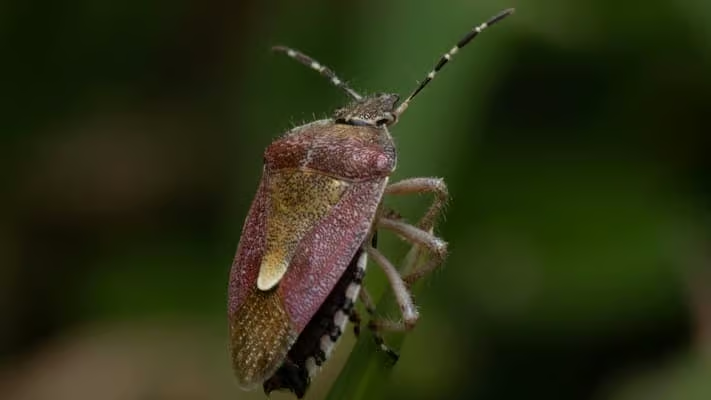
Adult brown marmorated stink bugs are shield-shaped, mottled brown, about three-quarters of an inch long, with alternating light and dark bands on the antennae and abdomen edges.
Signs of a Stink Bug Infestation
Look for clusters of shield-shaped, mottled brown bugs on sunny exterior walls in fall, and individual insects indoors near windows, light fixtures, and upper floors. Adults are about three-quarters of an inch long with alternating light and dark bands on the antennae and abdomen edges.
A strong, unpleasant odor when bugs are disturbed or crushed is a hallmark sign. You may also find them in attics, behind curtains, or reappearing on warm winter days when they become active in voids and wander into living areas.
Spring can bring another wave as overwintering adults try to leave the structure. Ongoing indoor finds through winter usually mean many insects remain sheltered in the building envelope.
Where Do Stink Bugs Hide?
Outdoors in fall, stink bugs congregate on south- and west-facing walls, under eaves, and around siding joints. Indoors and in the building shell, they hide in attics, wall voids, soffits, window frames, and behind baseboards—anywhere that offers cool, protected shelter for the winter.
Living spaces see bugs mainly when they leave those voids toward light and warmth. They are commonly noticed at windows and light fixtures rather than in kitchen pantries or bathrooms as a primary harborage.
Inspection should include the exterior for entry points and attic or soffit areas where clusters may rest. Crushing them in place is counterproductive because of the odor they release.
Siding
commonThe exterior wall covering, where gaps or damage can allow pests to enter wall voids.
Windows
commonWindow frames and sills, common entry points for pests through small gaps and worn seals.
Attic
occasionalAn upper void space that offers insulation, shelter, and quiet for nesting pests and wildlife.
Garden
commonPlanted beds and vegetable gardens that attract pests feeding on plants and soil-dwelling insects.
Why Are Stink Bugs Bad for My Home?
Stink bugs are primarily a nuisance pest indoors. They do not typically reproduce in living spaces or chew structural wood, but large numbers, staining, and a pungent defensive odor when crushed make them highly unwelcome.
Outdoors and in gardens, brown marmorated stink bugs can damage fruits, vegetables, and ornamental plants by piercing plant tissue and feeding. Home gardeners may notice deformed produce during the growing season.
The combination of seasonal mass invasions and odor when mishandled drives most homeowners to seek prevention and control before fall peaks.
| Concern | Severity | What it means |
|---|---|---|
| NuisancePrimary | moderate | General unwanted presence of pests that disrupts everyday life without a specific health or property impact. |
| Odor | moderate | Unpleasant smells caused by pest waste, nesting, or decomposing pests. |
| Garden Damage | low | Damage pests cause to garden plants, vegetables, and ornamental landscaping. |
What stink bugs put at risk, and how urgent each one is.
How Do I Get Rid of Stink Bugs?
Vacuum bugs indoors carefully—do not crush them—and empty the vacuum outside. Seal exterior cracks, repair screens, and address attic and soffit gaps before the fall migration. Perimeter insecticide applications timed ahead of seasonal movement can reduce the number that successfully enter.
Once bugs are deep in wall voids for winter, options are more limited until they become active again. Light traps and careful vacuuming manage individuals that wander into rooms. Exclusion remains the most important long-term strategy.
Pest Control Companies can time exterior treatments, identify major entry points, and advise on attic and siding sealing without creating new moisture problems. Prevention before fall is far more effective than fighting indoor stragglers all winter.
Methods, what a professional visit looks like, and what goes wrong when stink bugs are treated the wrong way.
When Should I Call a Pest Control Company for Stink Bugs?
Call a Pest Control Company if large clusters appear on exterior walls each fall, if dozens of bugs enter living spaces, or if you cannot locate and seal the main entry routes. Homes with complex rooflines, older siding, or attic openings often need expert exclusion guidance.
Pest Control Company perimeter treatment is most valuable when timed correctly before peak fall movement. Waiting until bugs are already inside voids reduces what sprays can accomplish.
If stink bugs return every autumn despite DIY sealing, remaining gaps or heavy outdoor populations are still driving pressure. That is the right time for a seasonal prevention program.
Stink Bugs: common questions
Do stink bugs bite or sting?
Stink bugs do not typically bite or sting people. Their main indoor issue is nuisance activity and the strong odor they release when disturbed or crushed. Focus on exclusion and careful vacuuming rather than fear of venomous stings.
Why do stink bugs smell so bad?
They produce defensive chemicals from glands on the body when threatened. Crushing them spreads that odor on hands, surfaces, and fabrics. Vacuuming and sealing entry points avoid triggering large odor releases indoors.
Do stink bugs lay eggs in my house?
Brown marmorated stink bugs primarily overwinter indoors and do not typically establish breeding colonies in heated living spaces. Most reproduction occurs outdoors on host plants during warmer months. Indoor numbers usually reflect fall invasion and sheltered wintering rather than indoor egg-laying cycles.
What is the best way to remove stink bugs indoors?
Use a vacuum to collect them and dispose of the contents outside. Avoid crushing. Reducing indoor light attraction near open windows and sealing gaps helps limit new entries. Ongoing vacuuming may be needed on warm winter days when overwintering bugs become active.
When should exterior treatment be applied?
Perimeter treatments work best shortly before local fall migration, when bugs begin clustering on sunny walls. Applications after insects are already deep in voids are less effective for the indoor problem. A Pest Control Company can time treatment to regional activity.
How can I prevent stink bugs next fall?
Seal cracks around windows, doors, siding, soffits, and utility penetrations; repair screens; and inspect attic vents. Complete major sealing before cool weather arrives. Combine exclusion with properly timed perimeter service in high-pressure years.
Get stink bugs help near you
Search local, licensed pest control companies by ZIP code.
Looking for a specific service? Browse general pest control companies.