
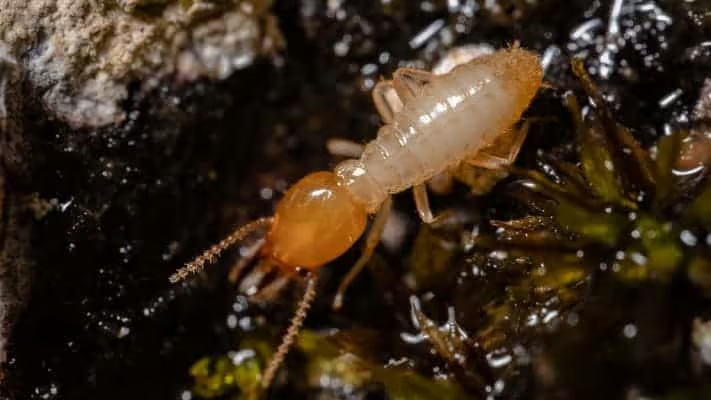
How to Get Rid of Termites in Your Home: A Complete Treatment Guide
Termites are among the most costly structural pests in the United States, and for good reason: they feed on cellulose continuously, often inside wood and soil contact zones you never see, and they can cause significant damage before obvious symptoms appear. If you are searching for how to get rid of termites in your home, you are not dealing with a simple nuisance insect on the counter. You are dealing with a wood-destroying organism that may be subterranean—traveling from soil through mud tubes—or drywood—living entirely inside infested lumber.
This guide is written from a practical treatment perspective—the same framework a Pest Control Company company uses when evaluating a termite problem. You will learn how termites typically reach structural wood, why light DIY is more limited for termites than for many other pests, which Pest Control Company treatment methods are used for subterranean and drywood species, what goes wrong when swarmers are ignored or misidentified as ants, and when it is essential to bring in a licensed technician. You will also see what a Pest Control Company termite service looks like from inspection through treatment and monitoring, how to choose a good provider, and how to reduce conducive conditions after the colony threat is addressed.
Use this page as a decision guide. Finding a few discarded wings or a short mud tube is not a weekend spray project—it is a signal to inspect thoroughly. If you see swarmers indoors, pencil-width mud tubes on foundations, hollow-sounding wood, blistered paint over damaged framing, or frass from drywood activity, treat this guide as your bridge to Pest Control Company help—and to platforms like Pest Direct that connect homeowners with local pest control companies ready to inspect and quote the job.
How Termites May Have Gotten Into Your Home
Termites do not need an open front door. Subterranean termites live in soil colonies and build shelter tubes of mud to reach wood while remaining protected from open air and light. They exploit the thin spaces where soil meets concrete, the edges of slabs, expansion joints, utility penetrations, foam insulation in contact with soil, and any wood that touches earth—siding, porch posts, form boards left after construction, or mulch piled against framing. Moisture-damaged wood and poor drainage make structural cellulose even more attractive.
Drywood termites are different. Colonies live inside the wood they infest—attic framing, window frames, furniture, or fascia—without requiring soil contact. Winged reproductives can enter through tiny exterior gaps, attic vents, or arrive in infested furniture and lumber. Once a pair establishes in sound dry wood, the colony can expand for years inside galleries you cannot see until pellets (frass) or kick-out holes appear.
Construction practices and landscaping strongly influence risk. Wood-to-soil contact, stucco or siding that extends below grade, clogged gutters that soak fascia, leaking roofs and plumbing, dense mulch against the foundation, and stumps or buried scrap lumber near the house all raise subterranean pressure. In some regions, Formosan or other aggressive subterranean species create large colonies and heavy tube networks. Seasonal swarming events—often after rain in spring or depending on local species—send winged termites out to start new colonies and are a common way homeowners first notice a problem when swarmers appear at windows indoors.
Understanding how termites “got in” is really about understanding access to cellulose and moisture. It tells you whether the solution is a soil treatment barrier, an in-ground baiting system, localized wood treatment, whole-structure fumigation for drywood colonies, moisture corrections, or ongoing monitoring—almost always with Pest Control Company tools rather than a consumer aerosol.
How to Treat a Termite Problem in Your Home
Effective termite treatment is not about spraying every baseboard you can reach. Visible swarmers are reproductive castes, not the workforce destroying wood. The goal is to determine termite type, locate activity evidence, select a method that reaches the colony or protects the structure continuously, and correct conditions that invite re-infestation. Pest Control Companies think in systems: inspect thoroughly, distinguish subterranean from drywood (and from ants), choose liquid soil termiticides, baits, wood treatments, or fumigation as appropriate, and verify with follow-up inspections.
A single outdoor mud tube on a detached fence is a different job than active tubes on a living-room foundation wall or drywood frass raining from attic joists. Match the intensity of treatment to the biology and the structure. Below is how limited DIY steps fit, the main treatment methods used in residential work, and the failure modes that turn delayed action into major repair bills.
What Homeowners Can Do Before Pest Control Company Termite Treatment
Termites are not a classic “bait the kitchen trail” DIY pest. Consumer sprays do not eliminate subterranean colonies in soil or drywood colonies deep in framing. Still, homeowners can take useful first steps when they suspect activity. Carefully document evidence: photograph mud tubes, discarded wings, damaged wood, and frass. Do not immediately destroy every mud tube before an inspection if you can schedule one soon—technicians use tubes and moisture patterns to locate activity. If tubes must be disturbed, note exact locations.
Reduce conducive conditions right away. Pull mulch and soil away from siding, fix gutter and downspout problems that soak the foundation, repair roof and plumbing leaks, remove scrap wood and stumps near the house, and store firewood off the ground and away from the structure. Improve crawlspace ventilation and drainage where possible. These steps do not replace termiticide or bait systems, but they make the property less favorable and support long-term success after Pest Control Company treatment.
Avoid random drilling, unpermitted structural cutting, or broadcast use of products not labeled for termites. Misapplied chemicals can create a false sense of security while colonies continue feeding elsewhere. If you only found a few wings and are unsure whether they are ants or termites, collect a sample or clear photos and get identification quickly. Light DIY here means preparation, documentation, and moisture correction—not colony elimination with store-shelf foggers.
What Can Go Wrong If Termite Problems Are Handled Poorly
The most frequent failure is delay. Termites feed every day you wait, and standard homeowners insurance often excludes termite damage—so repair costs fall on the owner. Another failure mode is misidentification: treating swarming ants as termites (or ignoring termite swarmers as “just ants”) wastes seasons. Consumer foggers and general insecticides do not create a soil barrier or eliminate drywood colonies in framing.
Incomplete soil treatment—gaps at plumbing penetrations, untreated slab seams, or missed additions and porches—leaves bridges for subterranean termites. Destroying mud tubes without treating the colony can hide evidence while feeding continues out of sight. For drywood termites, repeated incomplete spot treatments can leave satellite activity in untreated boards.
Hiring solely on lowest price without understanding whether the quote covers the full structure, warranty terms, and re-treatment policy can leave you underprotected. Skipping moisture corrections means treated homes remain highly conducive. The longer colonies operate in structural wood, the more likely you face joist repair, flooring issues, and compromised framing—problems that dwarf the cost of timely Pest Control Company control.
Treatment methods
The approaches a technician chooses between for termites, and what each one is good at.
- Pest Control Company inspection and species determination
- A termite inspection maps mud tubes, wood damage, moisture meters readings, swarm evidence, and frass. Technicians distinguish subterranean from drywood termites and separate termites from flying ants by waist shape, antennae, and wing features. They assess construction details—slab, crawlspace, basement—and prior treatments. Accurate diagnosis drives whether soil treatment, baits, local wood treatment, or fumigation is appropriate.
- Liquid soil termiticide barriers
- For many subterranean problems, technicians create a treated soil zone around and sometimes under the foundation so termites cannot freely access structural wood. Application may involve trenching, rodding, and drilling into slabs or expansion joints according to label and structure type. Modern non-repellent termiticides allow termites to pass through treated soil and transfer active ingredient within the colony. Proper continuous treatment is critical; gaps in coverage create untreated bridges.
- In-ground baiting systems
- Stations installed in soil around the structure monitor and deliver bait when termites feed. Workers share bait with the colony, aiming for colony reduction or elimination over time. Baiting is valuable where drilling is difficult, for ongoing monitoring, or as part of an integrated plan. Patience and scheduled inspections of stations are part of the method—results are not always overnight.
- Localized wood treatments and spot applications
- When activity is confined or when drywood galleries are accessible, technicians may inject foams, dusts, or liquids into wood and voids, or use other localized technologies. Spot treatment can be appropriate for limited drywood findings or supplemental work, but it requires accurate location of galleries. Extensive drywood infestations may need whole-structure approaches instead.
- Fumigation and whole-structure drywood treatment
- For widespread drywood termites, structural fumigation or other whole-structure methods may be recommended. These approaches target insects throughout the building’s wood members when spot treatment cannot reach all colonies. Preparation, temporary vacancy, and following re-entry rules are part of the process. Choice depends on inspection scope, species, and regional practice.
- Moisture correction, exclusion of conducive conditions, and monitoring
- Long-term success includes fixing leaks, improving drainage, breaking wood-to-soil contact, and scheduling re-inspections. Annual or regular termite inspections catch new tubes and swarm evidence early. Monitoring is especially important after treatment because termite pressure from neighboring soil and landscaping can return. Prevention is continuous, not a single spray event.
When You Should Call a Pest Control Company for Termites
Call a Pest Control Company as soon as you suspect termites—do not wait for “a few more weeks of watching.” Indoor swarmers, piles of discarded wings on windowsills, mud tubes on foundation walls or piers, wood that sounds hollow when tapped, sagging floors, blistered paint over soft wood, or drywood frass pellets below kick-out holes all warrant inspection. Any real estate transaction contingency, refinance requirement, or neighbor swarm activity is also a smart reason to schedule a pro.
You should also call if you are unsure whether insects are ants or termites. The stakes of being wrong are high. Pest Control Companies are the default for termites, not a last resort after DIY, because colony-level treatment requires licensed products, equipment, and structural knowledge homeowners rarely have. A same-week inspection can clarify risk level even when damage is not yet dramatic.
If you see moisture problems combined with any wood-damage signs, prioritize inspection. Subterranean termites and wood decay often travel together in chronically wet areas. A trained technician can confirm the pest, estimate activity scope, and recommend a plan sized to your construction type.
Why a Pest Control Company Is Often Better Than DIY Alone for Termites
Pest Control Companies bring three advantages homeowners cannot match with retail products: structural inspection skill, labeled termiticide and bait systems applied at commercial scale, and warranties or re-treatment frameworks. Termite work is as much building science as insect control—slab type, plumbing penetrations, foam board, additions, and crawlspace design change how treatment must be installed.
DIY options at retail are limited and often ineffective against established colonies. Drilling foundations, trenching soil, and managing fumigation are not safe or legal homeowner projects in most contexts. Pros select non-repellent liquids, bait matrices, or drywood strategies based on evidence rather than guesswork. They also document findings for real estate and future monitoring.
There is also a financial calculation. Termite damage is cumulative and frequently uninsured. Paying for correct treatment early is usually cheaper than replacing structural members later. Pest Control Company service is not about “giving up” on DIY pride; it is about matching industrial-strength methods to a pest that feeds silently inside the most expensive materials in your home.
What the Pest Control Company Treatment Process Looks Like for Termites
While companies and methods vary by species and region, high-quality residential termite control follows a predictable arc. Understanding the process helps you evaluate quotes and avoid mystery treatments with no graph, no inspection narrative, and no follow-up plan. Here is the typical sequence from first call to ongoing protection.
Inspection and graphing
A technician inspects interior and exterior areas, crawlspaces or basements, attics when accessible, and moisture-prone zones. They identify termite type, mark evidence, and often produce a graph of the structure showing findings and proposed treatment zones. Clear documentation is a hallmark of serious termite work.
Treatment plan, options, and prep guidance
You receive options that may include liquid soil treatment, baiting, local wood treatment, fumigation, or combinations. Costs, timelines, warranty terms, and prep (moving items, clearing perimeter access, vacancy for fumigation) should be explained in writing. Compare scope, not only price.
Initial treatment
Technicians apply the chosen method: trenching and rodding soil, drilling and treating slabs, installing stations, injecting wood, or coordinating fumigation. Good companies protect landscaping where feasible, explain safety re-entry rules, and leave you with a clear summary of what was done.
Follow-up and station monitoring
Bait systems require ongoing station checks. Liquid treatments may include re-inspection to confirm tubes are abandoned and no new evidence appears. Drywood jobs may need follow-up if spot treatment was used. This verification phase is where peace of mind is earned.
Prevention, warranties, and maintenance inspections
After treatment, many homeowners maintain an annual inspection or renewable warranty. Moisture and landscaping corrections continue as homeowner tasks. The end state is documented protection and early detection capacity, not a one-day chemical event with no future plan.
How to Find a Good Pest Control Company for Termite Control
A good termite provider is licensed where required, carries insurance, and can explain subterranean versus drywood strategies without vague promises. Ask how they will inspect, whether you will receive a graph, what method they recommend and why, and what the warranty covers—re-treatment only, or damage repair provisions if any. Be cautious of ultra-cheap quotes that skip thorough inspection or refuse to discuss construction details.
Check recent reviews for communication, cleanliness of the job site, and whether companies honor follow-ups. Ask about pet and family re-entry guidelines, drilling locations, and how additions or slab features are handled. For drywood fumigation, ask about prep lists, tarping, and clearance testing practices.
This is also where Pest Direct fits the homeowner journey. After you understand the problem from a guide like this, the next step is not experimental hardware-store sprays—it is connecting with local pest control companies that perform real termite work. Pest Direct helps you move from reading about the problem to getting help: find Pest Control Companies in your area, compare options, and request service without guessing which random search result is legitimate. Use educational guides to know what “good” looks like, then use the platform to hire it.
When you request service, share details that speed diagnosis: photos of tubes, wings, or frass; where swarmers were seen; construction type (slab, crawlspace, basement); previous treatments; and any moisture or remodel history. Better intake information produces better quotes and more accurate treatment plans.
How to Keep Termites From Coming Back
Prevention for termites is mostly moisture, cellulose management, and inspection discipline. Keep soil and mulch from burying siding. Fix leaks promptly. Maintain gutters and grade so water drains away from the foundation. Remove dead stumps, buried wood, and unnecessary form boards. Store firewood elevated and away from the house. Avoid continuous wood-to-soil contact on porches and posts when construction allows alternatives.
Schedule regular Pest Control Company termite inspections even after treatment—especially in high-pressure regions. Watch for new mud tubes after heavy rains and for indoor wings during swarm season. Address attic and crawlspace moisture that softens wood and invites both termites and decay fungi. If you add a deck, sunroom, or slab, discuss how the addition affects termite protection continuity.
Think of prevention as lowering the attractiveness and accessibility of your structure’s cellulose. You cannot sterilize the soil of an entire neighborhood, but you can eliminate easy bridges, dry out chronically wet zones, and catch evidence early. Pair that with a monitoring or warranty relationship and you stay ahead of silent feeding that would otherwise run for years.
Termites treatment: common questions
What is the fastest way to get rid of termites in the house?
There is no reliable overnight DIY fix for established termites. Document evidence, reduce moisture and wood-to-soil contact, and schedule a Pest Control Company inspection immediately. Correct treatment—soil termiticide, baits, wood treatment, or fumigation—depends on termite type and where activity is found.
How can I tell termites from ants?
Termite swarmers have straight antennae, a broad waist, and wings of equal length. Ant swarmers have elbowed antennae, a narrow pinched waist, and forewings longer than hind wings. When unsure, save specimens or photos for a technician—misidentification delays the right treatment.
Do store-bought termite sprays work?
Consumer products may kill a few exposed insects but rarely eliminate subterranean colonies in soil or drywood colonies inside framing. Relying on them can create false security while damage continues. Pest Control Company barrier, bait, or whole-structure methods are the standard for control.
How long does Pest Control Company termite treatment take to work?
Timelines vary. Some liquid treatments begin affecting foraging termites relatively quickly, while bait systems can take longer as colonies feed and share bait. Drywood fumigation has its own exposure and clearance timeline. Your company should explain expected milestones and inspection follow-ups.
Are termite treatments safe for pets and children?
Licensed applications follow label rates and placement rules designed for structural use. Families and pets may need to avoid treated trenches or drilled areas until products dry or as instructed. Fumigation requires vacancy and clearance. Always follow the specific prep and re-entry guidance for your method.
Will homeowners insurance pay for termite damage?
Typically no—termite damage is commonly excluded from standard homeowners policies. That makes early detection and Pest Control Company treatment financially important. Check your policy for specifics and keep inspection records.
What are mud tubes and why do they matter?
Mud tubes are shelter tunnels subterranean termites build to travel between soil and wood. Finding them on foundations, piers, or walls is strong evidence of activity or past activity. Do not ignore them; have a Pest Control Company evaluate and treat as needed.
Can Pest Direct help me find termite control near me?
Yes. Once you understand your termite risk, Pest Direct connects you with local pest control companies that handle residential termite inspection and treatment. Compare providers and request help without starting from zero.
Hand the termites problem to someone licensed
Compare local pest control companies that treat termites, see what they charge, and get an estimate.