
How to Get Rid of Wood-Boring Insects in Your Home: A Complete Treatment Guide
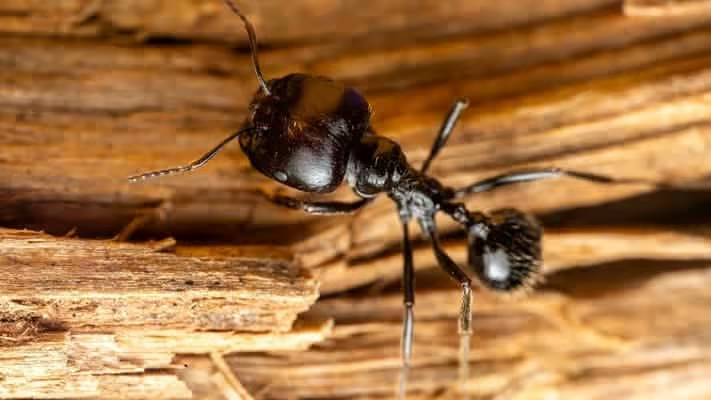
Wood-boring insects are not one pest with one treatment. The category groups several unrelated insects that damage wood in different ways: carpenter ants excavate smooth galleries for nesting without eating the wood as food; powderpost beetle larvae tunnel through and consume wood fibers over years; carpenter bees bore nearly round entry holes into exposed softwoods on eaves, decks, and siding to create nesting tunnels. Because damage happens inside the wood, infestations are often discovered only after frass, exit holes, hollow-sounding members, or structural weakness appears. If you are searching for how to get rid of wood-boring insects in your home, you are usually deciding between cosmetic patching and a real species-specific plan before galleries expand.
This guide is written from a practical treatment perspective—the same framework a Pest Control Company company uses when evaluating wood damage. You will learn how different wood-borers arrive and establish, what light DIY steps can help for limited carpenter bee or early surface activity, which Pest Control Company methods match each pest, what goes wrong when people paint over holes or spray the wrong product, and when licensed help is essential. You will also see what a Pest Control Company wood-borer service looks like from inspection through repair guidance, how to choose a good provider, and how to prevent reinfestation after treatment.
Use this page as a decision guide. If activity is limited—say a few carpenter bee holes on a railing with no structural concern—careful DIY treatment and sealing after activity ends may help. If you find frass under sills, pinhole exits in hardwood floors, large ants with sawdust-like debris, soft structural wood, or damage you cannot identify, treat this guide as your bridge to Pest Control Company help—and to platforms like Pest Direct that connect homeowners with local pest control companies ready to inspect and quote the job. Never confuse wood-borers with termites without confirmation; misidentification delays the right solution.
How Wood-Boring Insects May Have Gotten Into Your Home
Each major wood-borer arrives differently. Carpenter ants are attracted to moist, decayed, or previously damaged wood and may establish satellite nests in structures while parent colonies remain outdoors in trees, stumps, or landscape wood. They enter through gaps, follow moisture lines, and expand galleries in window sills, porch columns, hollow doors, rim joists, and damp wall voids. Powderpost beetles often arrive already inside unfinished hardwood, furniture, flooring, decorative beams, or firewood that contains eggs or larvae; adults later emerge through tiny exit holes, sometimes years after the wood entered the house. Carpenter bees seek exposed softwoods—fascia, deck railings, siding, outdoor furniture—and bore entry tunnels that can be reused and expanded across seasons.
Conducive conditions multiply risk: roof and plumbing leaks, poor crawlspace ventilation, wood-to-soil contact, unfinished or bare exterior wood, aging trim, and firewood stacked against the house. Moisture softens wood and invites carpenter ants especially; unfinished starch-containing hardwoods favor some powderpost beetles; unpainted softwood invites carpenter bees. Because larvae and galleries hide inside, introduction can go unnoticed until fine flour-like frass (powderpost beetles), coarser frass with insect parts (carpenter ants), or coarse sawdust under perfectly round half-inch holes (carpenter bees) appears.
Secondary clues matter. Woodpecker damage on eaves often follows carpenter bee activity. Rustling in walls may indicate ants or other insects in voids. Hollow-sounding beams after years of beetle activity signal advanced internal loss. Understanding the pathway—moisture nest, imported lumber, or exterior boring—determines whether you need void treatment, wood replacement, tunnel treatment and paint, or a full structural assessment. Treating “wood bugs” as a single problem is the fastest way to waste time while damage continues.
How to Treat a Wood-Boring Insect Problem in Your Home
Effective treatment starts with identification. Carpenter ant, powderpost beetle, and carpenter bee jobs use different tools, timelines, and success measures. The shared goals are to stop active insects, protect sound wood, correct moisture and exposure conditions that invited the pest, and replace or reinforce wood that is no longer structurally reliable. Pest Control Companies think in systems: identify the insect, map the extent of galleries and frass, choose void injection, baiting, wood treatment, tunnel treatment, or replacement as appropriate, then verify that new frass and holes stop appearing.
A single carpenter bee hole on a fence post is a different job than powderpost beetle pinholes across a hardwood floor or carpenter ants with satellite nests in multiple damp voids. Match intensity to risk. Below is how to approach light DIY control where it is reasonable, the main methods used in residential wood-borer work, and the failure modes that turn small galleries into expensive repairs.
Treating Light Wood-Boring Insect Problems Yourself
Light DIY is most realistic for limited carpenter bee activity on non-structural exterior wood and for very early, localized issues where you are sure of the pest. For carpenter bees, treating active tunnels with labeled products according to directions, then sealing holes after bees are gone (often later in the season), and painting or sealing exposed softwood can reduce re-use of the same boards. Wear eye protection—bees may defend nest sites—and avoid blocking tunnels while live bees and larvae are still active without a proper plan.
For suspected carpenter ants, light DIY means sanitation of trails, moisture fixes you can do safely, and commercial baits along active routes—not drilling random walls. For powderpost beetles, DIY is usually limited to isolating heavily infested small furniture pieces and seeking identification; treating structural hardwood or widespread flooring yourself is rarely appropriate. In all cases, photograph frass and holes, note whether frass is fresh, and avoid immediately painting or filling every hole before inspection—cosmetic cover-ups hide evidence technicians need.
If activity is truly limited, frass stops after correct action, and no structural members are involved, you may resolve a light problem without a service call. If new holes appear, frass returns, wood sounds hollow, large ants persist from voids, or you cannot identify the insect, escalate quickly. Wood damage is not a good place for months of product experiments.
What Can Go Wrong If Wood-Boring Insect Problems Are Handled Poorly
The most frequent DIY failure is filling and painting holes while insects remain active inside. Cosmetic repairs trap moisture, hide frass evidence, and leave colonies or larvae untouched. Another failure mode is treating carpenter ants like sugar ants on the counter while a damp sill continues to host a satellite nest, or treating powderpost beetles with a light surface spray that never reaches larvae in the wood.
Misidentification with termites leads to wrong products, wrong urgency, and sometimes false calm. Ignoring moisture guarantees carpenter ant return even after temporary knockdown. Overdrilling or random void treatments without a map can damage finishes without solving galleries. Delays have structural costs: weakened decks, compromised sills, expensive flooring replacement, and secondary moisture intrusion through damaged exterior wood.
Assuming all sawdust is “just carpenter bees” when ants or beetles are involved wastes a season. Conversely, panicking over old inactive exit holes can trigger unnecessary treatments. The longer active wood-borers work uninspected, the more wood must eventually be replaced rather than treated.
Treatment methods
The approaches a technician chooses between for wood-boring insects, and what each one is good at.
- Species identification and damage mapping
- Distinguish carpenter ants, powderpost beetles, carpenter bees, old inactive damage, and termites. Map frass type, hole size and shape, wood species, moisture, and whether members are structural. Skipping identification is the most expensive mistake in wood-borer work.
- Carpenter ant nest and void treatments
- Programs may combine inspection for parent and satellite nests, baits, residual applications, and dusts or foams in voids where galleries are found. Moisture correction is mandatory for lasting results. Counter-only baiting without nest focus often fails when ants nest in wood.
- Powderpost beetle wood treatments and replacement
- Options depend on extent and wood type: targeted surface or injected treatments where labeled and appropriate, removal of heavily infested members, and finishing or sealing vulnerable wood. Pest Control Companies evaluate whether activity is active or old emergence only.
- Carpenter bee tunnel treatment and surface protection
- Treating tunnels, timing hole seals after activity, and painting or sealing exposed softwoods reduce nesting. Repeated yearly attack on the same eaves is common without surface protection. Structural repairs matter when galleries honeycomb trim or fascia.
- Moisture correction and cultural controls
- Fix leaks, improve ventilation, eliminate wood-to-soil contact, move firewood off and away from the structure, and replace rotten wood. These steps support any chemical treatment and prevent carpenter ant rebound especially.
- Verification, repair coordination, and follow-up
- Monitor for new frass and holes after treatment. Coordinate with carpenters when load-bearing wood is compromised. Follow-up visits confirm whether activity has ceased—critical when beetles or ants may have residual populations.
When You Should Call a Pest Control Company for Wood-Boring Insects
Call a Pest Control Company when you see fresh frass, new exit holes, hollow-sounding structural wood, carpenter bee activity on eaves or decks that returns yearly, or large black or red-and-black ants associated with damaged wood. Load-bearing members, widespread flooring or furniture damage, window sills, porch columns, and any situation where you cannot tell active from old damage deserve expert assessment sooner rather than later.
You should also call if DIY tunnel plugs failed, if moisture problems are extensive, or if you need to distinguish wood-borers from termites. Pest Control Companies are not only for “house-wide” disasters; they are for correct diagnosis before you invest in the wrong repair sequence.
If swarmers, mud tubes, or other termite signs appear, or if structural safety is in question, do not wait. A trained technician can confirm the insect, explain risk level, outline treatment versus replacement, and recommend a plan sized to your home. Early inspection is almost always cheaper than late reconstruction.
Why a Pest Control Company Is Often Better Than DIY Alone for Wood-Boring Insects
Pest Control Companies bring three advantages homeowners rarely match: diagnostic skill across look-alike wood pests, access to appropriate void and wood-treatment methods, and a process that separates active infestation from cosmetic scars. Hole diameter, frass texture, wood species, and moisture patterns tell a story that product labels alone do not. Technicians also coordinate the order of operations—treat, then seal, then paint; or replace first when strength is gone.
DIY can handle limited carpenter bee holes on non-critical wood and basic moisture housekeeping. It rarely matches Pest Control Company inspection of crawlspaces, structural framing, and extensive powderpost beetle risk in hardwoods. Pros use integrated methods—species-specific treatment plus exclusion of conducive conditions—instead of a single can of spray on a deck rail. They also know when not to treat old inactive damage, saving money.
There is a safety and cost calculation. Soft stairs, compromised decks, and hidden sill damage are not weekend experiments. A structured inspection converts anxiety into a map: where activity is, how urgent it is, what treatment costs versus repair costs, and how to prevent the next cycle. For many homeowners, that clarity is the real product. Pest Control Company service is not alarmism; it is matching biology and building science to insects that work out of sight until the bill is large.
What the Pest Control Company Treatment Process Looks Like for Wood-Boring Insects
While companies vary, high-quality residential wood-borer work follows a diagnostic arc. Understanding the process helps you evaluate quotes and avoid mystery sprays with no identification. Here is the typical sequence from first call to verified control and repair planning.
Inspection and identification
A technician interviews you about frass, holes, sounds, and moisture history, then inspects interior wood, exterior trim, decks, attics, crawlspaces, and storage lumber as needed. They identify likely pests, mark active versus old damage, and note structural concerns. Specimens and clear photos help when activity is seasonal.
Treatment plan and prep guidance
You receive a species-specific plan that may include void treatments, baits, wood treatments, tunnel work, moisture recommendations, and repair referrals. Prep might mean clearing access to crawlspaces, moving stored items, or postponing paint until after treatment. Clear sequencing is a sign of a careful company.
Initial treatment
The technician applies the chosen methods to active sites and explains short-term expectations—when frass should stop, when holes may be sealed, and what you might still see as residual adults emerge. Good techs speak plainly about limits of surface products inside deep galleries.
Follow-up and verification
Because beetles and ants may not show full results immediately, follow-up checks for new frass, new holes, and remaining conducive conditions. Methods adjust if activity continues. This second look is where many DIY paint-and-pray attempts fail.
Prevention, repairs, and maintenance
After control, painting or sealing exposed wood, fixing leaks, replacing failed members, and moving firewood protect the investment. Some homes benefit from periodic exterior inspections. The end state is dry, protected wood with no ongoing gallery expansion—not only filled holes.
How to Find a Good Pest Control Company for Wood-Boring Insect Control
A good wood-borer provider is licensed where required, carries insurance, and can explain which insect they suspect and why. Ask how they distinguish carpenter ants, powderpost beetles, carpenter bees, and termites; whether they inspect moisture and structural wood; and whether follow-up is included. Be cautious of ultra-cheap “spray the deck” quotes that never discuss galleries, frass, or repairs.
Check recent reviews for thorough inspection stories, honest talk about repair needs, and lasting results—not only friendly technicians. Ask about pet and child safety, re-entry times, and whether they coordinate recommendations with carpenters when wood must be replaced. For structural concerns, ask specifically about experience with voids and crawlspaces.
This is also where Pest Direct fits the homeowner journey. After you understand the problem from a guide like this, the next step is not endless product aisles—it is connecting with local pest control companies that already service wood-destroying and wood-infesting insects. Pest Direct helps you move from reading about the problem to getting help: find Pest Control Companies in your area, compare options, and request service without guessing which random search result is legitimate. Use educational guides to know what “good” looks like, then use the platform to hire it.
When you request service, share details that speed diagnosis: photos of holes and frass, rooms or exterior features involved, how long signs have been present, moisture or leak history, and any treatments already tried. Better intake information produces better inspections and quotes.
How to Keep Wood-Boring Insects From Coming Back
Prevention is the quiet half of wood-borer control. Keep wood dry: fix roof and plumbing leaks, maintain gutters, improve crawlspace conditions, and eliminate chronic dampness in sills and trim. Reduce wood-to-soil contact, store firewood away from the house and off the ground, and avoid stacking lumber against siding.
Paint or seal exposed exterior softwoods that carpenter bees favor, and maintain coatings over time. For hardwoods vulnerable to powderpost beetles, prefer finished surfaces and be cautious with unfinished decorative wood in humid spaces. Replace rotten members rather than burying decay under paint. After carpenter ant jobs, treat moisture as seriously as insects—dry wood is far less inviting for nesting galleries.
Think of prevention as lowering your home’s score as a wood-borer habitat. You may not eliminate every outdoor carpenter bee in the neighborhood, but you can make eaves less attractive, stop importing infested wood, and catch new frass early. Pair annual visual checks of decks, fascia, and basements with fast response to leaks, and you stay ahead of the next expensive gallery system.
Wood-Boring Insects treatment: common questions
What is the fastest way to get rid of wood-boring insects?
There is no single fastest method—correct identification comes first. Limited carpenter bee tunnels can often be treated and later sealed; carpenter ants and powderpost beetles usually need nest- or wood-level strategies. If frass is fresh or structural wood is involved, schedule a Pest Control Company inspection rather than only spraying surfaces.
Are wood-boring insects the same as termites?
No. Termites eat wood as food and show different signs, such as mud tubes for many subterranean species. Carpenter ants excavate but do not eat wood; powderpost beetles and carpenter bees differ again. Correct identification is essential before treatment.
Why is there sawdust under my deck or eaves?
Fresh frass often indicates active boring or nesting nearby, commonly from carpenter bees or carpenter ants. Texture and location help identify the pest. Have active sites inspected before you simply sweep and repaint over the problem.
Will painting stop carpenter bees?
Painted or sealed wood is less attractive for new nests and is an important prevention step. Existing tunnels may still need treatment and later sealing after bees are gone. Combine surface protection with active nest management.
How long does Pest Control Company wood-borer treatment take to work?
Timelines vary by species. Carpenter ant activity may decline over days to weeks; beetle jobs depend on product and extent; carpenter bee work is often seasonal. Follow-up verifies that new frass and holes have stopped. Your technician should set expectations at inspection.
Can moisture problems make wood-boring insects worse?
Yes. Moist or decaying wood is especially attractive to carpenter ants and worsens conditions for other wood pests. Fixing leaks and eliminating wood-to-soil contact support any treatment. Dry, well-maintained wood is harder to exploit.
How urgent is wood-boring insect damage?
Urgency depends on species, location, and extent. Structural members and active powderpost beetle or carpenter ant infestations should not be ignored. Early Pest Control Company inspection prevents small gallery systems from becoming major repair projects.
Can Pest Direct help me find wood-boring insect control near me?
Yes. Once you understand your wood-borer problem, Pest Direct connects you with local pest control companies that handle residential wood-infesting insect service. Compare providers and request help without starting from zero.
Hand the wood-boring insects problem to someone licensed
Compare local pest control companies that treat wood-boring insects, see what they charge, and get an estimate.