Wood-Boring Insects
Wood-boring insects such as carpenter ants, carpenter bees, and powderpost beetles tunnel through wood, weakening structures and furniture over time.
How Did I Get Wood-Boring Insects??
Wood-boring insects reach homes in different ways depending on the species. Carpenter ants are attracted to moist or damaged wood and may establish satellite nests in structures while parent colonies remain outdoors. Powderpost beetles often arrive in unfinished hardwood, furniture, flooring, or firewood that already contains eggs or larvae. Carpenter bees bore into exposed softwoods on eaves, decks, and siding to create nesting tunnels.
Moisture problems, unfinished wood, wood-to-soil contact, and aging exterior trim increase risk. Because damage occurs inside the wood, introductions can go unnoticed until frass, exit holes, or structural weakness appears.
Correct identification matters from the start. Treatment for carpenter ants, powderpost beetles, and carpenter bees is not the same, and misidentifying the pest can waste time while damage continues.
How to identify wood-boring insects
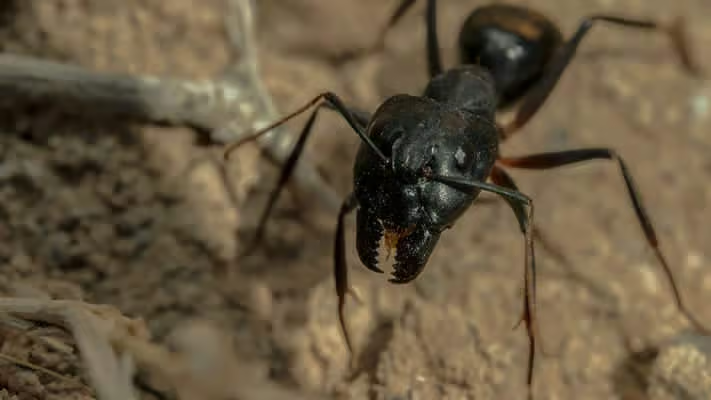
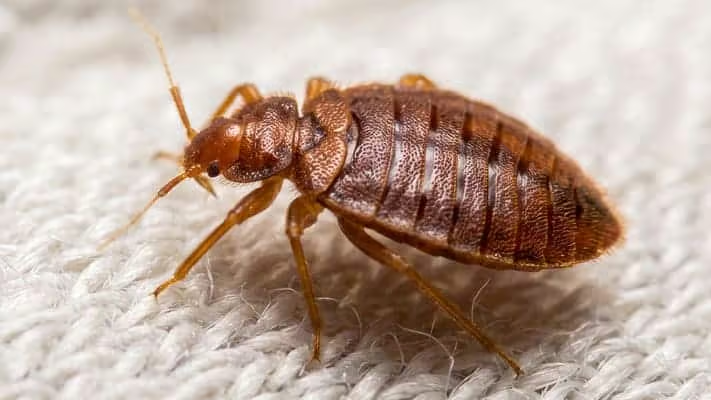
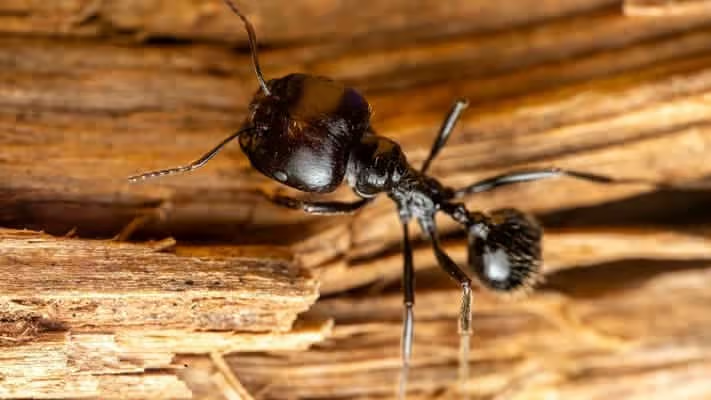
Signs of the responsible insect vary: carpenter ants are large black or reddish-black ants, powderpost beetles are small reddish-brown beetles that leave pinhole exit marks, and carpenter bees resemble bumblebees with a shiny abdomen.
Signs of a Wood-Boring Insect Infestation
Common warning signs include fine sawdust-like frass beneath wood surfaces, small round exit holes, rustling sounds within wood, blistered or hollow-sounding structural members, and weakened decks, sills, or trim. The exact pattern helps identify the insect.
Carpenter ants leave smooth galleries and coarse frass that may include insect parts, and you may see large black or reddish-black workers. Powderpost beetles leave tiny pinhole exits and flour-like frass in hardwoods. Carpenter bees create nearly perfectly round half-inch entry holes and leave coarse sawdust below; adults resemble bumblebees but have shinier abdomens.
Any combination of fresh frass, new holes, and ongoing insect activity should prompt inspection before cosmetic repairs hide active damage.
Where Do Wood-Boring Insects Hide?
Carpenter ants nest in moist wall voids, window sills, porch columns, and hollow doors, often linked to outdoor parent colonies. Powderpost beetle larvae develop entirely within infested wood—flooring, furniture, structural hardwood, or stored lumber—until adults emerge. Carpenter bees tunnel into fascia, deck railings, siding, and other exposed softwood, returning to expand galleries year after year.
Attics, crawlspaces, unfinished basements, and exterior wood features are priority inspection zones. Firewood stacked against the house can also harbor or attract wood-infesting insects.
Following frass piles and exit holes back to the source wood is more effective than treating random surfaces. Hidden galleries may extend far beyond the first visible hole.
Walls
commonInterior and exterior wall voids that give pests hidden travel routes and nesting space throughout the structure.
Deck
commonAn outdoor wooden or composite platform attached to the home that can shelter wood-boring or nesting pests.
Fence
occasionalProperty-line fencing, particularly wood fencing, that can attract wood-boring or nesting pests.
Firewood
commonStacked firewood that commonly harbors wood-boring insects, ants, and spiders close to the home.
Siding
occasionalThe exterior wall covering, where gaps or damage can allow pests to enter wall voids.
Why Are Wood-Boring Insects Bad for My Home?
These insects weaken structural and finish wood over time. Carpenter ants excavate galleries for nesting, powderpost beetle larvae consume wood fibers for years, and carpenter bees create tunnels that also invite moisture and woodpeckers. Cumulative damage can require expensive repairs to sills, framing, decks, and trim.
Secondary issues include moisture intrusion through damaged wood, reduced property value, and in severe cases compromised structural integrity. Unlike surface nuisance pests, wood-borers can create long-term repair costs if ignored.
Early identification limits how far galleries expand and how much wood must be replaced. Waiting until boards feel soft or fail is the costly path.
| Concern | Severity | What it means |
|---|---|---|
| Wood DamagePrimary | high | Damage pests cause by tunneling through or consuming wood framing, trim, or furniture. |
| Structural Damage | moderate | Damage pests cause to the building's structural components, weakening its integrity over time. |
| Property Damage | moderate | General damage pests cause to belongings, storage, or the surrounding property. |
What wood-boring insects put at risk, and how urgent each one is.
How Do I Get Rid of Wood-Boring Insects?
Treatment depends on the specific insect. Carpenter ant control may involve locating nests, moisture correction, baiting, and void treatments. Powderpost beetles may require targeted wood treatments, replacement of heavily infested wood, or other specialized options based on the infestation extent. Carpenter bee control often includes treating tunnels, sealing holes after activity ends, and painting or sealing exposed wood.
Moisture correction, removing wood-to-soil contact, and sealing or finishing exposed wood support any chemical or mechanical treatment. Replacing severely damaged members may be necessary for safety.
Pest Control Companies identify the species, map the extent of damage, and choose methods that match the biology of the pest. DIY surface sprays rarely solve established wood-boring problems inside galleries.
Methods, what a professional visit looks like, and what goes wrong when wood-boring insects are treated the wrong way.
When Should I Call a Pest Control Company for Wood-Boring Insects?
Call a Pest Control Company when you see frass, exit holes, hollow-sounding wood, carpenter bee activity on eaves, or large ants associated with damaged wood. Structural members, load-bearing areas, and widespread flooring or furniture damage especially need expert assessment.
Pest Control Companies can distinguish true wood-destroyers from old inactive damage, termites, or incidental insects, which prevents unnecessary treatments. They can also advise on repairs and moisture issues that would otherwise invite reinfestation.
If you have sealed a few holes but activity continues, the infestation is not resolved. That is the right time for a full inspection and species-specific treatment plan.
Wood-Boring Insects: common questions
Are wood-boring insects the same as termites?
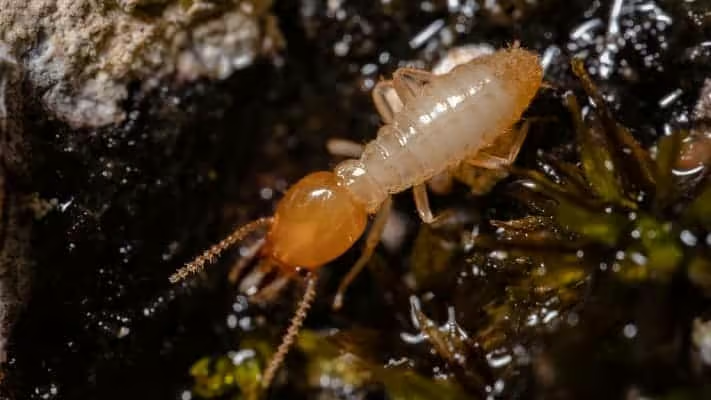
No. Termites eat wood as a food source and have different colony structures and signs, such as mud tubes for subterranean species. Carpenter ants excavate wood but do not eat it; powderpost beetles and carpenter bees also differ in biology. Correct identification is essential for proper treatment.
What is the sawdust under my deck or eaves?
Fresh frass often indicates active boring or nesting nearby, commonly from carpenter bees or carpenter ants. The texture and location of the frass help identify the pest. Have active sites inspected before you simply sweep and repaint over the problem.
Do powderpost beetles infest all types of wood?
Different powderpost beetle groups prefer certain hardwoods or softwoods, often unfinished or poorly sealed wood with suitable moisture and starch content. Finished, sealed wood is less vulnerable. Pest Control Companies evaluate wood type and infestation age when recommending treatment.
Will painting stop carpenter bees?
Painted or sealed wood is less attractive for new carpenter bee nests and is an important prevention step. Existing tunnels may still need treatment and later sealing after bees are gone. Combine surface protection with active nest management for best results.
Can moisture problems make wood-boring insects worse?
Yes. Moist or decaying wood is especially attractive to carpenter ants and can worsen conditions for other wood pests. Fixing leaks, improving ventilation, and eliminating wood-to-soil contact support any treatment. Dry, well-maintained wood is harder for many species to exploit.
How urgent is wood-boring insect damage?
Urgency depends on species, location, and extent. Structural members and active powderpost beetle or carpenter ant infestations should not be ignored. Early Pest Control Company inspection prevents small gallery systems from becoming major repair projects.
Get wood-boring insects help near you
Search local, licensed pest control companies by ZIP code.
Looking for a specific service? Browse termite treatment companies.