Voles
Voles are small, mouse-like rodents that create surface runways in lawns and gardens and feed on roots, bulbs, and bark.
How Did I Get Voles??
Voles are small, mouse-like rodents that thrive in lawns, gardens, and mulched beds with dense ground cover and abundant plant food. They do not need to enter your house to cause problems; most damage is outdoors to turf, bulbs, roots, and young tree bark.
Thick mulch against stems, tall grass, heavy ground covers, and winter snow cover that hides runways all favor vole populations. Nearby fields, greenbelts, or overgrown edges can seed activity into residential landscaping.
Population spikes can occur when food and cover are plentiful. Early signs in mulched beds or along fence lines are easier to reverse than widespread orchard or garden damage later in the season.
How to identify voles
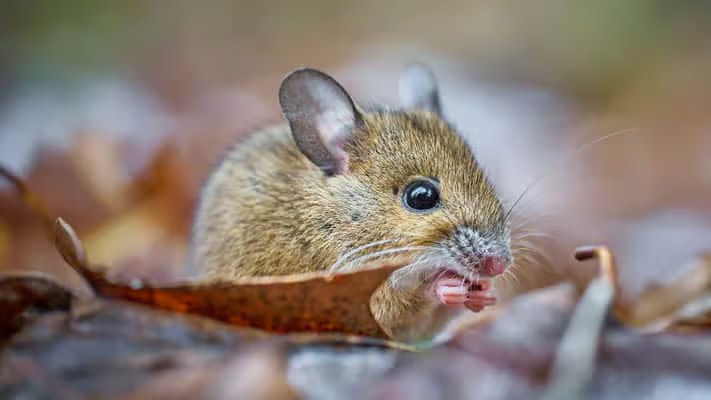
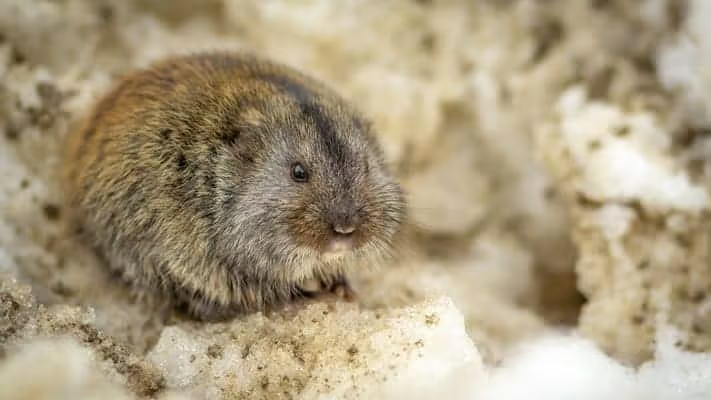
Voles are small, stocky rodents with a short tail, small ears, and a blunt nose, resembling a mouse but more compact and rounder-bodied.
Signs of a Vole Infestation
Classic signs include narrow surface runways through grass, small open burrow holes, gnawed bark around the base of young trees and shrubs, and damaged bulbs or plant roots. Runways often appear as closely cropped paths in the turf.
Unlike moles, voles do not create long raised ridges or volcano-shaped soil mounds as their primary sign. Their damage is plant-focused: missing seedlings, chewed crowns, and girdled trunks, especially after snow melts in spring.
Fresh droppings in runways and active open holes indicate current use. Multiple runways across a lawn or garden mean the population has room and food to expand.
Where Do Voles Hide?
Voles travel in surface runways and shallow burrows under grass, mulch, ground covers, and snow. Nests are often in dense vegetation, under boards, or in shallow underground chambers near food.
They favor garden edges, ornamental beds, orchards, and lawn margins next to brushy cover. Heavy mulch pulled against tree trunks creates ideal hidden feeding zones at the bark line.
Inspection should include pulling back mulch at tree bases, walking the lawn for runway networks, and checking under low decks or landscape fabric edges. Reducing cover exposes runways and makes trapping more effective.
Lawn
commonGrass and turf areas where ground-dwelling pests nest and forage.
Garden
commonPlanted beds and vegetable gardens that attract pests feeding on plants and soil-dwelling insects.
Shrubs
occasionalOrnamental shrubs and hedges that provide cover and can bridge pests from the yard to the structure.
Why Are Voles Bad for My Home?
Voles can seriously damage landscaping by eating roots, bulbs, and tender plants and by girdling young trees and shrubs—sometimes killing them by removing a ring of bark. Winter damage under snow is especially costly when it is not discovered until spring.
Lawn aesthetics suffer from visible runway systems and dead patches where roots were chewed. Gardeners may lose entire plantings of bulbs or vegetables during population peaks.
While voles rarely invade living spaces like house mice, the outdoor property damage and potential for rapid population growth make early intervention worthwhile.
| Concern | Severity | What it means |
|---|---|---|
| Lawn DamagePrimary | moderate | Damage pests cause to grass and turf, such as dead patches, tunneling, or root feeding. |
| Garden Damage | moderate | Damage pests cause to garden plants, vegetables, and ornamental landscaping. |
What voles put at risk, and how urgent each one is.
How Do I Get Rid of Voles?
Control combines trapping, habitat modification, and protection of valuable plants. Reduce ground cover, mow regularly, pull mulch back from tree trunks, and remove dense weeds that hide runways. Wire guards around young tree trunks help prevent girdling.
Trapping in active runways can reduce local populations when done persistently. Rodenticides, where legal and appropriate, require careful use because of risks to pets, children, and non-target wildlife—Pest Control Company guidance is recommended.
Long-term success depends more on removing cover and food than on a single round of traps. Pest Control Companies can map activity, protect high-value plantings, and apply control methods compliant with local rules.
Methods, what a professional visit looks like, and what goes wrong when voles are treated the wrong way.
When Should I Call a Pest Control Company for Voles?
Call a Pest Control Company if runways and plant damage are widespread, if young trees are being girdled, or if DIY trapping has not reduced activity. Distinguishing vole damage from mole tunneling prevents wasted effort on the wrong pest.
Pest Control Company help is also useful for large properties, orchards, and situations where bait use must be handled carefully around pets. Technicians can combine habitat changes with targeted control.
If damage reappears each winter under snow, prevention and trunk protection should start in fall. That is the right time for a seasonal vole management plan rather than spring shock at dead trees.
Voles: common questions
How do I tell voles from moles?
Voles leave open surface runways and eat plants; moles create raised ridges and mounds while hunting soil insects. Voles look like stocky mice with short tails; moles have paddle-like feet and velvety fur. Matching signs to the correct animal determines the right control method.
Do voles come inside the house?
Voles occasionally enter garages or ground-level voids but are primarily outdoor landscaping pests. Indoor mouse problems are more often house mice. Focus vole control on lawns, beds, and tree protection.
Why are my young trees chewed at the base?
Voles commonly girdle thin-barked trees and shrubs, especially under mulch or snow. Install trunk guards and pull mulch away from the base. Untreated girdling can kill trees even if the canopy looked healthy the previous fall.
Will removing mulch stop voles?
Pulling mulch back from stems and thinning heavy ground cover reduces hidden feeding and travel routes and is a key prevention step. Mulch management alone may not eliminate a large population, so combine it with trapping and other controls when activity is heavy.
Are vole baits safe to use around pets?
Rodent baits can pose serious risks to pets, children, and non-target animals if used improperly. Prefer trapping and habitat modification when possible, and leave restricted products to Pest Control Companies. Always follow label law and local regulations.
When is vole damage worst?
Feeding continues year-round, but bark girdling under snow cover is often discovered in late winter or early spring. Population peaks can also hit gardens hard in growing season. Fall preparation protects trees before winter hiding cover arrives.
Get voles help near you
Search local, licensed pest control companies by ZIP code.
Looking for a specific service? Browse rodent control companies.