Ants
Ants are social insects that commonly enter homes in search of food, moisture, and shelter.
How Did I Get Ants??
Ants almost always enter a home for the same three reasons: food, moisture, and shelter. Worker ants scout from outdoor colonies, follow pheromone trails back to a reliable resource, and then recruit nestmates. Crumbs on counters, pet food left out, sticky spills, and unsealed pantry items are all high-value targets. Even small sugar or protein sources can keep a trail active for days.
Moisture problems are just as attractive. Leaky pipes under sinks, damp crawlspaces, and condensation around windows create the conditions many species need. Once scouts find an easy entry point—gaps around doors, foundation cracks, utility penetrations, or unsealed window frames—traffic can ramp up quickly. Landscaping that touches the house, mulch piled against the foundation, and tree branches touching the roof all act as bridges.
Not every ant you see is nesting inside. Many infestations start as outdoor colonies that simply forage indoors. Carpenter ants, however, may nest in damp or damaged wood within walls and hollow voids. Correct identification matters: the way ants arrived, and where the colony lives, determines how you stop them.
How to identify ants
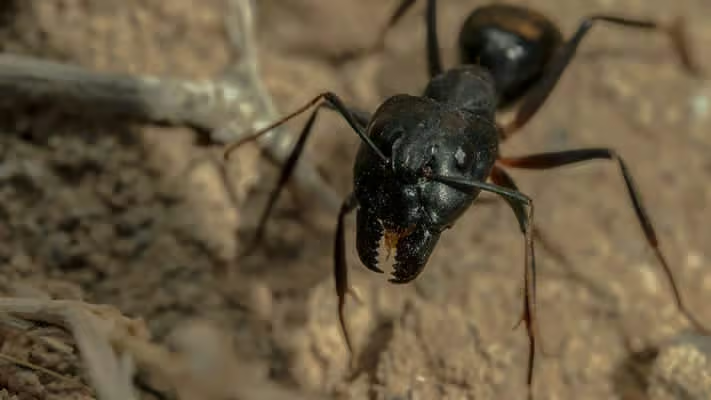
Ants have segmented bodies, narrow waists, elbowed antennae, and six legs. Their size and color vary by species.
Known species and subtypes
- Carpenter AntCamponotus spp.Large black or reddish-black ants that excavate wood to build nests, causing structural damage over time.
- Odorous House AntTapinoma sessileSmall dark brown to black ants that emit a rotten-coconut smell when crushed and nest in large, fast-moving colonies.
- Pavement AntTetramorium immigransSmall dark brown ants that nest under sidewalks, driveways, and slab foundations and often forage indoors for food.
- Fire AntSolenopsis invictaReddish-brown ants that build large soil mounds and deliver a painful, burning sting when their nest is disturbed.
Signs of an Ant Infestation
The most obvious sign is a consistent trail of worker ants moving between a food source and a wall, baseboard, or outdoor entry. Trails often appear in kitchens, pantries, and bathrooms. You may also notice ants gathering around pet bowls, recycling bins, or sticky residues on appliances.
Other clues include small piles of soil or frass near cracks, ant nests under stones or landscape timbers, and winged swarmers indoors during warmer months. Swarmers can look like flying termites, so capturing a specimen or a clear photo helps with identification. Indoor nesting species may leave sawdust-like debris if they are excavating wood, or show activity behind wall voids and under cabinets.
Seeing a few ants once is not always an emergency. Seeing ants day after day in the same areas—especially if numbers grow—usually means a colony has a reliable reason to stay. Early action is far easier than waiting until multiple trails or satellite nests appear.
Where Do Ants Hide?
Ants hide where conditions stay stable: dark voids, soil, moisture-prone cavities, and protected outdoor harborage. Inside, common spots include wall voids, under kitchen and bathroom cabinets, behind baseboards, inside appliance cavities, and around plumbing penetrations. Carpenter ants prefer damp or previously water-damaged wood in window frames, roof edges, and sill plates.
Outdoors, colonies and satellite nests often sit under mulch, landscape rocks, patio slabs, sidewalk edges, tree roots, and foundation plantings. Some species nest in lawn thatch or under potted plants. Foraging workers may travel long distances from the nest, which is why crushing visible ants rarely solves the problem—the colony remains hidden.
Because many ants nest outside and only forage indoors, thorough inspection covers both sides of the structure. A Pest Control Company looks for trails, moisture damage, entry gaps, and nest sites that homeowners often miss behind walls or under exterior finishes.
Kitchen
commonThe room where food is prepared and stored, a common target for pests seeking food and water.
Pantry
commonA dedicated food storage area where stored-product pests target dry goods and packaged food.
Walls
occasionalInterior and exterior wall voids that give pests hidden travel routes and nesting space throughout the structure.
Foundation
commonThe base structure of the home, where cracks and gaps give pests direct access indoors.
Lawn
occasionalGrass and turf areas where ground-dwelling pests nest and forage.
Why Are Ants Bad for My Home?
Household ants contaminate food preparation surfaces and stored goods as they travel between outdoor waste, soil, and your kitchen. Even “clean” looking ants can introduce bacteria onto counters and utensils. Large numbers are stressful, hard to keep up with, and often mean you are only seeing a fraction of the colony.
Certain species cause more than a nuisance. Carpenter ants excavate wood to create galleries, which can weaken structural members over time when moisture damage is already present. Other species protect plant-sucking insects outdoors or invade in overwhelming seasonal numbers. Fire ants and some aggressive species add painful stings and yard safety concerns for kids and pets.
Ignoring an ant problem usually makes it more expensive later. Colonies expand, satellite nests form, and trails reappear after temporary sprays wear off. Treating the wrong species or only killing foragers can scatter activity without eliminating the source.
| Concern | Severity | What it means |
|---|---|---|
| NuisancePrimary | moderate | General unwanted presence of pests that disrupts everyday life without a specific health or property impact. |
| Food Contamination | low | Pests contaminating open or prepared food with waste, hair, or pathogens. |
| Property Damage | low | General damage pests cause to belongings, storage, or the surrounding property. |
| Structural Damage | low | Damage pests cause to the building's structural components, weakening its integrity over time. |
What ants put at risk, and how urgent each one is.
How Do I Get Rid of Ants?
Effective ant control starts with identification and sanitation. Wipe trails with a soapy solution to disrupt pheromones, store food in sealed containers, clean pet feeding areas, and fix moisture issues. Avoid random sprays that kill scouts without reaching the colony—those often make trails reappear elsewhere.
Baiting is usually more effective than contact sprays alone because workers carry the active ingredient back to the nest. Place baits along active trails and out of reach of children and pets, and be patient: colony collapse can take days to weeks depending on species and colony size. Exterior perimeter treatments, sealing entry points, and reducing mulch contact with the foundation support longer-term results.
For carpenter ants, moisture repair and locating nest sites are critical. Persistent, multi-species, or wall-void infestations typically need Pest Control Company inspection, targeted products, and follow-up. DIY products help for light activity; established colonies often require a technician who can match treatment to the species.
Methods, what a professional visit looks like, and what goes wrong when ants are treated the wrong way.
When Should I Call a Pest Control Company for Ants?
Call a Pest Control Company when ants return after repeated DIY efforts, when you see swarmers indoors, when you suspect carpenter ants or wood damage, or when trails appear in multiple rooms. Pest Control Companies can identify the species, locate nest zones, and apply treatments that reach colonies rather than only surface foragers.
You should also call sooner if someone in the home has allergy concerns related to stinging ants, if activity is heavy in a commercial kitchen or childcare setting, or if you cannot safely access voids, crawlspaces, or roof edges where nesting is likely. Early Pest Control Company help often costs less than repeated failed product purchases.
A good service plan combines treatment, exclusion recommendations, and prevention steps tailored to your property. Ask for species identification and a clear follow-up schedule so you know when results should appear.
Ants: common questions
Why do I keep getting ants in my kitchen?
Kitchens offer food residue, moisture, and easy entry gaps around plumbing and doors. Even tiny crumbs, pet food, and sticky spills can sustain a trail. Cleaning, sealing, and baiting along trails usually works better than spraying alone.
Do ant baits or sprays work better?
Baits are usually more effective for colony control because workers share the product with the nest. Sprays can reduce visible ants quickly but often leave the colony intact. Many treatments combine baiting with targeted residual applications.
How long does it take to get rid of ants?
Light foraging activity may improve within a few days. Established colonies can take one to several weeks to collapse fully, especially if multiple nests are involved. Persistent activity after two weeks of correct baiting usually needs Pest Control Company evaluation.
Are carpenter ants the same as termites?
No. Carpenter ants excavate wood for nesting and do not eat cellulose the way termites do. They have a narrow waist and elbowed antennae, while termites have a broad waist and straight antennae. Both need prompt attention if found indoors.
Can ants nest inside walls?
Yes. Some species, including carpenter ants, nest in wall voids, damp wood, and hollow structural spaces. Outdoor colonies can also send foragers through wall gaps. Rustling sounds, frass, or ants emerging from outlets can indicate indoor nesting.
What attracts ants to my house the most?
Food residue, moisture, pet food, and accessible entry points are the biggest attractants. Landscaping against the foundation and unsealed exterior gaps make it easier for scouts to find a path indoors. Reducing those conditions is key to lasting control.
Get ants help near you
Search local, licensed pest control companies by ZIP code.
Looking for a specific service? Browse general pest control companies.