Spiders
Spiders are predatory arachnids that enter homes hunting other insects, and while most are harmless, a few species are medically significant.
How Did I Get Spiders??
Spiders enter homes primarily while hunting other insects or seeking shelter. Gaps under doors, foundation cracks, window wells, attic vents, and utility penetrations all give them access. Outdoor lighting that attracts flying insects also creates a reliable food supply near porches and eaves, which draws spiders closer to the structure.
Indoors, spiders favor undisturbed spaces where prey is available—basements, garages, attics, storage corners, and cluttered closets. Seasonal shifts matter too: activity often increases in fall as temperatures drop and spiders move toward warmth. A home with moisture issues or high insect pressure outdoors will almost always see more spider activity indoors.
Most spiders found in homes are not nesting in large “colonies” the way social insects do. What looks like a sudden infestation is often many individuals responding to prey, harborage, and easy entry points. Reducing those conditions is as important as removing the spiders you can see.
How to identify spiders
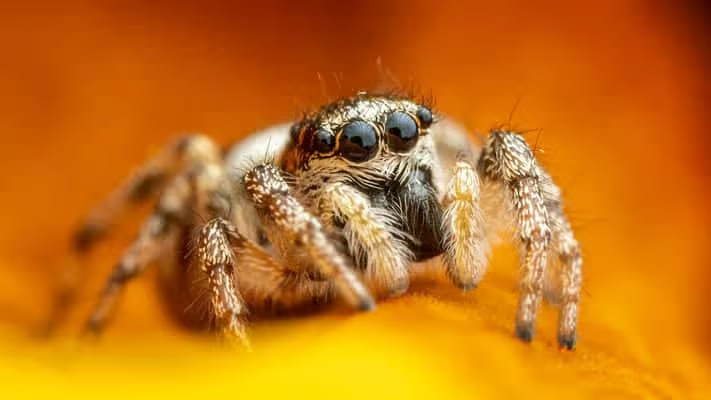
Spiders have eight legs and two body segments; common house spiders vary widely in size and color, while black widows show a red hourglass marking and brown recluses have a violin-shaped mark behind the head.
Known species and subtypes
- Black WidowLatrodectus spp.A venomous spider identified by its glossy black body and red hourglass marking, generally shy but medically significant if it bites.
- Brown RecluseLoxosceles reclusaA venomous spider found mainly in the central and southern U.S., identified by a violin-shaped marking behind the head.
- American House SpiderParasteatoda tepidariorumA common, harmless indoor spider that builds messy tangled webs in corners, basements, and garages.
- Wolf SpiderLycosidaeA large, fast-moving hunting spider that does not build webs and is often found on the ground or entering at floor level.
Signs of a Spider Infestation
Visible webs in corners, window wells, ceiling angles, basements, and garages are the most common sign. You may also find egg sacs attached to webs, joists, or stored items, and spiders themselves resting on walls, under shelves, or in woodpiles and outdoor storage. Fresh webs that reappear quickly after cleaning usually mean ongoing activity nearby.
Indoors, basements, garages, attics, and rarely used storage rooms show the most evidence. Outdoors, webs often collect under eaves, on fences, around porch lights, and in shrubs near the foundation. Seeing many spiders of the same type, or finding medically important species such as black widows or brown recluses, raises the priority of control.
A few occasional spiders are normal in almost any building. Persistent webs, egg sacs, and frequent sightings in living areas mean conditions are supporting them—usually because insect prey and harborage are abundant.
Where Do Spiders Hide?
Spiders hide in dark, quiet, undisturbed places: basement corners, crawlspaces, garage rafters, attic edges, closet floors, and behind stored boxes. Window wells, utility rooms, and the gaps behind furniture also provide cover. Many species build webs where insects are likely to pass, while hunting spiders tuck into cracks and clutter without building large webs.
Outdoors, look under eaves, in sheds, woodpiles, dense shrubs, meter boxes, and around exterior lighting. Black widows often prefer protected voids such as under decks, in meter enclosures, or in cluttered storage. Brown recluses, where present, favor secluded indoor spots like storage boxes, closets, and rarely disturbed furniture.
Because spiders follow prey, their hideouts often overlap with other pest activity. A Pest Control Company inspection checks both spider harborages and the insect sources that keep attracting them into basements, garages, and living spaces.
Basement
commonA below-grade space that is often damp and dark, making it attractive to a wide range of pests.
Garage
commonAn attached or detached vehicle storage space that pests can use as an entry point into the home.
Attic
occasionalAn upper void space that offers insulation, shelter, and quiet for nesting pests and wildlife.
Windows
occasionalWindow frames and sills, common entry points for pests through small gaps and worn seals.
Shed
occasionalA small detached outbuilding used for storage that can shelter pests away from the main house.
Why Are Spiders Bad for My Home?
Most house spiders are beneficial predators and pose little medical risk, but their webs, egg sacs, and sudden appearances still make living spaces feel unclean and unwelcoming. Heavy web buildup in basements, garages, and porches becomes a constant cleaning chore and can signal a larger insect problem feeding the spider population.
A smaller number of species are medically significant. Black widows and brown recluses can deliver bites that need medical attention, especially for children, older adults, or anyone with health concerns. Even non-dangerous spiders cause anxiety, and people often disturb nests or storage areas without realizing a venomous species may be present.
Leaving spider pressure unchecked also means leaving insect prey populations unchecked. Addressing spiders without reducing outdoor lighting, entry gaps, and other pests usually leads to rapid reappearance of webs and new individuals.
| Concern | Severity | What it means |
|---|---|---|
| BitesPrimary | moderate | Direct physical harm to people from pest bites, which can cause pain, irritation, or infection. |
| Venom | moderate | Risk of venomous injury from pests such as certain spiders, scorpions, or snakes. |
| Nuisance | low | General unwanted presence of pests that disrupts everyday life without a specific health or property impact. |
What spiders put at risk, and how urgent each one is.
How Do I Get Rid of Spiders?
Start by removing webs, vacuuming egg sacs, reducing clutter in basements and garages, and sealing exterior gaps, door sweeps, and window screens. Managing outdoor lighting—using less attractive bulb types or reducing unnecessary night lighting—cuts the flying insects spiders feed on near entry points.
Targeted perimeter treatments and interior crack-and-crevice applications help reduce spiders and their prey along foundations, eaves, basements, and garages. Sticky monitors can help map activity. Avoid broadcasting strong scents or random sprays that do nothing for harborages or the insect food supply.
For recurring indoor activity, medically important species, or heavy web pressure around the structure, Pest Control Company service is more effective than spot-killing individuals. A good plan combines web removal, exclusion, prey reduction, and residual treatment where spiders actually hide and hunt.
Methods, what a professional visit looks like, and what goes wrong when spiders are treated the wrong way.
When Should I Call a Pest Control Company for Spiders?
Call a Pest Control Company when webs and spiders keep returning after cleaning, when you find egg sacs in living or storage areas, or when you suspect black widows, brown recluses, or other medically important species. You should also call if activity is heavy in basements, garages, or porches where family members and pets spend time.
Pest Control Companies can identify species, treat perimeter and void areas safely, and address the insect populations that attract spiders in the first place. That integrated approach lasts longer than crushing visible spiders or spraying webs alone.
If someone in the home has been bitten and symptoms are concerning, seek medical care first, then arrange pest service to reduce future risk. Early control of harborages and prey insects prevents small spider problems from becoming seasonal invasions.
Spiders: common questions
Are house spiders dangerous?
Most common house spiders are not medically significant and prefer to avoid people. A few species, including black widows and brown recluses in certain regions, can cause more serious bites. Correct identification and reducing clutter in basements and storage areas lower risk.
Why do I have so many spiders in my basement?
Basements offer darkness, undisturbed corners, moisture, and insect prey. Gaps in foundations and window wells also provide easy entry. Cleaning webs alone is temporary unless you seal entry points and reduce other insects.
Does killing spiders make more appear?
Killing individual spiders does not magically attract others, but it also does not fix the conditions that drew them in. If prey insects, clutter, and entry gaps remain, new spiders will keep replacing the ones you remove. Address habitat and food sources for lasting control.
What keeps spiders out of the house?
Seal gaps around doors, windows, and utilities; install door sweeps; reduce exterior insect-attracting lights; and keep basements and garages less cluttered. Perimeter pest service that reduces insect prey also reduces spider pressure. Regular web removal helps you spot new activity early.
Do spiders mean I have other pests?
Often yes. Spiders follow food, so high spider activity can indicate flies, ants, roaches, or other insects nearby. Treating only spiders without addressing prey usually leads to reappearance. An inspection that looks at both is more effective.
When are spiders most active around homes?
Many regions see increased indoor sightings in late summer and fall as spiders mature and seek shelter. Outdoor web building is common whenever flying insects are abundant near lights and eaves. Seasonal perimeter service before peak activity helps limit indoor movement.
Get spiders help near you
Search local, licensed pest control companies by ZIP code.
Looking for a specific service? Browse general pest control companies.