Raccoons
Raccoons are intelligent, dexterous mammals that raid trash and gardens and frequently den in attics or chimneys.
How Did I Get Raccoons??
Raccoons are intelligent, adaptable mammals drawn to residential food and shelter. Unsecured trash, pet food, gardens, bird feeders, and outdoor grills provide easy calories. Their dexterous front paws open latches, lids, and gaps that stop many other animals.
Females especially seek warm, hidden den sites—attics, chimneys, crawlspaces, and voids behind fascia—to raise young. Tree limbs touching the roof, open vents, damaged soffits, and uncapped chimneys create access. Spring and early summer denning pressure is often highest.
You do not need rural property to host raccoons. Urban and suburban neighborhoods with mature trees and accessible trash routinely support them.
How to identify raccoons
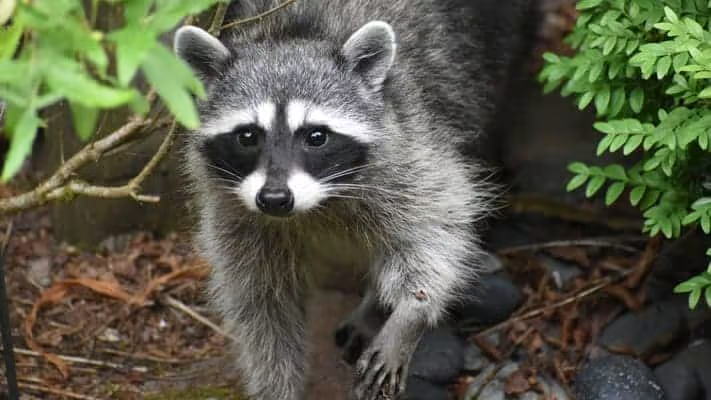
Raccoons are stocky, gray-brown mammals with a distinctive black facial mask, ringed bushy tail, and dexterous front paws.
Signs of a Raccoon Infestation
Signs include overturned trash cans, scattered garbage, damaged garden plants, hand-like paw prints in soft soil, and latrine sites with tubular droppings. On the structure, look for torn roof vents, damaged soffits, and greasy rub marks at entry holes.
Indoors or in attics you may hear heavy thumping or walking at night, find torn insulation, disturbed ductwork, and a strong animal odor. Daytime quiet does not mean the den is empty—raccoons are largely nocturnal.
Repeated attic noise over days or weeks, especially in spring, often indicates a female with young. That situation requires careful, legal, humane handling rather than simple one-way sealing without inspection.
Where Do Raccoons Hide?
Common den sites include attics, chimneys, crawlspaces, hollow trees, under decks, and gaps behind siding or fascia. Females prefer dark, elevated, protected spaces for kits. Outdoors, dense cover and outbuildings may serve as daytime rest sites.
Raccoons travel along fence lines, rooflines, and tree routes between food and den. Entry holes may be surprisingly localized even when damage inside the attic is widespread.
Inspection should include the roofline, chimney, vents, and any tree bridges to the structure. Confirming all animals—including young—are out before permanent sealing is critical.
Attic
commonAn upper void space that offers insulation, shelter, and quiet for nesting pests and wildlife.
Roof
occasionalThe uppermost structural surface, where damaged or open areas can let pests and wildlife into the attic.
Trash Area
commonGarbage and recycling storage areas that attract pests searching for food waste.
Crawlspace
occasionalA low, enclosed void beneath the home that provides dark, moist harborage for pests.
Why Are Raccoons Bad for My Home?
Raccoons cause significant property damage by tearing insulation, crushing ductwork, contaminating attics with feces and urine, and chewing or clawing structural materials and wiring. Chimney dens create fire and safety hazards. Yard damage from trash raiding and garden feeding is common.
Health risks include potential rabies exposure, raccoon roundworm in latrines, and other parasites or bacteria associated with droppings. Direct contact or improper cleanup of feces can be dangerous.
Because of disease risk and legal protections in many areas, Pest Control Company wildlife control is strongly preferred over DIY trapping or attempts to drive animals out with loud noise alone.
| Concern | Severity | What it means |
|---|---|---|
| Wildlife IntrusionPrimary | high | Wild animals entering the home or property, posing safety, sanitation, and property risks. |
| Property Damage | moderate | General damage pests cause to belongings, storage, or the surrounding property. |
| Disease Transmission | moderate | Pests capable of spreading pathogens or disease to people through bites, contact, or contamination. |
| Electrical Damage | low | Damage pests cause by gnawing on electrical wiring, which can lead to outages or hazards. |
What raccoons put at risk, and how urgent each one is.
How Do I Get Rid of Raccoons?
Humane, regulation-compliant removal or exclusion by a qualified wildlife Pest Control Company is the standard approach. That may include live trapping where legal, or exclusion devices once the den is confirmed vacated—especially careful when young may be present. Never permanently seal an active den with animals inside.
After animals are gone, seal entry points with durable materials, install chimney caps and vent screens, trim tree limbs away from the roof, and secure trash with locking lids. Attic cleanup of contaminated insulation may be needed for health and odor control.
Avoid poison, illegal relocation, or methods that harm animals. Local and state wildlife laws often dictate what is allowed. Pest Control Companies work within those rules and complete the exclusion that prevents the next raccoon from using the same hole.
Methods, what a professional visit looks like, and what goes wrong when raccoons are treated the wrong way.
When Should I Call a Pest Control Company for Raccoons?
Call a Pest Control Company at the first signs of attic or chimney denning, heavy nighttime noise, torn vents, or latrines near the home. Raccoons are strong, potentially disease-carrying animals that are unsafe for untrained homeowners to handle.
Pest Control Company help is essential when young may be present, when damage involves electrical or HVAC systems, or when local regulations restrict homeowner wildlife control. DIY sealing without confirming vacancy can trap animals and worsen damage and odor.
If raccoons return after you secured trash, structural access still exists. That is the right time for full inspection, removal, and permanent exclusion.
Raccoons: common questions
Can raccoons get into my attic?
Yes. Raccoons commonly use attics and chimneys as dens, especially females raising young. They exploit damaged soffits, roof vents, and uncapped chimneys. Heavy nighttime walking sounds in the attic are a classic warning sign.
Is raccoon droppings dangerous?
Raccoon latrines can contain parasites such as raccoon roundworm, which poses serious health risks if eggs are ingested. Do not sweep dry feces without proper precautions. Pest Control Company cleanup guidance or service is recommended for attic or concentrated outdoor latrines.
Can I use a one-way door for raccoons?
One-way exclusion can work in some situations after careful inspection, but it is dangerous if dependent young remain inside. Timing and species behavior matter. A wildlife Pest Control Company should determine whether exclusion devices are appropriate and legal for your case.
Do raccoons carry rabies?
Raccoons are a known rabies vector species in many regions. Never handle a raccoon or approach one that appears sick or unusually bold. Contact Pest Control Companies or animal control for removal and seek medical advice for potential exposures.
How do I keep raccoons out of the trash?
Use cans with locking or tightly secured lids, store trash in a garage until collection day when possible, and avoid leaving pet food outdoors overnight. Removing easy calories reduces yard visits but does not replace sealing den entry points on the house.
Is it legal to trap and move raccoons myself?
Laws vary widely; many places restrict trapping, relocation, or require permits and licensed operators. Improper relocation can also be inhumane and ineffective. Hire a licensed wildlife Pest Control Company who follows local regulations.
Get raccoons help near you
Search local, licensed pest control companies by ZIP code.
Looking for a specific service? Browse wildlife removal companies.