Moles
Moles are burrowing mammals that tunnel through lawns in search of earthworms and grubs, leaving raised ridges and damaged turf behind.
How Did I Get Moles??
Moles are attracted to yards with abundant soil prey—earthworms, grubs, and other insects—not to your lawn as a food source itself. Moist, healthy soils that support lots of invertebrates can support active mole tunneling even when the turf looks well cared for.
They spend nearly their entire lives underground and expand tunnel systems as they forage. Neighboring properties, open greenbelts, and seasonal increases in grub populations can push moles into residential lawns. Barriers at the property line rarely stop a determined digger completely.
Moles rarely enter homes. The issue is landscape damage from tunneling, not indoor infestation. Understanding that food supply drives activity helps set realistic control expectations.
How to identify moles
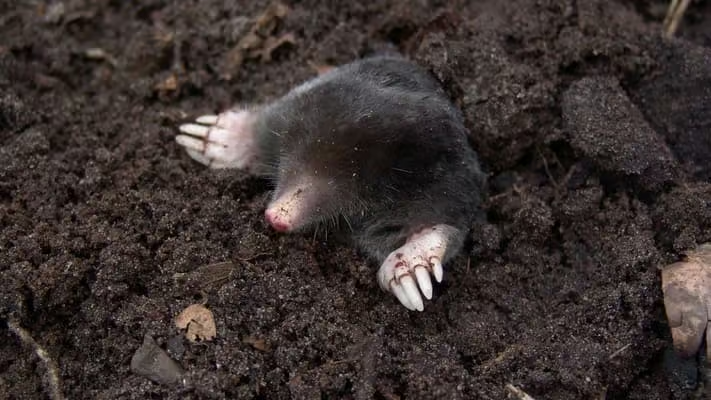
Moles are small, cylindrical mammals with velvety gray-brown fur, tiny or absent visible eyes, and large, paddle-like front feet adapted for digging.
Signs of a Mole Infestation
Classic signs include raised, winding ridges across the lawn, volcano-shaped soil mounds, and spongy ground that collapses underfoot. Surface tunnels may appear overnight as moles hunt just below the grass roots.
Unlike voles, moles do not typically leave open surface runways through grass or girdle tree bark. Their mounds are push-ups of excavated soil, and ridges are feeding tunnels rather than above-ground trails.
Fresh ridges and new mounds indicate active foraging. Old, collapsed tunnels may remain visible after moles have moved on, so distinguishing active from abandoned systems guides whether trapping is still needed.
Where Do Moles Hide?
Moles live in underground tunnel networks with deeper nest chambers and shallower foraging runs. Activity often concentrates in moist, insect-rich soil—irrigated lawns, garden edges, and low spots—rather than dry compacted areas.
You will not find moles nesting in attics or wall voids. Their entire lifestyle is subterranean. Surface evidence is the tunnel and mound system, not indoor droppings or gnaw marks.
Following active ridges to main runways is how trappers locate productive placement sites. Random treatment of inactive mounds is less effective than targeting travel tunnels still in use.
Lawn
commonGrass and turf areas where ground-dwelling pests nest and forage.
Garden
occasionalPlanted beds and vegetable gardens that attract pests feeding on plants and soil-dwelling insects.
Why Are Moles Bad for My Home?
Mole tunneling damages lawn aesthetics, disrupts root systems, and can kill patches of turf by lifting sod from contact with soil. Raised ridges interfere with mowing and create trip hazards. Plant roots in beds can be disturbed even though moles are hunting insects, not eating your vegetables as a primary diet.
Secondary pests or rodents sometimes use abandoned mole tunnels. While moles themselves rarely enter structures or spread the same household diseases as rats and mice, yard damage and repair costs are the main homeowner concerns.
Leaving heavy activity unchecked can leave large portions of a lawn uneven and stressed, especially during peak spring and fall foraging.
| Concern | Severity | What it means |
|---|---|---|
| Lawn DamagePrimary | moderate | Damage pests cause to grass and turf, such as dead patches, tunneling, or root feeding. |
| Garden Damage | low | Damage pests cause to garden plants, vegetables, and ornamental landscaping. |
What moles put at risk, and how urgent each one is.
How Do I Get Rid of Moles?
Trapping is generally the most effective control method when placed correctly in active runways by someone experienced with mole behavior. Reducing grub and soil insect populations can make a property less attractive over time, though moles also eat earthworms and may remain if other prey is plentiful.
Castor oil products, vibrating devices, and many repellents produce inconsistent results. Flooding tunnels or using unproven home remedies often fails and can create other yard problems. Focus on confirmed active tunnels rather than every old mound.
Pest Control Companies identify active systems, set traps effectively, and can address contributing grub issues when appropriate. Local wildlife regulations may apply to trapping and relocation—follow legal, humane practices rather than harmful DIY methods.
Methods, what a professional visit looks like, and what goes wrong when moles are treated the wrong way.
When Should I Call a Pest Control Company for Moles?
Call a Pest Control Company if ridges and mounds keep spreading despite DIY attempts, if you cannot locate active main runways, or if landscape damage is extensive. Correct trap placement is a skill; poorly placed traps waste time while damage continues.
Pest Control Company help is also useful when you need to distinguish mole damage from vole runways or pocket gopher mounds, which require different strategies. Integrated lawn care for grubs may be part of a longer-term plan.
If new tunnels appear after you collapsed a few ridges, the mole is still present. That is the right time for systematic trapping rather than repeated surface leveling alone.
Moles: common questions
Do moles eat plant roots and garden vegetables?
Moles primarily eat earthworms, grubs, and soil insects, not plant material. Their tunneling can still damage roots by disturbing soil and lifting sod. If you see plants being eaten above ground or bark girdling, voles or other pests may be involved instead.
How can I tell mole damage from vole damage?
Moles create raised ridges and volcano-like mounds with no open surface paths through grass. Voles leave narrow surface runways, small open burrows, and often damage bark or bulbs. Correct identification ensures you use the right control approach.
Will killing grubs get rid of moles?
Reducing grubs can help if they are a major food source, but moles also feed on earthworms and other soil life. Grub treatment alone does not guarantee moles will leave. Trapping active animals is usually still needed for immediate control.
Are mole repellers effective?
Sonic spikes, chewing gum, and many repellent claims have inconsistent real-world results. Some moles may shift activity temporarily, then return. Trapping in active runways remains the most reliable method for established problems.
Do moles enter houses?
Moles almost never enter living spaces; they live underground in the yard. Indoor rodents require a different inspection. Focus mole control on lawn tunnel systems rather than interior exclusion.
Is it legal to trap or relocate moles myself?
Rules vary by state and locality regarding trapping, relocation, and permitted methods. Use legal, humane approaches and check local wildlife regulations before acting. A licensed Pest Control Company can handle control in compliance with local rules.
Get moles help near you
Search local, licensed pest control companies by ZIP code.
Looking for a specific service? Browse wildlife removal companies.