Opossums
Opossums are nocturnal marsupials that forage in yards and occasionally den under structures or in attics.
How Did I Get Opossums??
Opossums are nocturnal marsupials that forage opportunistically for insects, fruit, small animals, pet food, and garbage. Easy outdoor food sources and sheltered den sites under decks, sheds, porches, or in crawlspaces draw them to residential properties.
They use existing openings rather than creating elaborate new entries. Gaps in skirting, damaged vents, open crawlspace access, and cluttered storage areas under structures provide ideal shelter, especially when weather turns cold or young need a den.
Attractive yards with fallen fruit, unsecured trash, and pet bowls left out overnight increase visits even if the home itself is well maintained. Reducing food and access points is the foundation of prevention.
How to identify opossums
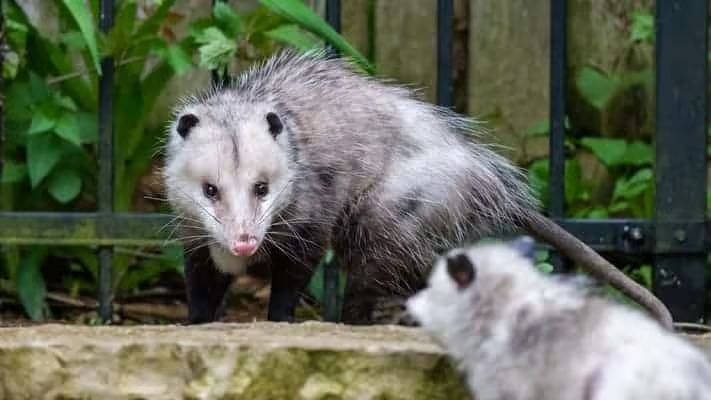
Opossums are cat-sized marsupials with grayish-white fur, a pointed pink snout, hairless ears, and a long, hairless prehensile tail.
Signs of an Opossum Problem
Common signs include overturned trash, raided pet food dishes, disturbed compost, and den entrances under decks or sheds. You may hear noises in crawlspaces or attics and find droppings near access points.
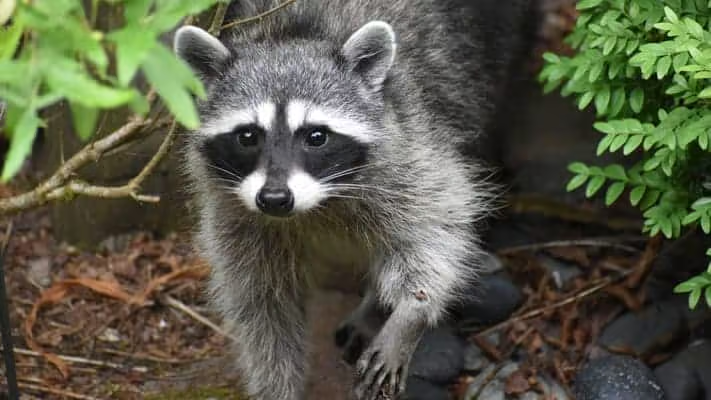
Tracks and sightings of a cat-sized grayish-white animal with a pointed pink snout, hairless ears, and a long hairless tail confirm opossums rather than raccoons or cats. Opossums are often solitary and may appear awkward or slow when spotlighted at night.
Repeated nightly foraging or a settled den under a structure means the animal has found reliable resources. One-time yard visits are different from an established denning situation that needs exclusion.
Where Do Opossums Hide?
Preferred den sites include spaces under decks, porches, sheds, and staircases, as well as crawlspaces, hollows near foundations, and occasionally attics when access exists. They seek dark, quiet shelter during the day and forage at night.
Outdoors they may use brush piles, woodpiles, and dense landscaping as temporary cover. Because they are good climbers for short distances but not as attic-focused as squirrels or raccoons, under-structure dens are especially common.
Inspection should check skirting, vent screens, and soil gaps under outbuildings. Confirming the den is vacant before permanent sealing is essential so animals are not trapped inside.
Attic
occasionalAn upper void space that offers insulation, shelter, and quiet for nesting pests and wildlife.
Deck
commonAn outdoor wooden or composite platform attached to the home that can shelter wood-boring or nesting pests.
Trash Area
commonGarbage and recycling storage areas that attract pests searching for food waste.
Crawlspace
occasionalA low, enclosed void beneath the home that provides dark, moist harborage for pests.
Why Are Opossums Bad for My Home?
Opossums can damage property by denning under structures, tearing insulation or screens, and making noise in crawlspaces. They raid trash and pet food, create messes, and may carry parasites such as fleas or, less commonly, diseases of concern to pets and people.
While opossums are generally not aggressive and often avoid confrontation, cornered animals may hiss or defend themselves. Droppings and den debris create sanitation issues under decks and in crawlspaces.
The goal of control is humane removal or exclusion and cleanup—not harming the animal. Local wildlife regulations may restrict how opossums can be trapped or relocated.
| Concern | Severity | What it means |
|---|---|---|
| Wildlife IntrusionPrimary | moderate | Wild animals entering the home or property, posing safety, sanitation, and property risks. |
| Sanitation Issue | low | Pest activity that creates unsanitary conditions through droppings, shed skins, or waste buildup. |
| Pet Health Risk | low | Risk that pests pose to household pets through bites, disease transmission, or parasitic infestation. |
What opossums put at risk, and how urgent each one is.
How Do I Get Rid of Opossums?
Effective control combines removing food attractants, live trapping or Pest Control Company removal when appropriate, and exclusion of den sites once the animal has left. Secure trash, bring pet food indoors at night, pick up fallen fruit, and install chimney caps and vent screens.
Never seal an active den without confirming the opossum—and any young—are out. One-way exclusion devices or Pest Control Company capture may be used depending on the situation and local law. After vacancy, repair skirting, close crawlspace gaps, and clean soiled areas.
Avoid illegal or inhumane methods. A wildlife Pest Control Company can identify the den, comply with regulations, and complete exclusion so the problem does not simply move a few feet to the next opening.
Methods, what a professional visit looks like, and what goes wrong when opossums are treated the wrong way.
When Should I Call a Pest Control Company for Opossums?
Call a Pest Control Company if an opossum is denning under a deck or in a crawlspace, if you hear ongoing activity in structural voids, or if you are unsure whether young are present. DIY sealing can trap animals and create odor or structural problems.
Pest Control Companies are also important when local rules limit homeowner trapping or relocation. They can handle live capture, exclusion, and guidance on cleanup of droppings and nesting material.
If opossums return after you secured trash alone, a den site or other food source remains. That is the right time for a full wildlife inspection and exclusion plan.
Opossums: common questions
Are opossums dangerous to people or pets?
Opossums are usually not aggressive and prefer to avoid conflict, but they can defend themselves if cornered and may carry fleas or other parasites. Keep pets from interacting with wild opossums and avoid handling them. Pest Control Company removal is safer than DIY confrontations.
Will an opossum leave on its own?
Transient foragers may move on if food is removed, but animals using a reliable den under a structure often stay until the site is no longer accessible or attractive. Exclusion after confirmed vacancy is the lasting fix. Do not assume noise has stopped means the den is permanently abandoned without inspection.
Can I relocate an opossum myself?
Many areas regulate trapping and relocation of wildlife, and improper relocation can be illegal or inhumane. Check local wildlife regulations before acting. Licensed Pest Control Companies know legal options for your area and can exclude den sites correctly.
How do I keep opossums out from under my deck?
Confirm the space is vacant, then install sturdy skirting or hardware cloth buried or secured to block re-entry. Remove food sources nearby and seal other gaps. Leave a temporary one-way exit if activity is still possible, or have a Pest Control Company manage exclusion.
Do opossums carry rabies?
Rabies is considered relatively uncommon in opossums compared with some other mammals, but any wild mammal can pose disease risks and should not be handled. Avoid contact and call Pest Control Companies for removal. Report unusual behavior to local animal control when advised.
What attracts opossums to my yard at night?
Pet food, unsecured garbage, fallen fruit, compost, and abundant insects or small prey attract foraging opossums. Shelter under decks and sheds seals the deal for denning. Securing food and access points reduces visits significantly.
Get opossums help near you
Search local, licensed pest control companies by ZIP code.
Looking for a specific service? Browse wildlife removal companies.