Snakes
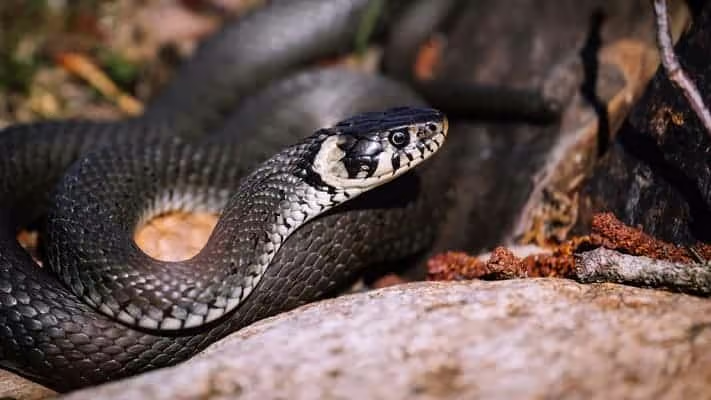
Snakes are reptiles that enter yards and structures while hunting rodents and insects, and while most species are harmless, some are venomous.
How Did I Get Snakes??
Snakes enter yards and occasionally structures while hunting prey—rodents, insects, amphibians—or seeking cover and temperature-stable shelter. Dense vegetation, woodpiles, debris, mulch beds, and rock features create ideal habitat next to homes.
Foundation gaps, garage door seals, crawlspace openings, and doors left ajar can allow snakes indoors, especially when rodent activity already exists inside or under the structure. Most snakes are not seeking people; they are following food and harborage.
Properties near water, woodland edges, or open fields often see more snake activity seasonally. Reducing prey and cover is more effective than reacting only after a sighting.
How to identify snakes
Snake appearance varies enormously by species; venomous species in the U.S. generally have a triangular head, elliptical pupils, and, for pit vipers, a heat-sensing pit, though positive identification should be left to a professional.
Signs of a Snake Problem
Signs include live sightings in woodpiles, mulch, or along foundations; shed skins; and tracks in dusty crawlspaces or sandy soil. Unusual pet alertness near a particular void can also prompt inspection.
Because many snakes are secretive, you may find sheds or a single indoor sighting without ever seeing a “den” of many snakes. Multiple sheds or repeated sightings in the same area suggest favorable habitat nearby.
Rodent droppings, burrows, or heavy mouse activity are important related signs—snakes may be present because prey is abundant. Address both the snake sighting and the conditions that attracted it.
Where Do Snakes Hide?
Outdoors, snakes use woodpiles, rock walls, dense ground cover, tall grass, compost piles, and gaps under sheds or decks. They bask in sun-warmed open spots and retreat to cool, dark cover when temperatures rise.
Indoors or in structures, they may appear in garages, crawlspaces, basements, storage clutter, and rarely living areas after slipping through a gap. They do not typically nest in attics the way squirrels do, but voids with prey access can host temporary shelter.
Inspection should reduce clutter, check foundation gaps, and evaluate rodent harborage. Finding where prey lives often explains where snakes travel.
Garden
commonPlanted beds and vegetable gardens that attract pests feeding on plants and soil-dwelling insects.
Foundation
occasionalThe base structure of the home, where cracks and gaps give pests direct access indoors.
Shed
occasionalA small detached outbuilding used for storage that can shelter pests away from the main house.
Firewood
commonStacked firewood that commonly harbors wood-boring insects, ants, and spiders close to the home.
Lawn
occasionalGrass and turf areas where ground-dwelling pests nest and forage.
Why Are Snakes Bad for My Home?
Most snakes around homes are non-venomous and actually help control rodents, but their presence alarms many homeowners, and a small number of venomous species make identification critically important for safety. A defensive strike can occur when a snake is cornered, stepped on, or handled.
Even non-venomous snakes indoors create stress, especially for families with children and pets. Venomous species pose a medical emergency risk. Incorrect DIY capture attempts are a common way people get bitten.
The responsible approach is habitat modification, exclusion, and Pest Control Company removal when needed—not killing every snake on sight or attempting heroic captures of unidentified species.
| Concern | Severity | What it means |
|---|---|---|
| Wildlife IntrusionPrimary | moderate | Wild animals entering the home or property, posing safety, sanitation, and property risks. |
| Venom | moderate | Risk of venomous injury from pests such as certain spiders, scorpions, or snakes. |
| Bites | low | Direct physical harm to people from pest bites, which can cause pain, irritation, or infection. |
What snakes put at risk, and how urgent each one is.
How Do I Get Rid of Snakes?
Focus on habitat modification and exclusion: keep grass mowed, trim vegetation, remove woodpiles and debris near the foundation, control rodents, and seal foundation and door gaps. These steps make the property less attractive long term.
For a snake already inside or in a high-traffic area, contact a wildlife Pest Control Company for safe capture and relocation according to local rules. Do not attempt to handle venomous or unidentified snakes. Glue boards and many DIY “snake repellents” are unreliable or inhumane.
Pest Control Companies can identify species, remove animals safely, and advise on structural exclusion. Legal protections may apply to some native snakes, so follow local wildlife regulations rather than illegal lethal methods.
Methods, what a professional visit looks like, and what goes wrong when snakes are treated the wrong way.
When Should I Call a Pest Control Company for Snakes?
Call a Pest Control Company immediately if you cannot identify a snake, if a venomous species is possible in your region, if a snake is inside the home, or if children or pets are at risk. Safe capture requires experience and proper tools.
Pest Control Company help is also valuable for recurring yard activity tied to rodent infestations or complex harborage you cannot clear alone. Technicians can coordinate rodent control and exclusion so snakes lose their reason to linger.
If you have sealed some gaps but still find snakes, prey or cover remains on the property. That is the right time for a full habitat and exclusion assessment.
Snakes: common questions
How can I tell if a snake is venomous?
Appearance varies by species and region; rules of thumb about head shape or pupils are not always reliable. Do not approach a snake to inspect it closely. Leave identification and removal to a Pest Control Company when there is any doubt.
What should I do if I find a snake in my house?
Keep people and pets away, close doors to confine it to one room if safely possible, and call a wildlife Pest Control Company or animal control. Do not try to pin, grab, or kill the snake. Watch from a distance so you can report where it went if it moves.
Do snake repellent products work?
Most commercial and home repellents have limited or inconsistent effectiveness. Habitat reduction, rodent control, and sealing entry points produce better long-term results. Relying on granules or oils alone rarely solves repeated snake activity.
Why do I suddenly have snakes in my yard?
Seasonal temperature changes, breeding movements, nearby construction, or a rise in rodent prey can increase sightings. New woodpiles, dense landscaping, or water features also add cover. Inspect for food and harborage rather than assuming a random invasion.
Are snakes protected by law?
Some species and situations are regulated; killing or relocating wildlife may require permits or licensed handlers depending on location. Always check local wildlife regulations. Pest Control Company services operate within legal, humane guidelines.
Will getting rid of mice reduce snakes?
Yes. Rodent control and sanitation remove a major food source that draws snakes near homes. Combine rodent management with vegetation and debris reduction for the best prevention. Exclusion sealing still matters for indoor entries.
Get snakes help near you
Search local, licensed pest control companies by ZIP code.
Looking for a specific service? Browse wildlife removal companies.