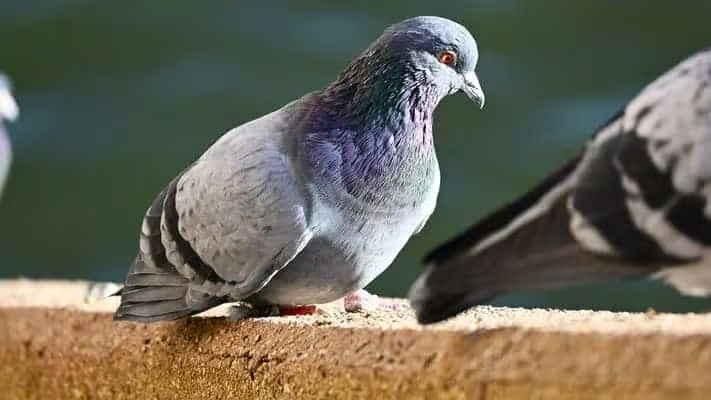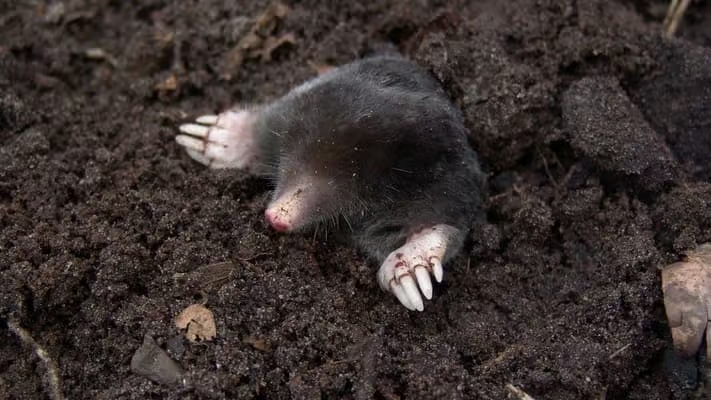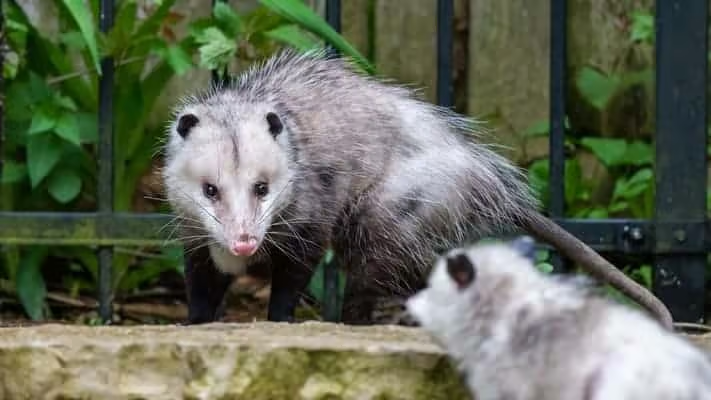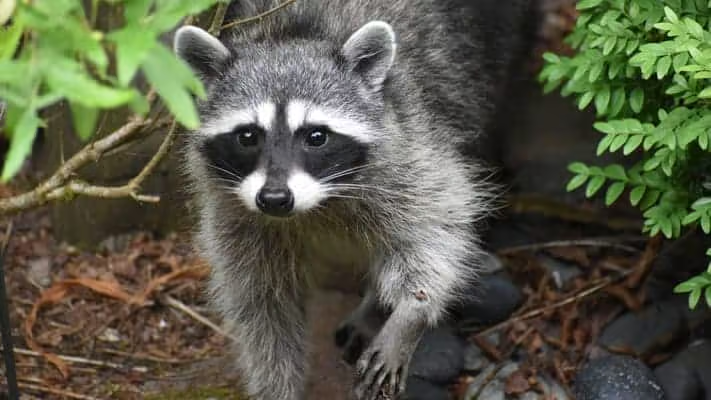
Wildlife
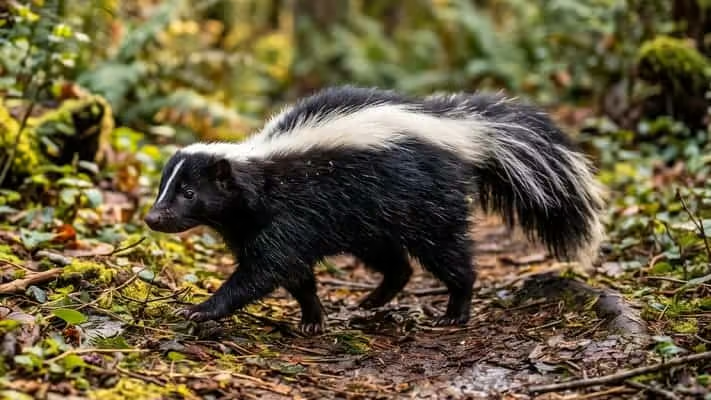
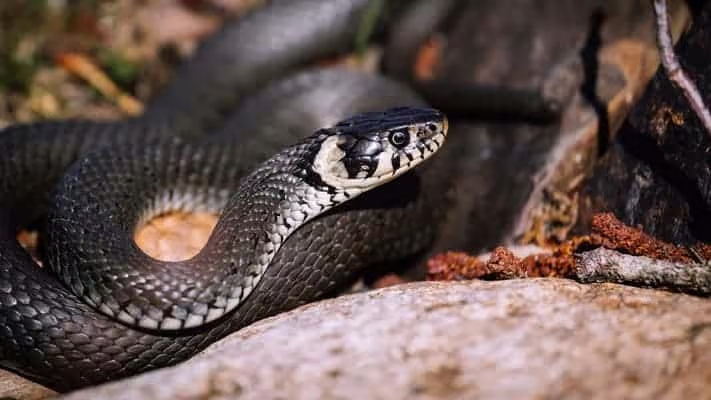
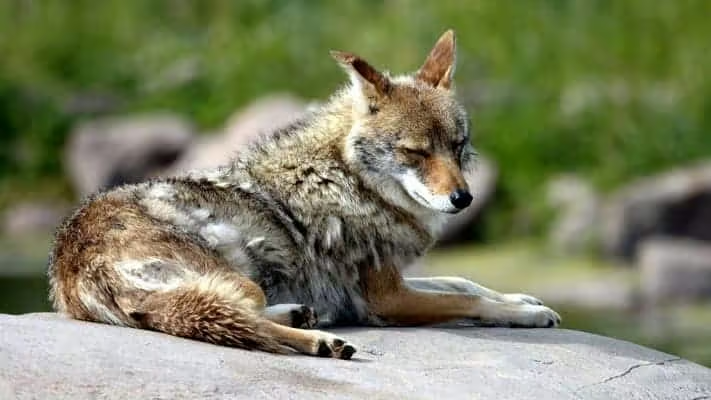
"Wildlife" covers a range of nuisance animals beyond common rodents that den in or around structures and cause property, sanitation, and safety concerns.
How Did I Get Wildlife Around My Home??
Nuisance wildlife is drawn to residential properties by food, water, and shelter. Unsecured trash, pet food, bird seed, gardens, and outdoor water sources provide easy meals. Gaps in rooflines, foundations, vents, chimneys, and under-deck spaces provide den sites—especially in colder months and breeding season.
Sometimes the species is obvious; other times homeowners only notice unidentified noises, digging, droppings, or damage. General wildlife pressure increases near greenbelts, creeks, and neighborhoods with mature trees and accessible structures.
You do not need rural acreage for wildlife conflicts. Suburban homes with small openings and reliable food commonly host animals that would otherwise remain outdoors.
How to identify wildlife
Species vary widely; a wildlife professional identifies the specific animal from tracks, droppings, entry points, and behavior before recommending a removal approach.
Signs of Wildlife Activity
Unidentified animal signs often include noises in attics, walls, chimneys, or crawlspaces; chewed or torn openings at the roofline or foundation; droppings or tracks; damaged landscaping; overturned trash; and unusual pet behavior focused on a void or yard area.
Timing of sounds helps narrow possibilities: daytime running may suggest squirrels, while heavy nocturnal thumping may suggest raccoons or other night-active mammals. Digging patterns, guano, and entry size also provide clues.
Because misidentification leads to wrong DIY tactics, a Pest Control Company inspection is valuable when signs do not clearly match a single pest. Photos of damage, droppings, and entry points help the identification process.
Where Does Nuisance Wildlife Hide?
Common den and shelter sites include attics, crawlspaces, chimneys, soffits, under decks and porches, sheds, and gaps along foundations. Different animals prefer different elevations and cavity sizes, but any dark, protected void with outdoor access can be used.
Yard harborage includes woodpiles, dense brush, rock piles, and overgrown edges that connect wild habitat to the structure. Travel routes often follow fence lines, tree bridges, and utility corridors.
Inspection follows the evidence—noise, droppings, grease marks, and openings—back to the den. Sealing without knowing whether animals (or young) are still inside is a common and costly mistake.
Attic
commonAn upper void space that offers insulation, shelter, and quiet for nesting pests and wildlife.
Crawlspace
commonA low, enclosed void beneath the home that provides dark, moist harborage for pests.
Deck
occasionalAn outdoor wooden or composite platform attached to the home that can shelter wood-boring or nesting pests.
Shed
occasionalA small detached outbuilding used for storage that can shelter pests away from the main house.
Foundation
occasionalThe base structure of the home, where cracks and gaps give pests direct access indoors.
Why Is Nuisance Wildlife Bad for My Home?
Wildlife can damage insulation, wiring, ducts, roofing, and landscaping; contaminate spaces with urine and feces; and create fire, odor, and sanitation hazards. Some species carry diseases or parasites that pose risks to people and pets.
Even when the animal is not aggressive, defensive behavior near dens—or startled encounters in garages and yards—creates safety concerns. Delayed response often means more structural damage and more expensive cleanup.
Because species differ and laws differ, one-size-fits-all DIY removal can be ineffective, illegal, or inhumane. Pest Control Company identification protects both the household and the animals involved.
| Concern | Severity | What it means |
|---|---|---|
| Wildlife IntrusionPrimary | moderate | Wild animals entering the home or property, posing safety, sanitation, and property risks. |
| Property Damage | low | General damage pests cause to belongings, storage, or the surrounding property. |
| Sanitation Issue | low | Pest activity that creates unsanitary conditions through droppings, shed skins, or waste buildup. |
What wildlife put at risk, and how urgent each one is.
How Do I Get Rid of Unidentified Wildlife?
The correct sequence is identify the animal, remove or exclude it humanely under local regulations, confirm the site is vacant, then permanently seal entry points and remove attractants. Guessing the species from a single noise often fails.
Secure trash and pet food, trim vegetation and tree limbs away from the structure, install chimney caps and vent screens, and repair small openings before they become established dens. Cleanup of droppings and nesting material may be needed after removal for health and odor control.
Do not use poisons, illegal traps, or methods that harm animals or violate wildlife law. A licensed wildlife Pest Control Company can identify species from signs, apply legal removal or exclusion techniques, and complete repairs that prevent re-entry.
Methods, what a professional visit looks like, and what goes wrong when wildlife are treated the wrong way.
When Should I Call a Pest Control Company for Wildlife?
Call a Pest Control Company whenever you hear ongoing structural noises, find entry damage, discover droppings in attics or crawlspaces, or cannot identify the animal responsible. Early inspection prevents small access points from becoming long-term dens.
Pest Control Company help is essential when young may be present, when disease risk is a concern, or when local regulations restrict homeowner trapping and relocation. DIY sealing of active dens creates emergencies.
If attractants were removed but activity continues, a den or entry point remains. That is the right time for species identification and a full exclusion plan rather than more temporary deterrents.
Wildlife: common questions
I hear something in my attic but never see it. What should I do?
Note whether sounds occur by day or night, where they seem loudest, and whether you find droppings or openings. Avoid sealing holes until the animal’s status is known. A wildlife Pest Control Company can inspect, identify likely species, and plan safe exclusion.
Can I just seal the hole the animal is using?
Not while animals may still be inside. Permanent sealing of an active den can trap wildlife, kill young, and cause severe odor and damage. Confirm vacancy—or use proper one-way exclusion when appropriate—before final repairs.
Are wildlife problems covered by homeowners insurance?
Coverage varies widely by policy and by whether damage is sudden or considered maintenance-related. Some policies exclude wildlife damage or limit coverage. Document damage and check with your insurer; prevention and prompt exclusion still reduce out-of-pocket risk.
Is it legal to trap and relocate wildlife myself?
Many states and localities regulate trapping, relocation, and which species homeowners may handle. Improper relocation can be illegal and inhumane. Hire licensed Pest Control Companies who follow local wildlife regulations.
What attracts wildlife to a house in the first place?
Food, water, and shelter are the big three: trash, pet food, gardens, bird seed, and accessible voids in roofs or under structures. Breeding season and cold weather increase denning pressure. Removing attractants and sealing gaps prevents many conflicts.
How do Pest Control Companies identify the animal without seeing it?
They evaluate tracks, droppings, entry size and location, damage patterns, timing of activity, and nesting materials. Those clues distinguish squirrels, raccoons, bats, rodents, and other wildlife. Correct identification determines legal options and exclusion design.
Get wildlife help near you
Search local, licensed pest control companies by ZIP code.
Looking for a specific service? Browse wildlife removal companies.