Fleas
Fleas are tiny, jumping, blood-feeding insects that infest pets and homes and can persist long after the source animal is treated.
How Did I Get Fleas??
Fleas usually enter a home on a pet, a visiting animal, or wildlife that passes through the yard—such as stray cats, raccoons, or opossums. Adult fleas jump onto a host, feed on blood, and begin laying eggs that fall into carpeting, upholstery, pet bedding, and floor cracks. From there, an indoor population can establish even if you rarely see adult fleas at first.
The key point many homeowners miss is that most of a flea infestation is not on the pet. Eggs, larvae, and pupae develop in the environment—living rooms, bedrooms, furniture, and pet resting areas—while only a fraction of the population is the jumping adults you notice. Treating the animal alone often fails because the home continues producing new fleas.
Yards with shaded soil, tall grass, and wildlife traffic can also support outdoor flea populations that reinfest pets after indoor cleanup. Once eggs and pupae are widespread in carpet and furniture, the problem can persist for weeks without a coordinated home-and-pet approach.
How to identify fleas
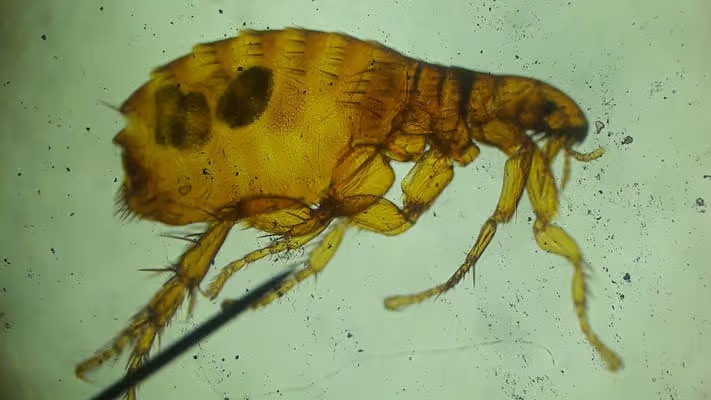
Adult fleas are small, wingless, reddish-brown insects that are flattened side-to-side and move by jumping rather than flying.
Known species and subtypes
Signs of a Flea Infestation
Pets that scratch, bite, or groom excessively are often the first clue. You may find small dark specks—“flea dirt”—in pet bedding or on the skin when brushed onto a damp paper towel, where it can leave reddish stains. Adult fleas are tiny, wingless, reddish-brown insects flattened side-to-side that jump rather than fly.
People frequently notice clusters of itchy red bites around the ankles and lower legs, especially after walking across carpeted rooms. Bites may also appear where clothing fits snugly. Seeing fleas on socks, pant legs, or light-colored flooring after sitting on furniture is another strong indicator.
If pets seem uncomfortable and household members are getting ankle bites—even when only a few fleas are visible—the environmental stages are likely already present. Early action prevents a small introduction from becoming a multi-room infestation.
Where Do Fleas Hide?
Adult fleas stay close to hosts, but eggs and larvae concentrate where pets rest and travel: living-room carpets, bedroom rugs, upholstered furniture, pet beds, baseboards, and cracks in hardwood floors. Larvae avoid light and burrow into fibers and debris. Pupae can remain protected in cocoons until vibration or heat signals a host is nearby.
Pet areas, crates, favorite couches, and under beds are high-yield inspection zones. In heavier infestations, fleas spread through multiple rooms and even vehicles that pets ride in. Outdoors, shaded lawn edges, under decks, and areas visited by wildlife can harbor fleas that jump back onto pets.
Because so much of the population is hidden in carpet and furniture—not on the animal—vacuuming patterns and treatment coverage must match where pets actually spend time. Missing those harborage zones is why fleas seem to “come back” after a single cleaning.
Living Room
commonA shared living space with upholstered furniture and carpeting that can harbor fabric and carpet pests.
Bedroom
commonA sleeping area where pests such as bed bugs and dust mites can establish themselves close to occupants.
Furniture
commonUpholstered and wooden furnishings that can harbor fabric pests, wood-boring insects, or bed bugs.
Pet Area
commonOutdoor spaces used for pets, where food, water, and waste can attract pests.
Lawn
occasionalGrass and turf areas where ground-dwelling pests nest and forage.
Why Are Fleas Bad for My Home?
Fleas cause intense itching for pets and people, disrupt sleep, and can trigger allergic dermatitis in sensitive animals. Heavy infestations stress pets and can contribute to anemia in young or small animals. Some fleas can also play a role in transmitting certain parasites, including tapeworms, when pets ingest fleas during grooming.
In the home, fleas turn carpeted living spaces and furniture into a source of constant bites. Guests notice quickly, and the problem can spread between rooms and to other animals. Pupae that survive incomplete treatment can emerge later, creating the frustrating cycle of “we thought they were gone.”
Delaying treatment allows eggs and larvae to build up throughout living rooms, bedrooms, and pet areas. Coordinated action on pets plus the environment is far easier early than after weeks of unchecked breeding.
| Concern | Severity | What it means |
|---|---|---|
| BitesPrimary | moderate | Direct physical harm to people from pest bites, which can cause pain, irritation, or infection. |
| Pet Health Risk | high | Risk that pests pose to household pets through bites, disease transmission, or parasitic infestation. |
| Disease Transmission | low | Pests capable of spreading pathogens or disease to people through bites, contact, or contamination. |
| Rapid Reproduction | moderate | Pests that reproduce quickly, allowing small infestations to grow into large ones in a short time. |
| Allergy Trigger | low | Pest droppings, shed skins, or saliva that can trigger allergic reactions in sensitive individuals. |
What fleas put at risk, and how urgent each one is.
How Do I Get Rid of Fleas?
Successful flea control treats the pet and the premises together. Work with a veterinarian on appropriate on-animal flea prevention or treatment, then address carpets, upholstery, pet bedding, and resting zones. Thorough vacuuming before and after treatment helps remove eggs and larvae and stimulates pupae to emerge where products can reach them.
Wash pet bedding in hot water, reduce clutter at floor level, and focus insecticide applications—often including an insect growth regulator—on carpets, furniture edges, and pet areas rather than random spraying of open air. Outdoor yard treatment may be needed if pets are continually reinfested from shaded lawn or wildlife areas.
Expect the process to take time. Pupae can continue emerging after the first cleanup, so follow-up vacuuming and, when needed, a second treatment visit are common. If activity continues after pet treatment and careful home cleaning, Pest Control Company flea service can target environmental stages more completely.
Methods, what a professional visit looks like, and what goes wrong when fleas are treated the wrong way.
When Should I Call a Pest Control Company for Fleas?
Call a Pest Control Company if fleas persist after your pet is on veterinarian-recommended treatment, if multiple rooms are involved, if bites continue around ankles and furniture, or if you recently moved into a home with a prior pet infestation. You should also call when vacuuming and over-the-counter products are not breaking the cycle.
Pest Control Companies use products and growth regulators designed for carpets and upholstery, and they can identify hot spots in living rooms, bedrooms, and pet areas that homeowners miss. They can also advise on yard conditions and reinfestation pressure from wildlife.
Coordinate any home treatment with your veterinarian so on-animal care and premises treatment support each other. Fleas are a life-cycle problem; Pest Control Company help is especially valuable when the environmental stages have had time to build up.
Fleas: common questions
Can I have fleas without pets?
Yes. Fleas can arrive on visiting animals, in used furniture or rugs, or from previous pets in a home. Wildlife around the yard can also introduce fleas that later bite people. Ankle bites and fleas on socks in carpeted rooms are common clues even without a current pet.
Why do fleas keep coming back after I treat my pet?
Most of the infestation lives as eggs, larvae, and pupae in carpet, furniture, and bedding—not on the animal. Treating only the pet leaves those stages to produce new adults. You need concurrent environmental cleaning and treatment, plus ongoing pet prevention.
How long can fleas live in my house?
Under favorable conditions, fleas can persist for weeks to months because pupae may delay emerging until a host is present. That is why empty homes can still produce fleas when people or pets return. Thorough vacuuming and life-cycle treatment are essential.
Do fleas only bite ankles?
Ankles and lower legs are the most common bite sites for people walking through infested carpet, but fleas can bite other exposed skin. Pets are bitten wherever fleas can reach, often around the hindquarters and belly. Bite location helps suggest fleas but is not a perfect diagnostic alone.
Should I flea bomb my house?
Total-release foggers often fail to reach fleas deep in carpet fibers and furniture and can be a poor fit for life-cycle control. Vacuuming, targeted premise treatment, insect growth regulators, and proper pet products are usually more effective. Ask a Pest Control Company before relying on bombs.
How do I prevent fleas next season?
Keep pets on year-round veterinarian-recommended prevention, vacuum regularly, wash pet bedding often, and limit wildlife attractants in the yard. Address shaded, overgrown pet areas outdoors. Early prevention is far easier than eliminating an established indoor population.
Get fleas help near you
Search local, licensed pest control companies by ZIP code.
Looking for a specific service? Browse general pest control companies.