Wasps
Wasps are stinging insects that build paper or mud nests around structures and can become aggressive when a nest is disturbed.
How Did I Get Wasps??
Wasps find your property because it offers nesting sites, food, and water. Paper wasps scout under eaves, porch ceilings, roof edges, and other sheltered overhangs in spring. Yellowjackets exploit ground cavities, wall voids, play equipment, and dense landscaping. Hornets may build large enclosed paper nests in trees or on structures.
Outdoor dining, uncovered trash, recycling bins, fallen fruit, and pet food all attract foraging wasps through summer and early fall. Once a queen successfully starts a nest near frequent human activity—porches, decks, sheds, fences, or gardens—the colony grows rapidly. By late season, worker numbers can be high and defensive behavior more intense.
You do not need to “do anything wrong” to get wasps. Attractive architecture, nearby flowering plants, and easy food scraps are enough. Early-season nests are small and easier to manage; ignoring them often means dealing with a large, aggressive colony later.
How to identify wasps
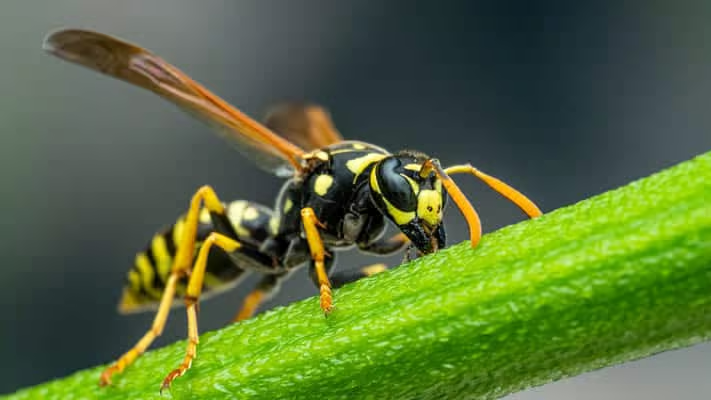
Wasps have slender, smooth bodies with a narrow waist, unlike the fuzzier bodies of bees; coloring ranges from the black-and-yellow banding of yellowjackets to the reddish-brown of paper wasps.
Known species and subtypes
- Paper WaspPolistes spp.A slender wasp that builds open, umbrella-shaped paper nests under eaves and other overhangs.
- YellowjacketVespula spp.An aggressive black-and-yellow wasp that often nests underground or in wall voids and is a common late-summer stinging hazard.
- Bald-Faced HornetDolichovespula maculataA large wasp that builds enclosed, gray, football-shaped paper nests in trees or on structures.
Signs of a Wasp Infestation
Visible paper or mud nests under eaves, porch roofs, deck joists, or in trees are the most obvious sign. Increased wasp traffic around trash cans, outdoor dining areas, and flowering plants is another. You may hear buzzing from wall voids, attic edges, or ground openings when yellowjackets nest out of sight.
Paper wasps build open, umbrella-shaped combs. Yellowjackets often nest underground or inside structural voids with only a small entrance hole visible. Hornet nests are typically large, enclosed gray paper structures. Workers have slender, smooth bodies and a narrow waist—different from the fuzzier look of bees.
If wasps repeatedly investigate the same porch, roofline, or yard corner—or if family members are getting stung near a consistent spot—inspect carefully from a safe distance. Do not poke or spray a nest casually; disturbance can trigger mass defensive stinging.
Where Do Wasps Hide?
Paper wasps commonly nest under eaves, porch ceilings, roof overhangs, railings, and shed roofs. Yellowjackets hide nests in soil cavities, landscape voids, compost edges, wall voids, and hollow structures. Hornets prefer elevated locations in trees, tall shrubs, or building exteriors.
Foraging wasps also “hide” in plain sight around trash areas, gardens, fences, outdoor kitchens, and pet feeding spots. Structural nests may only reveal a stream of wasps entering a gap in siding, a soffit joint, or a ground hole. That hidden placement is why stings often happen during mowing, gardening, or deck work.
A Pest Control Company looks for entrance traffic patterns, not only obvious hanging nests. Locating the true nest—especially for yellowjackets in walls or underground—is essential before treatment. Treating foragers alone will not solve an established colony.
Porch
commonA covered outdoor entry area where pests can nest close to doorways.
Roof
commonThe uppermost structural surface, where damaged or open areas can let pests and wildlife into the attic.
Shed
occasionalA small detached outbuilding used for storage that can shelter pests away from the main house.
Fence
occasionalProperty-line fencing, particularly wood fencing, that can attract wood-boring or nesting pests.
Garden
occasionalPlanted beds and vegetable gardens that attract pests feeding on plants and soil-dwelling insects.
Why Are Wasps Bad for My Home?
Wasps sting to defend their nests, and many species can sting repeatedly. For people with allergies, a single sting can become a medical emergency. Even without allergies, nests on porches, play areas, roof edges, and high-traffic yards make outdoor living stressful and unsafe for kids and pets.
Hidden yellowjacket nests in wall voids or ground cavities create surprise encounters during routine yard work. Large colonies late in the season become more aggressive around food and trash. Nest material and activity in structural voids can also lead to secondary issues if left unresolved.
Ignoring a small spring nest often means facing dozens or hundreds of workers by late summer. Safe removal early protects your household and prevents the problem from becoming a high-risk stinging event around the home.
| Concern | Severity | What it means |
|---|---|---|
| StingsPrimary | high | Direct physical harm to people from pest stings, which can cause pain and localized or systemic reactions. |
| Venom | moderate | Risk of venomous injury from pests such as certain spiders, scorpions, or snakes. |
| Nesting | moderate | Pests establishing nests within or around the home, increasing the likelihood of a persistent infestation. |
What wasps put at risk, and how urgent each one is.
How Do I Get Rid of Wasps?
Effective wasp control targets the nest, not just flying workers. Pest Control Companies locate the colony, apply appropriate insecticide directly to the nest or entrance—often at dusk or night when activity is lower—and remove the nest once activity has stopped. For wall-void or underground nests, specialized techniques and follow-up may be required.
Homeowners can reduce attraction by keeping outdoor trash covered, cleaning spills, removing fallen fruit, and sealing potential nesting cavities early in the season. Do not attempt to knock down large nests, spray randomly during the day, or pour materials into ground holes—these approaches frequently provoke stings and incomplete control.
For porch nests, roof nests, wall-void activity, or any colony near doors and play areas, Pest Control Company removal is the safer choice. After treatment, sealing gaps and monitoring eaves in spring helps stop the next queen from starting over in the same spot.
Methods, what a professional visit looks like, and what goes wrong when wasps are treated the wrong way.
When Should I Call a Pest Control Company for Wasps?
Call a Pest Control Company for any nest you cannot approach safely, for yellowjackets in the ground or walls, for large hornet nests, or whenever someone in the home has a sting allergy. You should also call if wasps are entering living spaces, nesting above doorways, or showing heavy traffic on porches and roof lines.
DIY nest removal is one of the more dangerous home pest tasks. Pest Control Companies have protective equipment, products, and timing strategies that reduce the chance of mass stinging. Early-season service, when colonies are smaller, is especially effective and usually less disruptive.
If a sting causes difficulty breathing, swelling of the face or throat, dizziness, or other severe symptoms, seek emergency medical care immediately—then arrange nest removal so the hazard is eliminated. Do not wait for a large late-summer colony if you already know a nest is present.
Wasps: common questions
What is the difference between wasps and bees?
Wasps generally have slender, smooth bodies and a narrow waist, while bees look fuzzier and are primarily pollinators. Nesting habits and temperament also differ by species. Correct identification matters because honeybee colonies are often relocated rather than destroyed when possible.
Why are yellowjackets so aggressive in late summer?
Late-season colonies are large, food demand is high, and workers more readily defend nests and scavenge protein and sweets around people. Outdoor dining and trash become major attractants. Removing nests earlier in the year prevents peak late-summer pressure.
Can wasps nest inside walls?
Yes. Yellowjackets and some other wasps commonly nest in wall voids, attics, and hollow structural spaces, with only a small exterior entrance visible. Buzzing in walls or wasps emerging from siding gaps needs Pest Control Company attention. Do not seal the entrance while the colony is active without a treatment plan.
Is it safe to spray a wasp nest myself?
Small, accessible early-season paper wasp nests are sometimes handled carefully by homeowners, but many attempts end in stings or incomplete kill. Large nests, ground nests, and wall nests should be left to Pest Control Companies. Night timing and proper protective steps matter if any DIY approach is considered.
What attracts wasps to my porch?
Sheltered eaves for nesting, outdoor lights that bring insect prey, open drinks, food residue, recycling, and nearby trash all attract wasps. Porches combine nesting architecture with human food sources. Early monitoring under eaves and better trash sanitation reduce both nests and foragers.
How long does Pest Control Company wasp nest removal take?
Many visible nests can be treated in a single visit, with nest removal after activity stops. Hidden wall or ground nests may need follow-up to confirm the colony is eliminated. Your technician should explain timing, safety precautions, and any exclusion needed afterward.
Get wasps help near you
Search local, licensed pest control companies by ZIP code.
Looking for a specific service? Browse general pest control companies.