Ticks
Ticks are blood-feeding arachnids found in grass and wooded areas that can transmit serious diseases through their bite.
How Did I Get Ticks??
Ticks reach people and pets from grass, leaf litter, shrubs, and wooded edges—not from spontaneously appearing indoors. They wait on vegetation in a behavior called questing, legs extended, and latch onto hosts that brush past. Properties that border woods, overgrown fence lines, tall grass, or wildlife trails have higher tick pressure.
Deer, rodents, raccoons, and other animals carry ticks into residential yards, where the parasites drop off and continue their life cycle in lawn edges, gardens, and pet areas. Family members and dogs then pick them up during play, gardening, or walks along the property perimeter. Indoor ticks are almost always hitchhikers on clothing or pets rather than established house pests.
Season and landscape design strongly influence risk. Warm months and transitional spring and fall periods can be especially active depending on region and species. A yard that looks tidy in the center can still produce ticks along brushy borders and shaded groundcover.
How to identify ticks
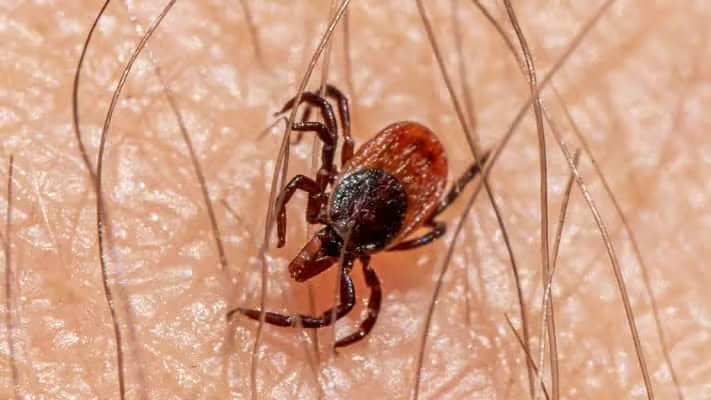
Ticks are small, flat, eight-legged arachnids that swell considerably after feeding; size and coloring vary by species and life stage.
Known species and subtypes
- Blacklegged (Deer) TickIxodes scapularisThe primary tick species responsible for transmitting Lyme disease in the U.S., commonly found in wooded and grassy areas.
- American Dog TickDermacentor variabilisA larger tick species found in grassy fields and along trails, capable of transmitting Rocky Mountain spotted fever.
Signs of a Tick Infestation
Finding ticks on pets after time outdoors is one of the most common signs of yard activity. People may discover ticks crawling on clothing or attached to skin after gardening, hiking the property edge, or sitting in tall grass. Increased wildlife traffic through the yard also correlates with higher tick presence.
Unlike many indoor pests, ticks do not leave droppings trails or webs in the living room. Evidence is biological and environmental: ticks on hosts, questing activity in tall grass or shrub edges, and known local prevalence of species such as blacklegged (deer) ticks or American dog ticks. Pets that roam fence lines and wooded borders are frequent carriers into the home.
If you repeatedly find ticks after ordinary yard time—not only after deep woods hikes—treat your landscape as a tick habitat problem. Early landscaping changes and barrier treatments reduce attachment risk for the whole household.
Where Do Ticks Hide?
Ticks hide and quest in tall grass, leaf litter, groundcover, shrub borders, garden edges, wood piles, and the transition zone between lawn and woods. They favor humid, shaded microclimates rather than hot, dry center lawns that are kept short. Fence lines, stone walls, and pet paths along the property edge are frequent encounter zones.
On animals and people, ticks move to protected skin areas after climbing aboard—often the scalp, behind ears, underarms, groin, and waistband lines for people, and around the head, neck, and under the collar for pets. Inside the home, free ticks may be found on carpets or furniture shortly after a pet comes indoors, but they do not typically infest houses the way fleas do.
Inspection for control purposes focuses on the yard perimeter, not the kitchen. Mapping where kids, pets, and wildlife spend time shows where barrier treatments and habitat modification will help most.
Lawn
commonGrass and turf areas where ground-dwelling pests nest and forage.
Garden
commonPlanted beds and vegetable gardens that attract pests feeding on plants and soil-dwelling insects.
Shrubs
commonOrnamental shrubs and hedges that provide cover and can bridge pests from the yard to the structure.
Pet Area
occasionalOutdoor spaces used for pets, where food, water, and waste can attract pests.
Fence
occasionalProperty-line fencing, particularly wood fencing, that can attract wood-boring or nesting pests.
Why Are Ticks Bad for My Home?
Ticks are medically important because their bites can transmit serious diseases, including Lyme disease, Rocky Mountain spotted fever, and other regional illnesses depending on the species. Not every tick is infected, but the risk is real enough that prevention and prompt removal matter for every household member and pet.
Beyond disease, tick-heavy yards limit safe outdoor use of lawns, gardens, and play areas. Pets can carry ticks into the house and vehicle, spreading concern and requiring constant checks. Parents of young children and owners of outdoor dogs feel this pressure most acutely during peak season.
Ignoring landscape conditions that favor ticks leaves your family exposed outing after outing. Combining yard management, pet prevention, and personal protection is far better than relying on luck after each trip outside.
| Concern | Severity | What it means |
|---|---|---|
| Disease TransmissionPrimary | critical | Pests capable of spreading pathogens or disease to people through bites, contact, or contamination. |
| Bites | moderate | Direct physical harm to people from pest bites, which can cause pain, irritation, or infection. |
| Pet Health Risk | moderate | Risk that pests pose to household pets through bites, disease transmission, or parasitic infestation. |
What ticks put at risk, and how urgent each one is.
How Do I Get Rid of Ticks?
Start with habitat modification: keep grass mowed, clear leaf litter and brush, widen sunny lawn edges, and create a barrier of wood chips or gravel between lawns and wooded areas. Remove debris piles that shelter rodents. Keep playground equipment and decks away from overgrown edges when possible.
Pest Control Company barrier spraying of yard perimeters, shrub lines, fence edges, and other vegetation can reduce tick numbers in treated zones. Pair yard work with veterinarian-recommended tick prevention on pets and personal measures such as protective clothing, repellents, and full-body tick checks after outdoor time. Prompt, proper tick removal reduces disease transmission risk.
There is no single indoor spray that “clears ticks from a house” the way flea programs work, because ticks are primarily an outdoor edge problem. Focus on the landscape, pet prevention, and follow-up treatments during active seasons for lasting reduction.
Methods, what a professional visit looks like, and what goes wrong when ticks are treated the wrong way.
When Should I Call a Pest Control Company for Ticks?
Call a Pest Control Company if you repeatedly find ticks on people or pets after time in your own yard, if your property borders woods or heavy brush, or if local disease risk makes prevention a high priority. You should also call when DIY mowing and cleanup are not enough to stop attachments along fence lines and garden edges.
Technicians can target perimeter vegetation and tick-favorable harborage more systematically than general yard spraying. They can also recommend landscape changes that permanently reduce humidity and wildlife cover near play areas and pet zones.
Combine Pest Control Company yard service with pet prevention and family tick checks. If a person develops a rash, fever, or flu-like illness after a known or possible tick bite, contact a healthcare provider promptly while continuing environmental prevention at home.
Ticks: common questions
Do ticks live in my house like fleas?
Ticks do not typically establish breeding populations indoors the way fleas do in carpet. They hitchhike in on people and pets from outdoor vegetation. Focus control on the yard, pet prevention, and checking gear after outdoor time rather than whole-house flea-style bombing.
What diseases can ticks transmit?
Depending on species and region, ticks may transmit Lyme disease, Rocky Mountain spotted fever, ehrlichiosis, anaplasmosis, and other illnesses. Risk varies by location and tick type. Prevention, prompt removal, and medical care for concerning symptoms are essential.
How do I safely remove a tick?
Use fine-tipped tweezers to grasp the tick close to the skin and pull upward with steady pressure. Clean the area afterward and avoid twisting, crushing, or using petroleum jelly or heat. If mouthparts remain or you develop symptoms later, contact a healthcare provider.
Does mowing the lawn reduce ticks?
Yes. Short grass, sunlight, and lower humidity make lawns less favorable for many ticks. The biggest gains come from mowing edges, clearing leaf litter, and separating lawn from woods with wood chips or gravel. Center-lawn mowing alone is not enough if borders stay overgrown.
Can my dog bring ticks into the house?
Absolutely. Dogs that run fence lines and wooded edges are common tick carriers. Use veterinarian-recommended prevention, check pets after outdoor time, and address yard harborage. Indoor finds usually mean a recent hitchhiker, not a permanent house infestation.
When is tick season?
Tick activity peaks in warmer months in many regions, with important spring and fall periods for some species. In mild climates, risk can extend much of the year. Year-round pet prevention and seasonal yard management are wise where ticks are common.
Get ticks help near you
Search local, licensed pest control companies by ZIP code.
Looking for a specific service? Browse general pest control companies.