Bats
Bats are flying mammals that roost in attics, eaves, and wall voids, leaving behind guano that poses a real respiratory health risk.
How Did I Get Bats??
Little brown bats and big brown bats are the species most often found roosting in and around homes. They can enter through gaps as narrow as about three-eighths of an inch along rooflines, soffits, vents, and loose flashing. Once a reliable daytime roost is found, bats return night after night.
Colonies can grow as more bats discover the same shelter, especially during spring and summer maternity season when females raise flightless pups. Homes near water, wooded edges, or abundant night-flying insects may see higher foraging activity nearby.
Bats are not seeking to “invade” living rooms; they want dark, protected crevices. Unsealed structural gaps are the invitation.
How to identify bats
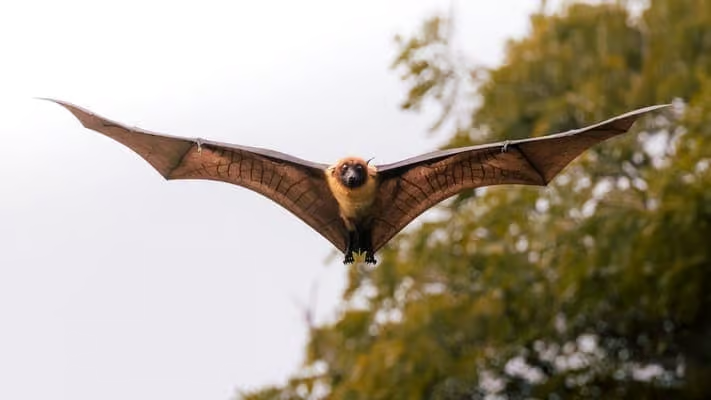
Bats are small, nocturnal, flying mammals with leathery wings formed from elongated fingers, a compact furry body, and large ears adapted for echolocation.
Signs of a Bat Infestation
Common signs include piles of dark, crumbly guano beneath a roost, rub marks and staining around entry gaps, high-pitched squeaking or scratching in the attic near dusk, and bats seen exiting the roofline at twilight.
Guano often accumulates on attic insulation, porch floors, or exterior walls below the primary exit. Unlike rodent droppings, bat guano is typically dry, crumbly, and shiny with insect fragments when crushed.
A single free-flying bat indoors can be accidental, but repeated dusk exits from the same gap or growing guano piles indicate an established roost that needs Pest Control Company exclusion planning.
Where Do Bats Hide?
Bats roost in attics, eaves, soffit returns, wall voids, behind chimneys, and in tight crevices along the roofline. They squeeze into surprisingly narrow gaps and may use multiple entry and exit points on the same structure.
Daytime roosts are dark and undisturbed; at night bats leave to feed on insects and return before dawn. Maternity colonies are especially sensitive to disturbance when non-flying young are present.
Inspection focuses on the exterior envelope at dusk and on guano trails indoors. Finding every exit is essential before exclusion devices are installed.
Attic
commonAn upper void space that offers insulation, shelter, and quiet for nesting pests and wildlife.
Roof
occasionalThe uppermost structural surface, where damaged or open areas can let pests and wildlife into the attic.
Walls
occasionalInterior and exterior wall voids that give pests hidden travel routes and nesting space throughout the structure.
Why Are Bats Bad for My Home?
Bat guano and urine contaminate insulation and building materials and can create strong odors. Guano can harbor Histoplasma capsulatum, the fungus that causes histoplasmosis, a respiratory disease risk when dried droppings are disturbed. Bats can also carry rabies, so direct contact is dangerous.
Large colonies cause significant cleanup costs and can stain ceilings and walls. Beyond health concerns, many bat species are protected, and improper removal can violate wildlife law—especially during maternity season.
The correct response is Pest Control Company, humane exclusion timed appropriately, followed by sealing and careful guano remediation—not poisoning, sealing bats inside, or handling them with bare hands.
| Concern | Severity | What it means |
|---|---|---|
| Disease TransmissionPrimary | high | Pests capable of spreading pathogens or disease to people through bites, contact, or contamination. |
| Wildlife Intrusion | moderate | Wild animals entering the home or property, posing safety, sanitation, and property risks. |
| Property Damage | low | General damage pests cause to belongings, storage, or the surrounding property. |
What bats put at risk, and how urgent each one is.
How Do I Get Rid of Bats?
Humane exclusion is the standard method: install one-way check valves or netting at confirmed exit points so bats can leave to feed but cannot re-enter, then permanently seal openings once the roost is empty. This work must be timed outside the local maternity season so flightless pups are not trapped inside.
After exclusion, seal roofline, soffit, and vent gaps; maintain chimney caps; and address attic conditions as needed. Guano cleanup and insulation treatment should use appropriate respiratory protections and protocols because of histoplasmosis risk.
Never use poisons or attempt to kill a colony. Many bats are protected, and illegal methods create health and legal problems. Licensed wildlife Pest Control Companies design exclusion around species behavior and local regulations.
Methods, what a professional visit looks like, and what goes wrong when bats are treated the wrong way.
When Should I Call a Pest Control Company for Bats?
Call a Pest Control Company as soon as you confirm roosting signs—guano piles, dusk exits, or attic squeaking. Bat work requires specialized exclusion timing, equipment, and knowledge of maternity-season restrictions that vary by region.
Pest Control Company help is critical if a bat has had potential contact with people or pets (seek medical and public-health guidance immediately for rabies risk), if guano contamination is extensive, or if the roofline is complex. Do not wait for a colony to grow through another summer.
If you have sealed random gaps but still see bats at dusk, open exits remain or timing was wrong. That is the right time for a full bat inspection and legal exclusion plan.
Bats: common questions
When is bat maternity season and why does it matter?
Maternity season is typically spring through mid-to-late summer, when flightless pups remain in the roost while adults feed. Excluding or sealing during that period can trap and kill young and may violate wildlife protections. Pest Control Companies time one-way exclusion for when young can fly and the colony can exit safely.
Is bat guano dangerous?
Yes. Accumulated guano can harbor the fungus that causes histoplasmosis, and disturbing dry droppings can aerosolize spores. Avoid sweeping or vacuuming large deposits without proper protection. Pest Control Company cleanup and remediation are recommended for attic contamination.
Can bats get in through tiny cracks?
Yes. Many bats can enter gaps around three-eighths of an inch—smaller than most homeowners expect. Thorough sealing of rooflines, soffits, vents, and flashing is required after exclusion. Missing a single gap allows recolonization.
What if I find a single bat in my living room?
Keep people and pets away, and do not handle the bat with bare hands. If contact or possible bite exposure occurred, seek medical advice immediately regarding rabies. For capture and for determining whether a roost exists, contact public health guidance and a wildlife Pest Control Company as appropriate.
Why can’t I just seal the holes at night?
Sealing while bats are inside traps them, creating odor, damage, and legal/humane problems—especially if pups cannot fly. One-way devices let bats leave first. Permanent sealing happens only after the roost is confirmed empty.
Are bats protected by law?
Many bat species have state or federal protections, and maternity-season restrictions commonly apply. Illegal killing or improper exclusion can result in penalties. Use licensed Pest Control Companies who follow local wildlife regulations and humane exclusion practices.
Get bats help near you
Search local, licensed pest control companies by ZIP code.
Looking for a specific service? Browse general pest control companies.