Crickets
Crickets are jumping insects known for their chirping song that occasionally invade homes and can damage fabrics in large numbers.
How Did I Get Crickets??
Field crickets and camel crickets (also called cave or spider crickets) move toward homes for shelter, moisture, and cooler temperatures. Outdoor populations build in mulch, tall grass, woodpiles, and landscaping near foundations. Bright exterior lights attract field crickets at night, concentrating them near doors and windows where gaps let them inside.
Camel crickets favor basements, crawlspaces, garages, and other damp, dark areas. They often enter through foundation cracks, poorly sealed vents, and gaps under garage doors when outdoor conditions become too hot, dry, or flooded. Field crickets may chirp from living spaces after wandering in from porches and patios.
Seasonal peaks are common in late summer and early fall. Homes with heavy mulch against the foundation, overwatered beds, and unscreened crawlspace vents tend to see more indoor activity once outdoor numbers rise.
How to identify crickets
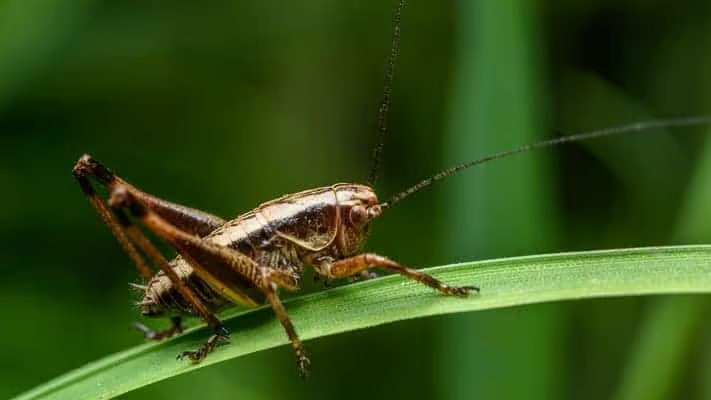
Field crickets are dark brown to black with long antennae and large hind legs for jumping; camel crickets are humpbacked, wingless, and light brown with long legs and antennae.
Signs of a Cricket Infestation
Nighttime chirping is the signature sign of field crickets indoors. Males produce the song to attract mates, and even a few insects can sound louder than their size suggests in quiet bedrooms or basements. You may also spot dark brown to black field crickets on floors near doors, or find them around lights and windows.
Camel crickets do not chirp. Signs include humpbacked, long-legged crickets scattering when basement lights turn on, droppings in damp corners, and irregular chewing on fabric, paper, cardboard, or stored items when numbers are high. Large outdoor counts near the foundation often precede indoor invasions.
Finding crickets repeatedly in the same lower-level rooms, or hearing chirping night after night, means conditions still favor entry and harborage. Early sealing and moisture control prevent small problems from becoming a seasonal chorus.
Where Do Crickets Hide?
Field crickets hide in mulch, under stones and landscape edges, in tall vegetation, and in cracks around foundations and porches. Indoors they may rest along baseboards, behind appliances, in utility rooms, and near warm equipment after entering at night.
Camel crickets prefer consistently damp, dark places: crawlspaces, basements, under stored boxes, behind water heaters, in floor drains, and in cool garage corners. They are strong jumpers and often cling to walls as well as floors. Clutter and cardboard give them extra cover.
Because many crickets spend most of their time outdoors or in lower structural spaces, surface sprays in living rooms alone miss the source. Inspection should cover exterior lighting, foundation gaps, and moisture-prone storage areas.
Basement
commonA below-grade space that is often damp and dark, making it attractive to a wide range of pests.
Garage
commonAn attached or detached vehicle storage space that pests can use as an entry point into the home.
Crawlspace
occasionalA low, enclosed void beneath the home that provides dark, moist harborage for pests.
Lawn
occasionalGrass and turf areas where ground-dwelling pests nest and forage.
Why Are Crickets Bad for My Home?
The biggest complaint with field crickets is noise. Persistent chirping disrupts sleep and makes rooms feel invaded even when only a few insects are present. Camel crickets add a different problem: in large numbers they can chew fabric, paper, and cardboard, damaging stored clothing, boxes, and occasionally other household materials.
Crickets also leave droppings and dead insects in basements and garages, which is unpleasant and can attract other scavengers. They do not typically spread disease like cockroaches, but heavy activity is a clear comfort and sanitation nuisance and can signal excess moisture that may affect the building.
Ignoring foundation gaps and damp crawlspaces invites annual returns. What starts as a few chirps can become a recurring fall problem without exclusion and habitat changes.
| Concern | Severity | What it means |
|---|---|---|
| NuisancePrimary | moderate | General unwanted presence of pests that disrupts everyday life without a specific health or property impact. |
| Noise | moderate | Disruptive sounds caused by pest activity, such as scratching, chirping, or movement within walls. |
| Clothing Damage | low | Damage pests cause to fabric and clothing, typically from chewing or larval feeding. |
What crickets put at risk, and how urgent each one is.
How Do I Get Rid of Crickets?
Combine exclusion, moisture control, and population reduction. Seal foundation cracks, install door sweeps, repair screens, and ensure crawlspace vents and garage seals fit tightly. Reduce exterior lighting or switch to bulbs less attractive to insects, and pull mulch and vegetation back from the foundation.
Indoors, dehumidify basements and crawlspaces, remove cardboard clutter, and vacuum or trap crickets you find. Sticky traps help monitor camel cricket hotspots. Perimeter insecticide applications around the foundation and entry points can reduce pressure when outdoor populations are high; bait stations designed for crickets are sometimes used in garages and basements.
If chirping continues from wall voids or crawlspaces, or if camel crickets are numerous despite DIY efforts, Pest Control Company perimeter treatment and moisture recommendations usually produce faster, longer-lasting results.
Methods, what a professional visit looks like, and what goes wrong when crickets are treated the wrong way.
When Should I Call a Pest Control Company for Crickets?
Call a Pest Control Company when chirping persists after sealing and trapping, when camel crickets are abundant in basements or crawlspaces, or when fabric and paper damage appears. Pest Control Companies can treat exterior harborage and foundation lines effectively and identify moisture or structural gaps that keep inviting crickets back.
Service is also worthwhile before peak late-summer pressure if you deal with the same invasion every year. Rental properties and homes with finished basements often need faster resolution than DIY alone provides.
Ask for a plan that includes perimeter treatment timing, exclusion priorities, and crawlspace or garage recommendations. Lasting cricket control is as much about habitat as it is about product application.
Crickets: common questions
Why do crickets chirp at night?
Male field crickets chirp to attract females, and cooler, quieter nights make the sound more noticeable indoors. Camel crickets do not chirp. Finding and removing the insects, then sealing entry points, stops the noise at the source.
What is the difference between field crickets and camel crickets?
Field crickets are typically dark, can fly or jump well, and chirp. Camel crickets are humpbacked, wingless, light brown, silent, and prefer dark damp basements and crawlspaces. Both can invade homes, but control emphasis differs slightly by harborage.
Can crickets damage clothes?
Camel crickets in large numbers may chew fabric, paper, and cardboard, especially in damp storage areas. Field crickets are less often linked to serious fabric damage. Reducing moisture and populations protects stored goods.
Do exterior lights cause cricket problems?
Yes. Bright lights attract field crickets and other insects to doorways and windows, increasing the chance they find entry gaps. Reducing light intensity, relocating fixtures, or using less-attractive bulbs helps lower pressure at entry points.
How do I stop crickets in my basement?
Dry the space with dehumidification and leak repair, seal foundation and window gaps, reduce clutter, and use traps or Pest Control Company perimeter treatment. Camel crickets thrive on dampness, so moisture control is essential for lasting results.
Are crickets dangerous to people or pets?
Crickets do not pose a significant bite or disease risk to people or pets under normal household conditions. They are primarily a noise, nuisance, and occasional property-damage pest. Control focuses on comfort and prevention rather than medical hazard.
Get crickets help near you
Search local, licensed pest control companies by ZIP code.
Looking for a specific service? Browse general pest control companies.