Groundhogs
Groundhogs (woodchucks) dig extensive burrow systems near foundations and gardens, undermining structures and devouring vegetable beds.
How Did I Get Groundhogs??
Groundhogs, also called woodchucks, are large burrowing rodents attracted to properties with gardens, clover-rich lawns, and sheltered dig sites along foundations, sheds, porches, and patio edges. They excavate multi-chambered burrow systems with several entrances and piles of fresh soil.
Open yards adjacent to fields, woods, or undeveloped lots see more colonization. Brush piles, woodpiles, and overgrown edges provide cover near preferred burrow starts. Activity is strongest from spring through fall; groundhogs hibernate in winter.
A single successful burrow near a vegetable garden can lead to rapid plant loss and expanding tunnel networks under slabs or outbuildings if left unaddressed.
How to identify groundhogs
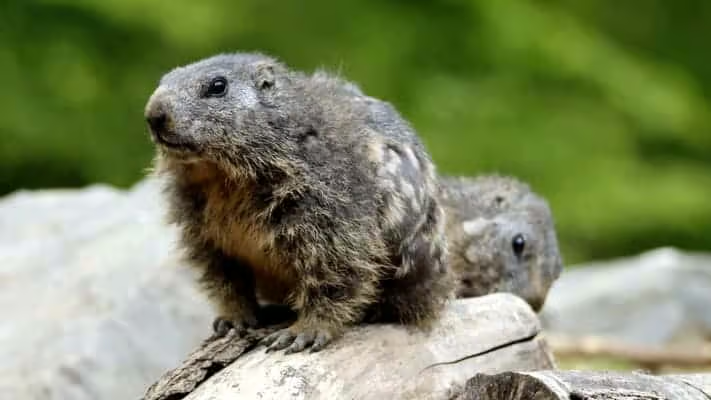
Groundhogs are large, stocky rodents with coarse grizzled brown fur, a flattened head, short legs, and a bushy tail, typically 16 to 26 inches long.
Signs of a Groundhog Problem
Look for large burrow entrances with mounds of freshly excavated soil, paths worn in vegetation, stripped or missing garden vegetables, gnawed stems near ground level, and soft or sunken ground near foundations, sheds, or patios.
Burrow openings are much larger than rat or vole holes—often about the size of a softball or larger. Multiple entrances may belong to one system. Fresh dirt and clear tracks indicate active use.
Garden damage overnight on leafy crops is common in peak season. Structural concerns rise when burrows undermine concrete, stoops, or crawlspace edges.
Where Do Groundhogs Hide?
Groundhogs live in burrows dug into slopes, berms, fence lines, and soil beside foundations, under sheds, porches, decks, and at garden edges. Chambers below ground provide nesting and winter hibernation space.
They are primarily diurnal and may be seen feeding in open yards during the day before retreating to the burrow. Unlike tree squirrels, they do not nest in attics; the risk is underground structural and garden damage.
Inspection should map all entrances before any sealing attempt. Filling one hole while others remain open—or while the animal is still inside—fails and can be inhumane.
Lawn
commonGrass and turf areas where ground-dwelling pests nest and forage.
Garden
commonPlanted beds and vegetable gardens that attract pests feeding on plants and soil-dwelling insects.
Foundation
occasionalThe base structure of the home, where cracks and gaps give pests direct access indoors.
Why Are Groundhogs Bad for My Home?
Groundhog burrows can undermine foundations, sidewalks, patios, and outbuilding pads, creating collapse and repair hazards. Their steady grazing can strip vegetable gardens and ornamental plantings quickly, especially when animals build fat reserves before hibernation.
Soil displacement and multiple entrances create trip hazards and complicate mowing. Secondary use of abandoned burrows by other animals can continue after the groundhog leaves if openings are not properly closed.
The solution is legal, humane removal or exclusion and permanent burrow closure—not dangerous DIY fills while animals may still be present. Local wildlife regulations may apply.
| Concern | Severity | What it means |
|---|---|---|
| Property DamagePrimary | moderate | General damage pests cause to belongings, storage, or the surrounding property. |
| Structural Damage | moderate | Damage pests cause to the building's structural components, weakening its integrity over time. |
| Wildlife Intrusion | low | Wild animals entering the home or property, posing safety, sanitation, and property risks. |
What groundhogs put at risk, and how urgent each one is.
How Do I Get Rid of Groundhogs?
Pest Control Company live cage trapping and removal or relocation—where legal—is a common approach, followed by confirming the burrow is vacant and then permanently sealing or collapsing tunnels appropriately. Garden fencing buried at least a foot deep (with an outward apron when possible) helps protect plantings.
Remove brush and woodpiles near foundations, monitor for new burrow starts in spring, and secure crawlspace skirting and vents. Repellents alone rarely solve an established burrow next to a food source.
Avoid illegal poisoning, drowning, or sealing occupied burrows. A wildlife Pest Control Company can trap humanely, follow local rules, and complete site repairs so the next groundhog does not reopen the same system.
Methods, what a professional visit looks like, and what goes wrong when groundhogs are treated the wrong way.
When Should I Call a Pest Control Company for Groundhogs?
Call a Pest Control Company if burrows appear near foundations or under structures, if garden damage is severe, or if you cannot determine whether a burrow is still occupied. Structural undermining should not wait for a full season of expansion.
Pest Control Companies are also important when local laws restrict trapping or relocation by homeowners. They can coordinate removal timing around the active season and ensure young are not sealed below ground.
If a burrow reopens after you filled the main entrance, the system was still active or incomplete. That is the right time for systematic trapping and proper closure rather than repeated surface fills.
Groundhogs: common questions
How big is a groundhog burrow entrance?
Entrances are typically large—often several inches across, roughly softball-sized or bigger—with a mound of excavated soil nearby. Multiple openings can connect to one tunnel system. Size helps distinguish groundhog digs from smaller rodent holes.
Do groundhogs hibernate?
Yes. Groundhogs enter true hibernation in winter, so digging and garden damage mainly occur from spring through fall. Late-season feeding can be intense as they gain weight. Winter quiet does not always mean the burrow will stay abandoned next spring.
Will filling the hole with rocks stop a groundhog?
Not if the animal is still using the system or other entrances remain open. Groundhogs can dig out poorly sealed holes. Confirm vacancy, then close the entire system properly—ideally with Pest Control Company guidance near foundations.
How do I protect my garden from groundhogs?
Install sturdy fencing buried at least a foot deep, ideally with an outward underground apron to discourage digging under. Harvest promptly and reduce nearby cover. Fencing works best alongside removal of animals already burrowed next to the garden.
Can groundhog burrows damage my foundation?
Yes. Extensive tunneling beside or under footings, slabs, and porches can undermine support and cause settling or collapse risks. Burrows near structures deserve prompt Pest Control Company attention. Do not ignore expanding soil voids against the house.
Is it legal to trap and move groundhogs myself?
Rules vary by state and locality regarding trapping, relocation, and permitted methods. Some areas require licenses or prohibit relocation. Check local wildlife regulations and use humane, legal approaches—often best handled by a licensed Pest Control Company.
Get groundhogs help near you
Search local, licensed pest control companies by ZIP code.
Looking for a specific service? Browse general pest control companies.