Mites
Mites are microscopic arachnids that can infest stored food, bird or rodent nests, or bedding, sometimes causing skin irritation.
How Did I Get Mites??
“Mites” covers several different household situations. Dust mites live naturally in bedding, upholstery, and carpets where they feed on shed skin cells; they are not an invasion from outdoors so much as a humidity- and harborage-driven indoor population. Bird mites or rodent mites often appear after a nest in an attic, eaves, or wall void is abandoned or removed—when their animal host leaves, mites migrate indoors seeking a new host and may bite people temporarily.
Other mite issues can relate to stored products, pets, or outdoor vegetation, but unexplained bites plus a known bird or rodent nest are a classic pathway for parasitic mite complaints. Because most mites are microscopic, people often notice itching or tiny moving specks long before they identify a source.
Correctly identifying which mite problem you have determines the fix: allergen and humidity management for dust mites versus nest removal and targeted treatment for bird or rodent mites.
How to identify mites
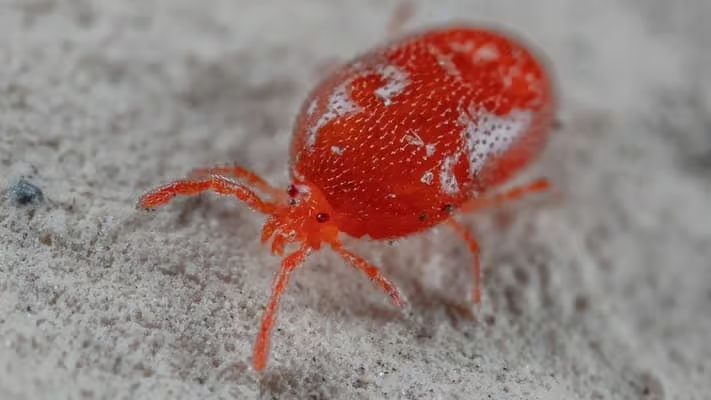
Most mites are microscopic or barely visible to the naked eye as tiny moving specks; species vary in color from pale to reddish-brown.
Signs of a Mite Problem
Dust mite issues usually show up as allergy or asthma symptoms that worsen in bedding, carpets, and upholstered rooms—sneezing, congestion, and irritated airways—rather than obvious insects. You will not typically see dust mites with the naked eye.
Bird or rodent mites may appear as tiny dark or pale moving dots on walls, bedding, or windowsills, often with itchy bites that seem worse at night. Activity may spike after birds leave a nest, after pest wildlife is removed, or when attic nesting material is disturbed. Some people report a crawling sensation even when few mites are visible.
Because bite patterns can overlap with other pests, context matters: recent nest activity, pets, new furniture, or humidity problems all help narrow the cause. Pest Control Company inspection is valuable when the source is unclear.
Where Do Mites Hide?
Dust mites concentrate in mattresses, pillows, box springs, bedding, stuffed furniture, carpets, and curtains—anywhere skin flakes and moderate humidity collect. They thrive in warm, humid indoor air and are hardest to eliminate from deep fabric layers.
Bird and rodent mites originate in nests, roosts, and burrows in attics, eaves, vents, wall voids, chimneys, and nearby trees or rooftops. When hosts leave, mites spread along walls, ceilings, and into living spaces looking for blood meals. They may gather near windows and warm sleeping areas.
Stored-product and other specialized mites stay with the materials they infest. Effective inspection always asks where the host or habitat is, not only where bites are felt. Removing or treating the source zone matters more than spraying open floor space alone.
Attic
occasionalAn upper void space that offers insulation, shelter, and quiet for nesting pests and wildlife.
Bedroom
occasionalA sleeping area where pests such as bed bugs and dust mites can establish themselves close to occupants.
Mattress
occasionalBedding where bed bugs and dust mites commonly hide close to sleeping occupants.
Pet Area
occasionalOutdoor spaces used for pets, where food, water, and waste can attract pests.
Why Are Mites Bad for My Home?
Dust mites are a major indoor allergen source and can worsen asthma and allergic rhinitis, especially in children and sensitive adults. Their waste and body fragments become airborne when bedding and upholstery are disturbed. Comfort and sleep quality often suffer even when no “bugs” are seen.
Parasitic bird or rodent mites cause itchy bites, anxiety, and sleep disruption. While they typically do not establish permanent human infestations the way bed bugs do, the period after nest abandonment can be intense. Secondary concerns include the health and sanitation issues of the bird or rodent nest itself.
Misdiagnosis leads to wasted effort—treating for bed bugs when the real issue is a pigeon nest, or only buying allergen sprays when humidity and bedding encasements are the real dust mite solution. Accurate source control protects both health and peace of mind.
| Concern | Severity | What it means |
|---|---|---|
| Allergy TriggerPrimary | moderate | Pest droppings, shed skins, or saliva that can trigger allergic reactions in sensitive individuals. |
| Bites | low | Direct physical harm to people from pest bites, which can cause pain, irritation, or infection. |
| Asthma Trigger | low | Pest allergens, particularly from cockroaches and dust mites, that can worsen asthma symptoms. |
What mites put at risk, and how urgent each one is.
How Do I Get Rid of Mites?
For dust mites, wash bedding regularly in hot water when fabric care allows, use allergen-proof mattress and pillow encasements, reduce indoor humidity (ideally under about 50%), vacuum with a good filtration system, and minimize unnecessary fabric clutter. These steps reduce allergen load more effectively than general insecticides.
For bird or rodent mites, locate and remove or professionally address the nest and host animal problem first, then clean and treat affected rooms as recommended. Vacuum thoroughly, wash linens, and use targeted applications only as part of a plan aimed at residual mites after the source is gone. Sealing attic and eave entry points prevents re-nesting.
If bites continue, the source is unknown, or multiple pest possibilities exist (mites vs. bed bugs vs. other insects), Pest Control Company inspection is the surest path. Technicians can identify likely mite types, find nests, and recommend the right combination of exclusion, cleaning, and treatment.
Methods, what a professional visit looks like, and what goes wrong when mites are treated the wrong way.
When Should I Call a Pest Control Company for Mites?
Call a Pest Control Company when you have unexplained bites, suspect bird or rodent nests in attics or walls, or allergy symptoms suggest a dust mite problem that environmental changes have not improved enough. Call sooner if activity began right after wildlife or bird removal, which is a common mite migration trigger.
Pest Control Companies are also important when DIY treatments fail, when multi-unit buildings may share voids, or when you need to distinguish mites from bed bugs and other biting pests. Wrong treatment delays relief and can spread anxiety without solving the source.
Ask for a source-focused inspection: nests, hosts, humidity, and bedding environment. Effective mite service explains which mite type is likely and what cleanup, exclusion, and follow-up you should expect.
Mites: common questions
Can I see dust mites?
Dust mites are microscopic and not visible as individuals under normal home conditions. Their presence is inferred from allergens, humidity, and habitat such as bedding and upholstery. Allergen reduction strategies matter more than trying to spot them.
Do bird mites live on people permanently?
Bird mites prefer bird hosts and usually do not establish long-term populations on humans. They can bite people when nests are nearby or recently abandoned, causing temporary irritation. Removing the nest source and treating residual mites typically ends the problem.
How are mite bites different from bed bug bites?
Both can itch and appear in groups, so bites alone are unreliable for diagnosis. Bed bugs leave additional signs such as fecal spots on mattress seams and hide near sleeping areas. Nest history and inspection help separate bird or rodent mites from bed bugs.
Does washing sheets kill dust mites?
Regular hot washing of bedding reduces mites and allergens when temperatures and cycles are adequate for the fabric. Encasements, humidity control, and vacuuming support washing. Cold washes alone are less effective for allergen management.
Why did mites appear after we removed a bird nest?
When birds leave or nests are removed, mites that fed on the birds disperse in search of a new host and may enter living spaces. Cleaning the nest area, sealing entry points, and treating residual mites addresses the migration. Timing Pest Control Company help right after nest work can prevent prolonged biting.
Will fogging my house eliminate mites?
Broadcast fogging rarely solves mite problems because sources remain in bedding, fabric, or nests. Dust mites need environmental allergen control; bird and rodent mites need host and nest resolution plus targeted follow-up. Source-based methods outperform general fogging.
Get mites help near you
Search local, licensed pest control companies by ZIP code.
Looking for a specific service? Browse general pest control companies.